
The Siege of Ujjain and the Slaying of the Magic Donkey, from a copy of the Kalakacharyakatha — History & Facts
Did the painter know this moment would outlive them? A single brushstroke can echo through time, whispering tales of madness and valor. Focus on the vibrant chaos that dances across the canvas, where clashing colors create an electrifying atmosphere. Notice how the artist expertly layers deep reds and brilliant golds, evoking both fervor and tension. The figures are caught in a frenetic motion, their expressions a mix of determination and insanity, drawing the viewer's gaze to the center—a ferocious confrontation with a magic donkey that embodies an unseen threat.
Each detail in their postures speaks volumes, hinting at the underlying fear and fervent desperation of the besieged. The contrasts within the scene breathe life into the narrative. The donkey, with its surreal aura, stands as both a literal and metaphorical beast, symbolizing the madness that besets the city. While the warriors appear resolute, their wild eyes suggest a deeper turmoil, reflecting the clashing worlds of sanity and chaos.
The tumultuous backdrop mirrors their emotional states, each stroke pregnant with the weight of conflict—both external and internal. It invites contemplation on the thin line between bravery and madness. Around 1450, in Gujarat, the artist created this dynamic piece during a time of cultural flourishing in India. The region was alive with artistic experimentation and storytelling, as narratives from epics and folklore were transposed onto canvas.
The Kalakacharyakatha, from which this work derives, was part of a broader tradition, intertwining mythology and history, and the artist’s choice to depict such madness indicates a profound engagement with the themes of heroism and the human psyche in art.
More Artworks by India Gujarat
Browse all →


More Historical Art
Browse all →
The Night Watch Militia Company of District II under the Command of Captain Frans Banninck Cocq
Rembrandt van Rijn
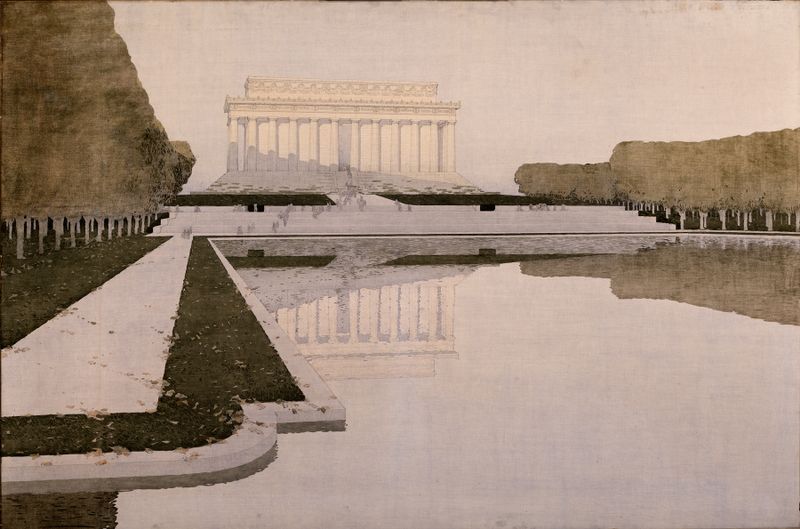
Lincoln Memorial
Henry Bacon
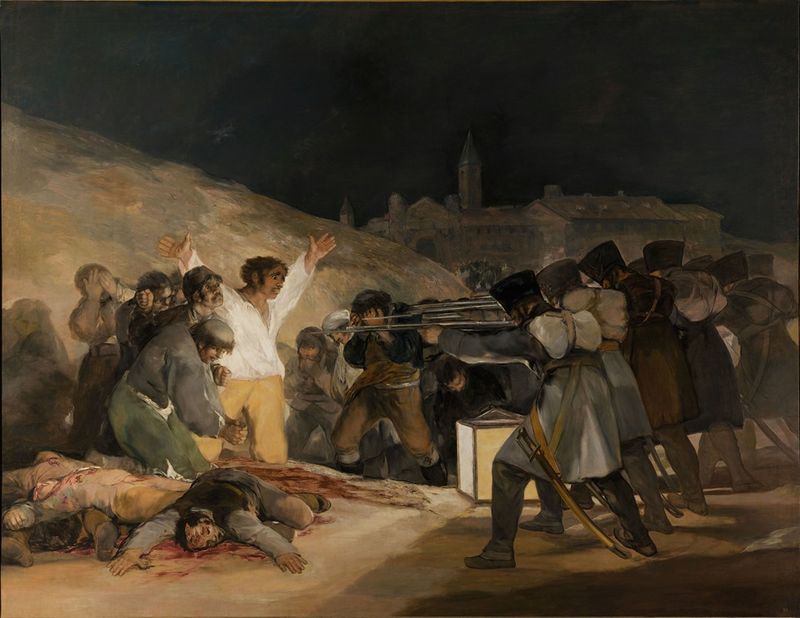
The Third of May 1808
Francisco de Goya

Isaac and Rebecca, Known as ‘The Jewish Bride’
Rembrandt van Rijn
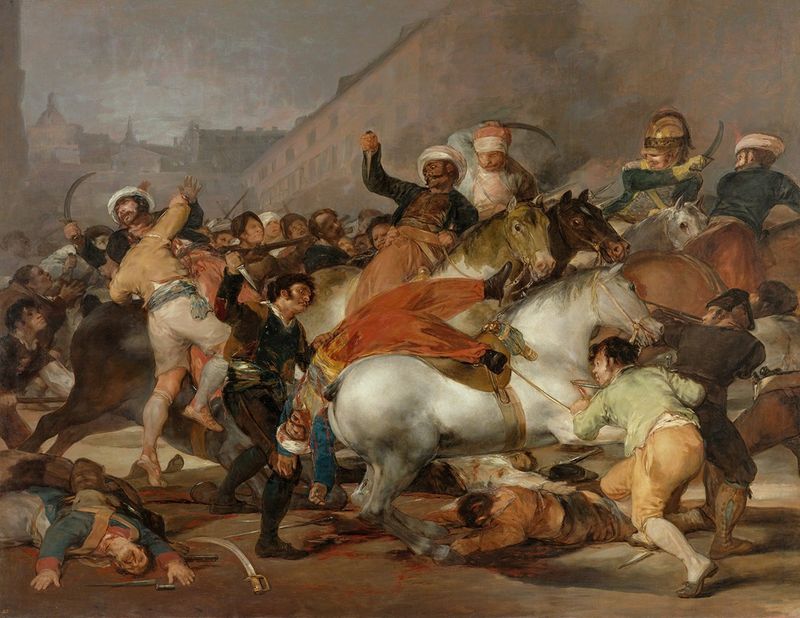
The Charge of the Mamelukes (1814)
Francisco de Goya
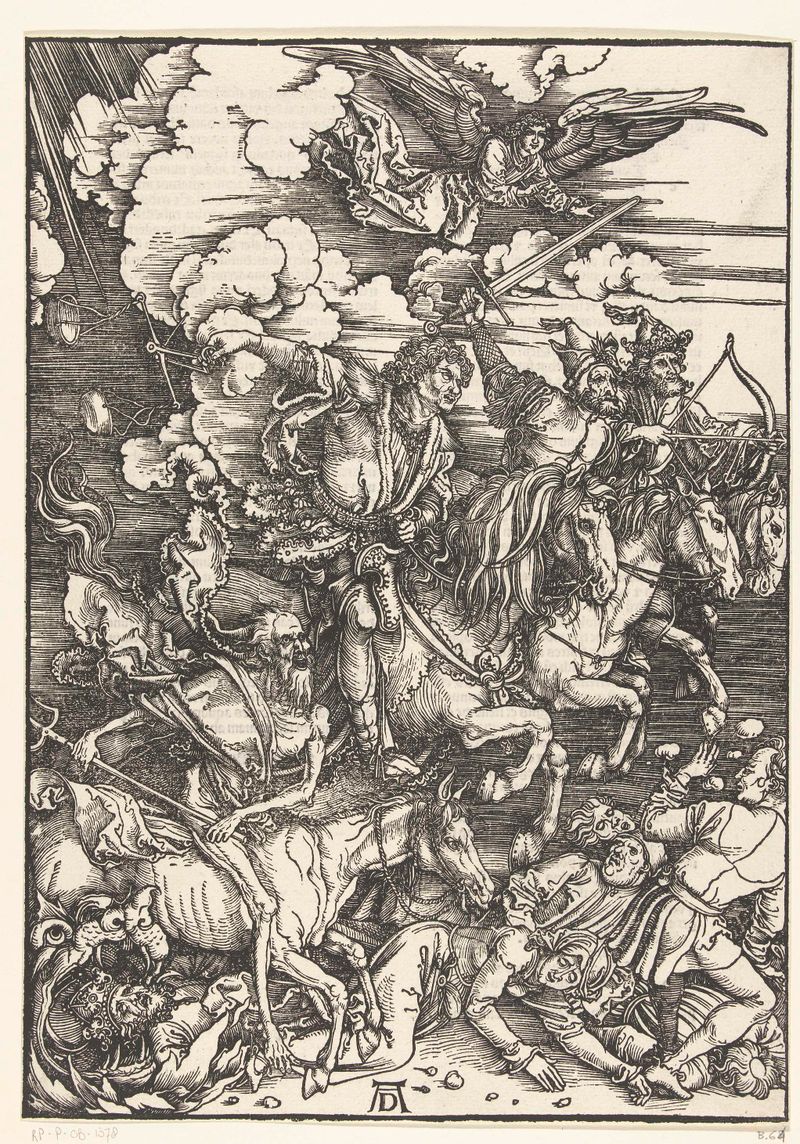
De vier ruiters van de apocalyps
Albrecht Dürer