The Siesta — History & Facts
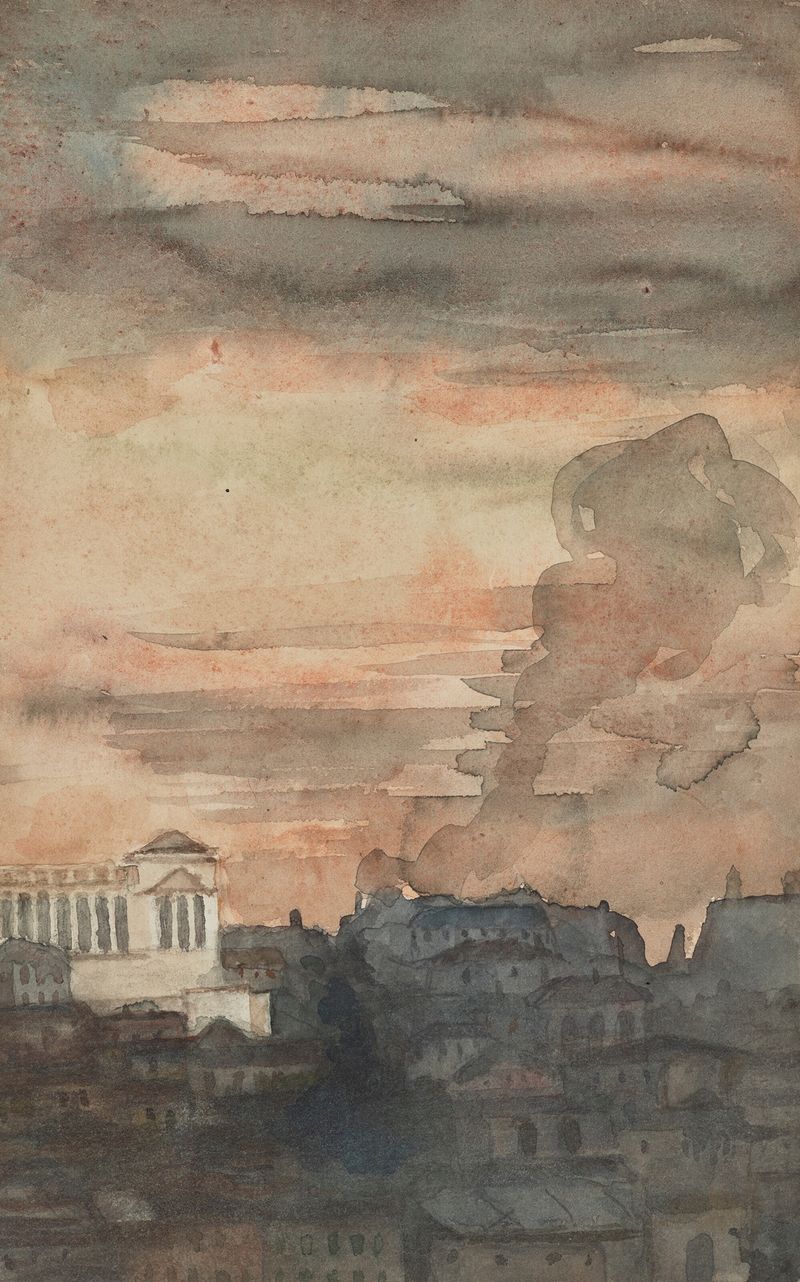
What secret hides in the quiet of the canvas? The interplay of light and shadow reveals more than mere scenery; it beckons the viewer to ponder the stories entangled within the lull of repose. Look to the center of the painting, where the figure reclines, bathed in soft golden light. Your gaze is drawn to the delicate play of sunlight as it filters through leaves, casting intricate patterns on the languid form beneath. The muted palette envelops the scene in tranquility, while the warm tones of ochre and cream evoke a sense of safety and warmth, inviting you into this serene world. Notice the contrast between the vibrant light and the shadowed areas of the canvas, creating a subtle tension that reflects the boundaries between consciousness and slumber.
The figure's relaxed posture speaks of abandonment, while the surrounding elements—a hint of foliage and the gentle curve of the ground—offer a sense of containment, suggesting the boundaries of a personal sanctuary. This duality hints at themes of escape and the fleeting nature of peace amidst the chaos of life. Albert Besnard painted The Siesta during a dynamic period in the art world, between 1890 and 1920, while living in Paris. It was a time marked by the rise of Impressionism and the exploration of light's effects on color.
As Besnard delved into these influences, he sought to merge traditional techniques with a modern sensibility, capturing the essence of everyday life in a way that resonated with contemporary audiences.