The stirrup cup — History & Facts
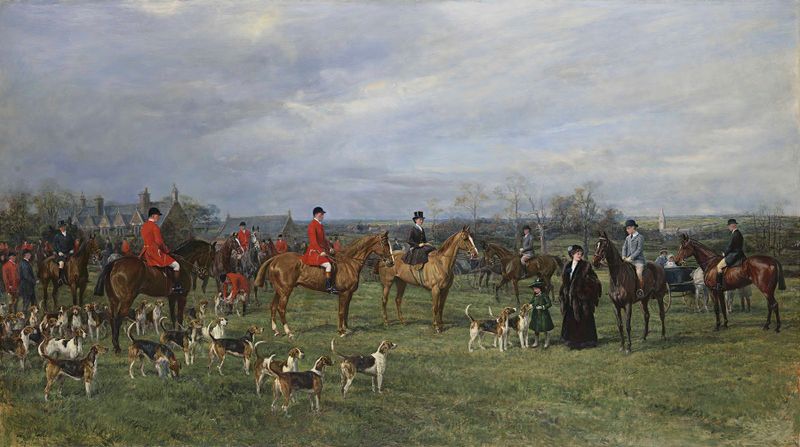
What secret hides in the quiet of the canvas? In a world often laden with noise and haste, the delicate moments of innocence beckon us to pause and observe. Look to the center of the painting, where a young boy holds a cup in his hands, the gentle light illuminating his cherubic face. The softness of his attire, rendered in muted earth tones, contrasts with the vibrant greens of the surrounding landscape, drawing the eye to his expression — a blend of anticipation and trust. The composition is thoughtful; the viewer's gaze flows from the child to the awaiting horse, suggesting a tender yet fleeting encounter between boyhood joy and the call of adventure. Hidden in this serene moment lies an exploration of innocence juxtaposed with the passage of time.
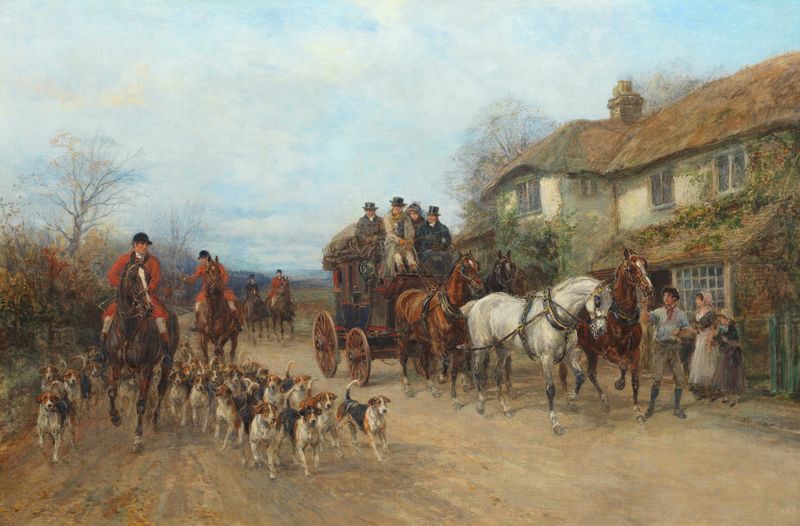
The boy’s gaze towards the horse hints at a yearning for freedom, while the cup he clutches may symbolize both nurture and the bittersweet reality of growing up. The lush background serves as a reminder of the world waiting beyond, teeming with possibilities yet shadowed by the inevitable loss of childhood wonder. Heywood Hardy painted this work during a period when the English countryside was romanticized in art, likely around the turn of the 20th century. As an artist deeply connected to sporting themes, he captured the essence of rural life, emphasizing a simpler innocence that resonated with audiences seeking solace during tumultuous times in the broader world.