
The stoning of St Stephen — History & Facts
In The Stoning of St Stephen, the tumult of violence is transformed into a poignant exploration of human experience and the illusions we create around suffering. Look to the center of the canvas, where the figure of St. Stephen emerges, his face caught in a moment of serene acceptance amidst the chaos. The chiaroscuro technique bathes the scene in dramatic light and shadow, emphasizing the stark contrasts between the fervor of the attackers and the stillness of the saint.
Notice how the figures surrounding him are rendered with vigorous brushwork, their expressions a blend of rage and inevitability, drawing the eye to the vortex of emotion that engulfs the martyr. Delve deeper into the meaning behind this gripping moment; the tension between the raw brutality of his impending fate and the tranquil countenance of St. Stephen speaks to the strength that faith can provide in the face of despair. The foreground is cluttered with hands brandishing stones, each one representing the weight of judgment, while in the background, soft light spills over the rooftops, a symbol of hope and the divine.
This delicate interplay of chaos and grace invites reflection on the nature of sacrifice and the illusions we hold dear amidst our darkest moments. Rembrandt painted this powerful work in 1635, during a time when he was establishing his reputation in Amsterdam. The art world was in flux, with emerging Baroque styles challenging established norms. This piece, rich in emotional depth, reflects not only the artist's mastery of light and form but also his engagement with themes of faith and human resilience, resonating with an audience grappling with the complexities of existence.
More Artworks by Rembrandt van Rijn
Browse all →
The Night Watch Militia Company of District II under the Command of Captain Frans Banninck Cocq
Rembrandt van Rijn

The Return of the Prodigal Son
Rembrandt van Rijn

The Hundred Guilder Print: the figures leaning on the wall in the centre left
Rembrandt van Rijn

The Hundred Guilder Print: the central piece with Christ preaching, the plate arched
Rembrandt van Rijn

Isaac and Rebecca, Known as ‘The Jewish Bride’
Rembrandt van Rijn
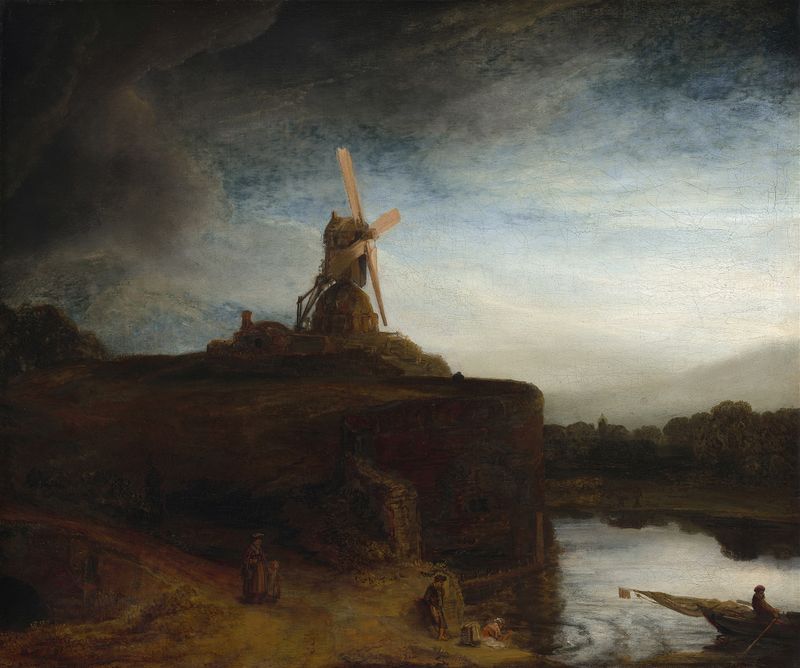
The Mill
Rembrandt van Rijn
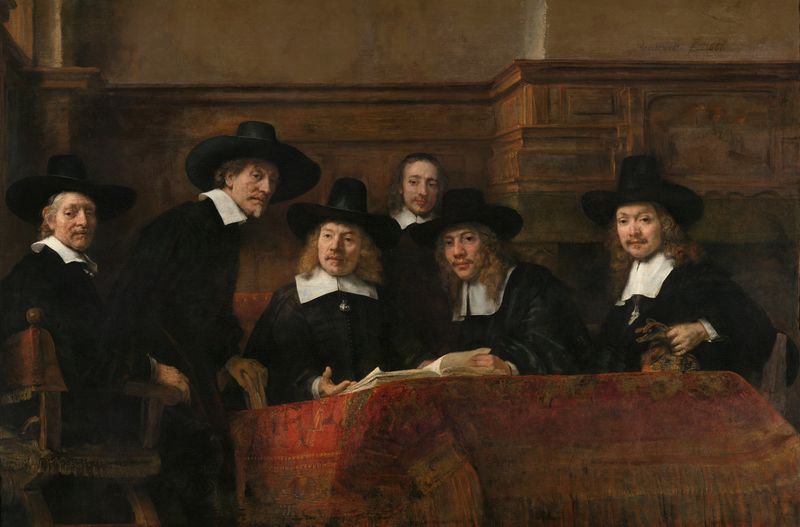
The Sampling Officials of the Amsterdam Drapers’ Guild, Known as ‘The Syndics’
Rembrandt van Rijn

The return of the prodigal son
Rembrandt van Rijn
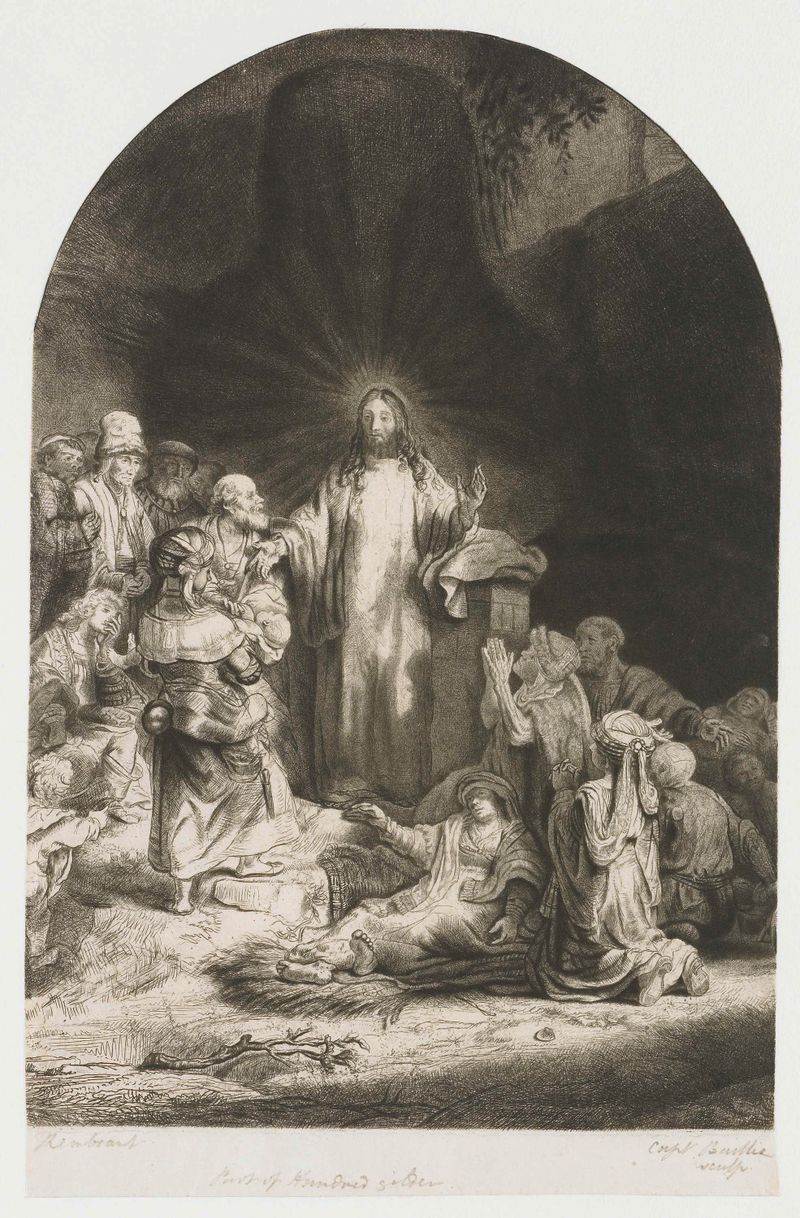
The Hundred Guilder Print: the central piece with Christ preaching, the plate arched
Rembrandt van Rijn
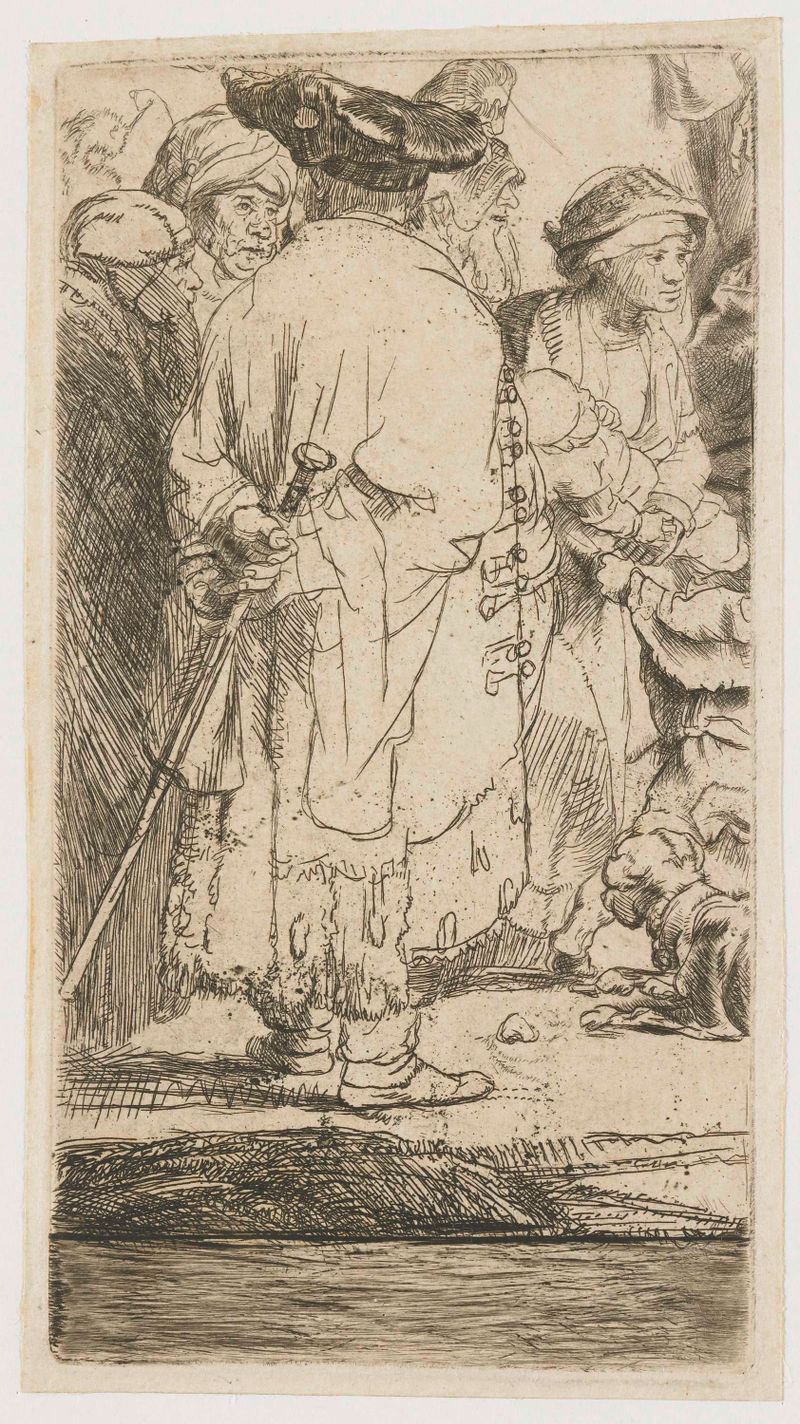
The Hundred Guilder Print: the man seen on the back in the lower left corner
Rembrandt van Rijn
More Religious Art
Browse all →The Return of the Prodigal Son
Rembrandt van Rijn

The Garden of Earthly Delights
El Bosco

Count Orgaz’ funeral
El Greco
The Hundred Guilder Print: the central piece with Christ preaching, the plate arched
Rembrandt van Rijn

The Descent from the Cross
Rogier van der Weyden
The return of the prodigal son
Rembrandt van Rijn