
The stoning of St Stephen — History & Facts
Where does light end, and longing begin? In the delicate interplay of shadow and illumination, the boundaries of existence blur, evoking a profound awareness of mortality. Focus on the deeply expressive faces that dominate the canvas, each one a study in anguish and determination. The light cascades from an unseen source, illuminating the figure of St. Stephen, his serene expression contrasting sharply with the frantic gestures of his persecutors.
Look closely at the rich textures of the clothing and the varying shades of browns and golds, which create a palpable sense of depth and movement, drawing you into this tragic moment. Beneath the overt violence, there is a quiet strength in the composition. The stoning is not merely an act of cruelty; it signifies the clash between faith and despair. The anguished expressions of the crowd speak to a larger narrative of humanity grappling with belief and sacrifice.
Notice the way St. Stephen's gaze seems to pierce through the chaos, embodying a sense of grace that transcends the brutality surrounding him, suggesting a deeper truth about the human condition in the face of adversity. In the late 19th century, Rembrandt was revisiting themes of mortality and spirituality, reflecting on his own life's struggles and losses. This period saw the artist grappling with his legacy, as he sought to capture the essence of suffering and redemption in his work.
The historical backdrop of societal change and the burgeoning modern world influenced his artistic direction, leading to a contemplative exploration of faith and the human spirit in The Stoning of St Stephen.
More Artworks by Rembrandt van Rijn
Browse all →
The Night Watch Militia Company of District II under the Command of Captain Frans Banninck Cocq
Rembrandt van Rijn

The Return of the Prodigal Son
Rembrandt van Rijn

The Hundred Guilder Print: the figures leaning on the wall in the centre left
Rembrandt van Rijn

The Hundred Guilder Print: the central piece with Christ preaching, the plate arched
Rembrandt van Rijn

Isaac and Rebecca, Known as ‘The Jewish Bride’
Rembrandt van Rijn
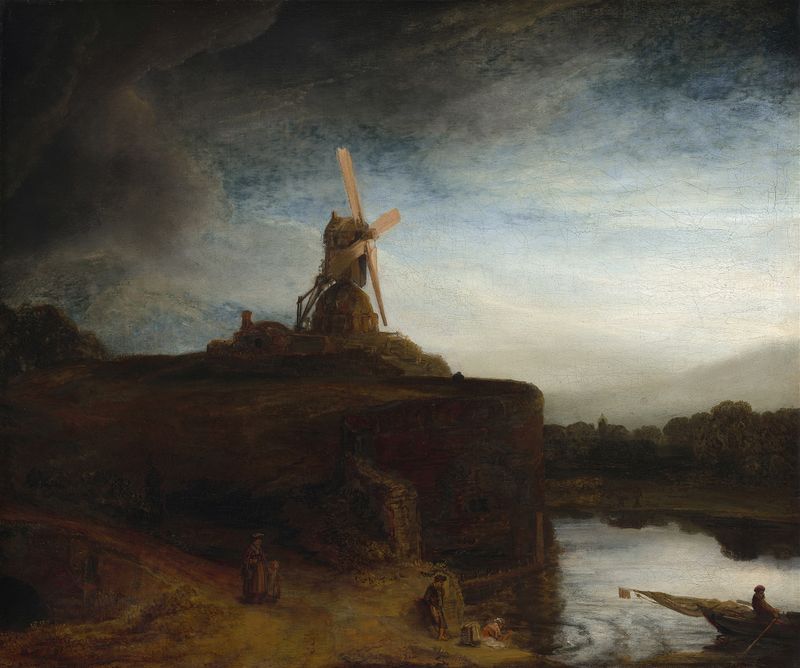
The Mill
Rembrandt van Rijn

The Sampling Officials of the Amsterdam Drapers’ Guild, Known as ‘The Syndics’
Rembrandt van Rijn

The return of the prodigal son
Rembrandt van Rijn
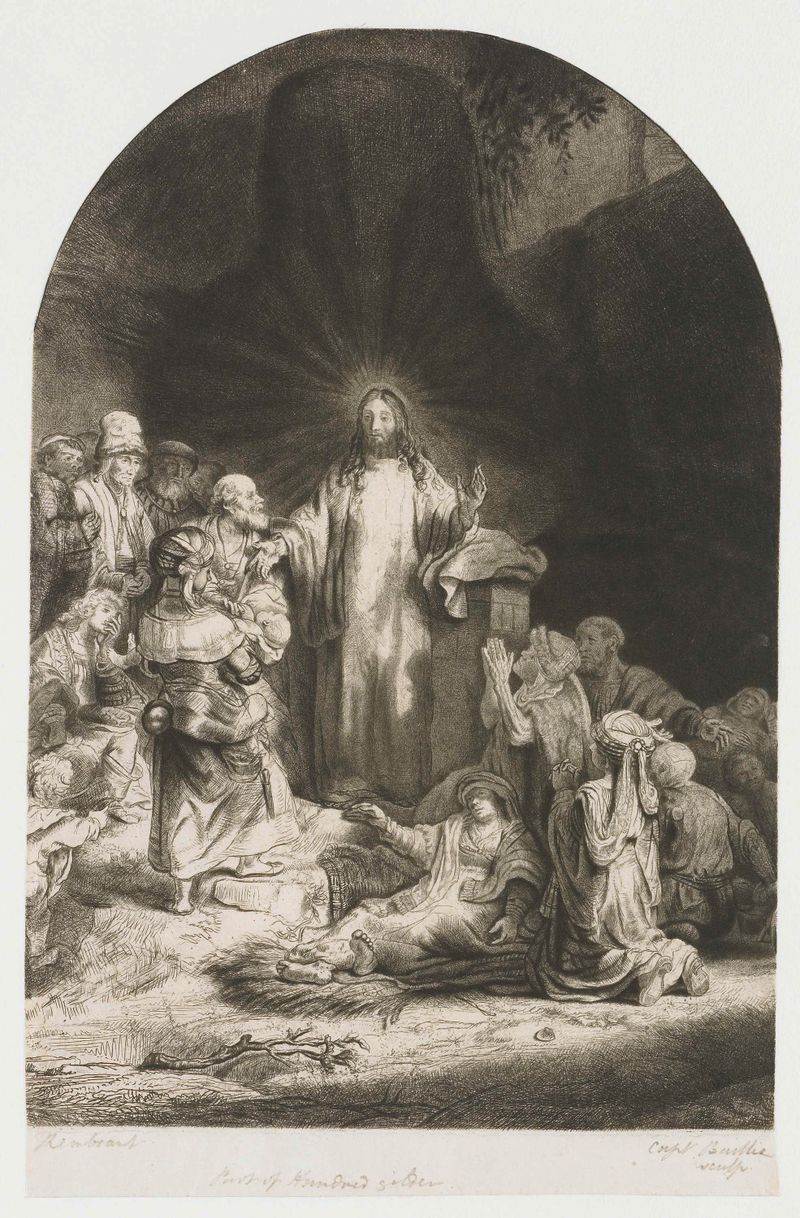
The Hundred Guilder Print: the central piece with Christ preaching, the plate arched
Rembrandt van Rijn

The Hundred Guilder Print: the man seen on the back in the lower left corner
Rembrandt van Rijn
More Religious Art
Browse all →The Return of the Prodigal Son
Rembrandt van Rijn

The Garden of Earthly Delights
El Bosco

Count Orgaz’ funeral
El Greco
The Hundred Guilder Print: the central piece with Christ preaching, the plate arched
Rembrandt van Rijn

The Descent from the Cross
Rogier van der Weyden
The return of the prodigal son
Rembrandt van Rijn