
The Temple of Hera at Paestum, Italy — History & Facts
What secret hides in the quiet of the canvas? Beneath the sunlit sky, a timeless yearning resonates, inviting the viewer to uncover the desires encapsulated within the ancient stones. Look to the left at the towering columns, brilliantly rendered in warm ochres and soft grays. Note how Roed captures the light as it dances between the pillars, tenderly illuminating the texture of the weathered marble. The composition is anchored by the temple's grandeur, drawing the eye upward, while the serene landscape softly cradles the structure, creating a harmonious balance between nature and man-made beauty. As you delve deeper, consider the juxtaposition of permanence and transience—the temple's enduring strength against the ephemeral quality of light.
Each shadow cast evokes a sense of nostalgia, a longing for the past, while the surrounding landscape hints at the relentless passage of time. The absence of people invites contemplation, leaving whispers of history and the desires of those who once revered this sacred place. Jørgen Roed painted this work in 1838 during a period marked by a resurgence of interest in classical antiquity and the sublime beauty of the Italian landscape. Living in Denmark, Roed was influenced by the Romantic movement, which sought to explore emotions and the sublime.
The temple, a remnant of Greek architecture, stands as a testimony to his desire to connect with the past, reflecting a world that revered beauty and sought to immortalize it through art.
More Artworks by Jørgen Roed
Browse all →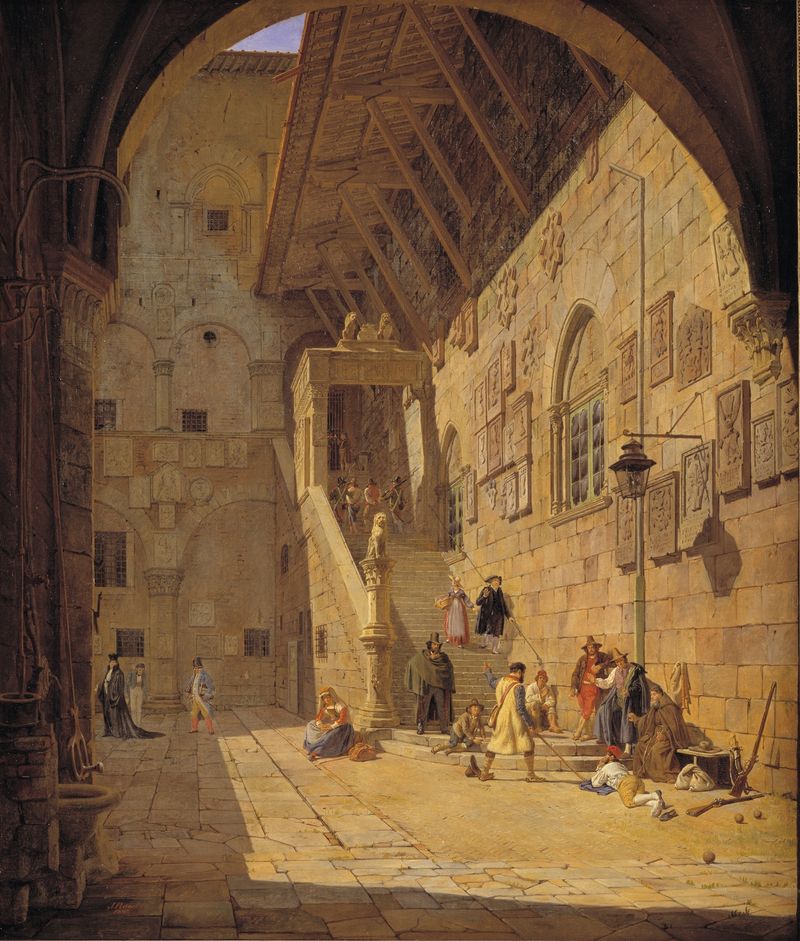
The Courtyard of the Palazzo del Bargello. Florence
Jørgen Roed

The Interior Of Ribe Cathedral
Jørgen Roed
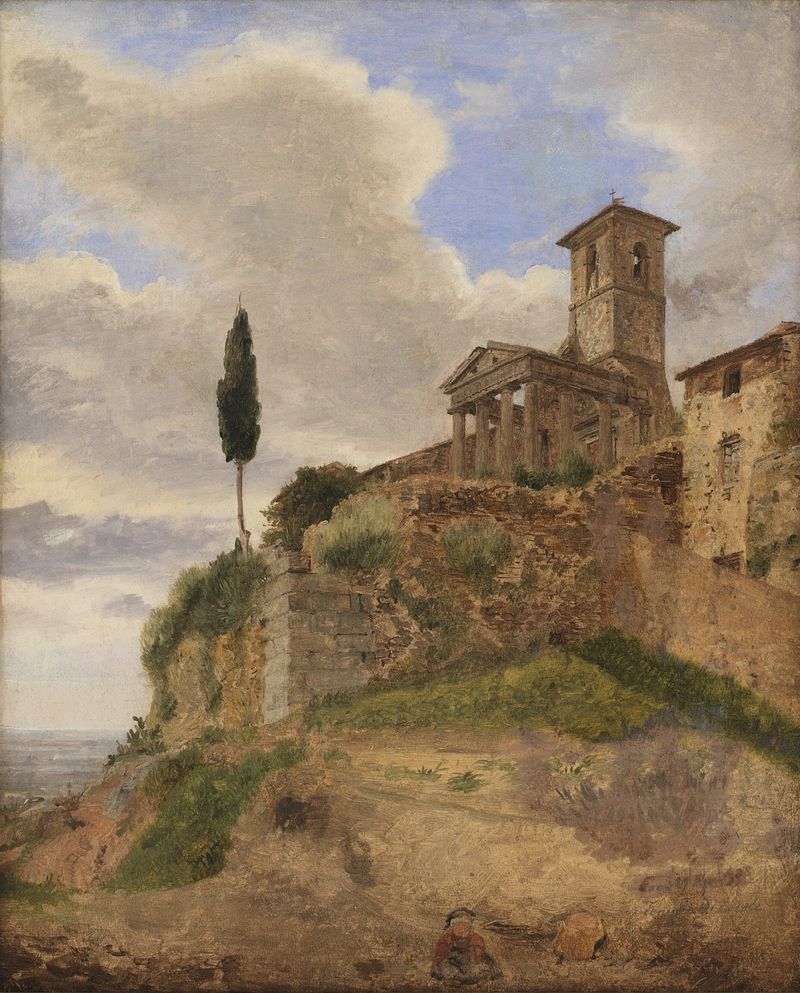
The Temple of Hercules at Cori
Jørgen Roed

Olive Grove from Tivoli near Rome
Jørgen Roed
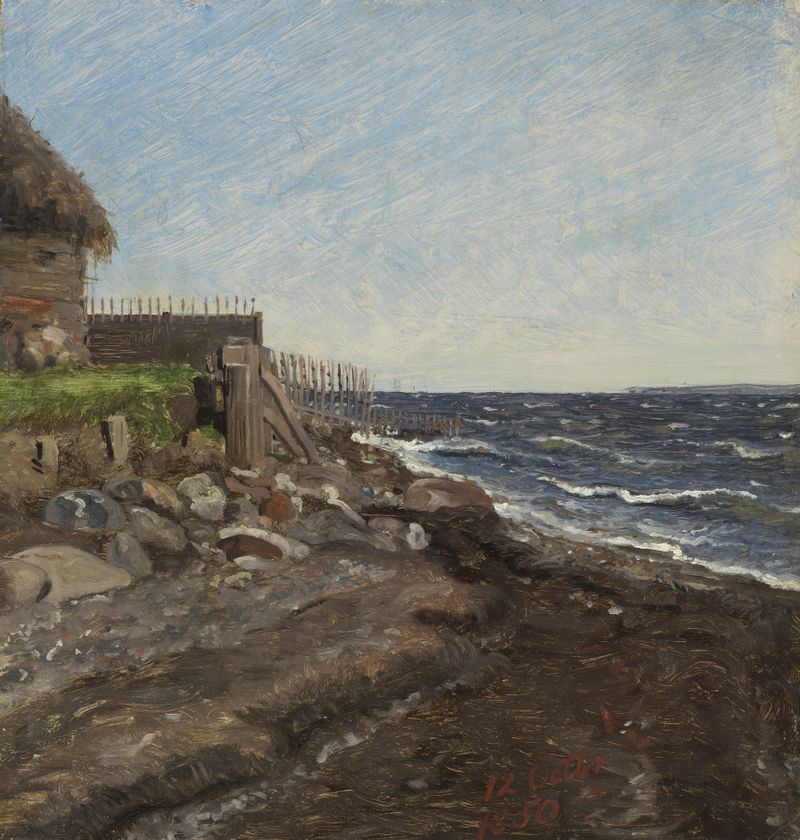
The Coast at Hellebæk. Study
Jørgen Roed
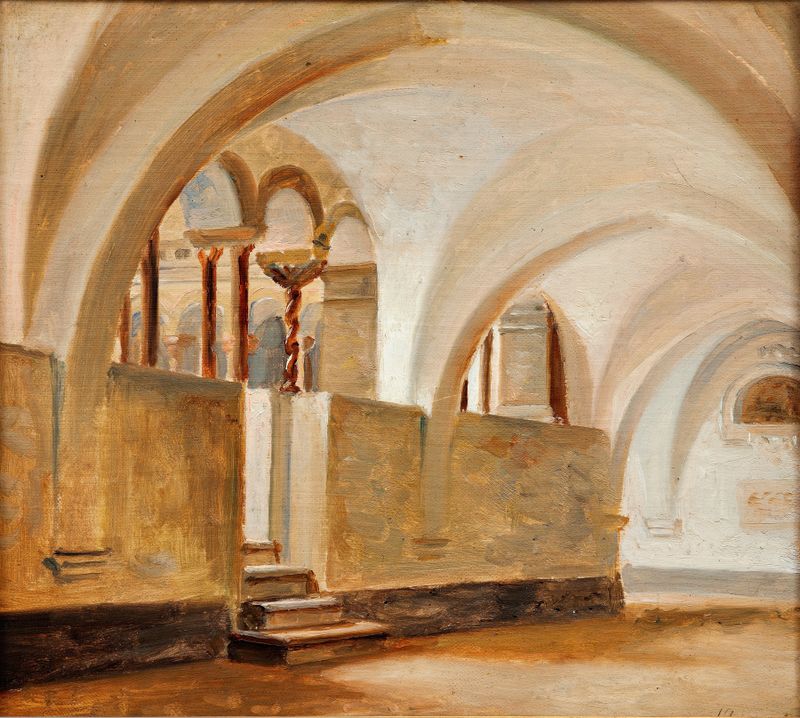
Italian Courtyard
Jørgen Roed
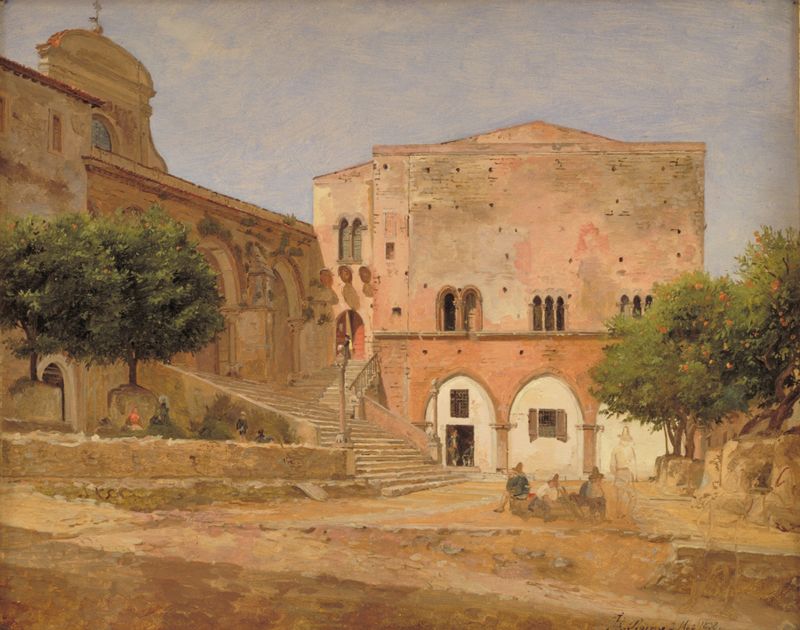
The Market Place in Priverno
Jørgen Roed
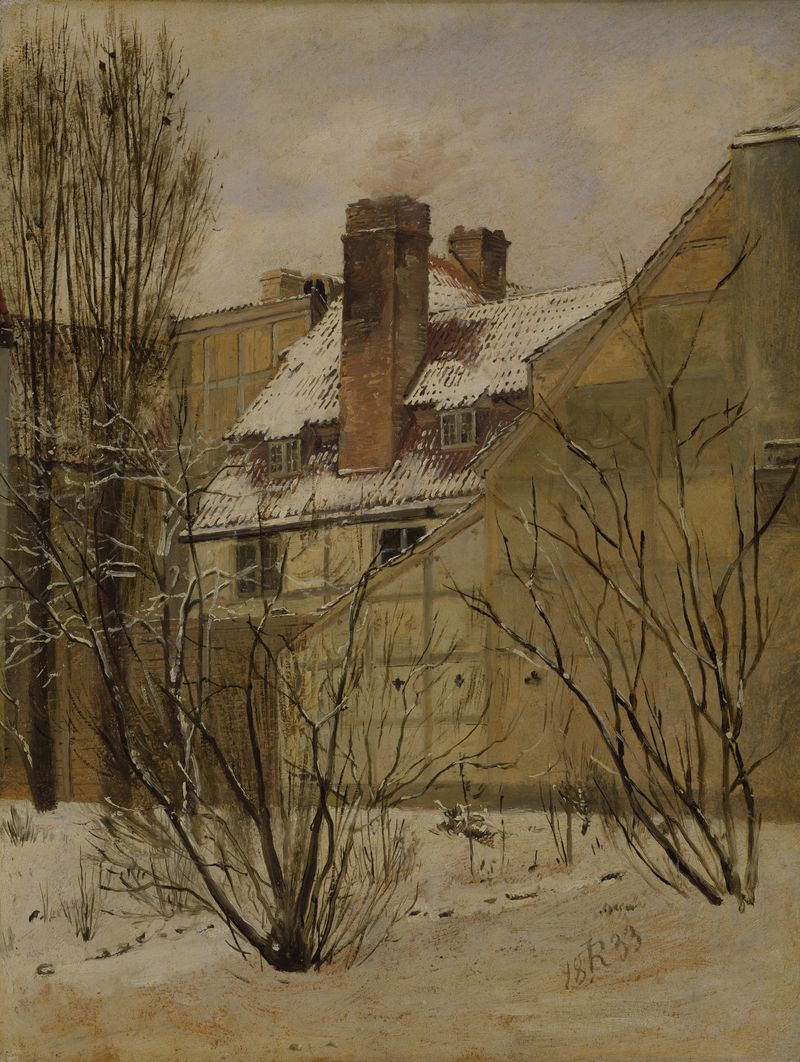
From Collin’s Garden in Copenhagen
Jørgen Roed
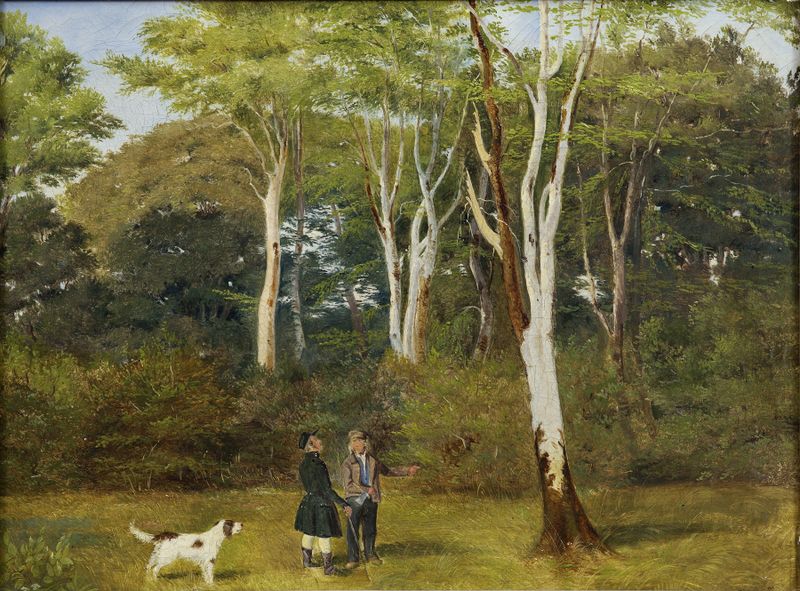
Selecting Trees for Felling
Jørgen Roed
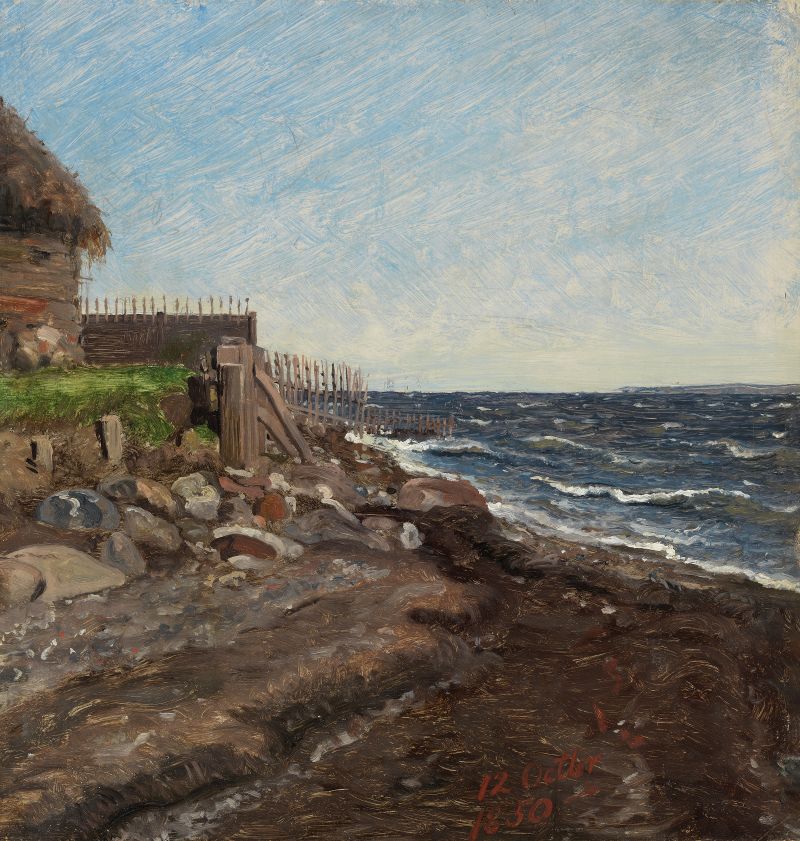
The Coast at Hellebæk. Study
Jørgen Roed
More Architecture Art
Browse all →
The statue of Liberty
Frédéric Auguste Bartholdi

View of Houses in Delft, Known as ‘The Little Street’
Johannes Vermeer

View of Houses in Delft, Known as ‘The Little Street’
Johannes Vermeer

The Cathedral in Rouen. The portal, Grey Weather
Claude Monet

The yellow house
Vincent van Gogh

The Church in Auvers-sur-Oise, View from the Chevet
Vincent van Gogh