
The Temple of Hercules at Cori — History & Facts
In the shadows of ancient columns, madness whispers through the echoes of time, revealing the duality of beauty and decay. Look to the left at the haunting ruins of the Temple of Hercules, where fragmented pillars stretch toward a pale sky. The artist employs delicate brushstrokes to capture the weathered texture of stone, contrasting it against the vibrant greens of creeping vines. Notice how the light gracefully filters through the gaps, illuminating the sacred space yet leaving larger areas shrouded in shadow, evoking a sense of mystery and contemplation. This juxtaposition reveals a deeper tension — the struggle between the divine and the forgotten.
The temple, once a symbol of reverence, now stands as a testament to the passage of time and the madness that accompanies humanity's hubris. The lush greenery creeping through the cracks embodies nature's reclaiming force, suggesting that even sacred places cannot escape the inevitability of decay. Such contrasts provoke reflections on our own fragility against the backdrop of eternity. In 1838, Jørgen Roed painted this scene during a time when Romanticism was shaping artistic expression throughout Europe.
He found inspiration in the ruins of Italy, reflecting a fascination with the sublime and the interplay of history and nature. Roed’s work emerged as he navigated his own artistic journey, exploring themes of nostalgia and the transience of life, allowing the viewer to witness the complex beauty inherent in decay.
More Artworks by Jørgen Roed
Browse all →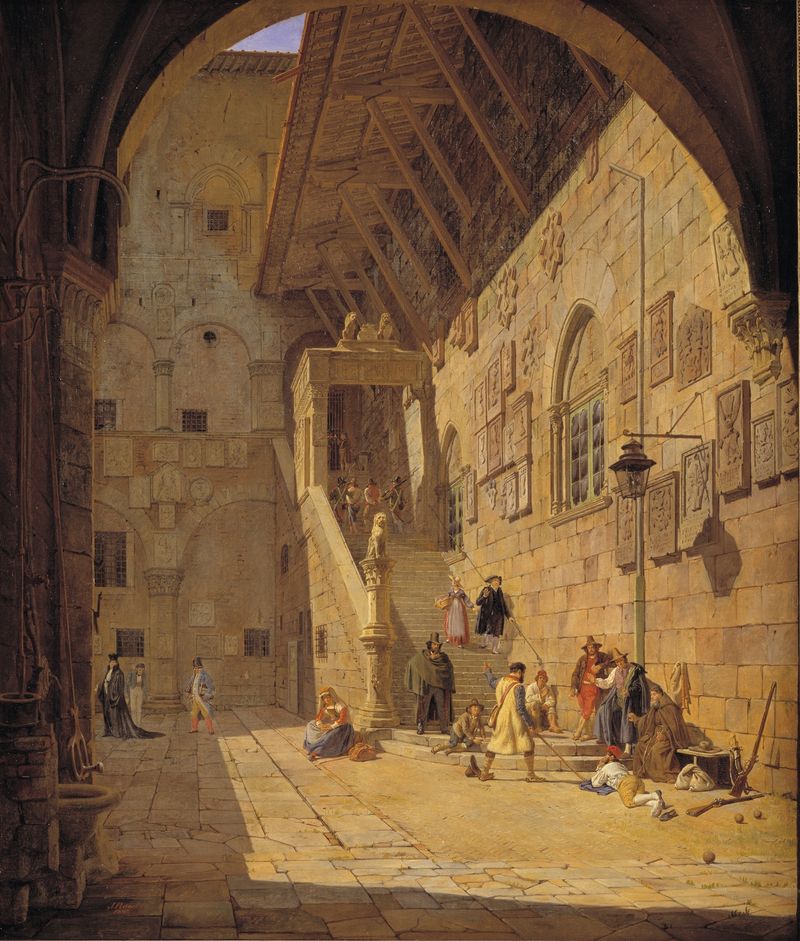
The Courtyard of the Palazzo del Bargello. Florence
Jørgen Roed

The Temple of Hera at Paestum, Italy
Jørgen Roed

The Interior Of Ribe Cathedral
Jørgen Roed

Olive Grove from Tivoli near Rome
Jørgen Roed
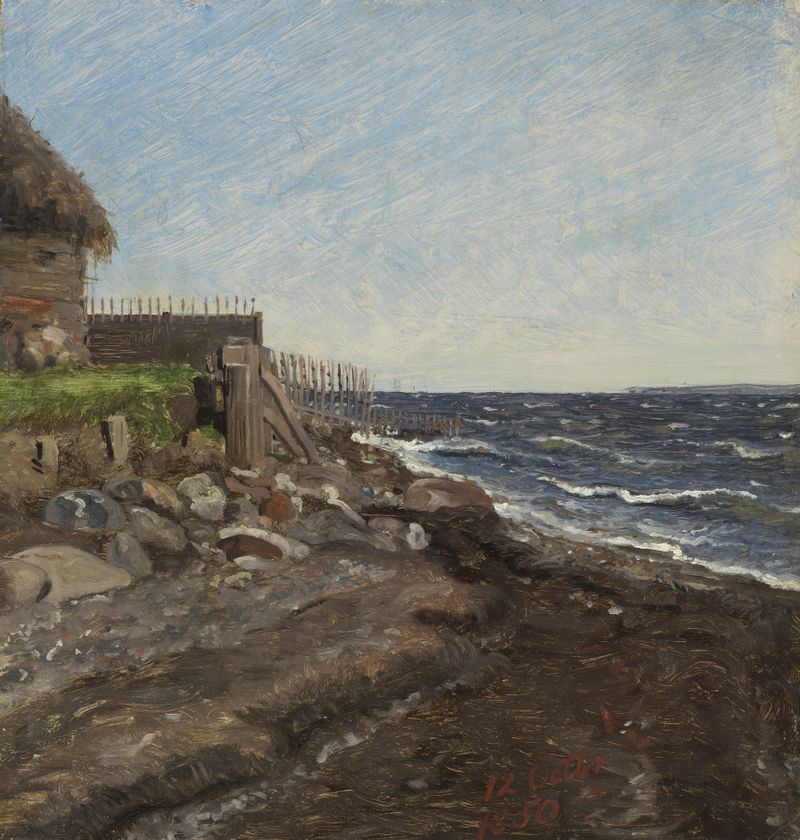
The Coast at Hellebæk. Study
Jørgen Roed
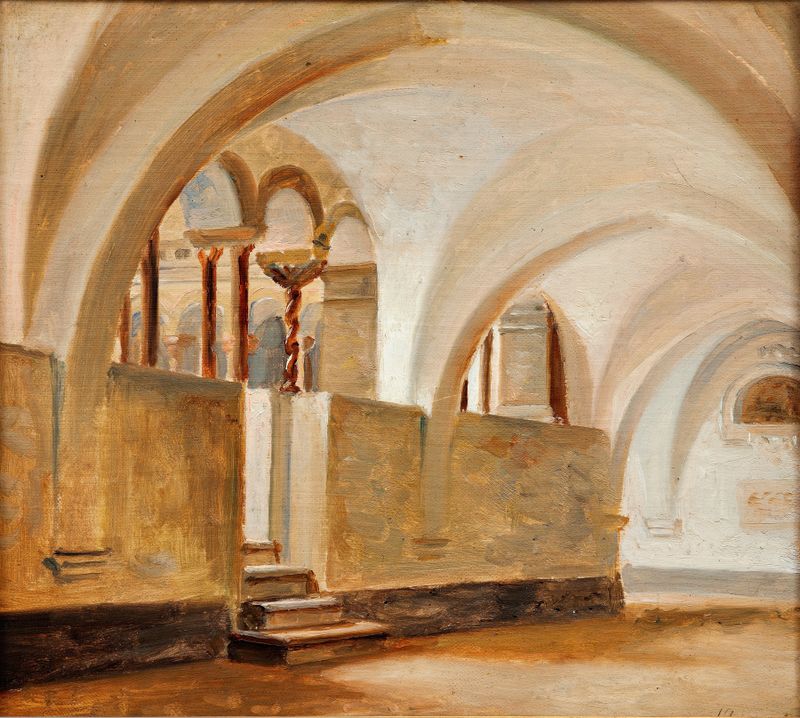
Italian Courtyard
Jørgen Roed
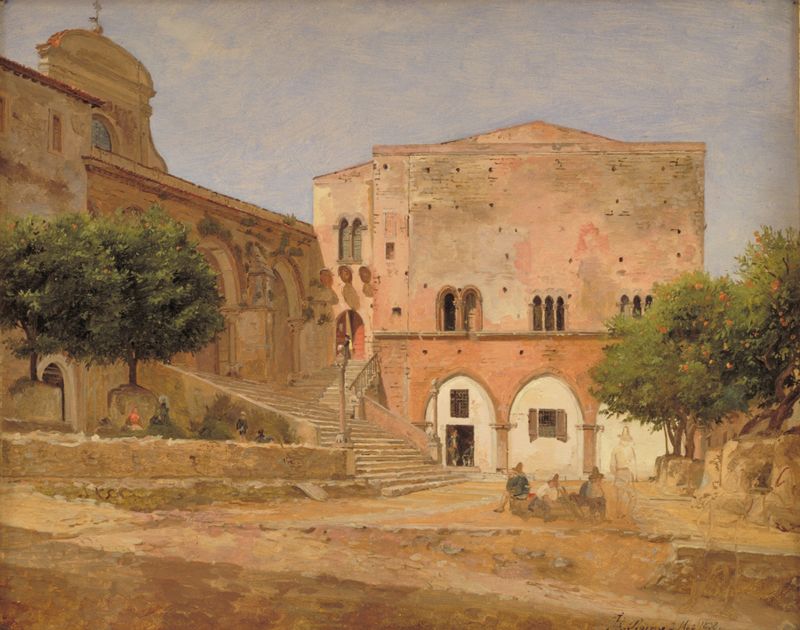
The Market Place in Priverno
Jørgen Roed
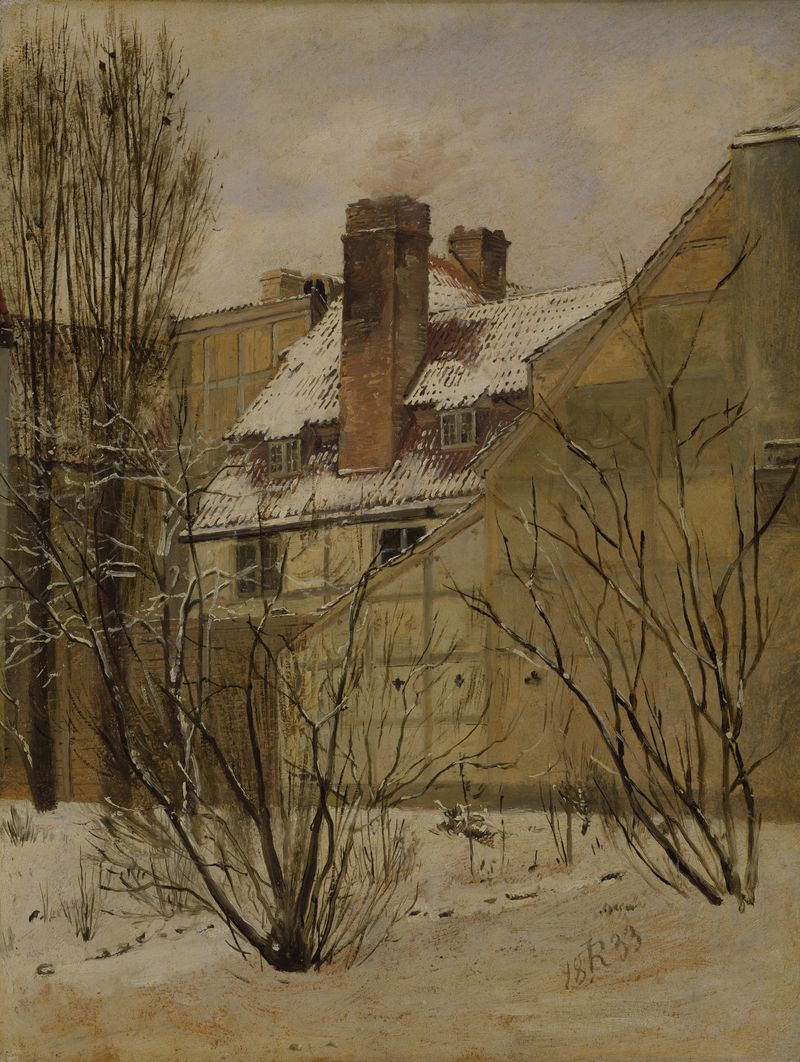
From Collin’s Garden in Copenhagen
Jørgen Roed
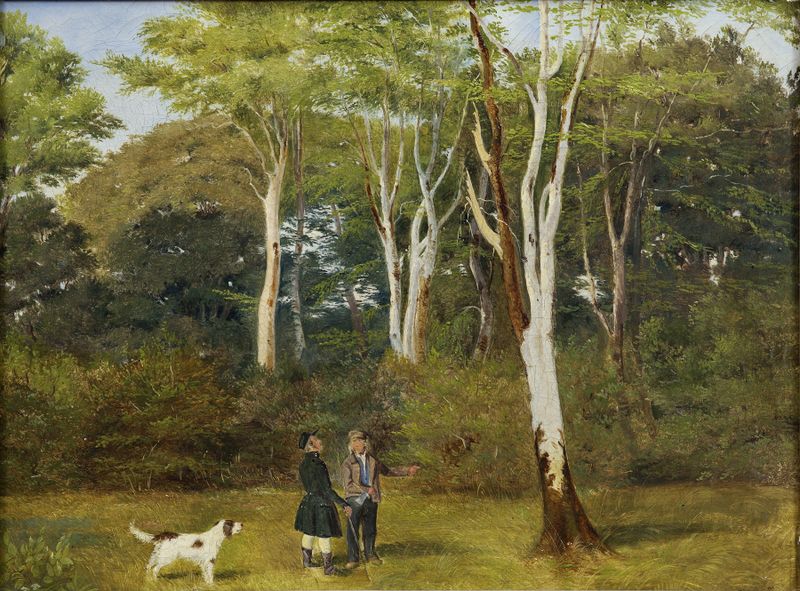
Selecting Trees for Felling
Jørgen Roed
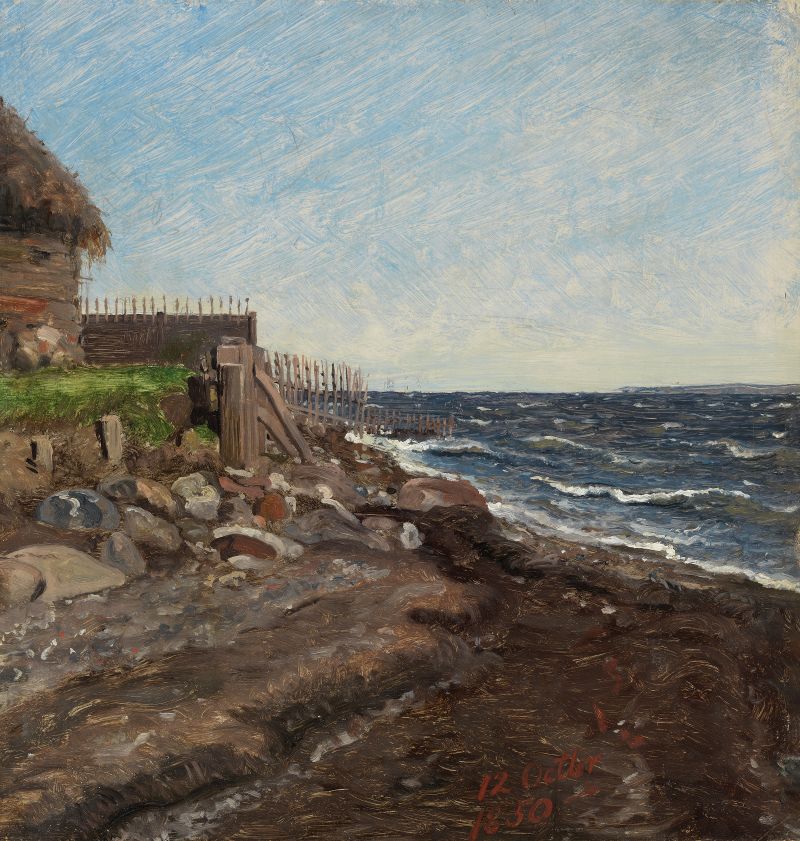
The Coast at Hellebæk. Study
Jørgen Roed





