
The Coast at Hellebæk. Study — History & Facts
What if beauty was never meant to be finished? In Jørgen Roed's The Coast at Hellebæk. Study, we encounter an ephemeral moment suspended between the immediate and the eternal, where nature reveals its grace not as a finished masterpiece, but as a fleeting glimpse of yearning. Focus your gaze toward the horizon, where the calm waters meet the sky, painted in soft blues and muted greens. Notice how the delicate brushstrokes evoke the gentle lapping of waves against the shore, creating a sense of movement within the stillness.
The light dances across the surface of the water, capturing the essence of a tranquil afternoon, while the subtle variations in color bring depth to the landscape, guiding your eyes toward the distant cliffs that frame this serene coastal scene. Yet, beneath this tranquil façade lies a contrast of emotions. The serene beauty is tinged with a profound sense of longing, as if the landscape itself yearns for connection and permanence. Observe the subtle interplay of light and shadow, suggesting the passage of time and the ephemeral nature of our existence.
Each detail, from the soft grasses swaying in the breeze to the distant figures dotting the shore, whispers of the delicate balance between tranquility and the relentless march of time. In 1850, Roed painted this work during a period of transition in Scandinavian art, as Romanticism began to intertwine with a growing appreciation for naturalism. He found inspiration in the coastal landscapes of Denmark, where his deep attachment to nature would inform his artistic vision. This study reflects both a personal exploration of beauty and a broader artistic movement that sought to capture the essence of the natural world with authenticity and emotion.
More Artworks by Jørgen Roed
Browse all →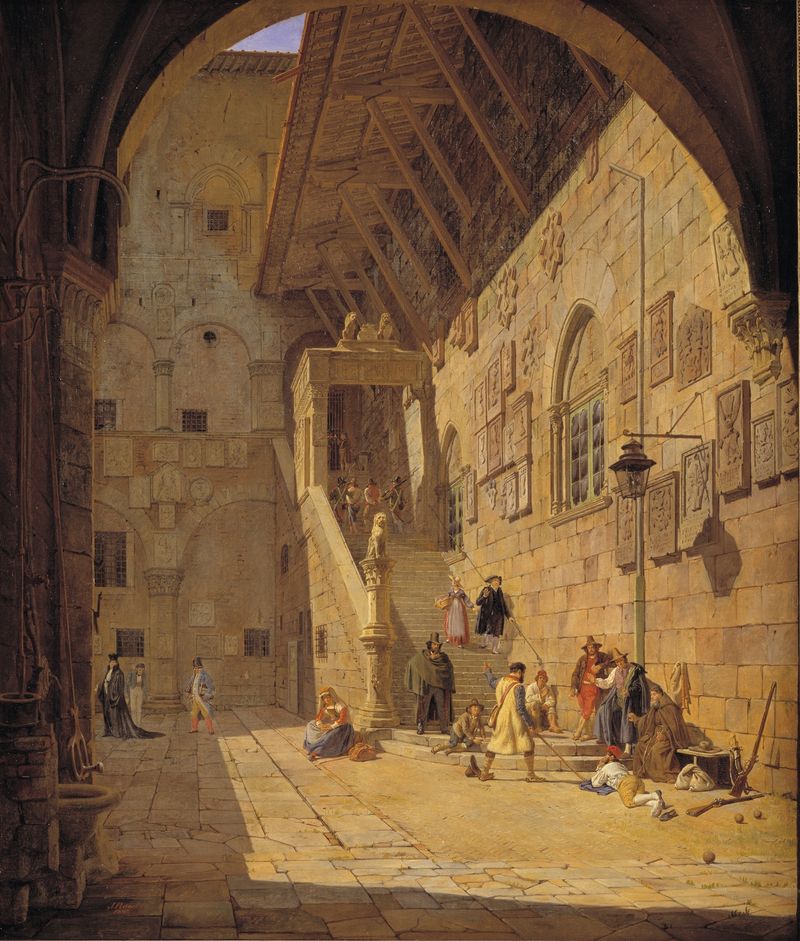
The Courtyard of the Palazzo del Bargello. Florence
Jørgen Roed

The Temple of Hera at Paestum, Italy
Jørgen Roed

The Interior Of Ribe Cathedral
Jørgen Roed
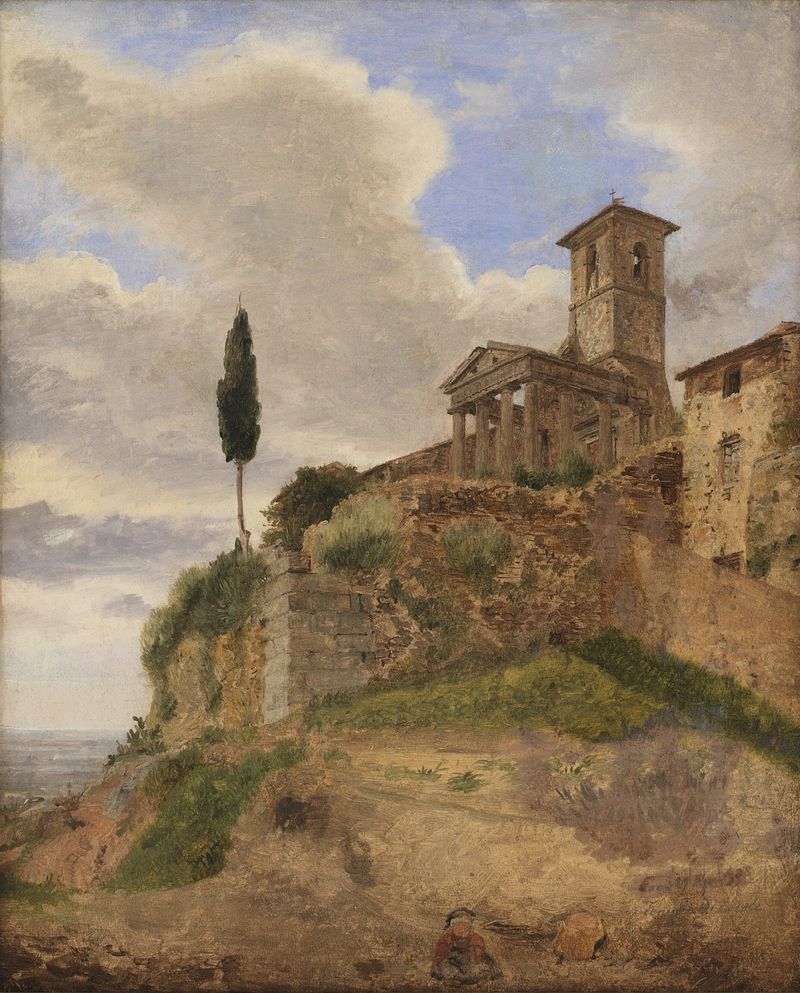
The Temple of Hercules at Cori
Jørgen Roed

Olive Grove from Tivoli near Rome
Jørgen Roed
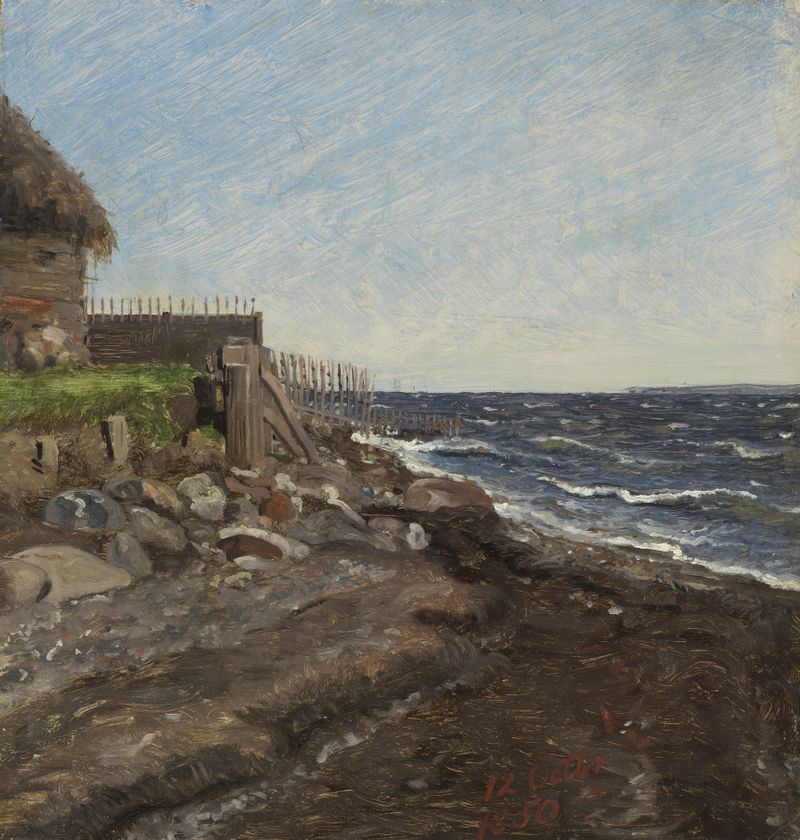
The Coast at Hellebæk. Study
Jørgen Roed
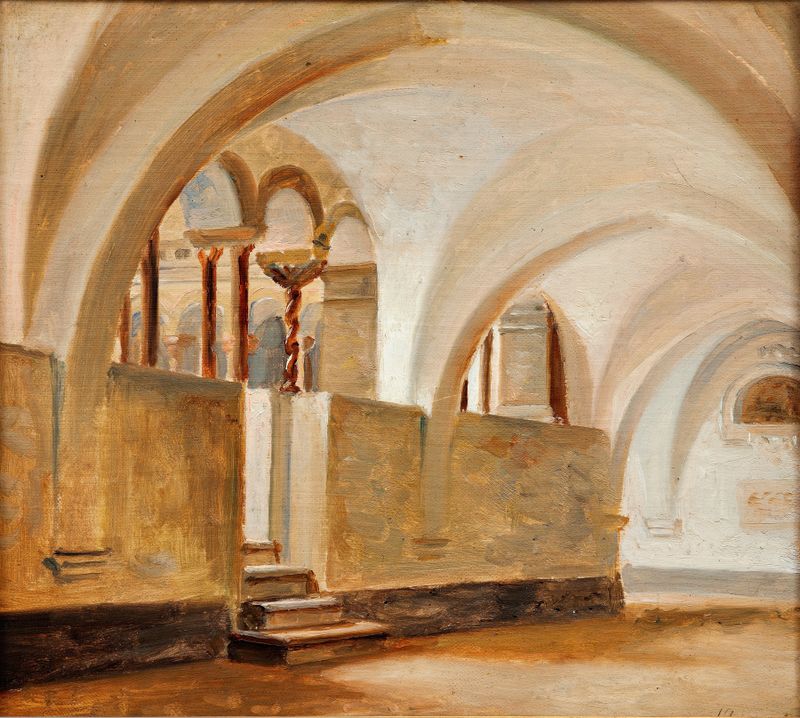
Italian Courtyard
Jørgen Roed
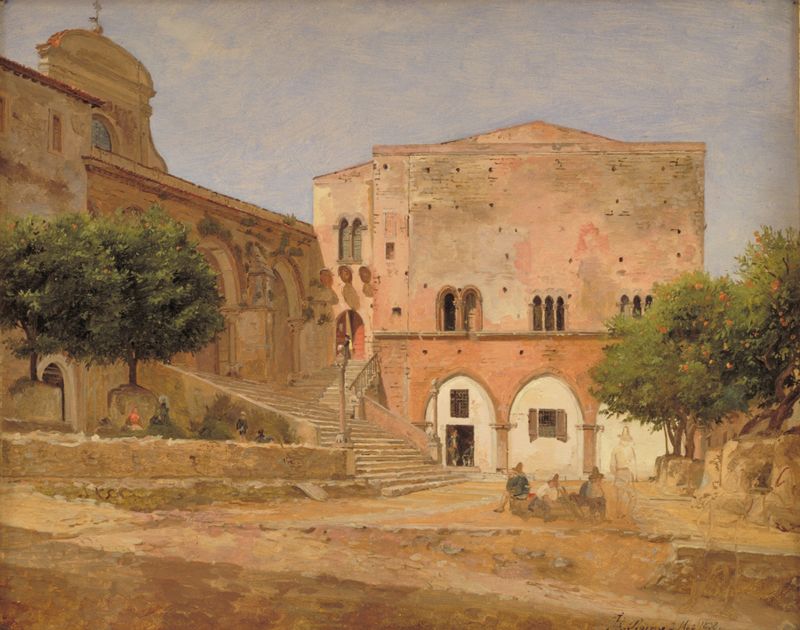
The Market Place in Priverno
Jørgen Roed
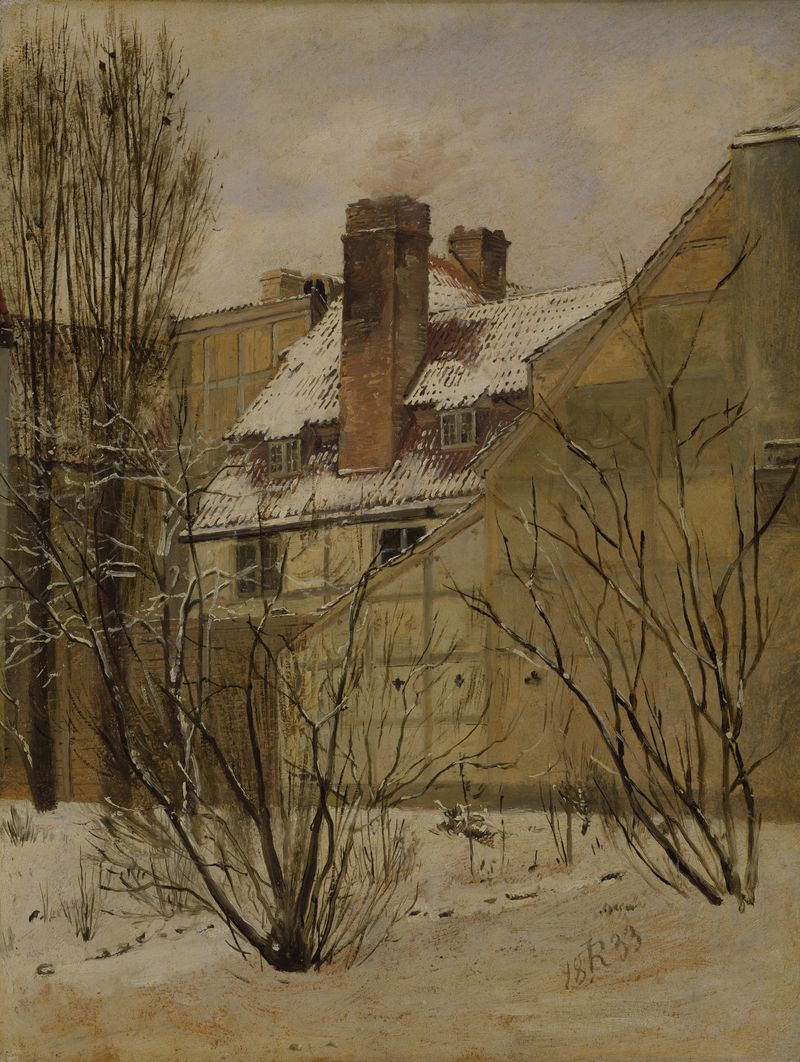
From Collin’s Garden in Copenhagen
Jørgen Roed
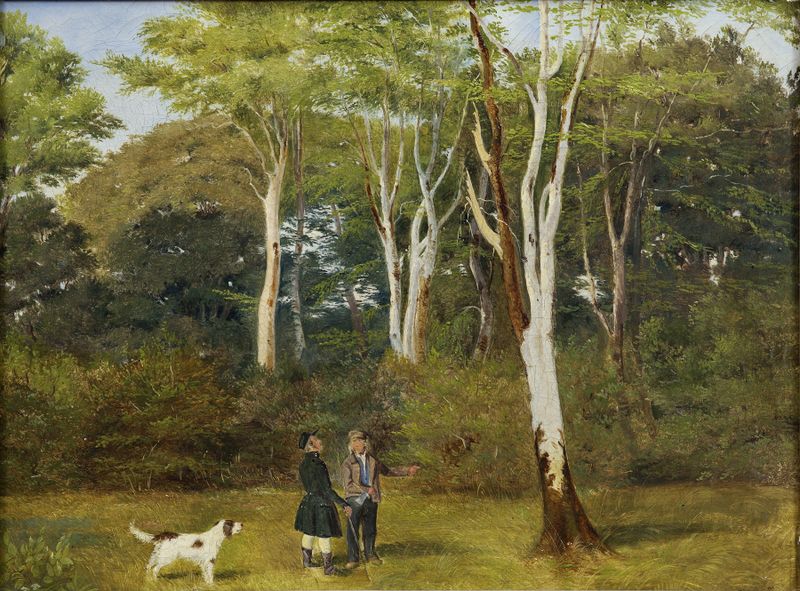
Selecting Trees for Felling
Jørgen Roed





