
The Temple of Zeus — History & Facts
In The Temple of Zeus, vivid contrasts evoke an unsettling tension between grandeur and vulnerability, inviting the viewer to contemplate the deeper narratives hidden within its elegance. Look to the left at the towering columns, their majestic forms rising toward a sky washed in soft pastels. Notice how the sunlight filters through the delicate clouds, casting a golden glow that caresses the stone and hints at the reverence once held for this ancient site. The meticulous brushwork reveals a harmony of light and shadow, while the serene landscape encircles the temple, suggesting a timelessness that juxtaposes the fleeting nature of human endeavors. Yet, beneath this veneer of splendor lies an undercurrent of violence, evident in the crumbling ruins that speak of forgotten worship and the passage of time.
The juxtaposition of the temple's stoic presence against the encroaching decay serves as a reminder of the fragility of human triumph. This tension invites introspection, urging viewers to question the cost of beauty and the history entwined in these hallowed stones. Martinus Rørbye painted this work between 1835 and 1836 while traveling through Greece, a period when there was heightened interest in classical antiquity. As European artists grappled with Romantic ideals, this piece reflects Rørbye’s fascination with capturing the sublime beauty of ancient ruins and the emotions they evoke amidst a rapidly evolving contemporary world.
More Artworks by Martinus Rørbye
Browse all →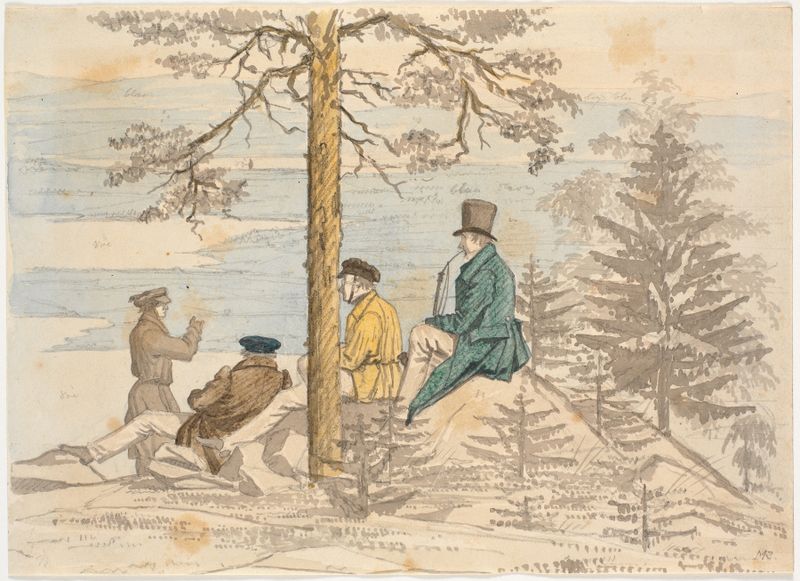
Fire mænd betragter udsigten fra Holmekollen
Martinus Rørbye
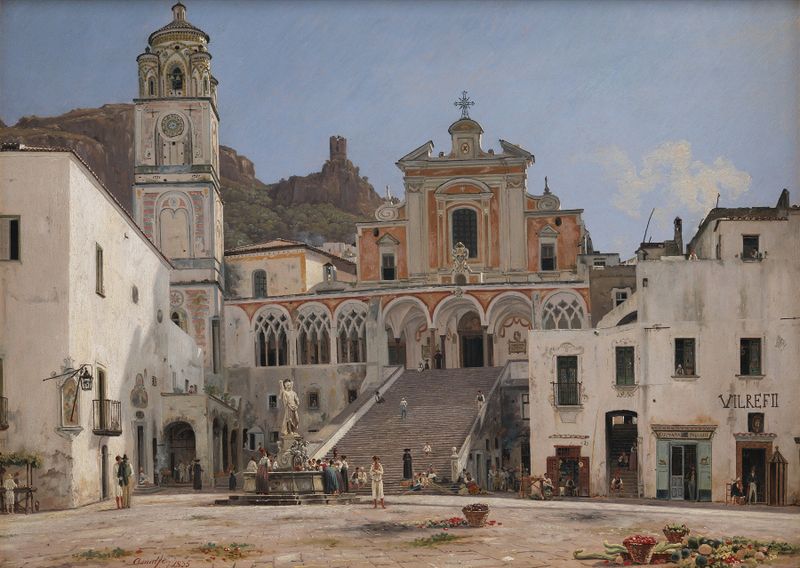
View of the Square in Amalfi
Martinus Rørbye
A Courtyard in Rome. Copy after Eckersberg
Martinus Rørbye
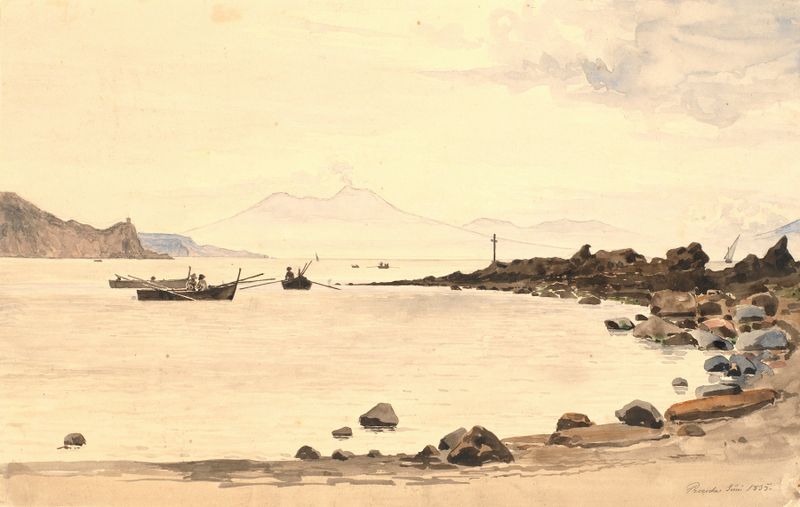
Udsigt mod Vesuv fra Procida
Martinus Rørbye
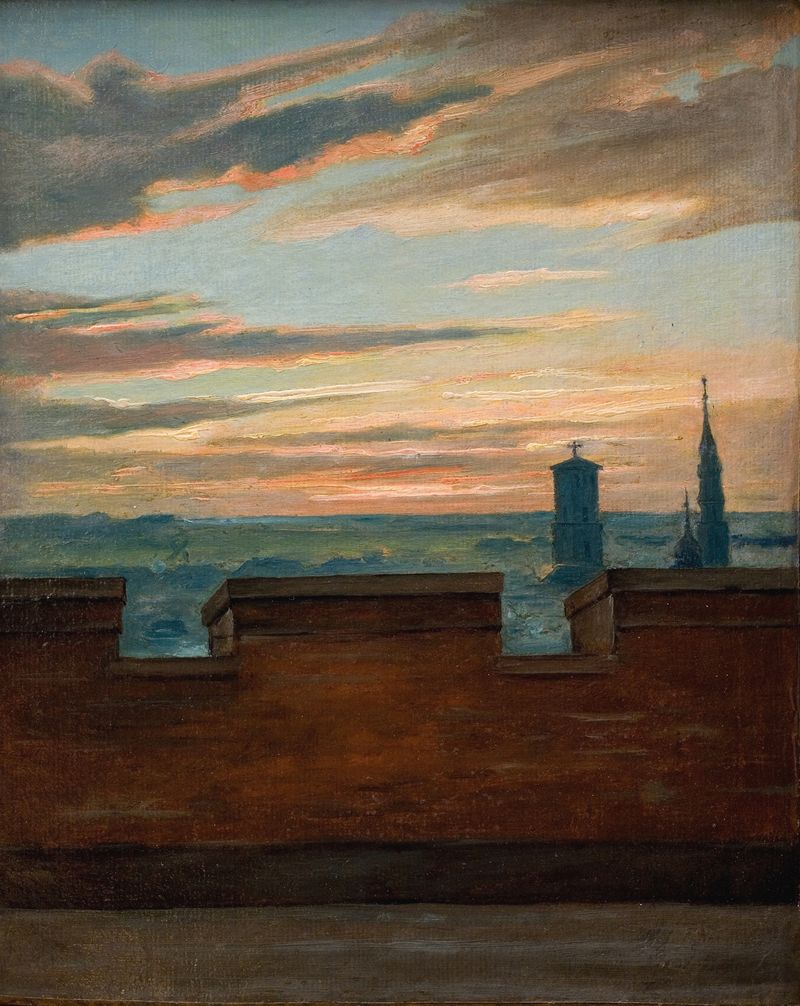
View of Copenhagen at Sunset
Martinus Rørbye
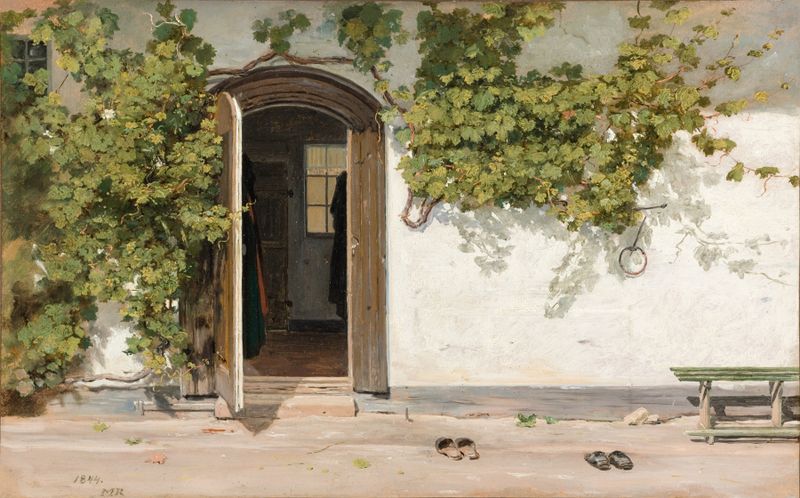
Entrance to an Inn in the Praestegarden at Hillested
Martinus Rørbye
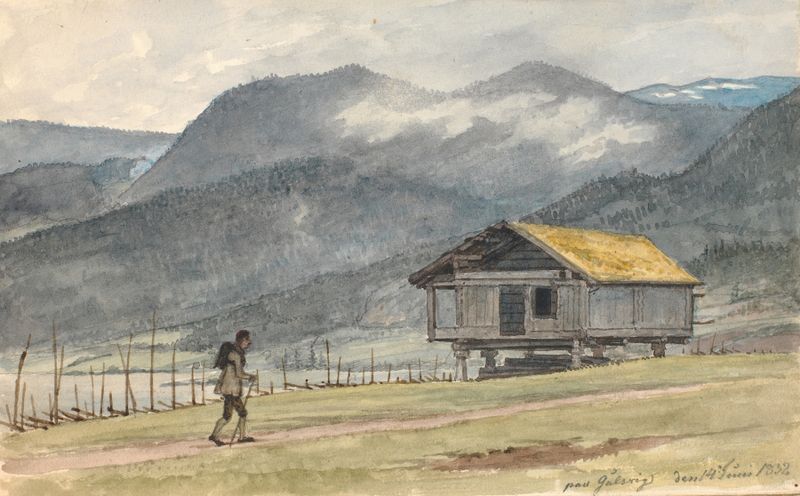
Fjeldlandskab med hytte og vandrer
Martinus Rørbye
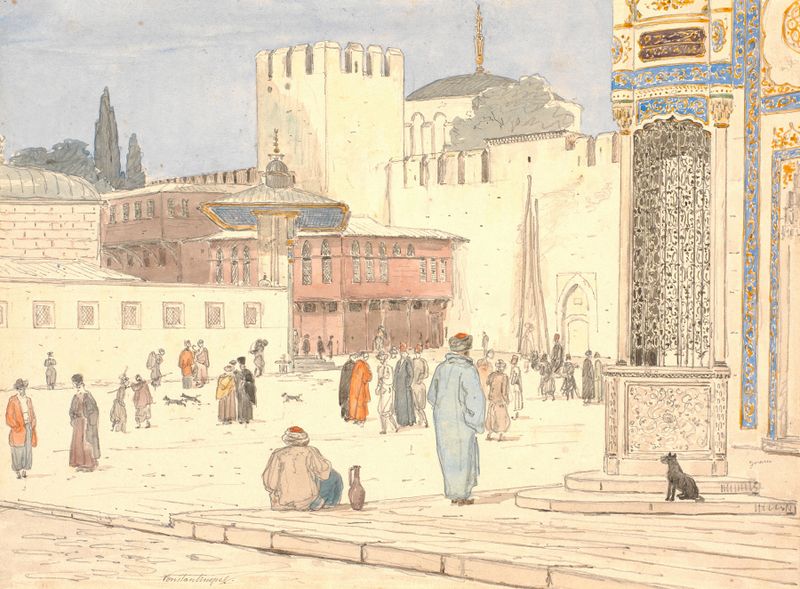
The Square in Front of Bab-i-Hümayan in Constantinople
Martinus Rørbye
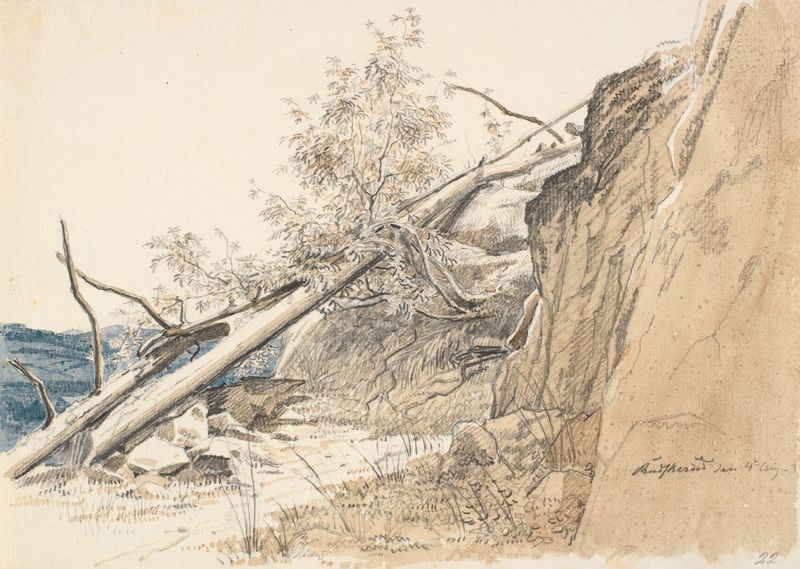
Tree Trunk Leaning Against a Rock. Norway
Martinus Rørbye
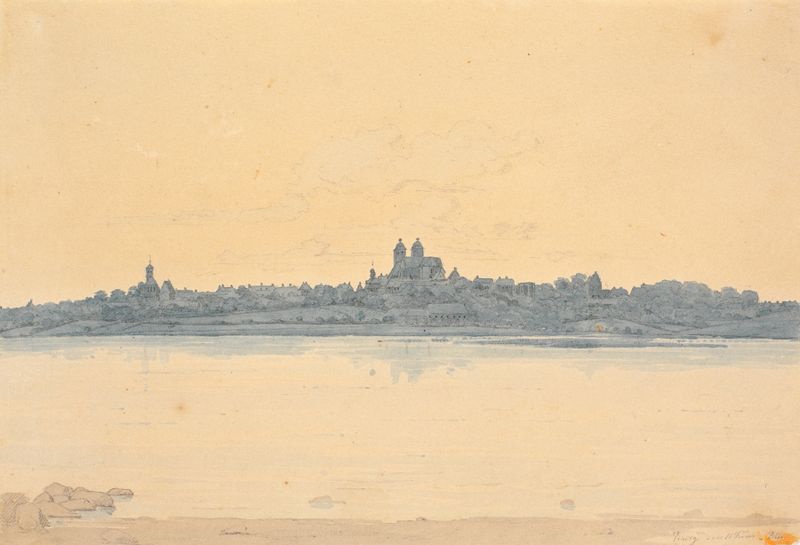
Viborg Seen from Asmild Klosterhave near Søndersø
Martinus Rørbye
More Architecture Art
Browse all →
The statue of Liberty
Frédéric Auguste Bartholdi

View of Houses in Delft, Known as ‘The Little Street’
Johannes Vermeer

View of Houses in Delft, Known as ‘The Little Street’
Johannes Vermeer

The Cathedral in Rouen. The portal, Grey Weather
Claude Monet

The yellow house
Vincent van Gogh

The Church in Auvers-sur-Oise, View from the Chevet
Vincent van Gogh