The Terrace — History & Facts
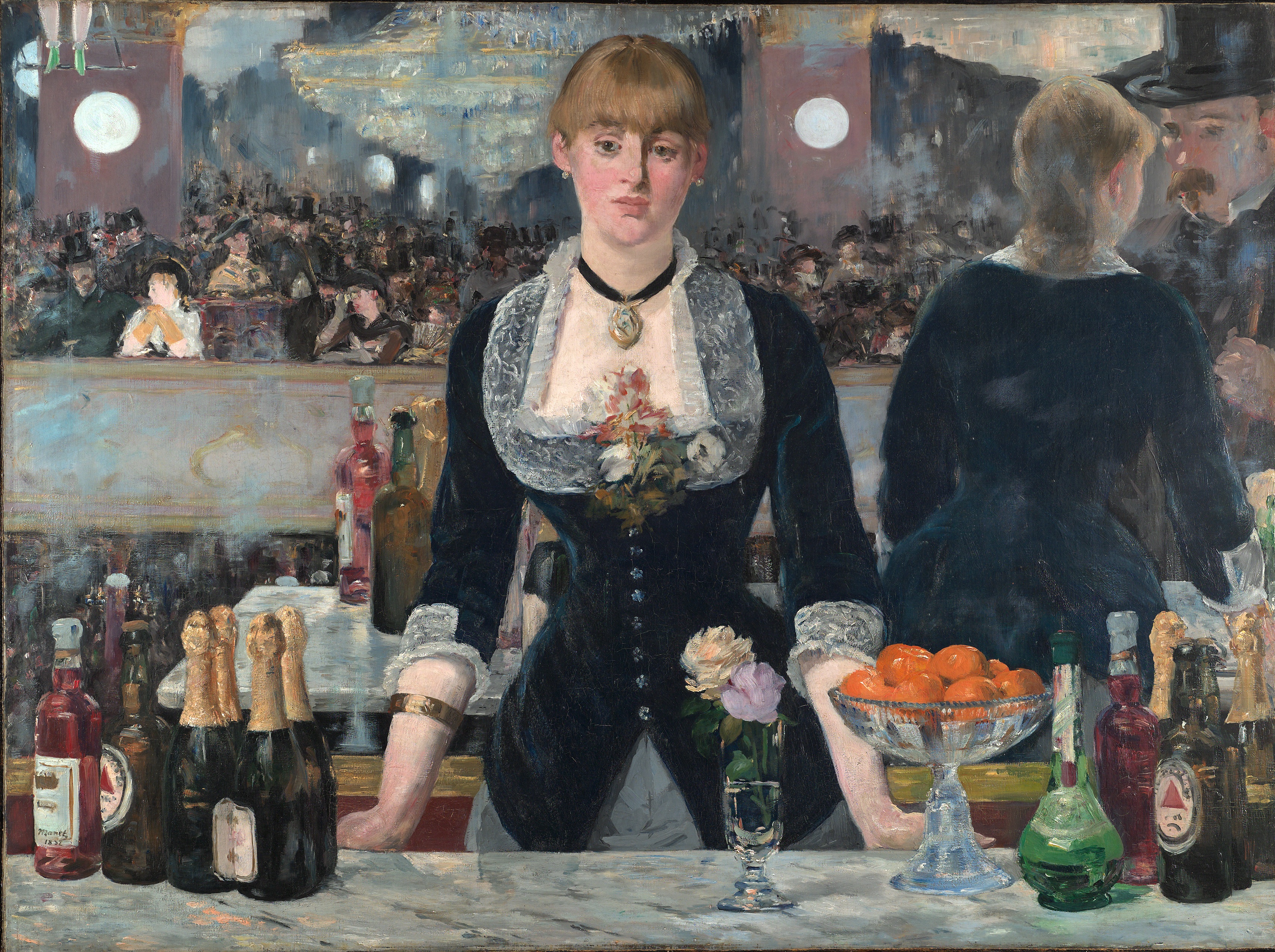
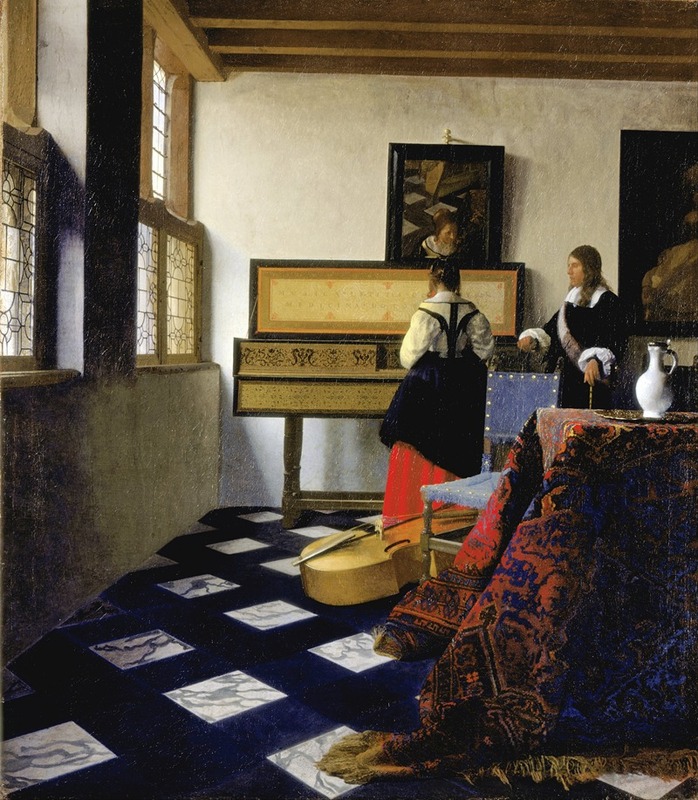
The essence of betrayal lingers in the silent spaces of The Terrace. Look to the lower left, where a solitary figure leans against the balustrade, their posture suggesting a weight of unspoken thoughts. The warm palette of ochres and soft blues cradles the scene, contrasting the vibrant energy of the surrounding figures. Notice how the light falls upon the couple to the right, their laughter almost palpable, yet the distant gaze of the solitary figure creates an unsettling tension.
This juxtaposition invites the viewer to explore the emotional undercurrents rippling beneath the surface of what appears to be a sunlit social gathering. Delve deeper into the details, such as the delicate interplay of shadows across the terrace floor, hinting at hidden truths and emotional divide. The vibrant textiles clash against the figure's muted clothing, symbolizing the stark contrast between outward joy and inner turmoil. Every element, from the positioning of hands to the tilt of heads, builds a narrative of longing and betrayal that whispers through the vibrant colors and lively interactions. During the period around 1660, the artist was immersed in the vibrant cultural milieu of the Dutch Golden Age, where art flourished amid societal change and wealth.
This era was defined by explorations of light, narrative, and human emotion. The painter, navigating their own personal and professional challenges, sought to capture the complexities of human relationships, embedding layers of meaning within the seemingly idyllic setting of The Terrace.