Discover insights about this artwork
The Terrace at the Garden at Les Lauves — History & Facts
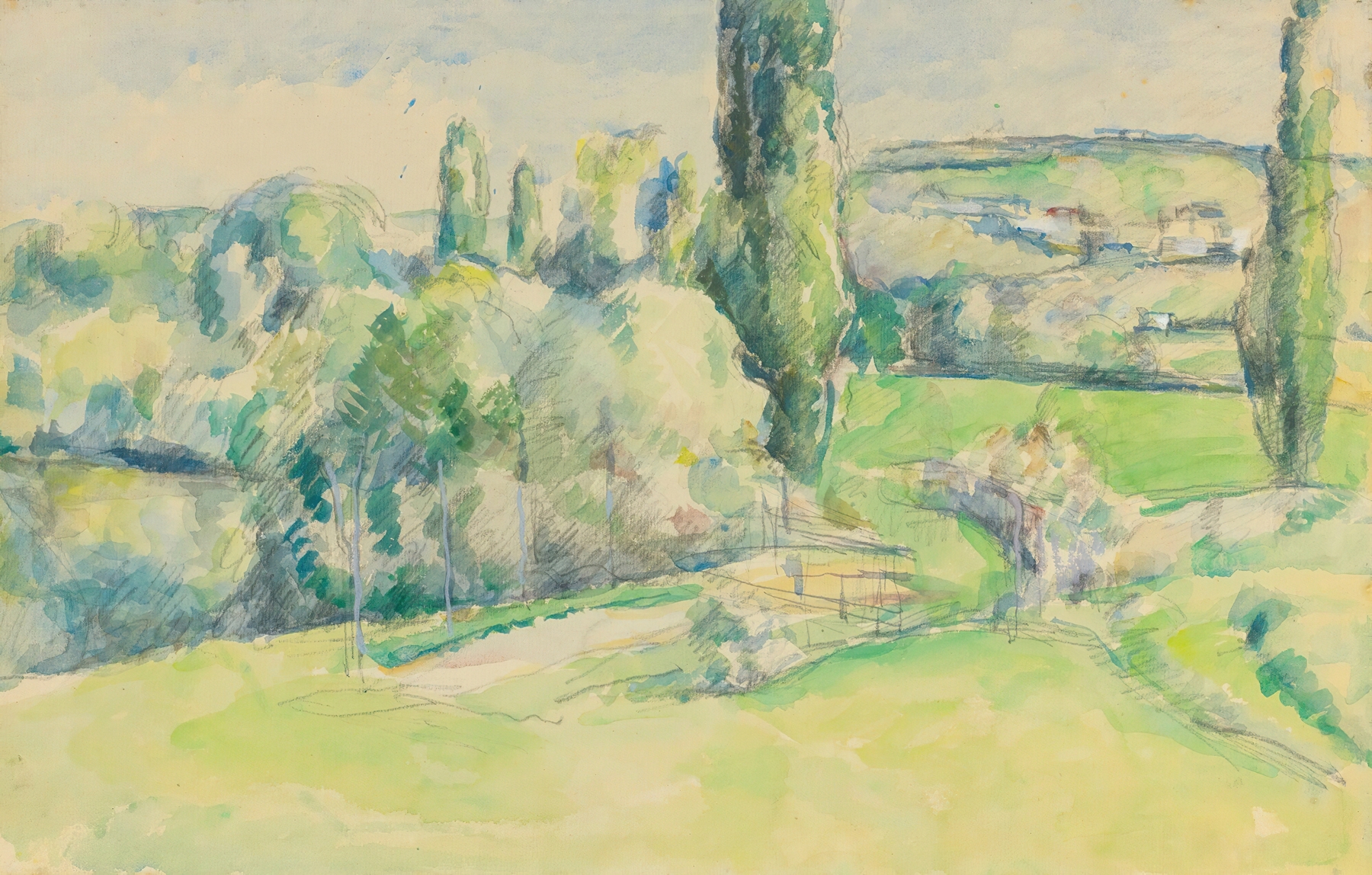
In The Terrace at the Garden at Les Lauves, we see a vibrant landscape filled with lush greenery and a terrace that invites the viewer into the scene. The colors are rich, with deep greens and warm earth tones dominating the composition. Cézanne's brushwork creates a sense of texture, making the foliage appear almost tangible.
The setting is serene, reflecting a quiet moment in nature. This painting showcases Cézanne's characteristic use of color and form, typical of his Post-Impressionism style. The brushstrokes are visible and expressive, contributing to the overall dynamism of the piece. The composition is carefully structured, with a balance between the natural elements and the architectural features of the terrace.
Viewers can appreciate the way light interacts with the colors, enhancing the depth of the scene. Paul Cézanne painted The Terrace at the Garden at Les Lauves during the late 19th century, a period when he was exploring new ways to depict nature. This work reflects his interest in the relationship between color and form, which would later influence modern art. Interestingly, Cézanne often painted this garden setting, using it as a recurring motif in his work.
The painting is now housed in the Musée d'Orsay, a fitting location for such a significant piece.
More Artworks by Paul Cézanne
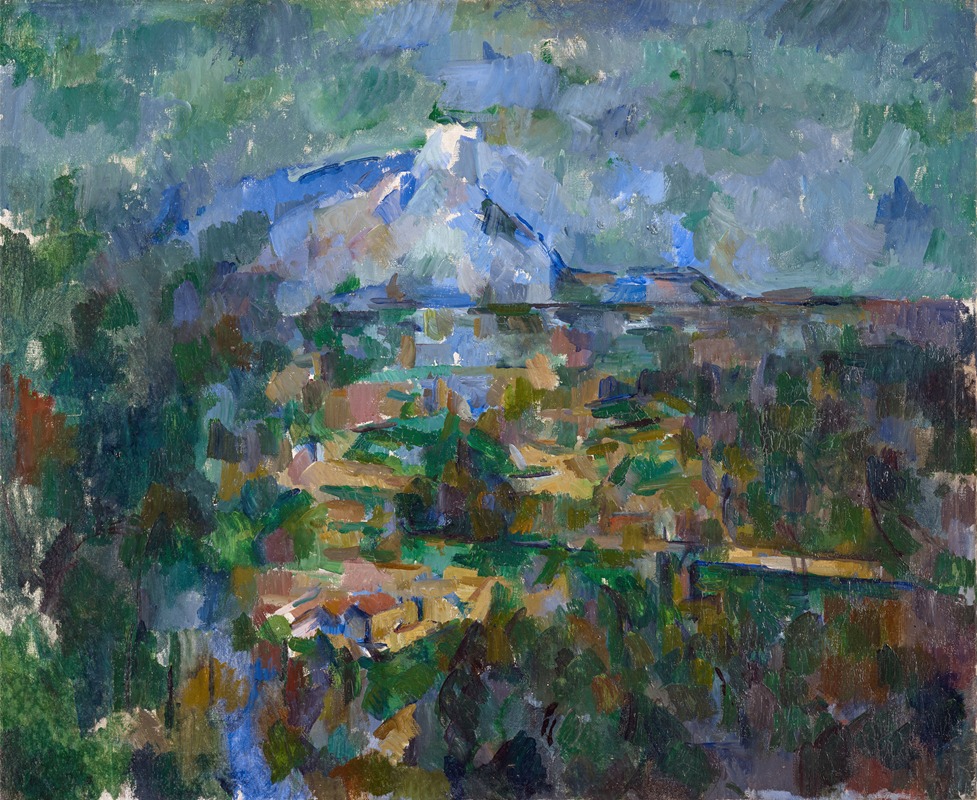
The Mont Sainte-Victoire Seen From Les Lauves
Paul Cézanne
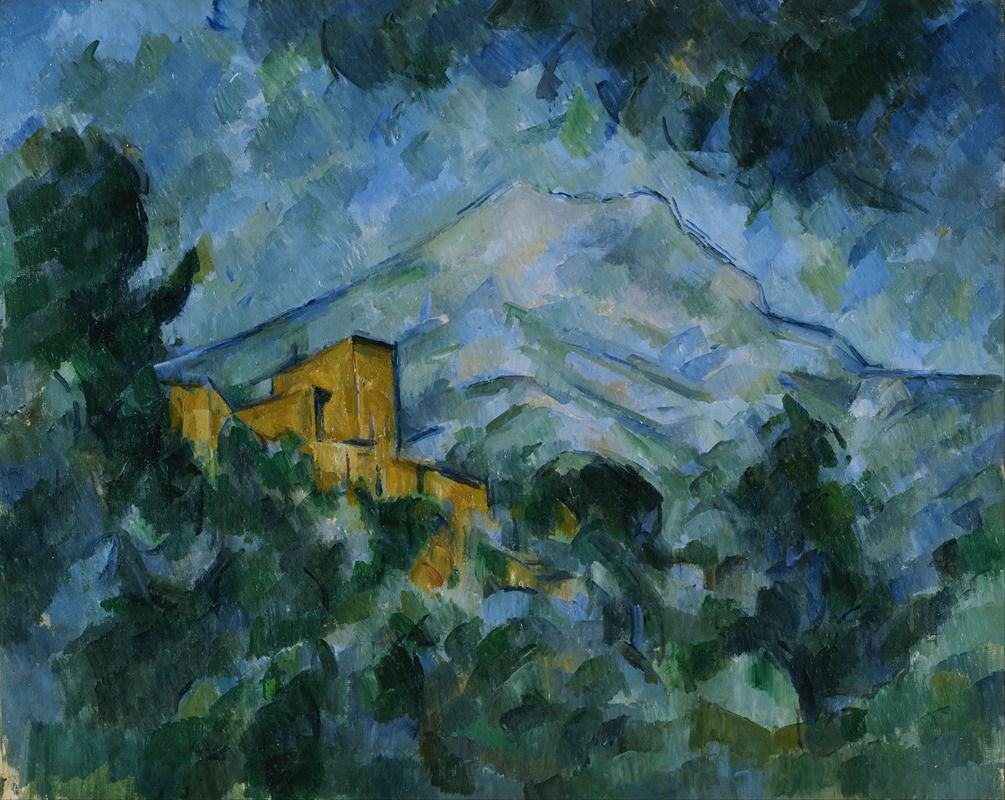
Mont Sainte-Victoire and Château Noir
Paul Cézanne
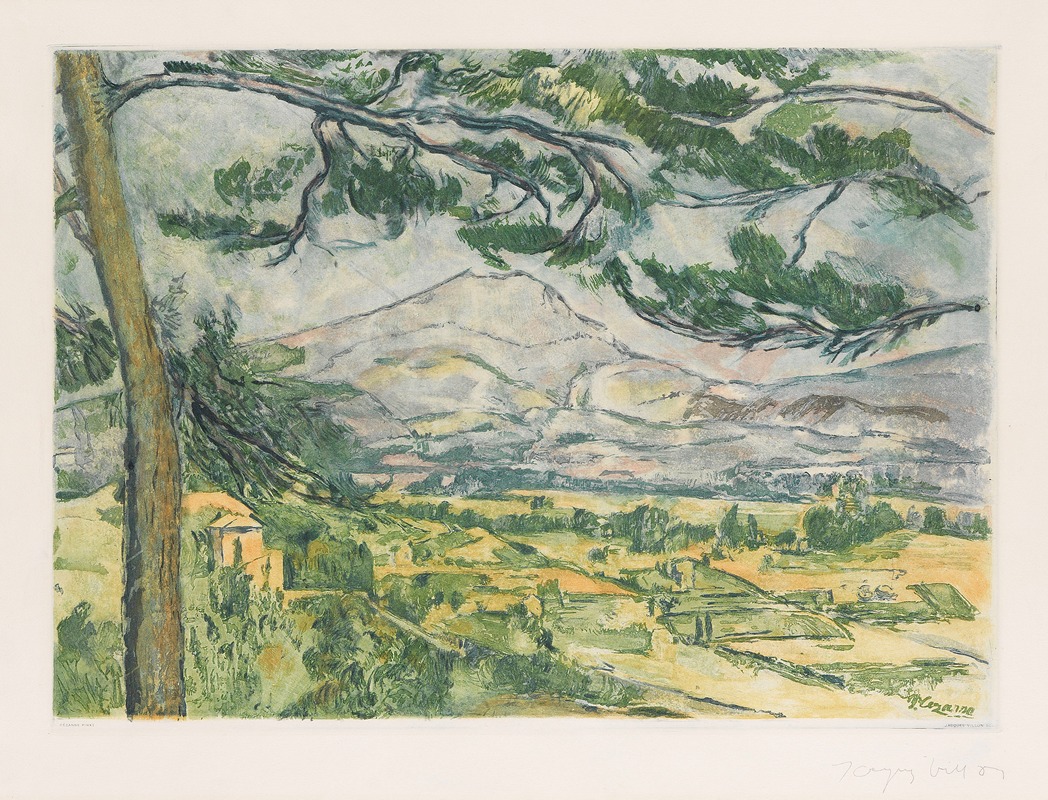
La Montagne Sainte-Victoire
Paul Cézanne
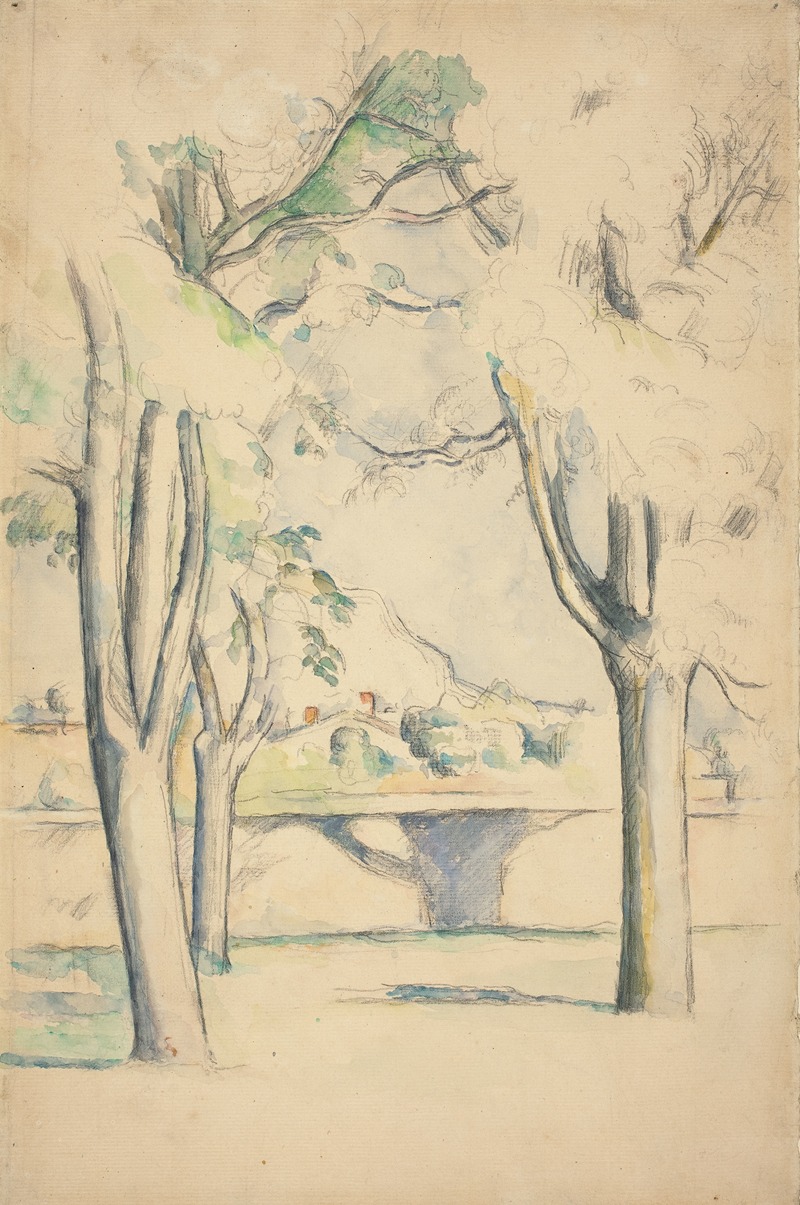
Mont Sainte-Victoire Seen beyond the Wall of the Jas de Bouffan
Paul Cézanne
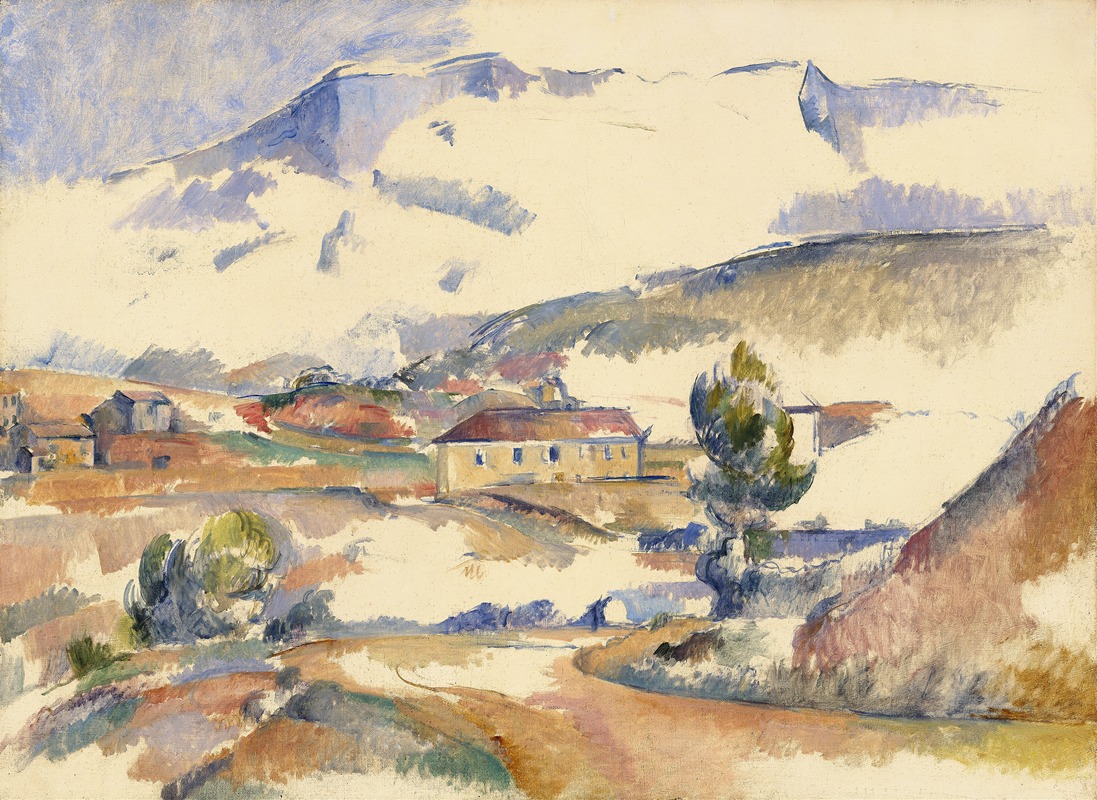
Montagne Sainte-Victoire,from near Gardanne
Paul Cézanne
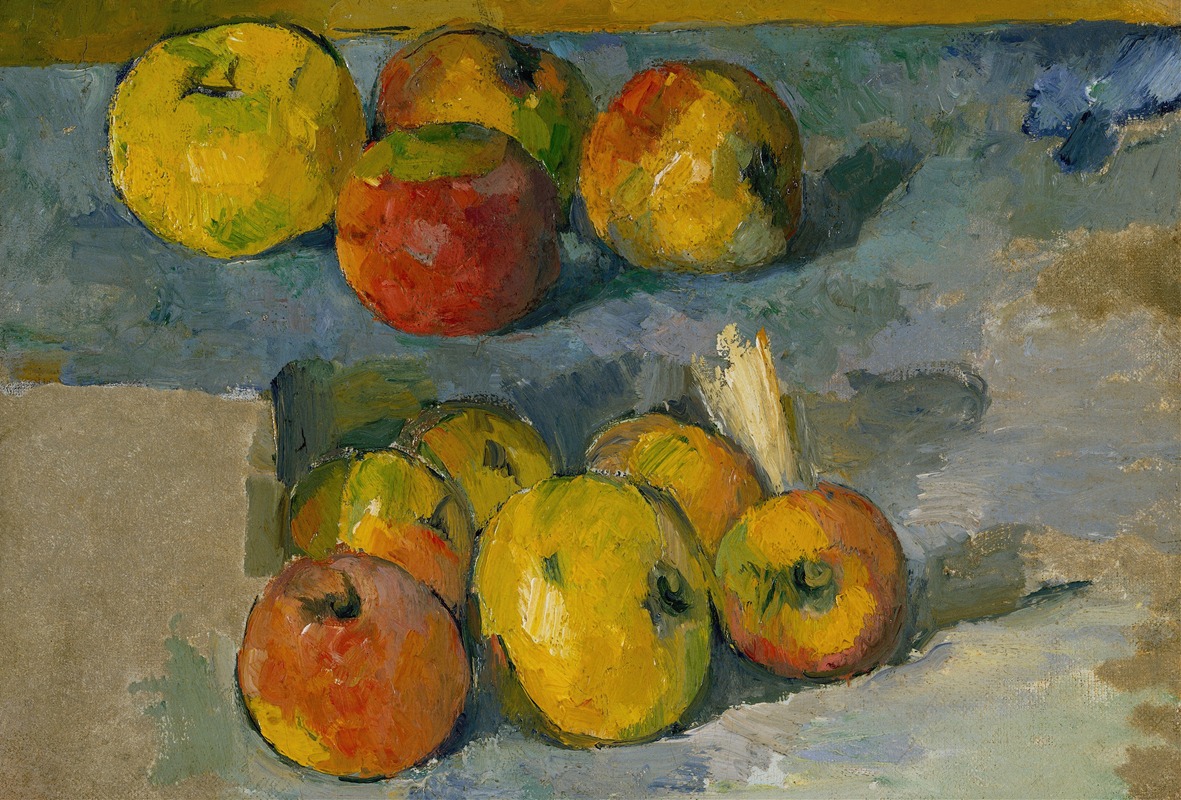
Apples
Paul Cézanne
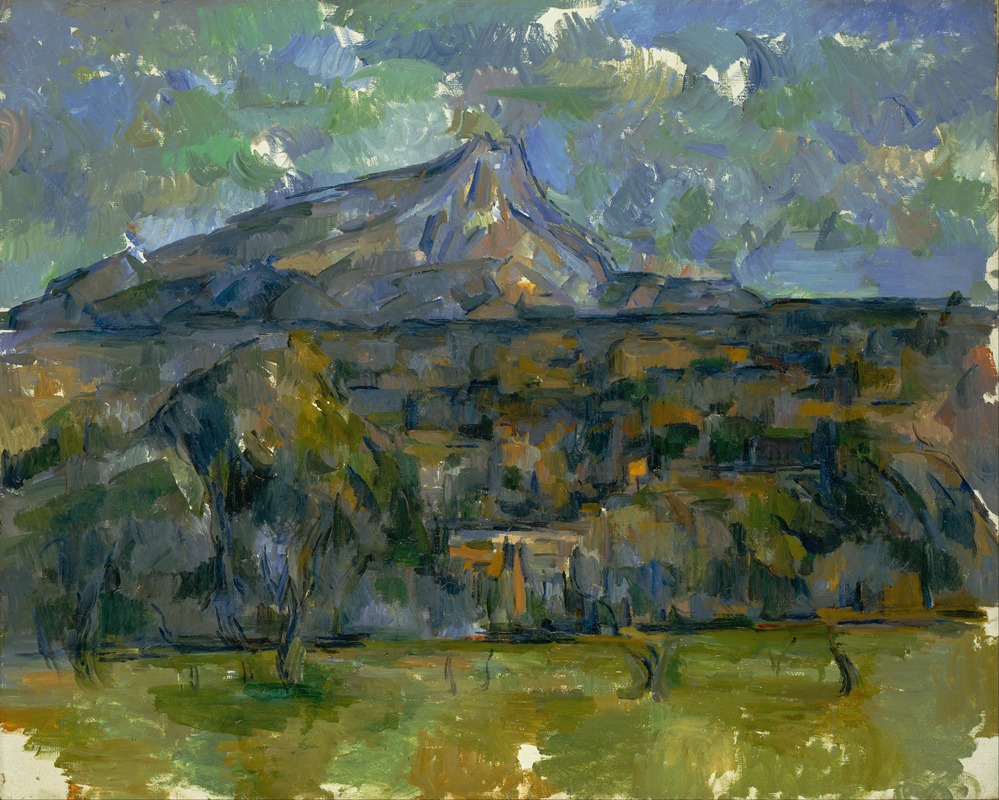
Mont Sainte-Victoire
Paul Cézanne
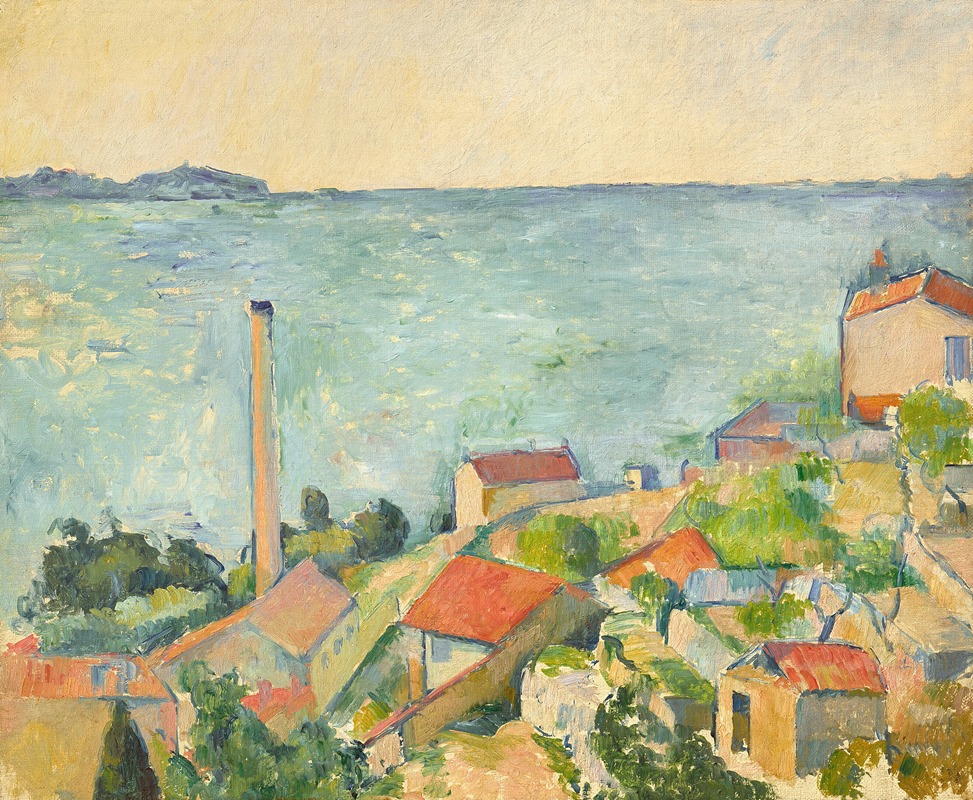
La mer à l’Estaque
Paul Cézanne
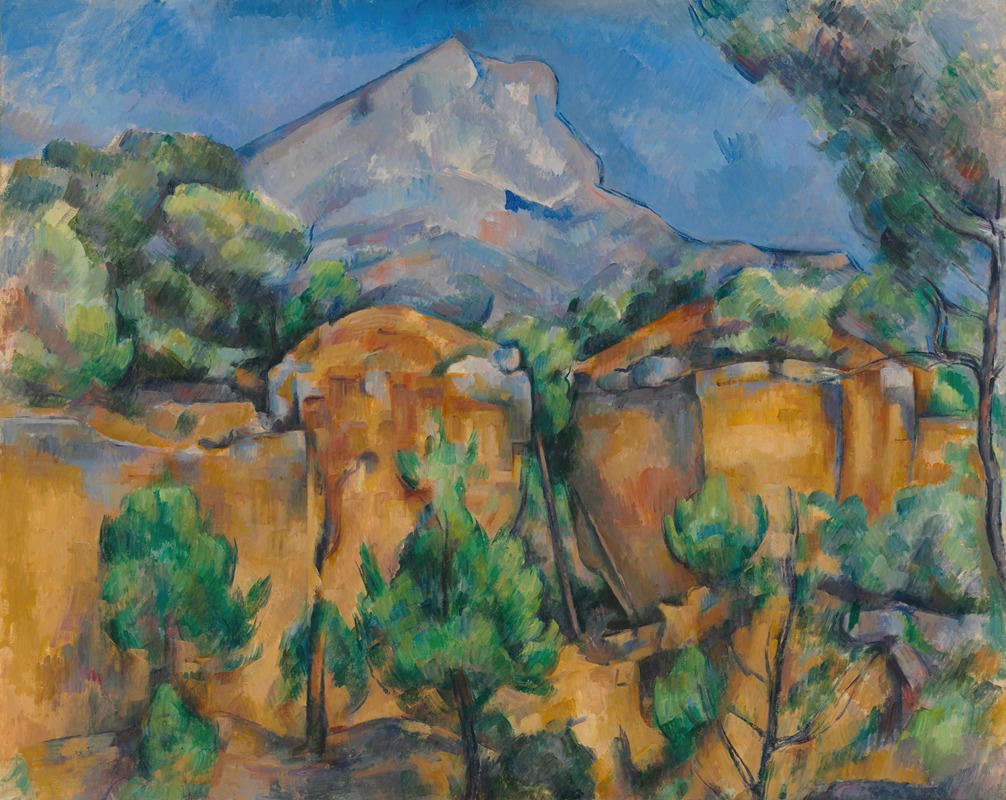
La Montagne Sainte-Victoire vue de la carrière Bibémus
Paul Cézanne
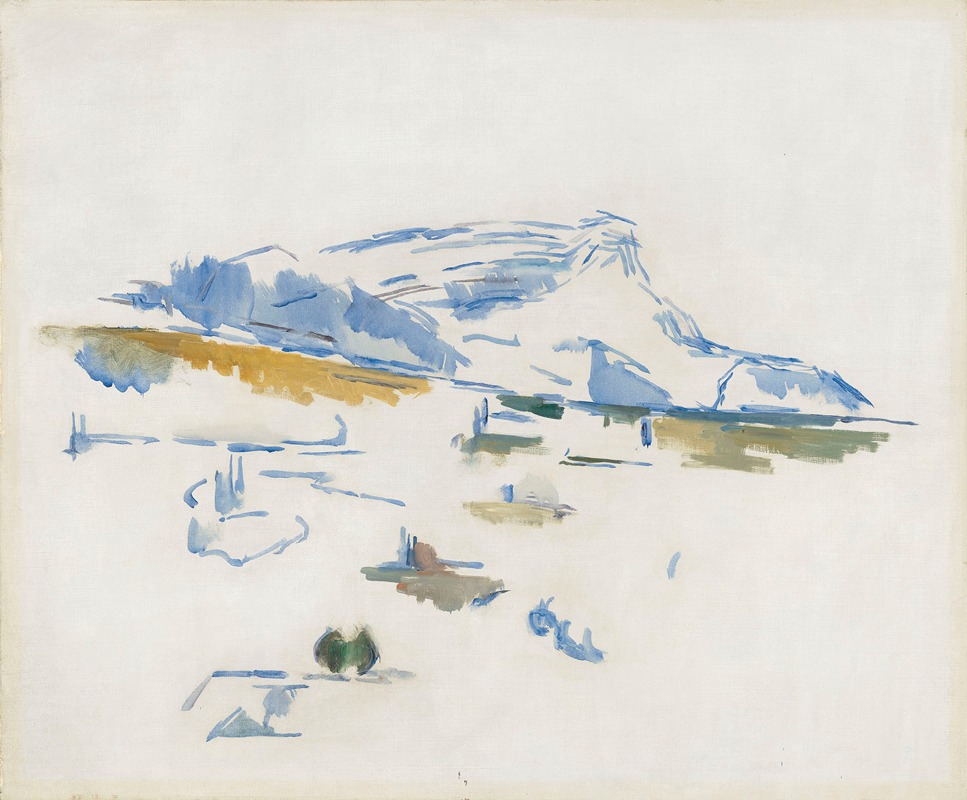
La Montagne Sainte-Victoire vue des Lauves
Paul Cézanne