The Thames at Westminster — History & Facts
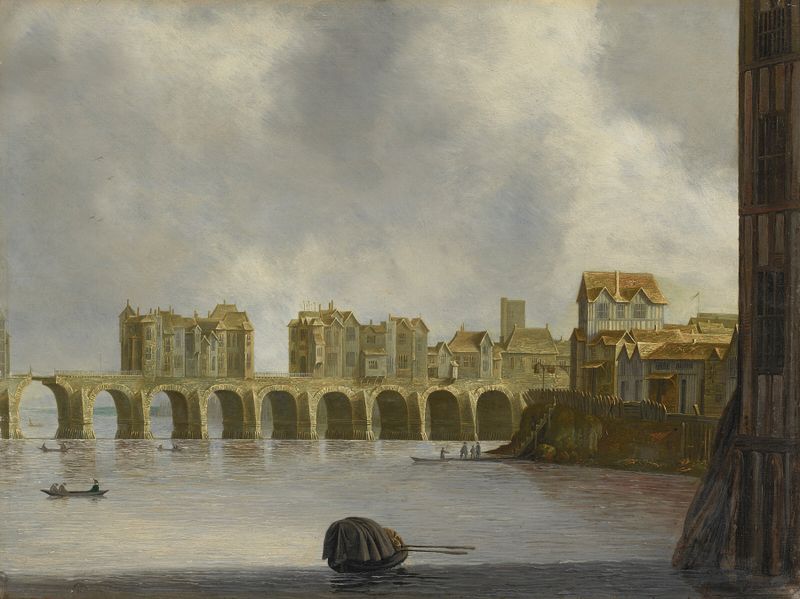
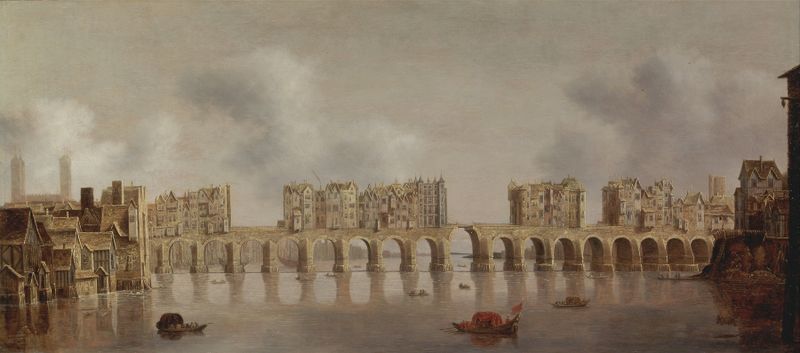
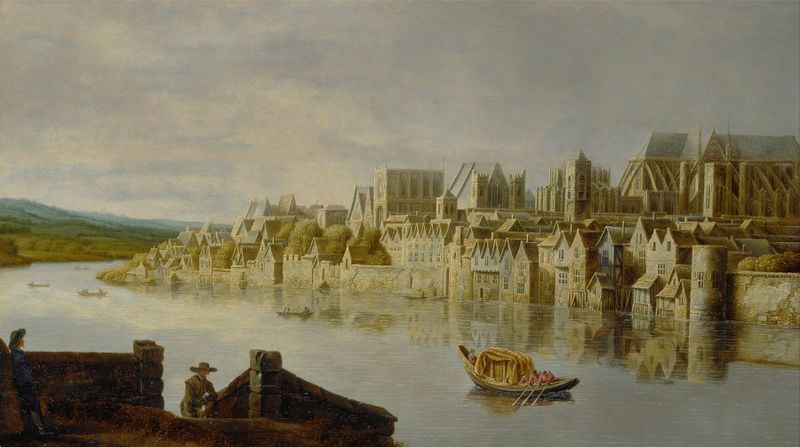
Where does light end, and longing begin? In the subtle interplay of colors and shadows, The Thames at Westminster captures the essence of transformation and reflection, where the familiar landscape evolves into a canvas of yearning. Look to the center, where the glittering river meets the majestic silhouette of Westminster's architecture. The soft blues and greens of the water contrast with the warm tones of the buildings, creating a harmonious yet dynamic balance. Notice how the light dances on the surface of the Thames, rippling and shifting, evoking a sense of movement that invites you to linger.
The brushwork is delicate yet deliberate, each stroke revealing the artist's intention to convey both beauty and transience. Delve deeper into the scene, and you’ll find hidden layers of meaning woven into the composition. The interplay between the vibrant sky and the serene water hints at the duality of existence—the ephemeral beauty of the moment against the backdrop of time. The slight haze enveloping the buildings suggests nostalgia, a longing for what once was, and the ever-present passage of time, as if the very air is charged with unspoken stories. Claude de Jongh created this work during a period marked by the transition from the Baroque to the more restrained nature of the Enlightenment.
The exact date is uncertain, but it reflects the artist's experiences and observations in a world that was undergoing significant changes in both art and society, embracing clarity and an appreciation for natural beauty amidst the momentum of modern life.