The Thames at Westminster Stairs — History & Facts
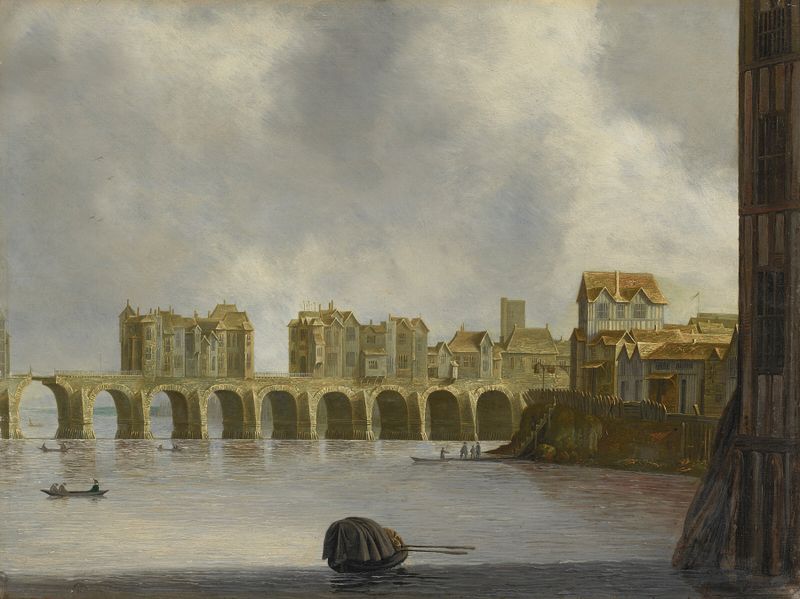
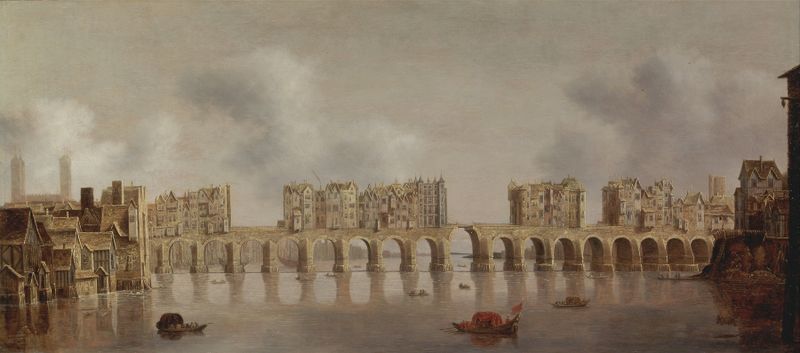
In the fluid strokes of de Jongh’s work, one can almost hear the whispers of the past, echoing in every ripple of water. What does it mean to confront loss in a world that continues to move? Look to the foreground where the bustling activity of the Thames unfolds. A group of figures gathers along the stairs, their bodies caught in animated gestures as they engage with the river’s ebb and flow.
Notice how the sunlight dances on the water’s surface, illuminating the vibrant hues of blue and green, contrasting with the muted tones of the figures’ clothing. The composition draws the eye inward, inviting the viewer into the heart of the scene, where life teeters on the edge of stillness and motion. Yet amid this lively tableau lies an undeniable tension. The gentle movement of the water contrasts sharply with the solemnity in the figures’ expressions, hinting at an unspoken grief that permeates the air.
One can sense a collective yearning for connection, as the characters seem poised between the desire to embrace the moment and the weight of memories that anchor them. Hidden in the corners of the canvas, the ripples serve as a metaphor for the passage of time—an ever-present reminder of the inevitability of loss. At the time of creating this piece, de Jongh found himself navigating the tumultuous waters of artistic recognition. Working in the late 17th century, he was influenced by the shifts in Dutch painting, where landscapes and genre scenes gained prominence.
With the bustling Thames as both a subject and a symbol, the artist captured not just the physical space but also the emotional undercurrents that define the human experience against the backdrop of a changing world.