The Thames Valley — History & Facts
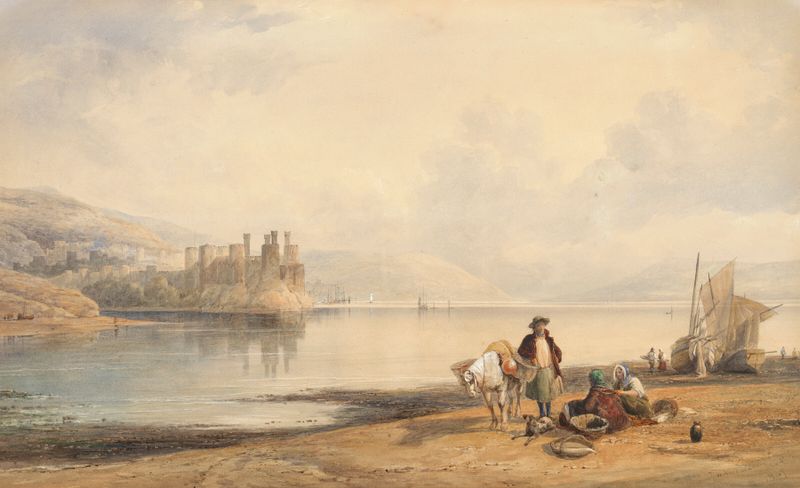
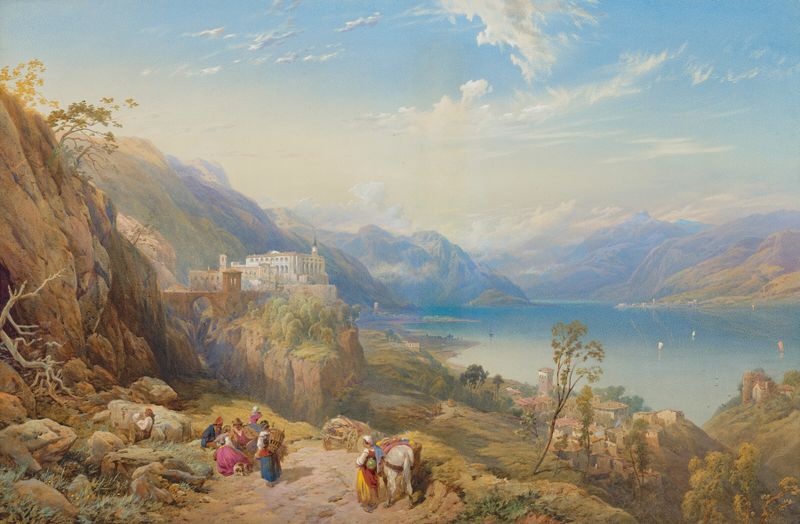
Can beauty exist without sorrow? In The Thames Valley, a fragile equilibrium emerges, inviting contemplation of nature's grandeur alongside its inherent impermanence. Look to the left at the gentle curve of the river, its surface shimmering under dappled sunlight. The artist employs a soft palette of greens and blues, creating a harmonious blend that evokes tranquility. Notice how the trees, with their lush foliage, frame the scene, drawing the eye towards the heart of the valley, where the landscape unfurls in a symphony of texture and light.
Each stroke conveys a sense of movement, as if the breeze whispers through the leaves, captivating the viewer's imagination. Yet, beneath this picturesque surface lies an undercurrent of tension. The stillness of the water contrasts with the suggestion of distant storm clouds, hinting at nature's fickle temperament. The delicate interplay between light and shadow reflects a moment suspended in time, embodying the constant dance between serenity and chaos.
As the eye wanders, one can sense the weight of history and the passage of seasons, suggesting that beauty is often tinged with the awareness of transience. In 1823, Thomas Miles Richardson crafted this piece amidst the burgeoning Romantic movement, which sought to reconcile human emotion with the sublime aspects of the natural world. Living in England during a time of industrial change, he found inspiration in the idyllic landscapes surrounding the Thames, capturing a fleeting moment that resonates with the collective consciousness of an era grappling with the balance between progress and nature.