The Thousand Islands, St. Lawrence River — History & Facts
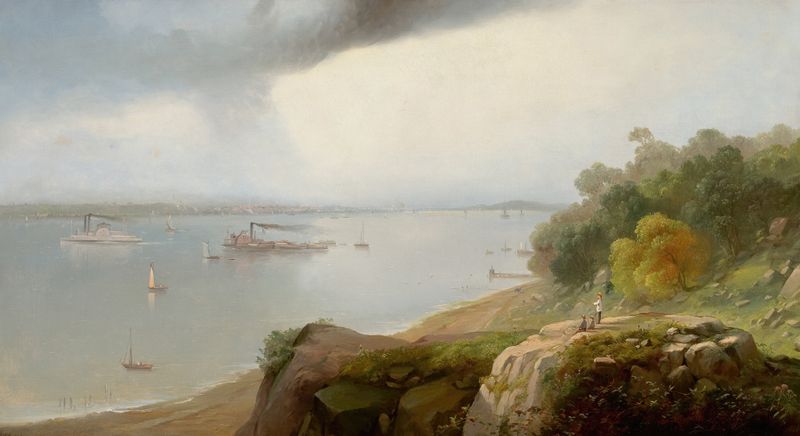
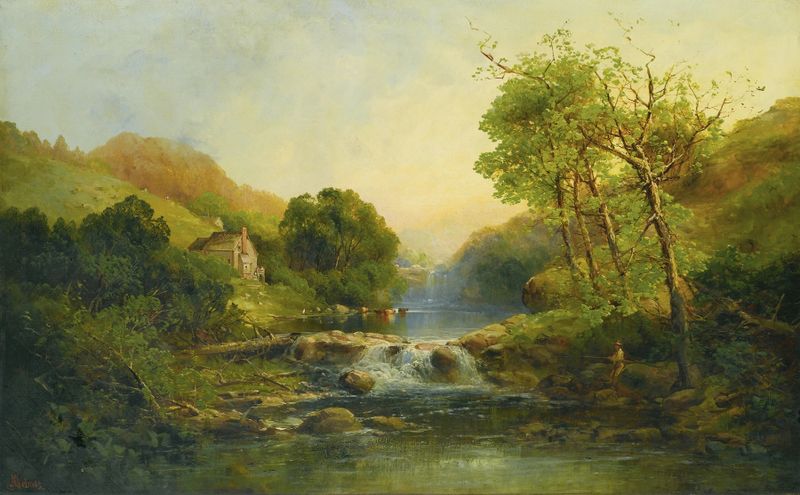
In a fleeting moment captured within a frame, beauty unfolds, speaking in whispers that only the heart can comprehend. Look to the left at the serene water, its surface a tapestry of blues and greens, reflecting the distant islands that nestle gently against the horizon. Notice how the light bathes the scene, illuminating the lush foliage and casting delicate shadows that dance across the canvas. The composition draws your eye to the interplay between land and water, where soft brushstrokes create a sense of tranquility, inviting you to pause and breathe deeply. As you delve deeper, you may recognize the juxtaposition of solitude and harmony inherent in the landscape.
The clusters of islands, each distinct yet united by their natural beauty, evoke a quiet strength that resonates with the viewer. The vibrant colors contrast with the muted tones of the sky, suggesting the fleeting nature of time and the enduring power of nature's grace. Each detail seems to tell a story of serenity, whispering of both the majesty of the St.
Lawrence River and the delicate fragility of beauty itself. In 1887, while painting The Thousand Islands, St. Lawrence River, Andrew Melrose was immersed in the burgeoning American landscape painting movement, seeking to capture the essence of his surroundings. Living in a period characterized by industrial change, he turned his gaze to the untouched beauty of nature, reflecting a growing appreciation for the natural world amidst encroaching urbanization.
His work stands as a testament to the timeless allure of the landscape, anchoring itself in a moment when beauty was revered and sought after.