The track boat — History & Facts
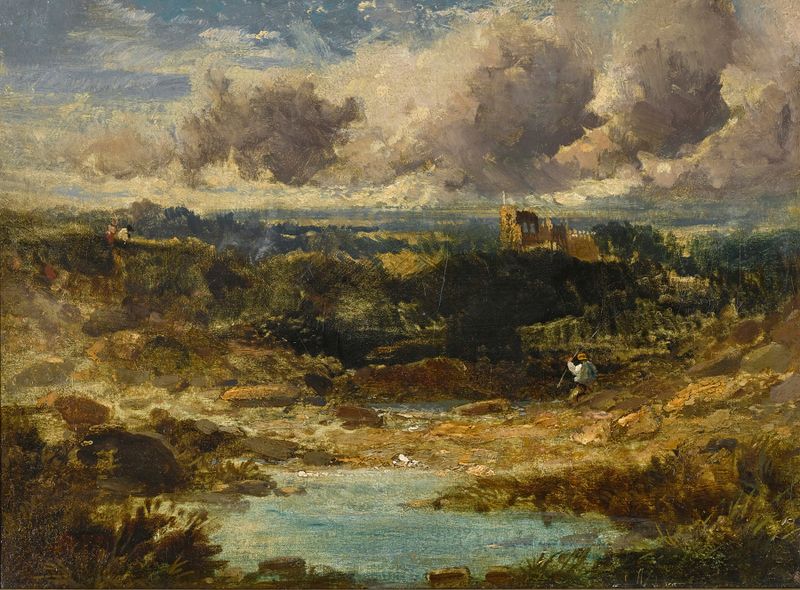
Desire shimmers beneath the surface, a silent ache echoing through time. What drives the search for fulfillment, and what forms does that desire take when expressed through the language of art? Look to the center of the canvas, where the boat, sleek and glimmering, captures the eye with its striking portrayal against a swirling backdrop. Notice the vibrant hues of gold and azure that contrast with the muted earth tones surrounding it, inviting a deeper investigation into the tension between aspiration and reality.
The fluid brushstrokes create a sense of movement, as if the boat is longing to break free and venture beyond the confines of its surroundings. This artwork encapsulates emotional duality—the tranquil beauty of the water juxtaposed with the foreboding darkness that looms at its edges. The boat, a symbol of exploration, subtly hints at the desire for both adventure and escape, while its stillness suggests a moment caught between yearning and action. The reflections on the water's surface shimmer with possibilities, emphasizing the elusive nature of dreams that remain unfulfilled. In 1872, Lawson was immersed in the burgeoning Pre-Raphaelite movement, a time marked by a desire to return to the detail and vibrancy of earlier art forms.
Living in England, he was influenced by the ideals of romanticism and meticulous realism, striving to create works that resonated with emotional depth. This painting reflects not only his artistic vision but also a broader societal yearning for beauty and meaning during an era of industrial change.