
The tribute money — History & Facts
This profound revelation echoes through centuries, reminding us that art holds the power to capture fleeting truths. In The Tribute Money, the moment is frozen in time, where faith, politics, and humanity collide in a vivid exchange. Look to the left at the figure of Christ, his expression a blend of calm authority and gentle compassion, illuminated by a soft, divine light. The contrast between shadow and illumination draws the eye from the darkened background to the scene's focal point, where the questioning faces of the tax collectors and disciples exhibit a mixture of skepticism and awe.
The rich, earthy palette of browns and golds enhances the gravity of the moment, while delicate brushstrokes capture the swirling emotions that ripple through the gathering. Beneath the surface lies a profound exploration of power dynamics and moral dilemmas. Christ’s gesture toward the fish—a symbol of divine provision—subtly critiques the oppressive weight of taxation imposed on the people. The anxious expressions of his companions reveal their internal struggles, caught between worldly obligations and spiritual truths.
This duality invites the viewer to reflect on their own relationship with authority and the cost of faith in a complex world. Created in the early years of the 1630s, during Rembrandt's time in Amsterdam, The Tribute Money reflects a period marked by burgeoning artistry and a deepening exploration of human emotion. The artist, navigating the intricacies of personal and financial challenges, infused his work with a profound engagement with biblical narratives that resonated with his contemporaries amid a rapidly evolving society.
More Artworks by Rembrandt van Rijn
Browse all →
The Night Watch Militia Company of District II under the Command of Captain Frans Banninck Cocq
Rembrandt van Rijn

The Return of the Prodigal Son
Rembrandt van Rijn

The Hundred Guilder Print: the figures leaning on the wall in the centre left
Rembrandt van Rijn

The Hundred Guilder Print: the central piece with Christ preaching, the plate arched
Rembrandt van Rijn

Isaac and Rebecca, Known as ‘The Jewish Bride’
Rembrandt van Rijn
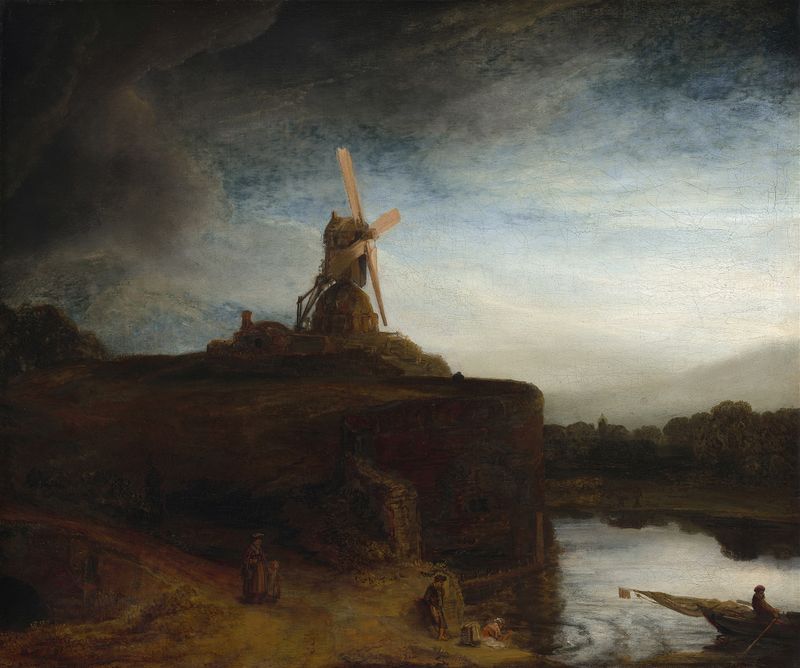
The Mill
Rembrandt van Rijn

The Sampling Officials of the Amsterdam Drapers’ Guild, Known as ‘The Syndics’
Rembrandt van Rijn

The return of the prodigal son
Rembrandt van Rijn
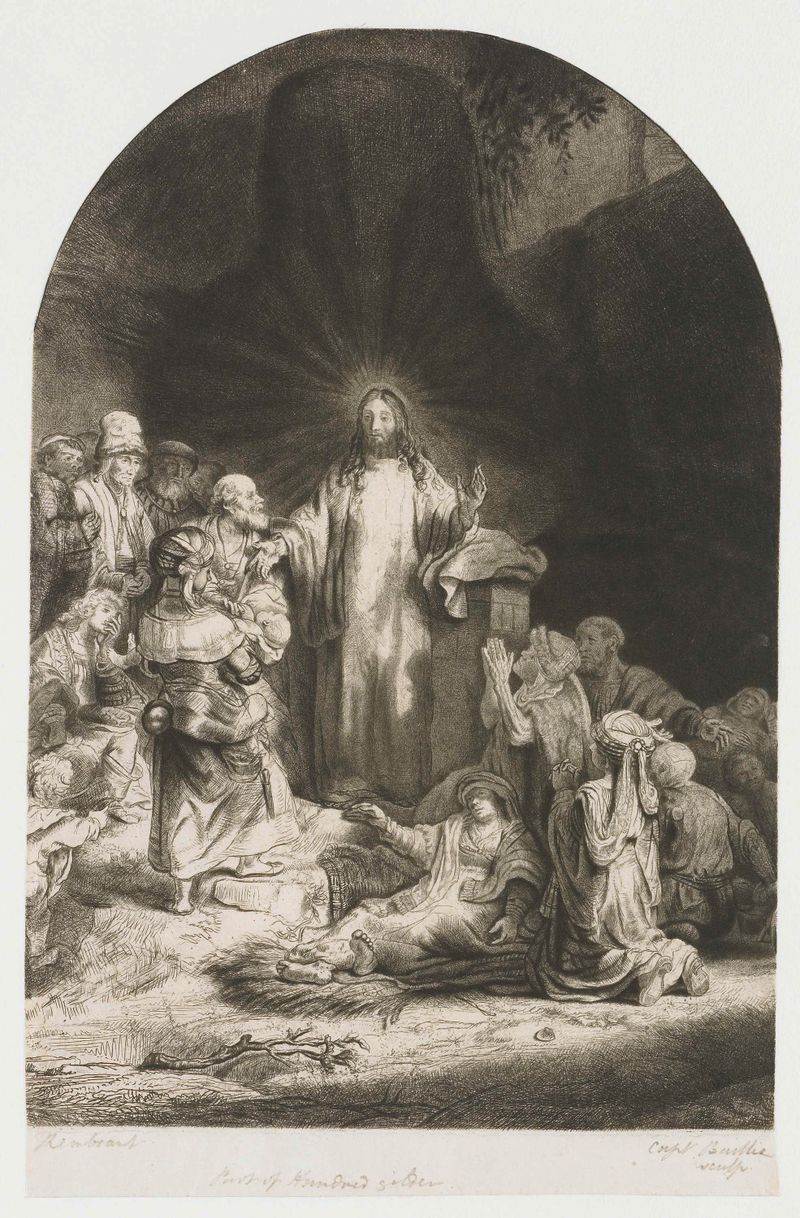
The Hundred Guilder Print: the central piece with Christ preaching, the plate arched
Rembrandt van Rijn

The Hundred Guilder Print: the man seen on the back in the lower left corner
Rembrandt van Rijn
More Religious Art
Browse all →The Return of the Prodigal Son
Rembrandt van Rijn

The Garden of Earthly Delights
El Bosco

Count Orgaz’ funeral
El Greco
The Hundred Guilder Print: the central piece with Christ preaching, the plate arched
Rembrandt van Rijn

The Descent from the Cross
Rogier van der Weyden
The return of the prodigal son
Rembrandt van Rijn