The Valley of Mexico Seen from the Tenayo Hill — History & Facts
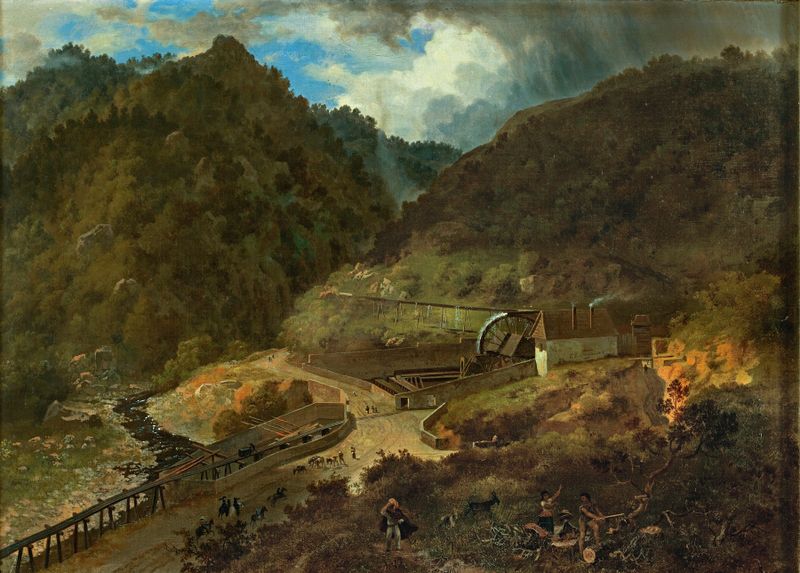
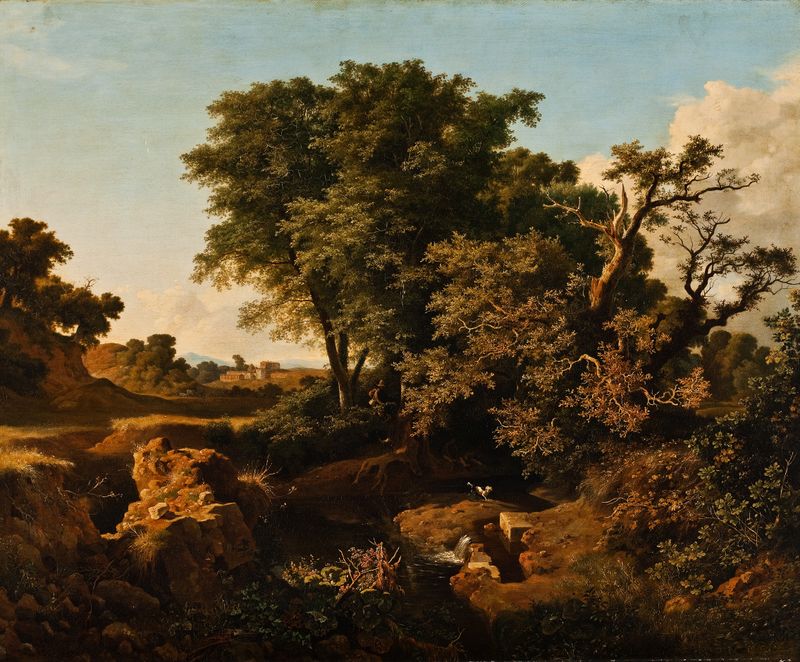
What if beauty was never meant to be finished? In The Valley of Mexico Seen from the Tenayo Hill, chaos unravels in the vibrant landscape, embodying the raw essence of nature's splendor. Look to the left at the sprawling valley, where brushstrokes dance together in a riot of greens and earth tones. The sky, awash in soft blues and whites, captures the fleeting moments of dusk, while the distant mountains rise majestically, their jagged peaks contrasting with the lush, undulating hills below. Notice how the light interacts with the foliage—each leaf glistening as if alive, inviting the viewer deeper into this expansive vista. Yet, beneath the surface beauty lies a tension between tranquility and turmoil.
The swirling clouds suggest an impending storm, a reminder that nature's beauty often masks a more chaotic reality. The interplay of light and shadow evokes a sense of depth, hinting at the lives and stories that unfold in the valley, caught between the serenity of the landscape and the unpredictability of life itself. Eugenio Landesio painted this work in 1870, during a period marked by significant political and social upheaval in Mexico. As he stood atop Tenayo Hill, he sought to capture the beauty of his homeland while reflecting the turbulent changes occurring around him.
The era was defined by turmoil, yet through his brush, Landesio immortalized a moment of sublime stillness amidst the chaos, an enduring testament to the complexity of the human experience.