
The Virgin and Child with the cat and the snake — History & Facts
When did color learn to lie? In the shadowy depths of this work, a haunting melancholy drapes itself over the figures, inviting a contemplation of innocence and deceit entwined in quiet intimacy. Look to the left, where the gentle curve of the Virgin's face is illuminated by a soft, golden light, casting her in a halo of maternal warmth. Her eyes, tender yet reflective, draw you into the emotional depth of the moment as she cradles the child. Notice the contrasting presence of the cat, its sleek form almost blending into the dusk, echoing an unsettling tension.
The snake, sinuous and glistening, slithers near the child’s foot—an uncanny detail that disrupts the serene scene, challenging the viewer's perception of safety in this sacred bond. The juxtaposition of the nurturing Virgin and the lurking snake suggests a deeper narrative about the dual nature of motherhood, where tenderness harbors hidden dangers. The vibrancy of the colors—rich reds and muted earth tones—contrasts sharply with the unnerving realism of the snake, representing the threat of temptation lurking behind innocence. This dissonance evokes a profound sense of melancholy, urging one to ponder the fragility of purity. In 1654, Rembrandt painted this piece during a tumultuous period in his life, marked by personal loss and shifting fortunes in the art world.
Living in Amsterdam, he struggled with financial instability even as he produced some of his most poignant works. The complexity of human emotion that permeates this painting reflects both his mastery of chiaroscuro and the intimate vulnerabilities he faced, echoing the universal themes of love and danger that resonate through time.
More Artworks by Rembrandt van Rijn
Browse all →
The Night Watch Militia Company of District II under the Command of Captain Frans Banninck Cocq
Rembrandt van Rijn

The Return of the Prodigal Son
Rembrandt van Rijn

The Hundred Guilder Print: the figures leaning on the wall in the centre left
Rembrandt van Rijn

The Hundred Guilder Print: the central piece with Christ preaching, the plate arched
Rembrandt van Rijn

Isaac and Rebecca, Known as ‘The Jewish Bride’
Rembrandt van Rijn
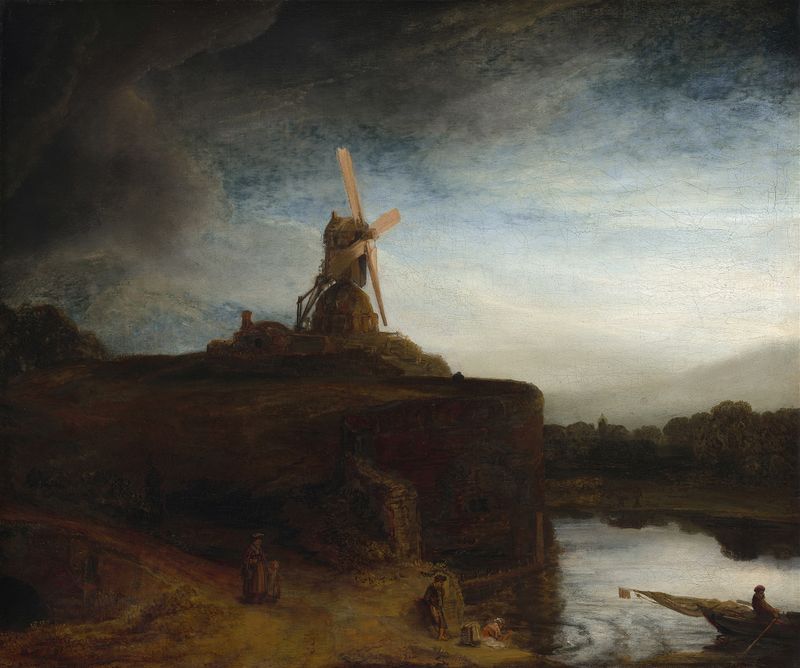
The Mill
Rembrandt van Rijn

The Sampling Officials of the Amsterdam Drapers’ Guild, Known as ‘The Syndics’
Rembrandt van Rijn

The return of the prodigal son
Rembrandt van Rijn
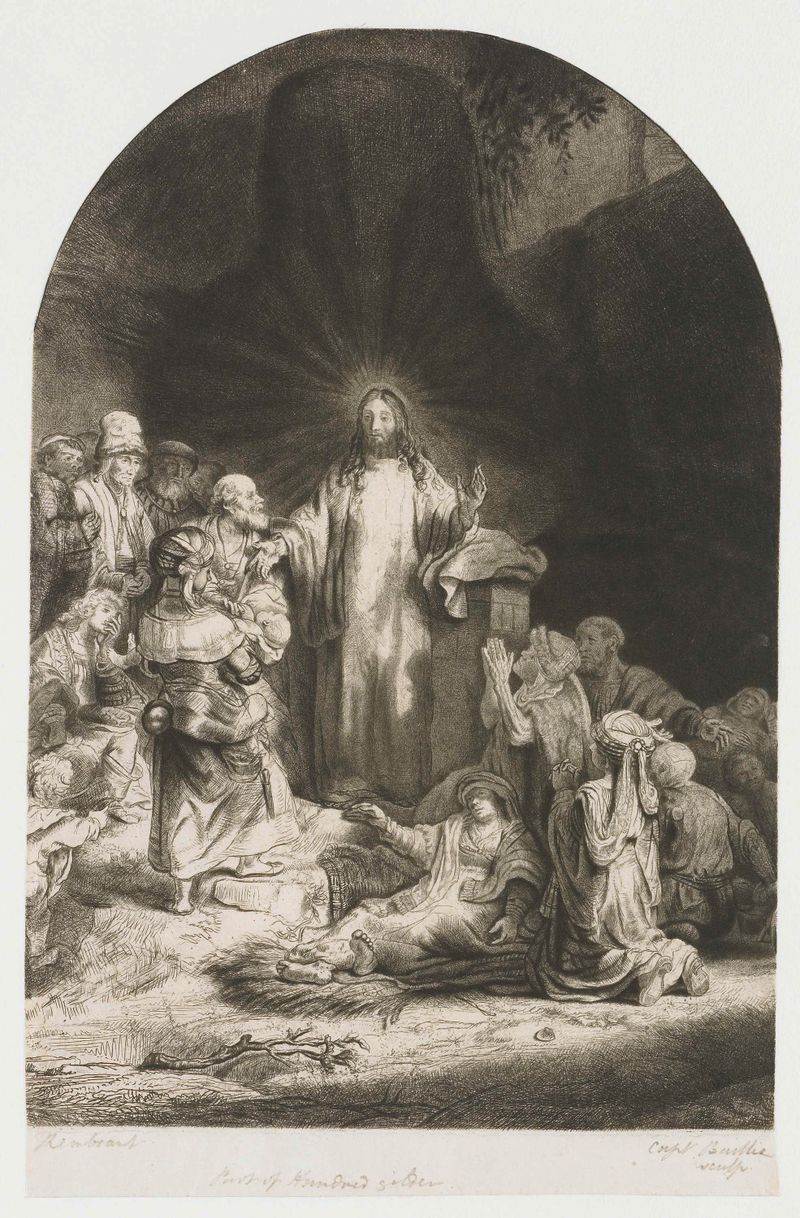
The Hundred Guilder Print: the central piece with Christ preaching, the plate arched
Rembrandt van Rijn

The Hundred Guilder Print: the man seen on the back in the lower left corner
Rembrandt van Rijn
More Religious Art
Browse all →The Return of the Prodigal Son
Rembrandt van Rijn

The Garden of Earthly Delights
El Bosco

Count Orgaz’ funeral
El Greco
The Hundred Guilder Print: the central piece with Christ preaching, the plate arched
Rembrandt van Rijn

The Descent from the Cross
Rogier van der Weyden
The return of the prodigal son
Rembrandt van Rijn