
The Watermill Above the Bridge at Charenton — History & Facts
Can beauty exist without sorrow? In The Watermill Above the Bridge at Charenton, the delicate interplay of light and shadow suggests an intricate relationship between joy and melancholy, inviting us to explore the essence of innocence. Focus your gaze on the luminous water cascading from the mill, where the cool blues and greens contrast with the warm earth tones of the bridge. The gentle curvature of the structure leads your eye toward the serene countryside, punctuated by the tender brushstrokes that breathe life into the foliage. Notice how the soft, diffused light bathes the scene in a golden hue, creating an almost ethereal atmosphere that elevates the ordinary to the sublime. Yet, beneath this idyllic surface lies a tension between the pastoral beauty and the quiet hint of solitude.
The distant figures, seemingly at peace, evoke a sense of nostalgia, suggesting the fleeting nature of innocence. The stillness of the water mirrors the stillness of time, capturing a moment that feels both eternal and ephemeral—a reminder of life's transient joys and sorrows. During the time Francia painted this work, likely in the early 19th century, he was influenced by the Romantic movement's emphasis on nature and emotion. Living in a period of social and political upheaval in France, he sought solace in the pastoral landscapes that surrounded him.
This choice reflects a broader yearning for tranquility and connection with the natural world, a theme that resonates deeply in this evocative piece.
More Artworks by François Louis Thomas Francia
Browse all →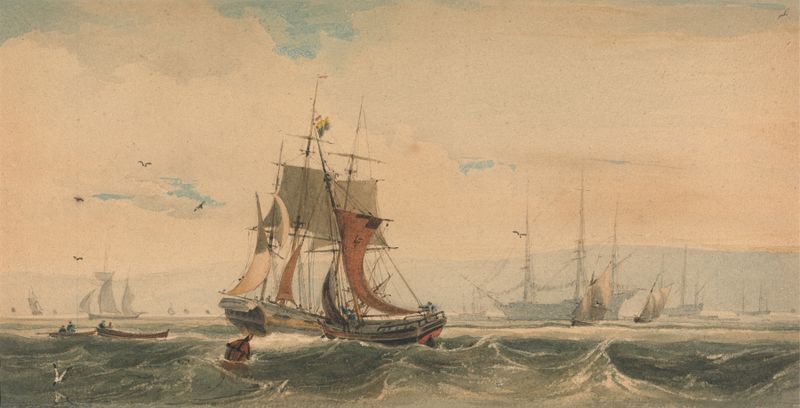
Shipping on the Medway, Kent
François Louis Thomas Francia
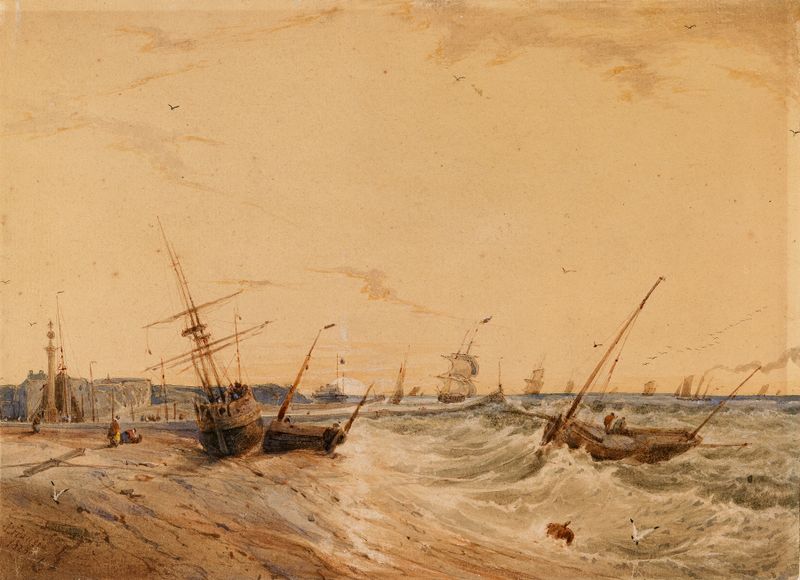
Calais Harbour
François Louis Thomas Francia

Boulogne Harbour
François Louis Thomas Francia
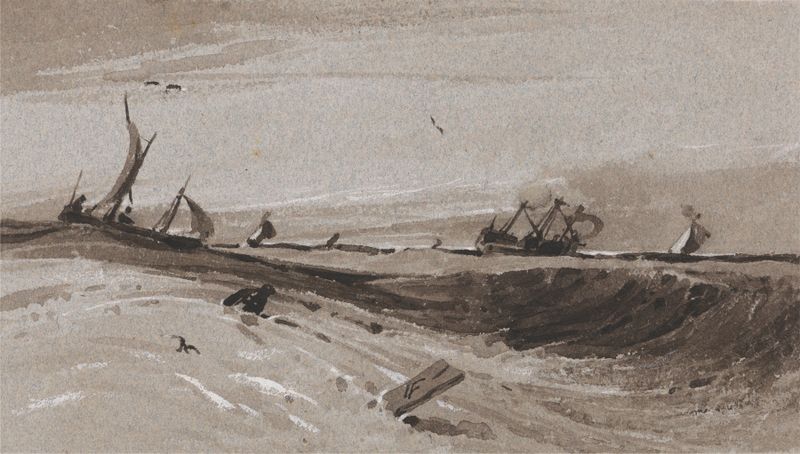
A Stormy Sea, Evening
François Louis Thomas Francia

A French Canal Scene
François Louis Thomas Francia
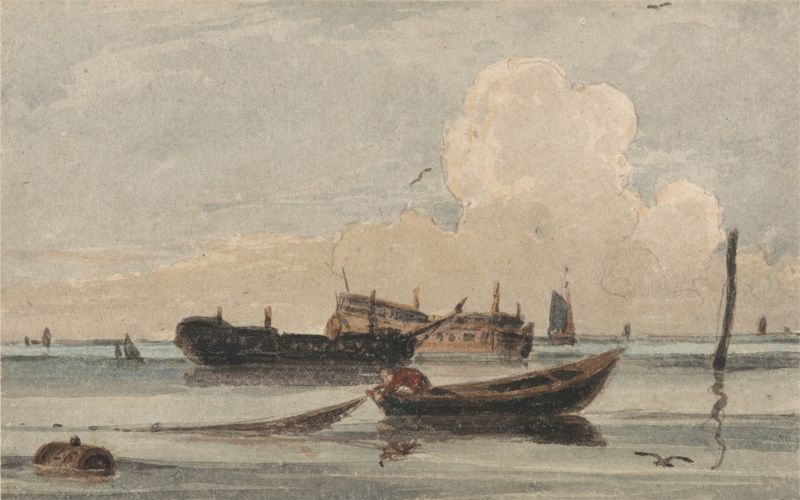
Boats on a Calm Sea
François Louis Thomas Francia
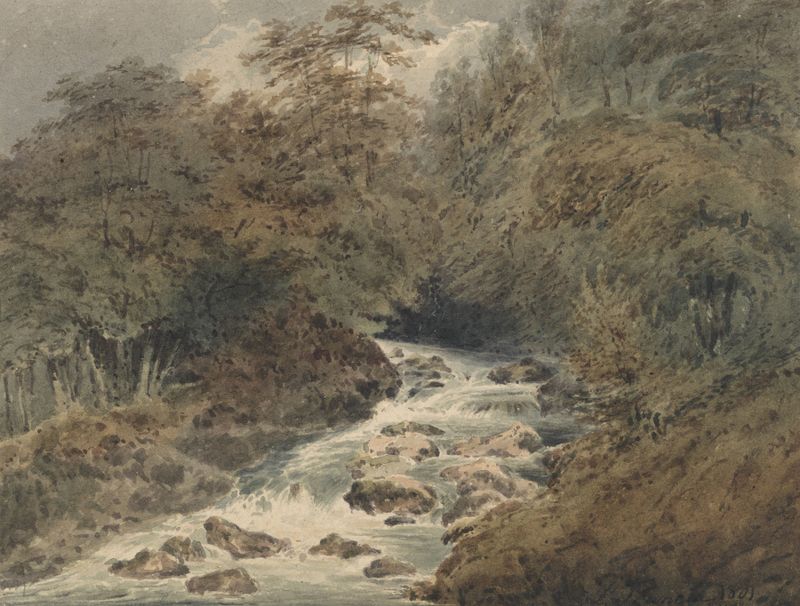
A Mountain Stream
François Louis Thomas Francia
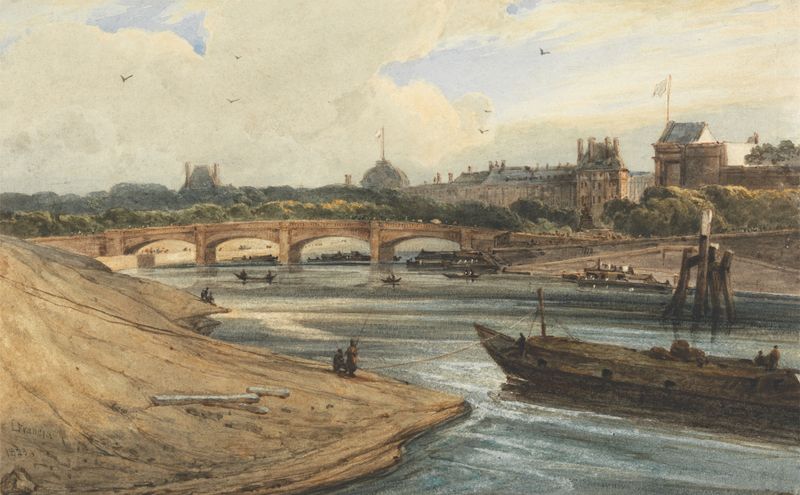
The Pont de la Concorde and Tuileries Palace from the Cours la Reine
François Louis Thomas Francia

Schepen voor de haven van Vlissingen
François Louis Thomas Francia

Wrak op hoge golven
François Louis Thomas Francia





