
The Watzmann Near Berchtesgaden — History & Facts
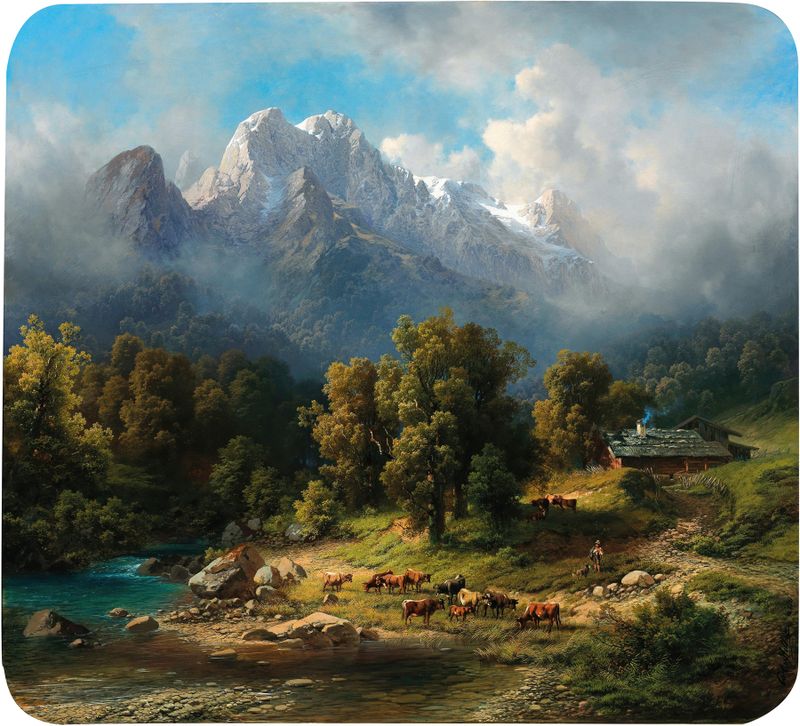
Did the painter know this moment would outlive them? In The Watzmann Near Berchtesgaden, the timelessness of nature is preserved within the confines of the frame, inviting us to reflect on the fleeting nature of human existence against the eternal backdrop of mountains. Focus on the towering presence of Watzmann, its jagged peaks dominating the canvas. Notice how the artist skillfully employs a gradient of blues and greens to depict the lush valleys sprawling below, leading the eye up toward the snow-capped summits. The interplay of light and shadow works wonders here, as soft clouds hover delicately near the mountaintops, creating an illusion of depth that draws you into the scene, almost as if you could step forward and feel the cool mountain air. In those subtle details lie profound contrasts: the serene beauty of the landscape juxtaposed with the powerful, rugged terrain that commands respect.
The gentle hues of the foreground suggest tranquility, while the stark, icy whites of the Watzmann evoke a sense of awe and danger—a reminder of nature's strength. This duality reflects not just the artist’s vision, but also a deeper connection to the human experience, where beauty and peril coexist in harmony. Carl Millner painted this work in the late 19th century, during a period marked by Romanticism’s embrace of nature. Working in a time when landscape painting was exploring emotional depths, he captured the allure of the Bavarian Alps while reflecting the shift toward appreciating the sublime in nature.
The world was stirring with new ideas about art and the environment, and Millner’s portrayal stands as a testament to that evolving dialogue.
More Artworks by Carl Millner
Browse all →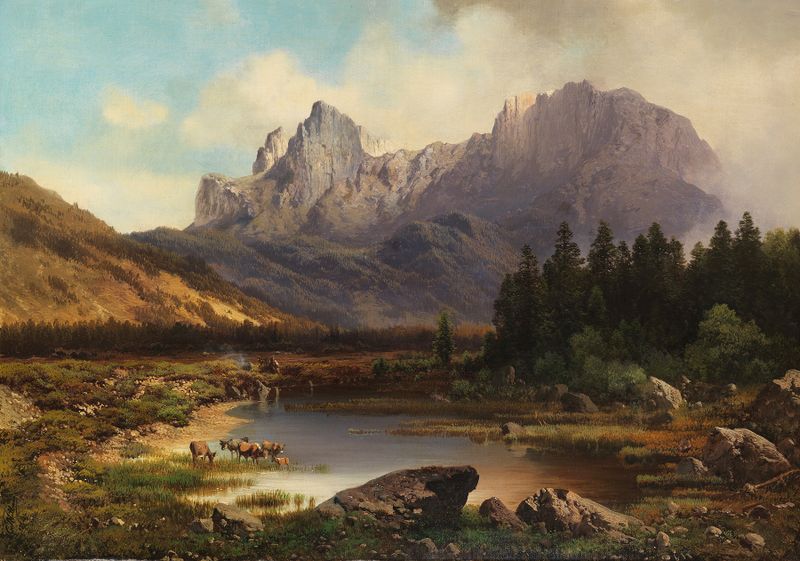
In den Dolomiten
Carl Millner
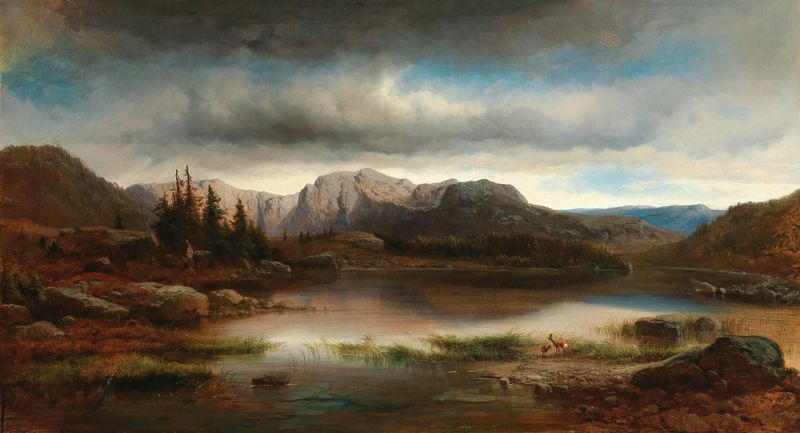
An Evening Landscape with a Mountain Lake
Carl Millner
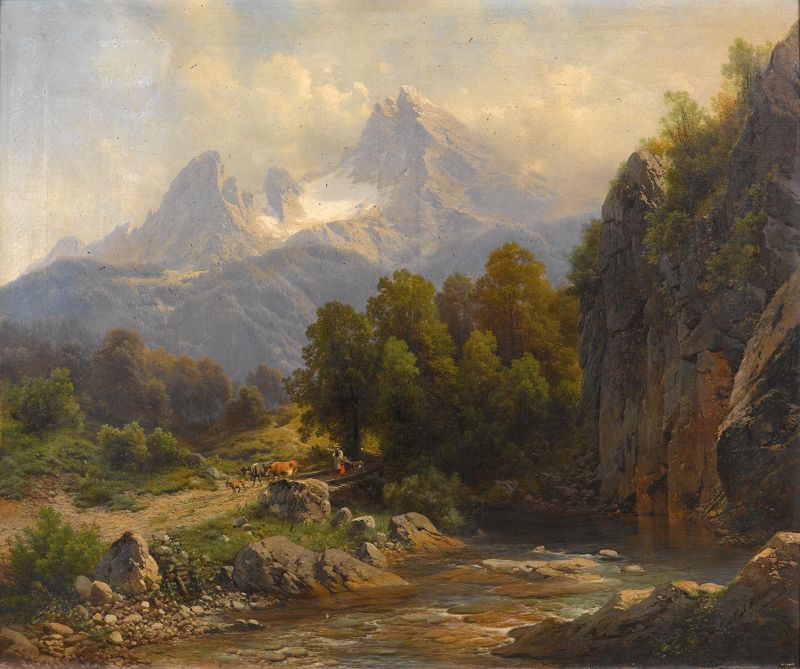
Blick auf den Watzmann
Carl Millner

Der Maler im Gebirge
Carl Millner

Sommerliche Gebirgslandschaft
Carl Millner
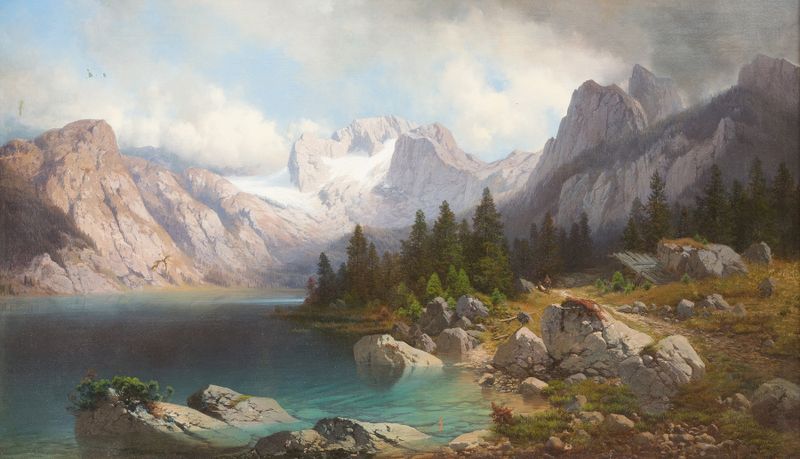
View on mount Zugspitze and lake Eibsee
Carl Millner
Grazing Cows near an Alpine Lake
Carl Millner
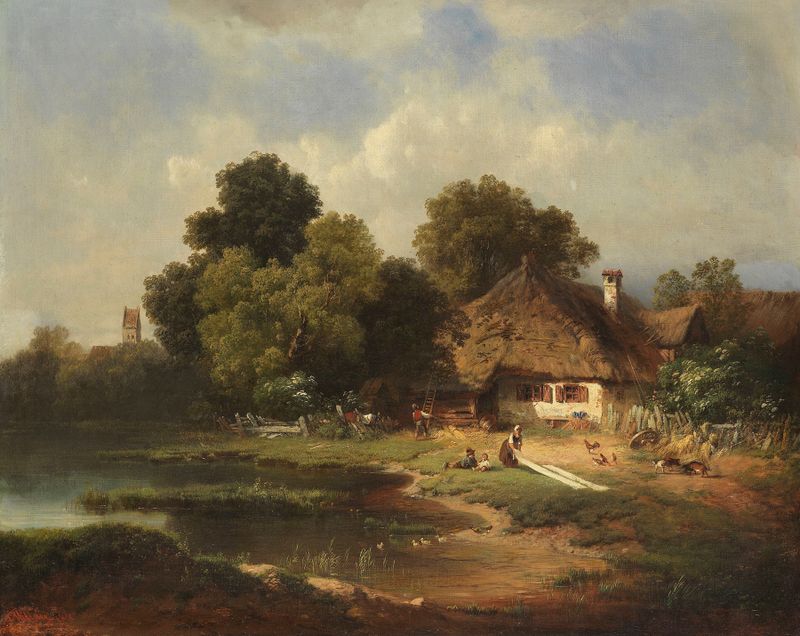
Landschaft mit Bauernhof
Carl Millner
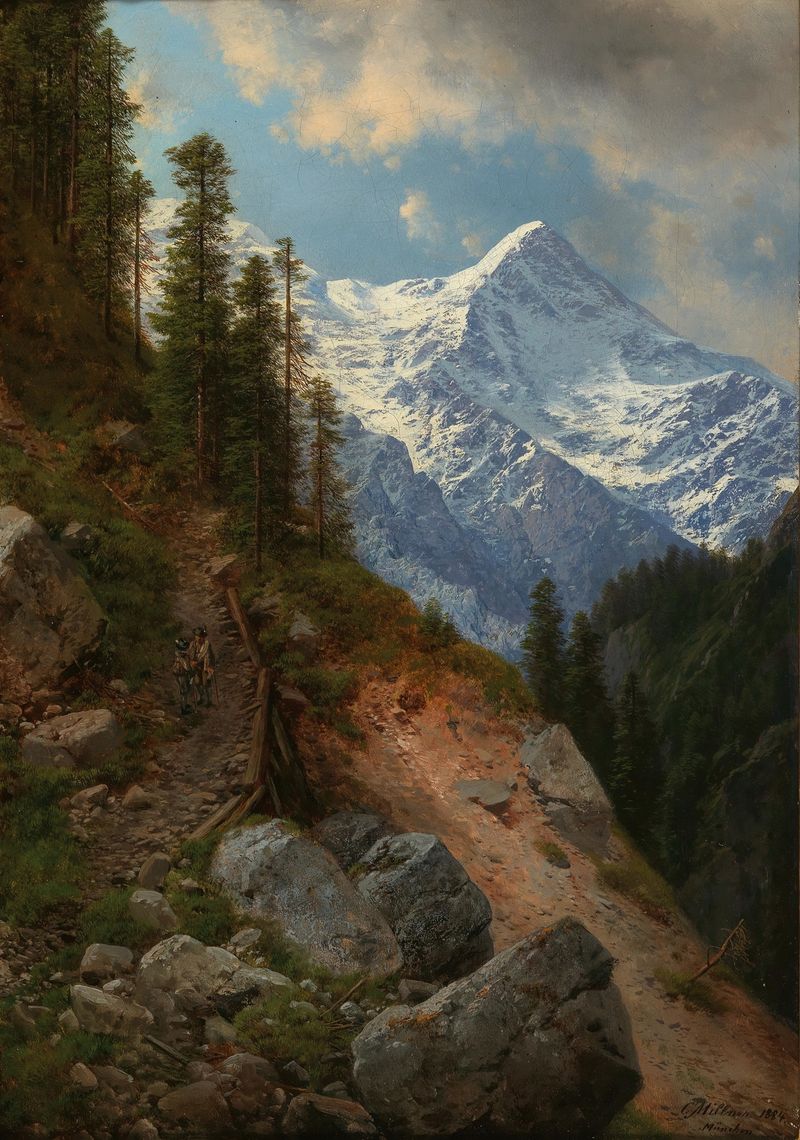
Alpinists Meeting in the French Alps with a View at Aiguille du Goûter in Chamonix-Mont-Blanc
Carl Millner

Der Alpsee bei Hohenschwangau
Carl Millner





