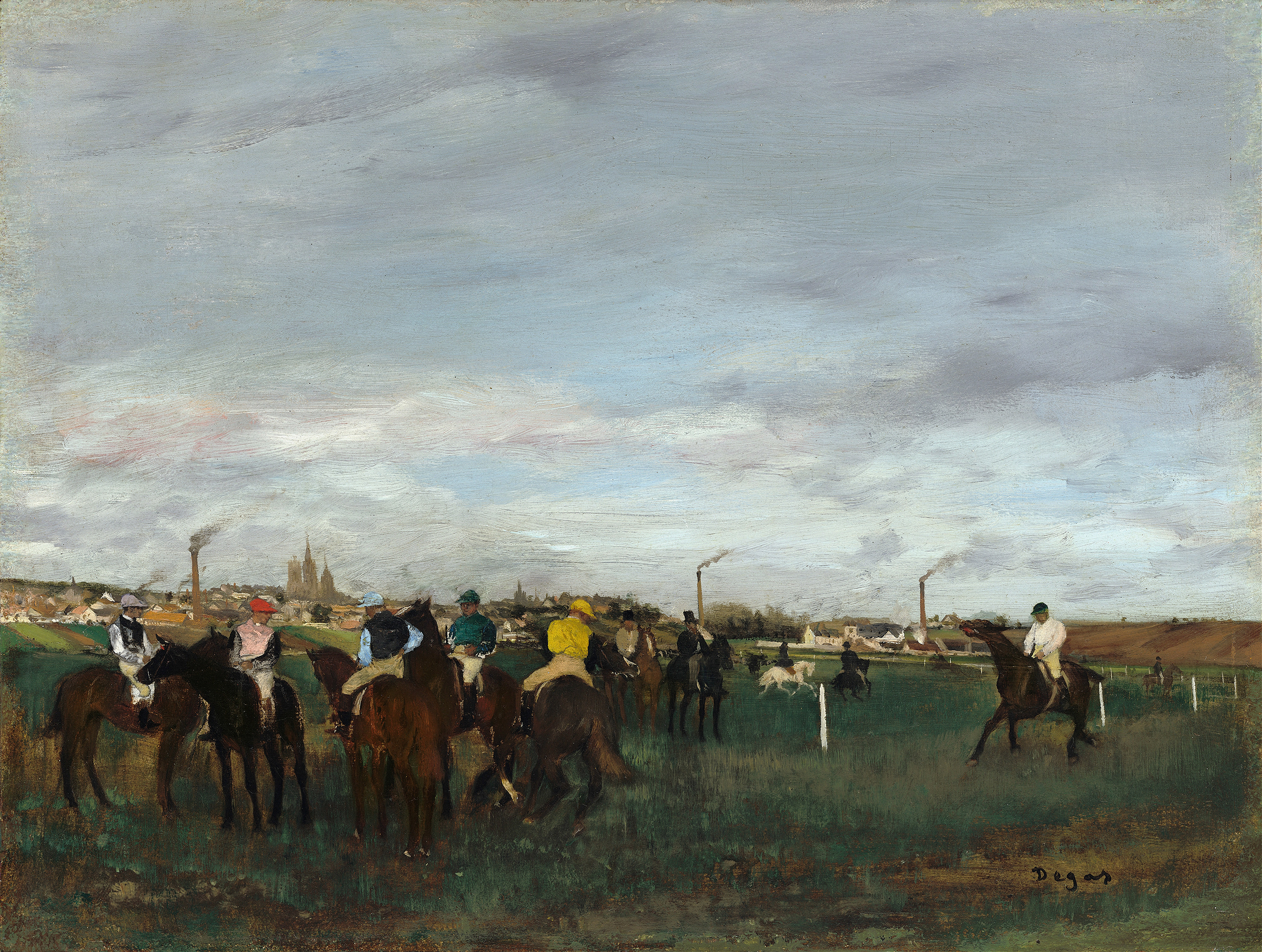
Discover insights about this artwork
The White Horse — History & Facts
In The White Horse, Paul Gauguin depicts a striking white horse set against a colorful landscape. The horse stands prominently, its coat gleaming in the light. Surrounding it are vibrant greens and blues, suggesting a lush environment.
The overall composition draws the viewer's eye to the horse, making it the focal point of the painting. This artwork is an oil on canvas, typical of Gauguin's style during the late 19th century. The brushwork is expressive, with bold colors that convey a sense of movement and life. The use of color contrasts enhances the horse's presence in the scene.
Gauguin's technique reflects his interest in the emotional impact of color and form. Paul Gauguin was a key figure in the Post-Impressionist movement, known for his use of color and symbolism. The White Horse was created during his time in Brittany, where he sought inspiration from rural life and nature. An interesting fact about this work is that it exemplifies Gauguin's departure from traditional representation, focusing instead on the emotional resonance of the subject.
This painting is part of a broader exploration of animals in his oeuvre.
More Artworks by Paul Gauguin
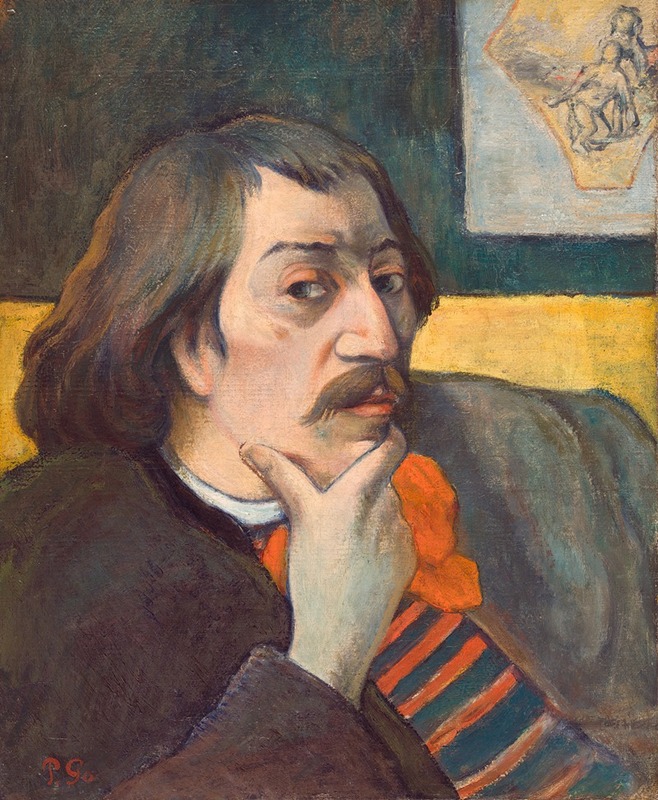
Self Portrait
Paul Gauguin
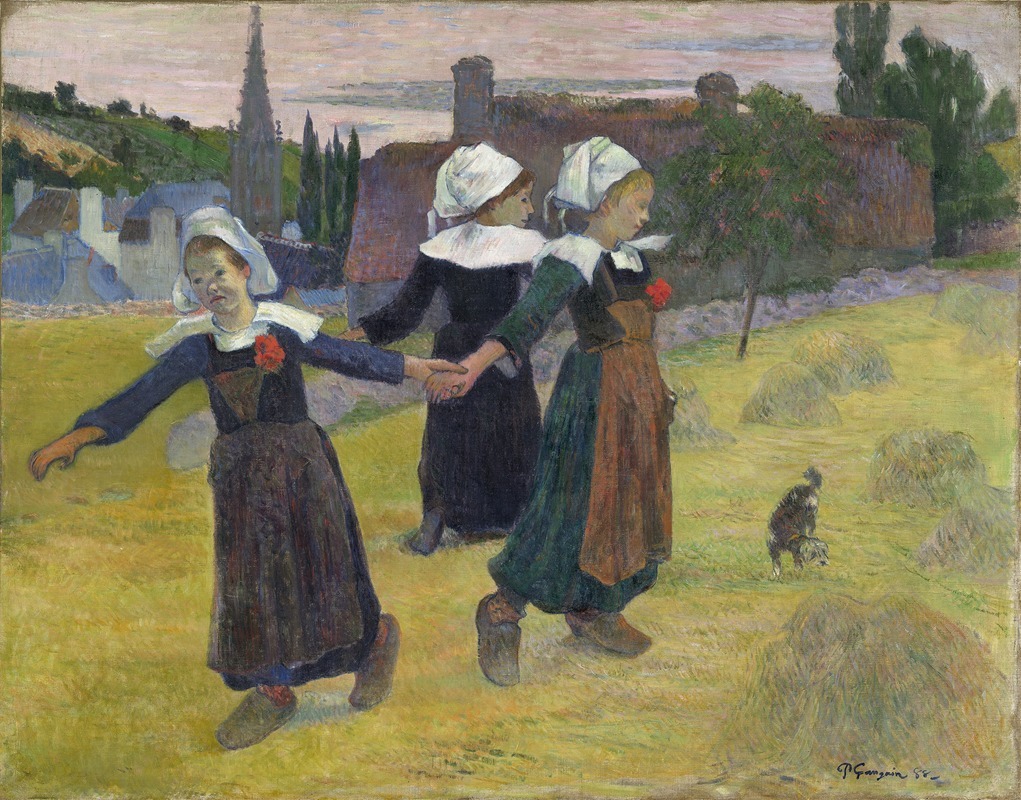
Breton Girls Dancing,Pont-Aven
Paul Gauguin
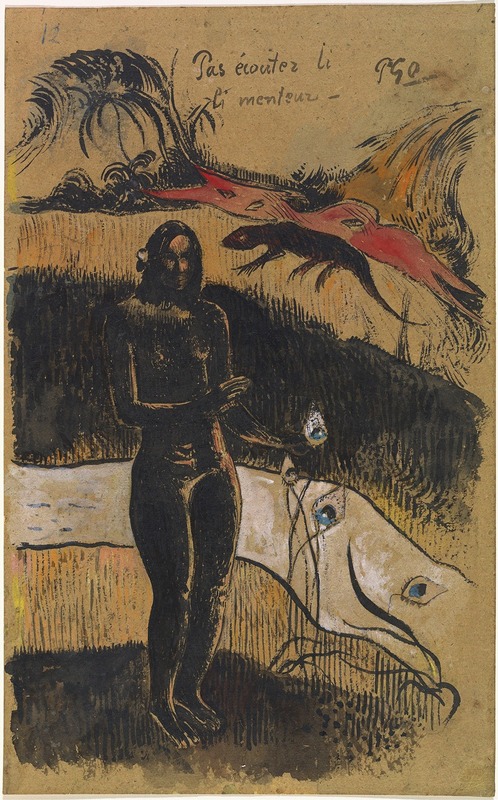
Nave Nave Fenua
Paul Gauguin
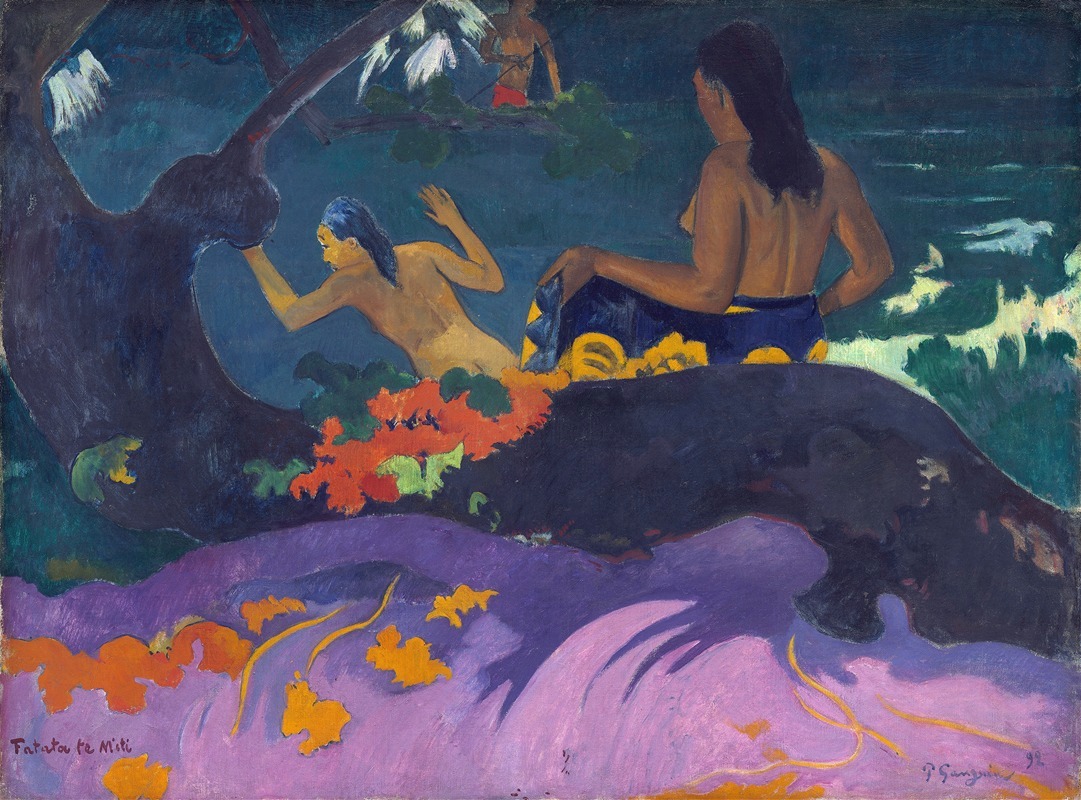
Fatata te Miti (By the Sea)
Paul Gauguin
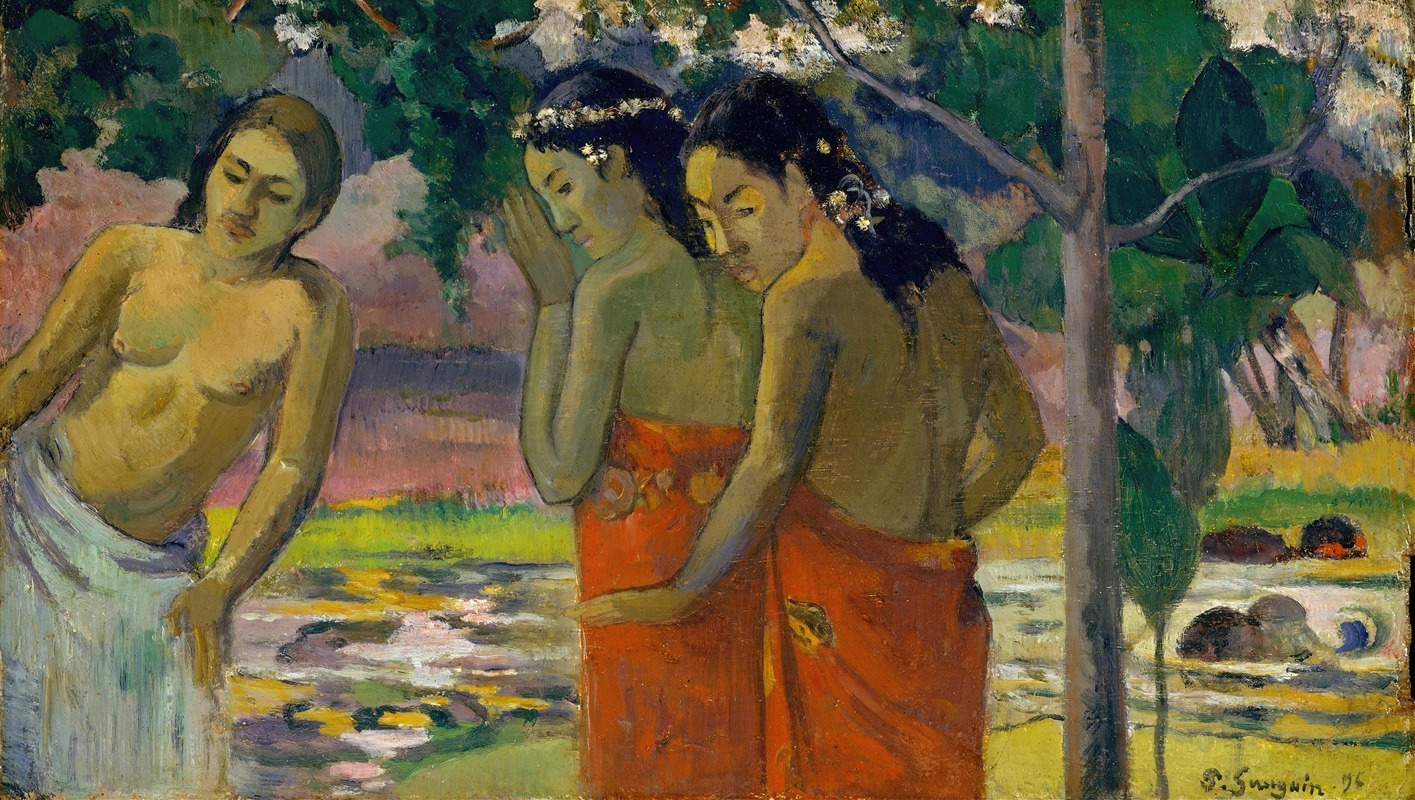
Three Tahitian Women
Paul Gauguin
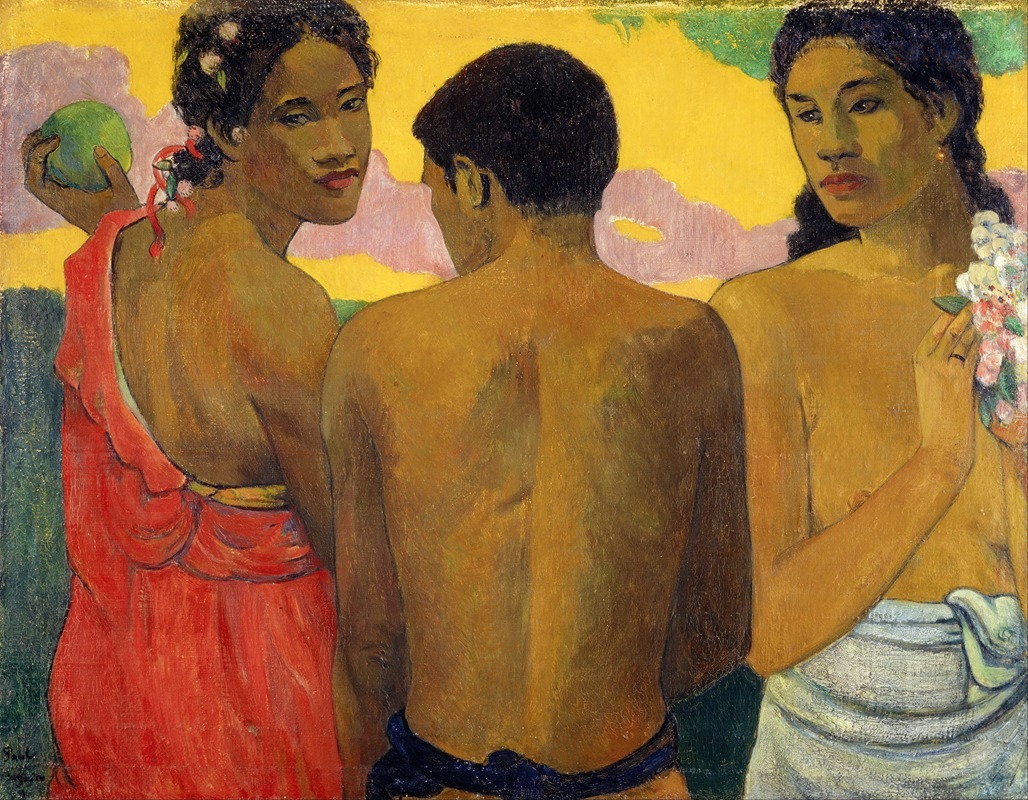
Three Tahitians
Paul Gauguin
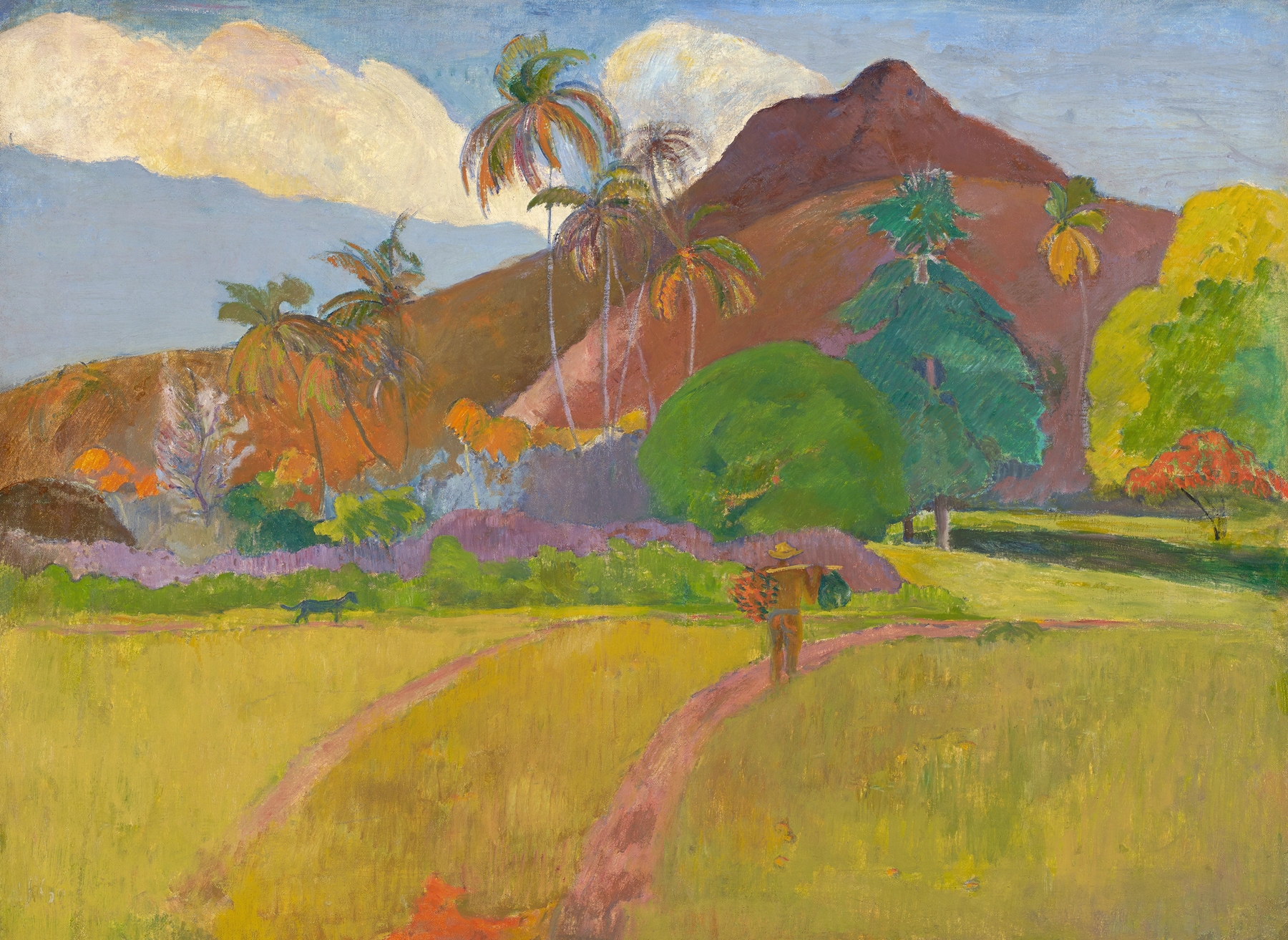
Tahitian Landscape
Paul Gauguin
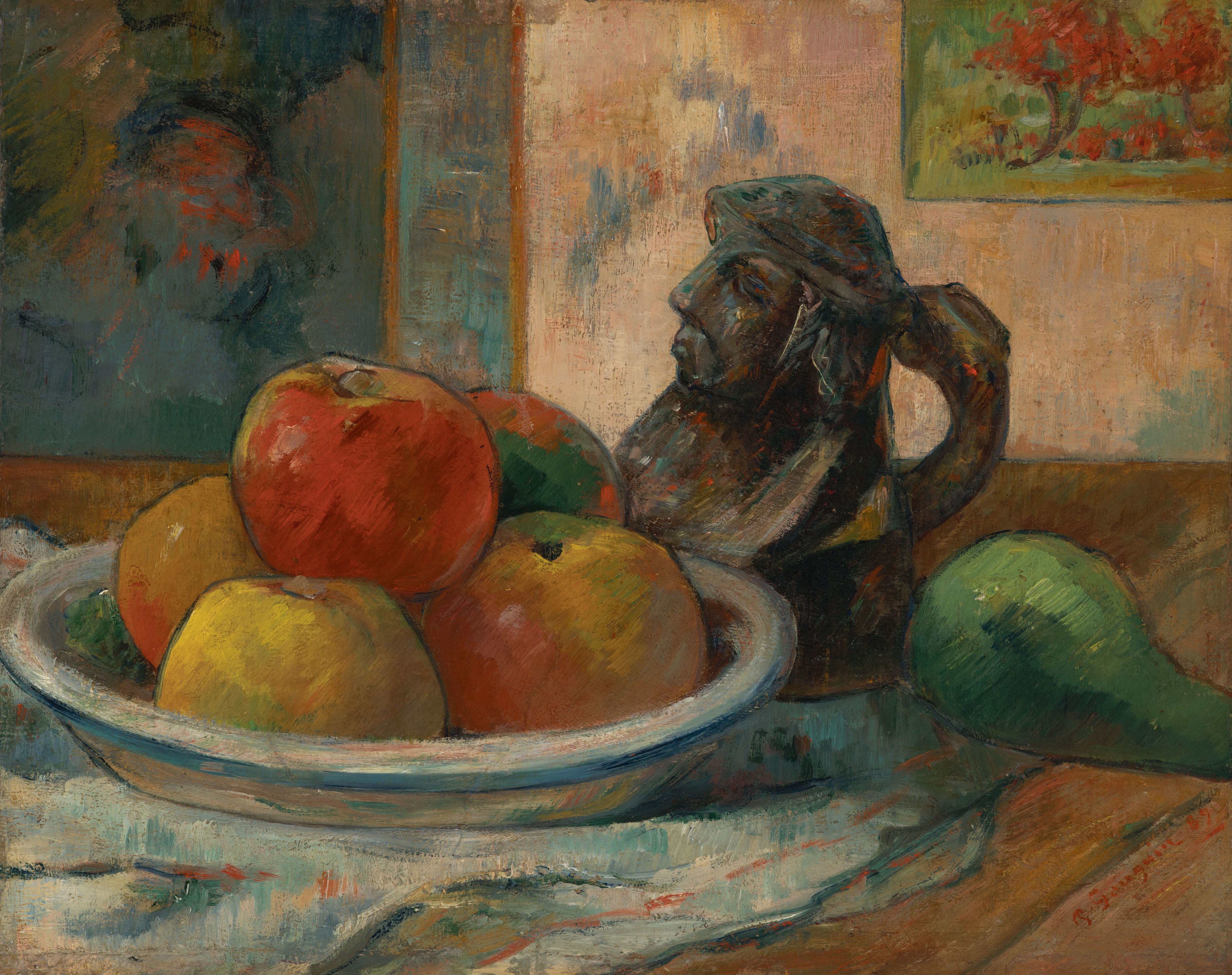
Still Life with Apples, a Pear, and a Ceramic Portrait Jug
Paul Gauguin
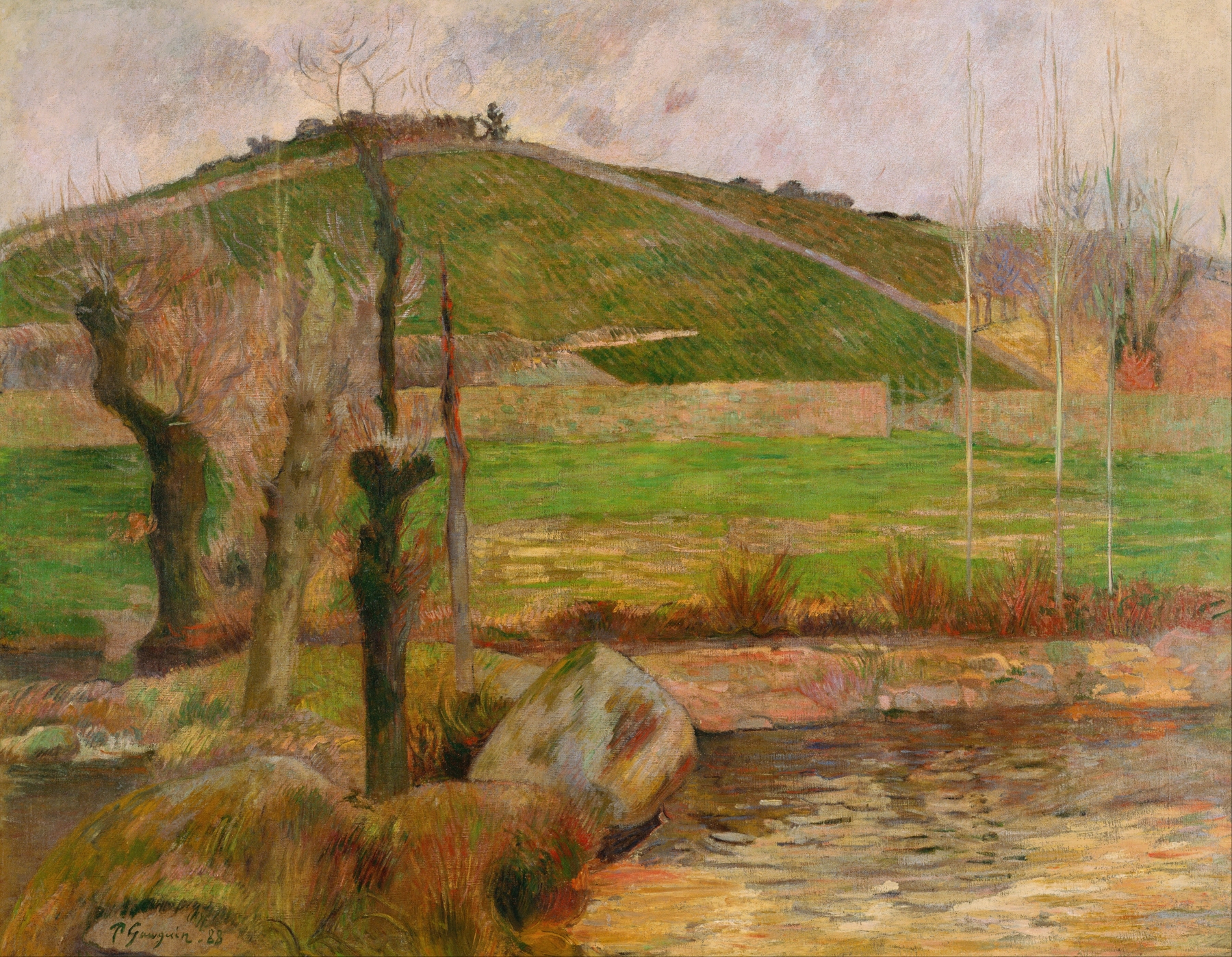
Landscape near Pont-Aven
Paul Gauguin

No te aha oe riri (Why Are You Angry?)
Paul Gauguin