The White Wall — History & Facts
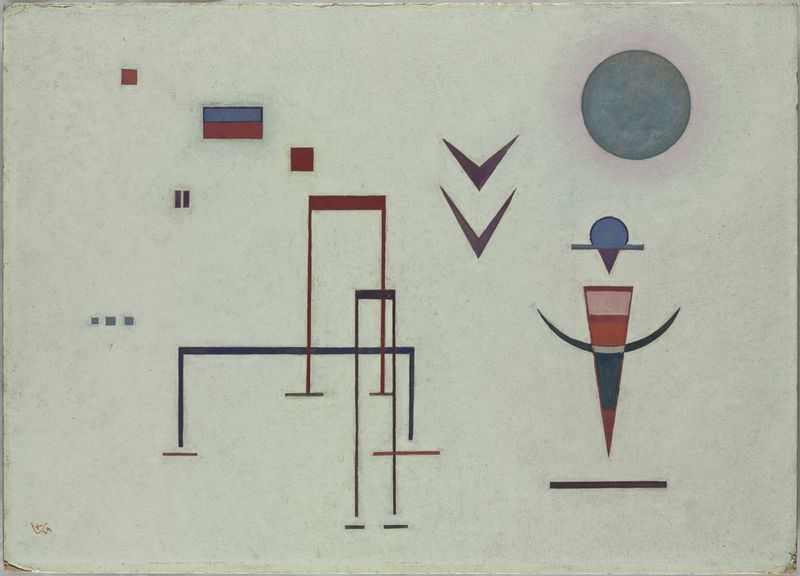
The act of creation often wrestles with the specter of loss, transforming it into something profoundly beautiful. In this delicate balance lies the heart of what art can achieve. Look to the center of the canvas, where the cool whites and subtle grays converge, creating a stark yet inviting backdrop. The texture reflects the artist's hand, rich and layered, while the muted palette evokes a somber tranquility.
Notice how the shadows dance along the surface, suggesting an intimate dialogue between light and absence. Each brushstroke seems to mirror a silent ache, a yearning for connection amidst isolation. Delve deeper into the composition's nuances, where the white wall stands not merely as a divider but as a poignant metaphor for emotional barriers. The space is filled with an overwhelming sense of stillness, yet hints of life lurk just outside its boundaries, as if memories persist beyond the frame.
The contrast between the emptiness and the textured chaos of the paint challenges the viewer to confront what lies beyond the visible — the grief, the longing, and the tenuous hope for resolution. In 1933, Brussels was in the grip of political and economic turmoil, a reflection of the broader European landscape. During this time, Brusselmans was immersed in exploring the subtleties of light and form, while grappling with his own sense of dislocation and identity. His work at this juncture is marked by a resolute introspection, revealing how personal and collective experiences of loss can intertwine within the realm of art.
More Artworks by Jean Brusselmans
Browse all →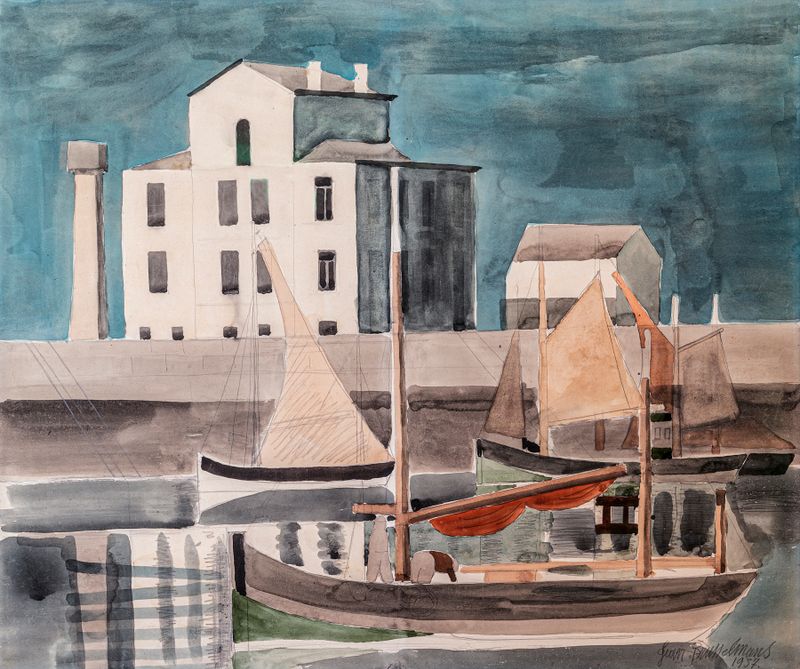
Haven van Oostende
Jean Brusselmans

Paysage Sint-Martens-Bodegem III
Jean Brusselmans

Tuinen
Jean Brusselmans

Winterlandschap (Sneeuwlandschap)
Jean Brusselmans

Vuurtoren te Oostende
Jean Brusselmans

The old Princess Bridge in Molenbeek-Saint-Jean
Jean Brusselmans

North Sea
Jean Brusselmans
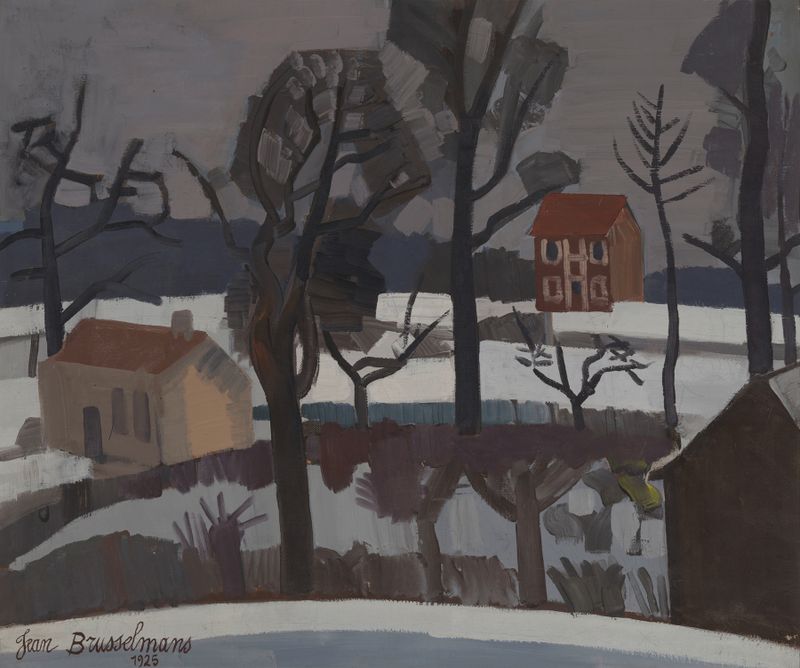
Winterlandschap (Sneeuwlandschap)
Jean Brusselmans
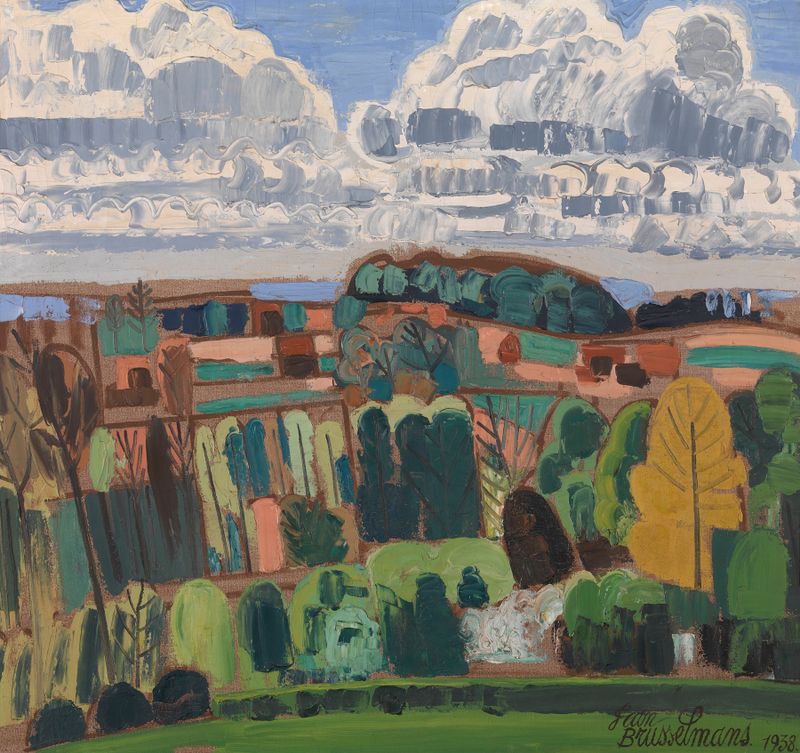
Pajottenland
Jean Brusselmans
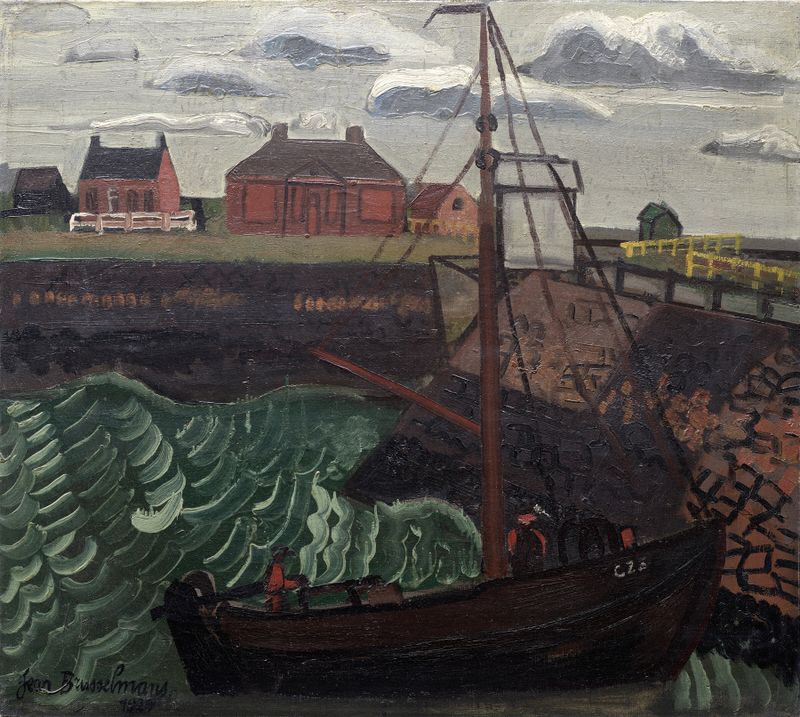
Port de pêche
Jean Brusselmans