
Theophile Schuler – Wood-floaters — History & Facts
In the delicate balance of creation, there lies an essence of rebirth—an invitation to witness transformation within the heart of nature. Look to the left of the canvas, where earthy tones swirl in a dance of browns and greens, depicting the sturdy silhouettes of towering trees. Notice how the light filters through the foliage, casting dappled shadows across the surface of the water below. The rhythmic strokes evoke movement, suggesting the gentle lapping of waves, while the vibrant palette brings life to the floating logs, each one a vessel of stories waiting to be told. As you delve deeper, pay attention to the contrasting elements at play—the stillness of the water versus the busyness of the trees.
The logs, in their serene drift, symbolize the cycle of life, hinting at ideals of rebirth and renewal. Each log seems to carry within it the weight of nature's passage, yet, paradoxically, they also embody a sense of freedom in their journey. The interplay of light and shadow further emphasizes this tension, reminding us that beauty often arises from decay. In 1881, Theodor Gsell Fels painted this piece during a period of artistic exploration in Europe, where nature was starting to be seen not just as a backdrop but as a central character in the narrative of art.
The artist, deeply influenced by the Romantic movement, sought to capture the raw emotion of the natural world, reflecting both the chaos and elegance that it embodies. This painting stands as a testament to his dedication to translating the wild beauty of his surroundings into a visual symphony.
More Artworks by Theodor Gsell Fels
Browse all →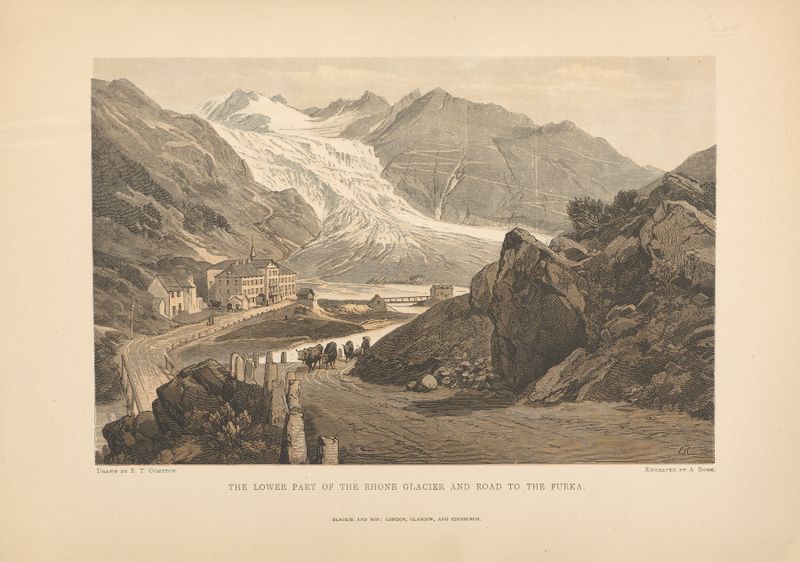
E. T. Compton – The Lower Part of the Rhone Glacier and Road to Furka
Theodor Gsell Fels

G. Closs – The Devil’s Bridge—St. Gothard Road, Schóllenen Gorge
Theodor Gsell Fels
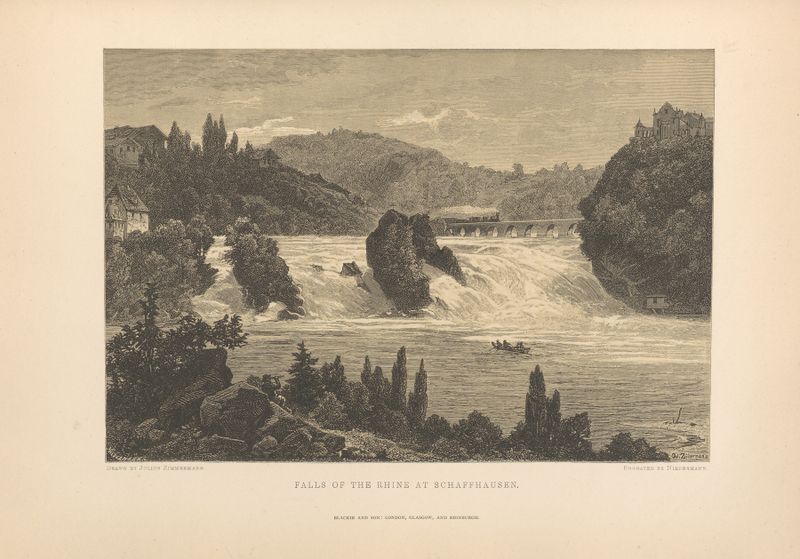
Julius Zimmermann – Falls of the Rhine at Schaffhausen
Theodor Gsell Fels
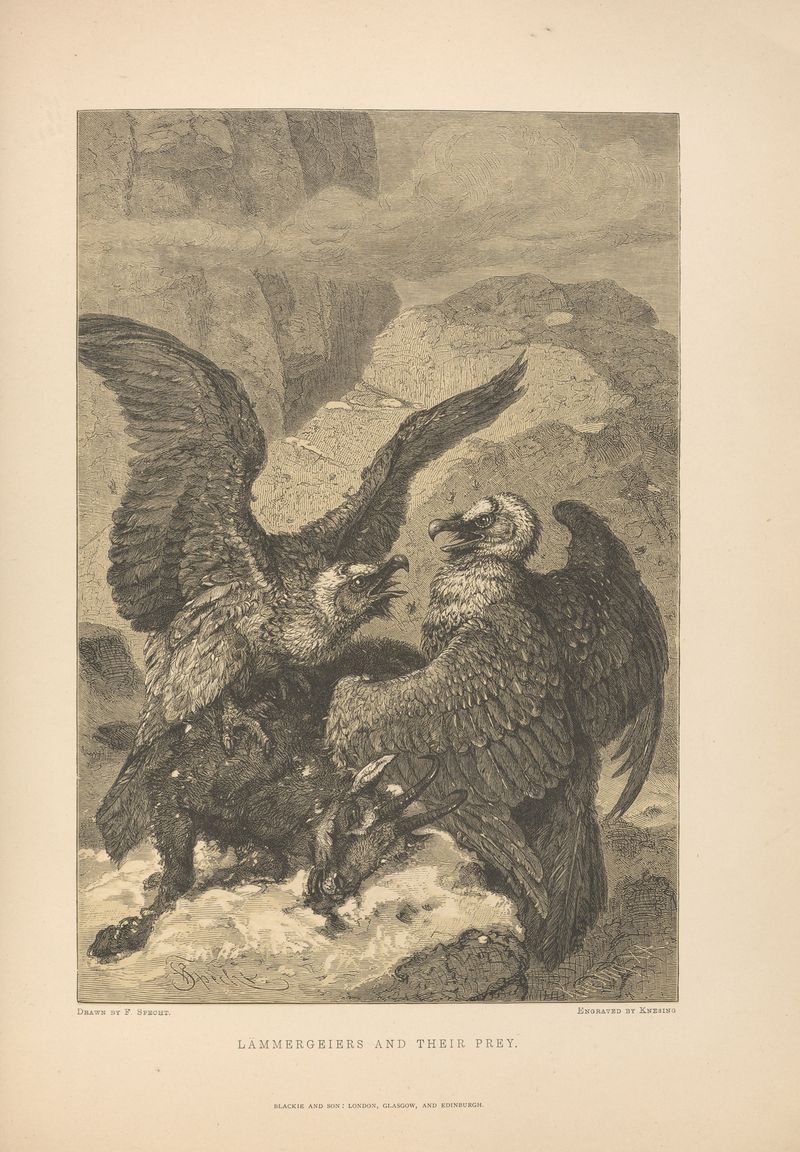
F. Specht – Lammergeiers and their Prey
Theodor Gsell Fels
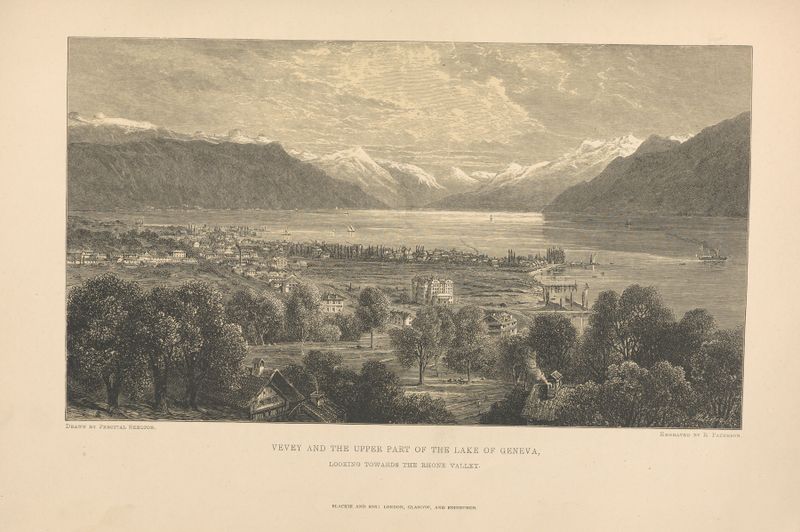
Percival Skelton – Vevay, and the Upper Part of the Lake of Geneva
Theodor Gsell Fels

E. T. Compton – The Jungfrau, and Opening of the Lauterbrunnen Valley
Theodor Gsell Fels

P. Weber – Departure of Steamer from Lucerne
Theodor Gsell Fels
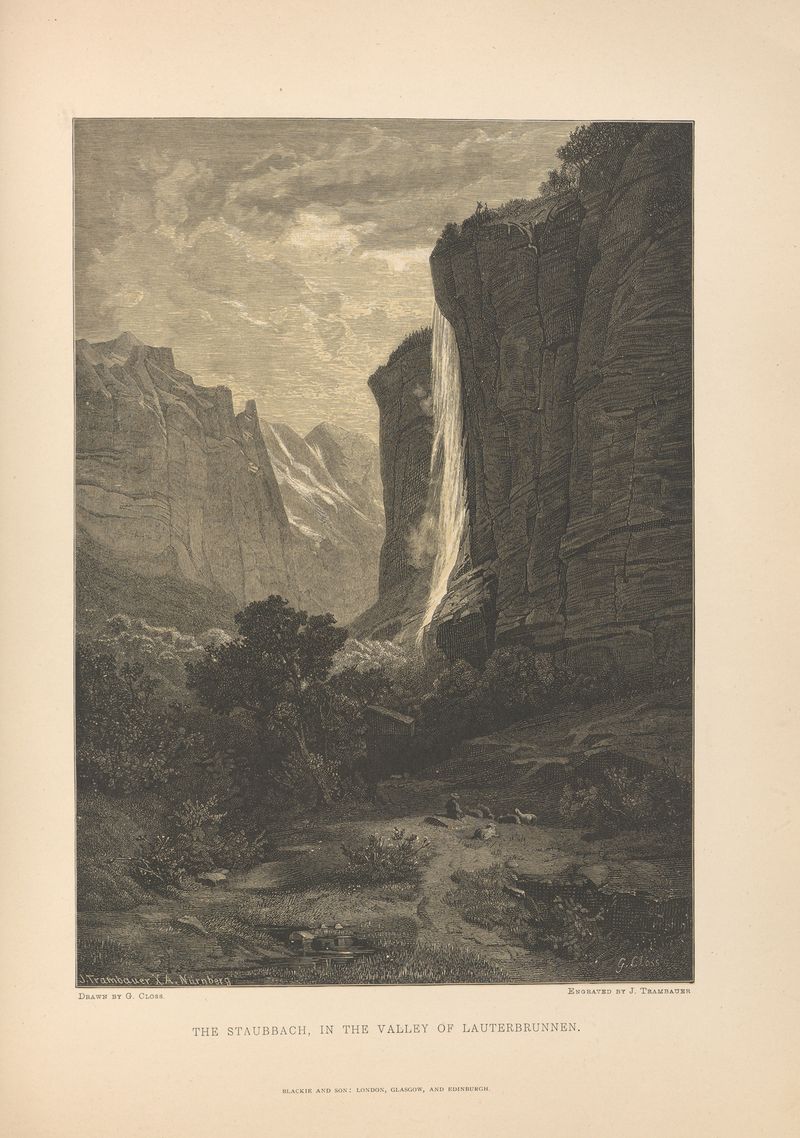
G. Closs – The Staubbach, in the Valley of Lauterbrunnen
Theodor Gsell Fels
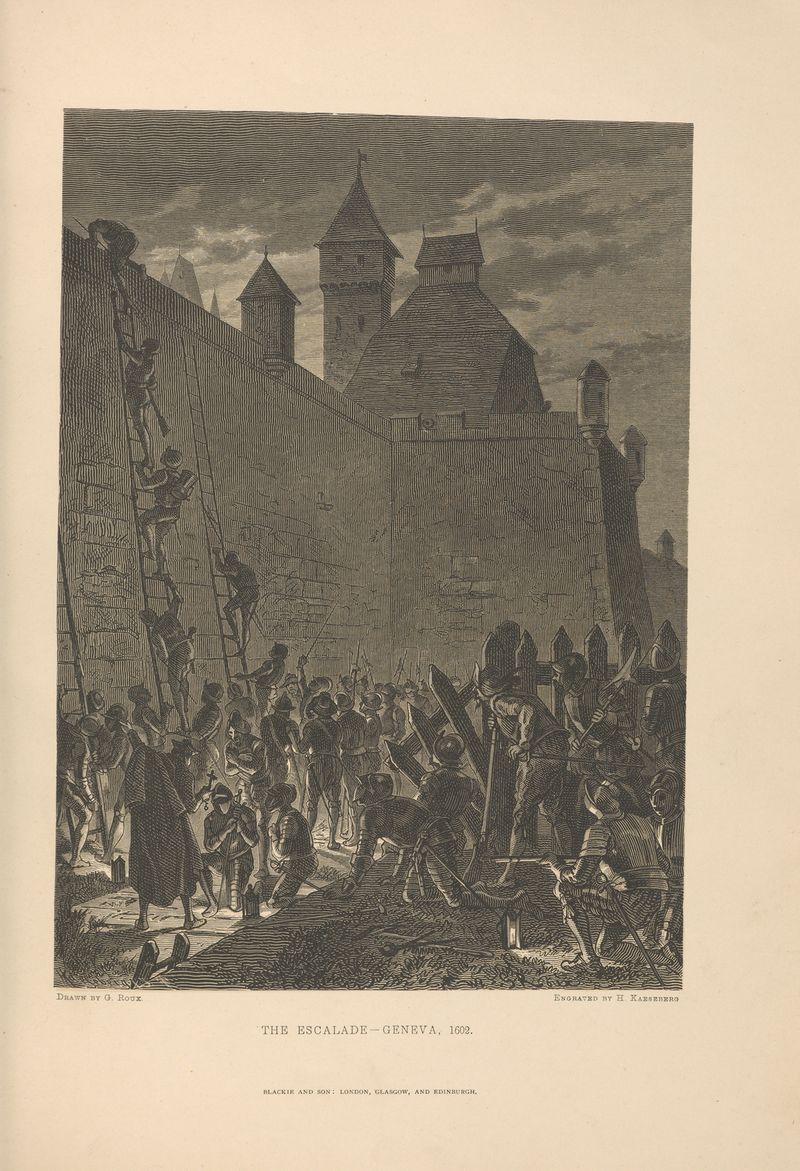
G. Roux – The Escalade, Geneva
Theodor Gsell Fels
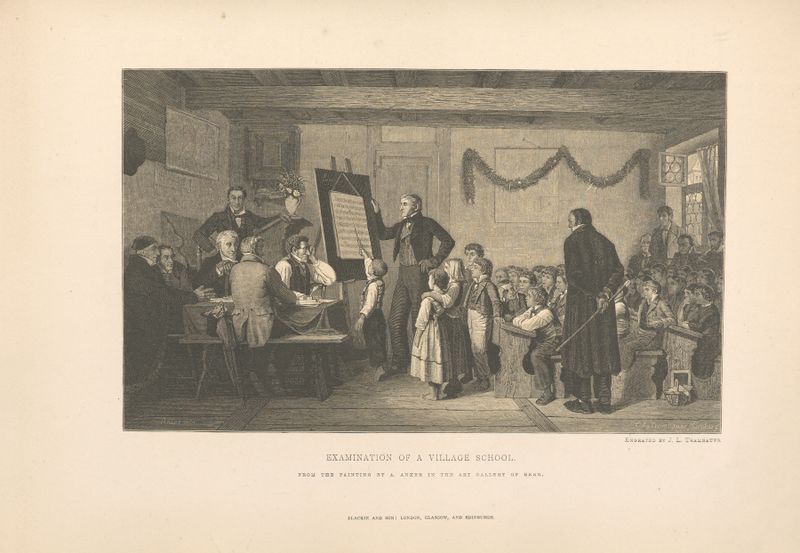
A. Anker – Examination of a Village School
Theodor Gsell Fels





