
Three oriental figures (Jacob and Laban?) — History & Facts
When did color learn to lie? In Three Oriental Figures (Jacob and Laban?), the truth of identity and intention lies just beneath the surface, waiting to be uncovered. Here, the vibrant hues and shadowy depths beckon the viewer into a world where the nuances of human interaction flicker between sincerity and deception. Focus on the figures at the center, illuminated by an ethereal light that seems to breathe life into their expressions. The warm tones of their garments hint at the richness of their cultures, while stark contrasts with the surrounding shadows evoke a sense of mystery and tension.
Notice how each gesture speaks volumes—the outstretched hand, the averted gaze—crafted with exquisite detail to reveal the complex web of emotions at play. As you delve deeper, consider the cultural connotations of the Eastern attire juxtaposed against the Western artist’s brush. These contrasting elements provoke questions about identity and belonging, suggesting an awakening to the themes of betrayal and trust inherent in friendship. The fabric patterns, meticulously rendered, are not merely decorative; they symbolize the intricate layers of connection that define relationships, hinting at the potential for both alliance and conflict. Rembrandt created this work in 1641 while residing in Amsterdam, a hub of international trade and cultural exchange.
During this period, he was exploring the depths of human emotions and interactions, reflecting the complexities of his own life marked by financial troubles and personal losses. This painting, showcasing his mastery of light and shadow, captures the essence of that tumultuous moment in history, where the personal and political intertwined, echoing the universal themes of trust and deceit.
More Artworks by Rembrandt van Rijn
Browse all →
The Night Watch Militia Company of District II under the Command of Captain Frans Banninck Cocq
Rembrandt van Rijn

The Return of the Prodigal Son
Rembrandt van Rijn

The Hundred Guilder Print: the figures leaning on the wall in the centre left
Rembrandt van Rijn

The Hundred Guilder Print: the central piece with Christ preaching, the plate arched
Rembrandt van Rijn

Isaac and Rebecca, Known as ‘The Jewish Bride’
Rembrandt van Rijn
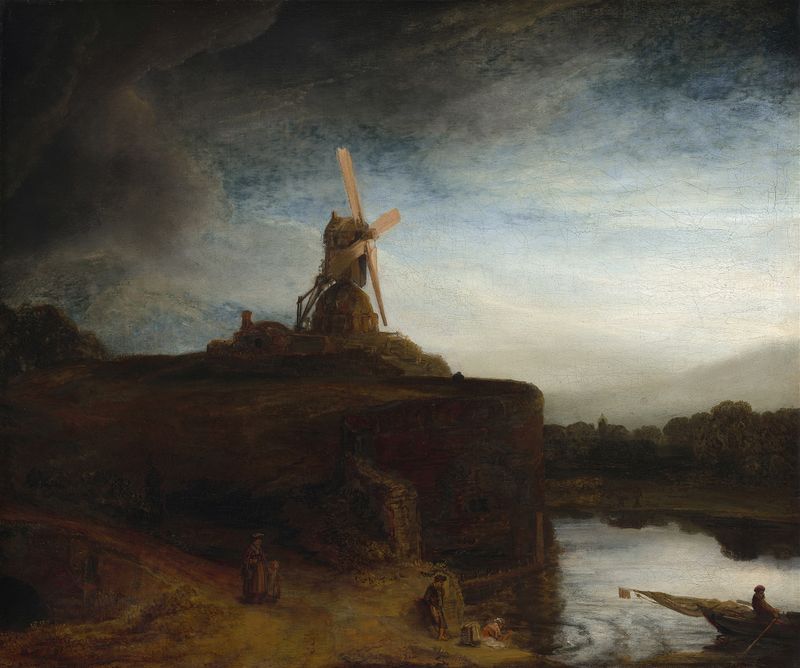
The Mill
Rembrandt van Rijn

The Sampling Officials of the Amsterdam Drapers’ Guild, Known as ‘The Syndics’
Rembrandt van Rijn

The return of the prodigal son
Rembrandt van Rijn
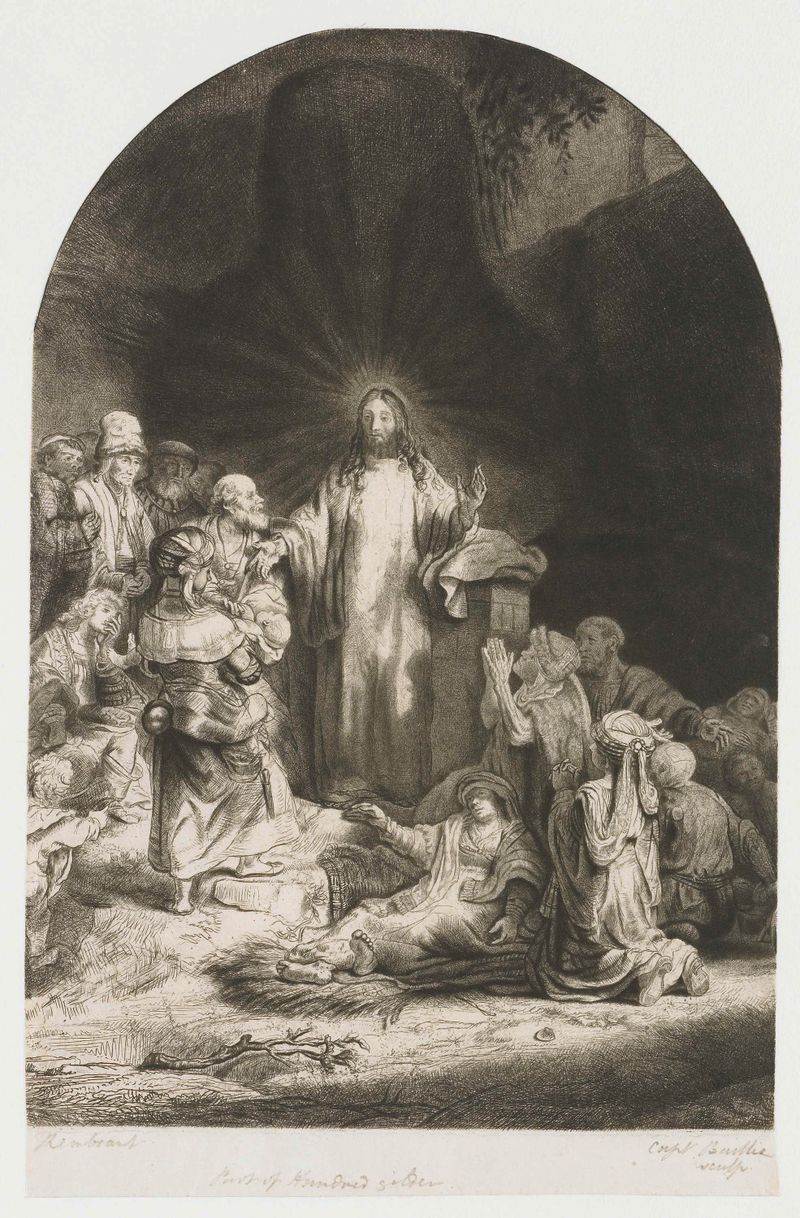
The Hundred Guilder Print: the central piece with Christ preaching, the plate arched
Rembrandt van Rijn

The Hundred Guilder Print: the man seen on the back in the lower left corner
Rembrandt van Rijn
More Religious Art
Browse all →The Return of the Prodigal Son
Rembrandt van Rijn

The Garden of Earthly Delights
El Bosco

Count Orgaz’ funeral
El Greco
The Hundred Guilder Print: the central piece with Christ preaching, the plate arched
Rembrandt van Rijn

The Descent from the Cross
Rogier van der Weyden
The return of the prodigal son
Rembrandt van Rijn