
Three oriental figures (Jacob and Laban?) — History & Facts
In the presence of Three Oriental Figures (Jacob and Laban?), one is compelled to contemplate the weight of truth and its many facades. Each brushstroke captures not just forms, but the profound essence of human interaction shrouded in mystery, inviting viewers to delve into layers of meaning. Focus on the three figures in the foreground, each cloaked in rich, intricate fabrics that play with the light. Notice how the warm tones of ochre and deep umber contrast against the cooler shadows, creating depth that draws the eye towards their expressive gestures.
The positioning of the figures suggests a charged moment of exchange, where tension hangs palpably in the air, and their faces, painted with meticulous detail, reflect a blend of contemplation and urgency. Beneath the surface, the painting encapsulates a dialogue on trust and betrayal. The intense gazes exchanged between the figures suggest a complex relationship, possibly implicating themes of deception intertwined with familial bonds. The subtle play of light and dark not only highlights their physical presence but symbolizes the moral ambiguity of their interaction, enriching the narrative with layers of emotional depth. During the period from 1850 to 1906, the artist worked through a transformative phase in his career, exploring new techniques and themes influenced by the socio-political shifts of the time.
Engaged with the intricacies of human relationships and the quest for authenticity in his work, his exploration in this painting reflects a culmination of his lifelong dedication to understanding the human condition, even as the art world was evolving around him.
More Artworks by Rembrandt van Rijn
Browse all →
The Night Watch Militia Company of District II under the Command of Captain Frans Banninck Cocq
Rembrandt van Rijn

The Return of the Prodigal Son
Rembrandt van Rijn

The Hundred Guilder Print: the figures leaning on the wall in the centre left
Rembrandt van Rijn

The Hundred Guilder Print: the central piece with Christ preaching, the plate arched
Rembrandt van Rijn

Isaac and Rebecca, Known as ‘The Jewish Bride’
Rembrandt van Rijn
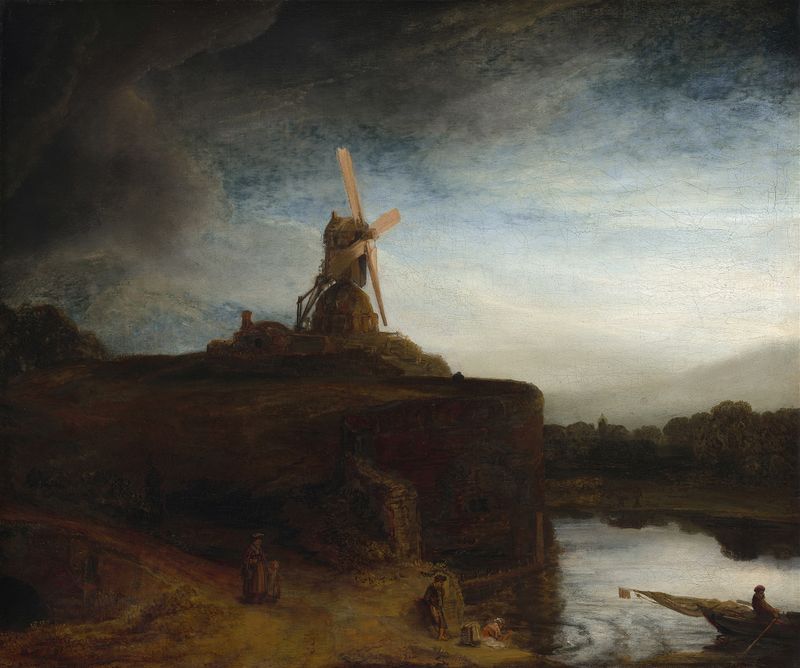
The Mill
Rembrandt van Rijn

The Sampling Officials of the Amsterdam Drapers’ Guild, Known as ‘The Syndics’
Rembrandt van Rijn

The return of the prodigal son
Rembrandt van Rijn
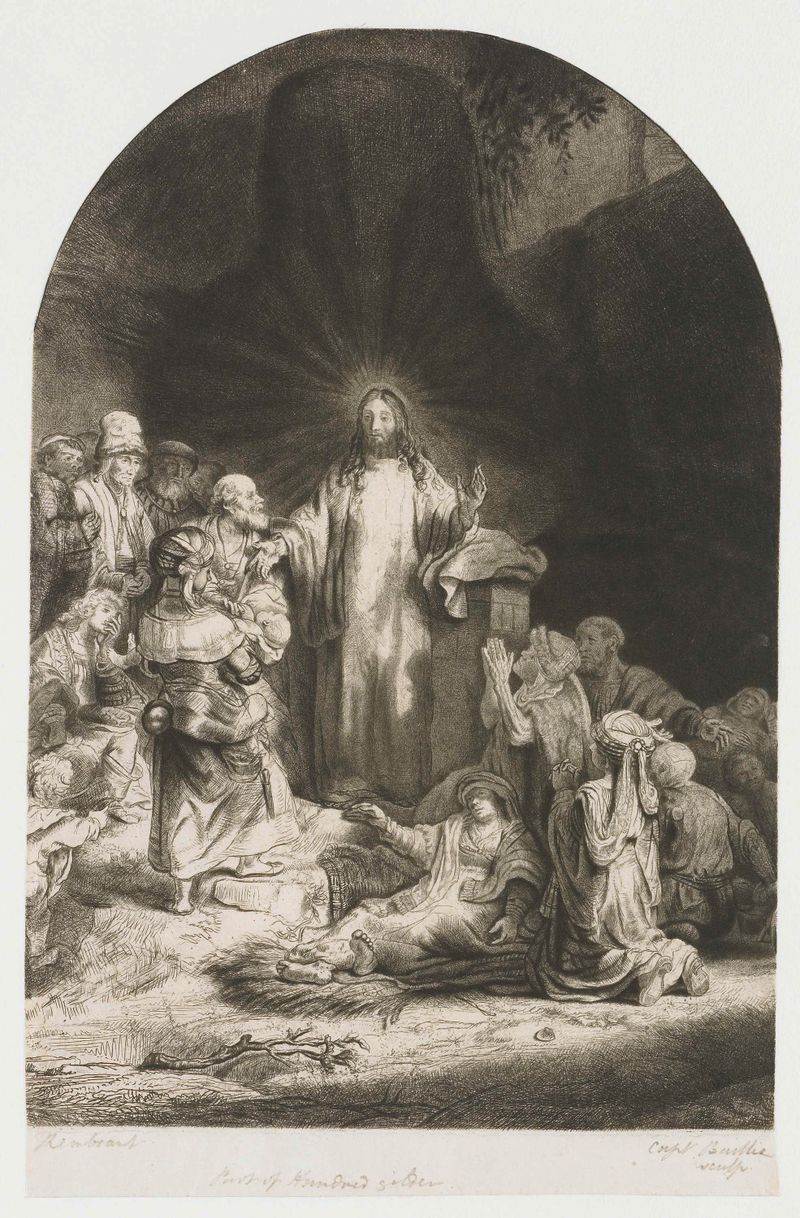
The Hundred Guilder Print: the central piece with Christ preaching, the plate arched
Rembrandt van Rijn

The Hundred Guilder Print: the man seen on the back in the lower left corner
Rembrandt van Rijn
More Religious Art
Browse all →The Return of the Prodigal Son
Rembrandt van Rijn

The Garden of Earthly Delights
El Bosco

Count Orgaz’ funeral
El Greco
The Hundred Guilder Print: the central piece with Christ preaching, the plate arched
Rembrandt van Rijn

The Descent from the Cross
Rogier van der Weyden
The return of the prodigal son
Rembrandt van Rijn