Discover insights about this artwork
Three oriental figures — History & Facts
In Three Oriental Figures, we see three figures dressed in elaborate, colorful garments. The use of rich reds, blues, and golds creates a striking contrast against a dark background. Each figure displays distinct features, suggesting a cultural richness and diversity.
The setting is minimal, focusing attention on the figures themselves. The painting is executed in oil on canvas, a common medium for Rembrandt. The brushwork is detailed, allowing for intricate textures in the clothing and skin tones. Light plays a significant role, highlighting the faces and garments while casting shadows that add depth.
This technique is characteristic of the Dutch Golden Age, showcasing Rembrandt's skill in chiaroscuro. Rembrandt van Rijn, a prominent figure of the Dutch Golden Age, often explored themes of identity and cultural diversity. Three Oriental Figures reflects his interest in the exotic and the other, a common fascination in 17th-century Europe. Interestingly, this work may have been inspired by the growing trade and cultural exchanges with the East during this period.
It serves as a testament to Rembrandt's ability to capture the essence of his subjects.
More Artworks by Rembrandt van Rijn
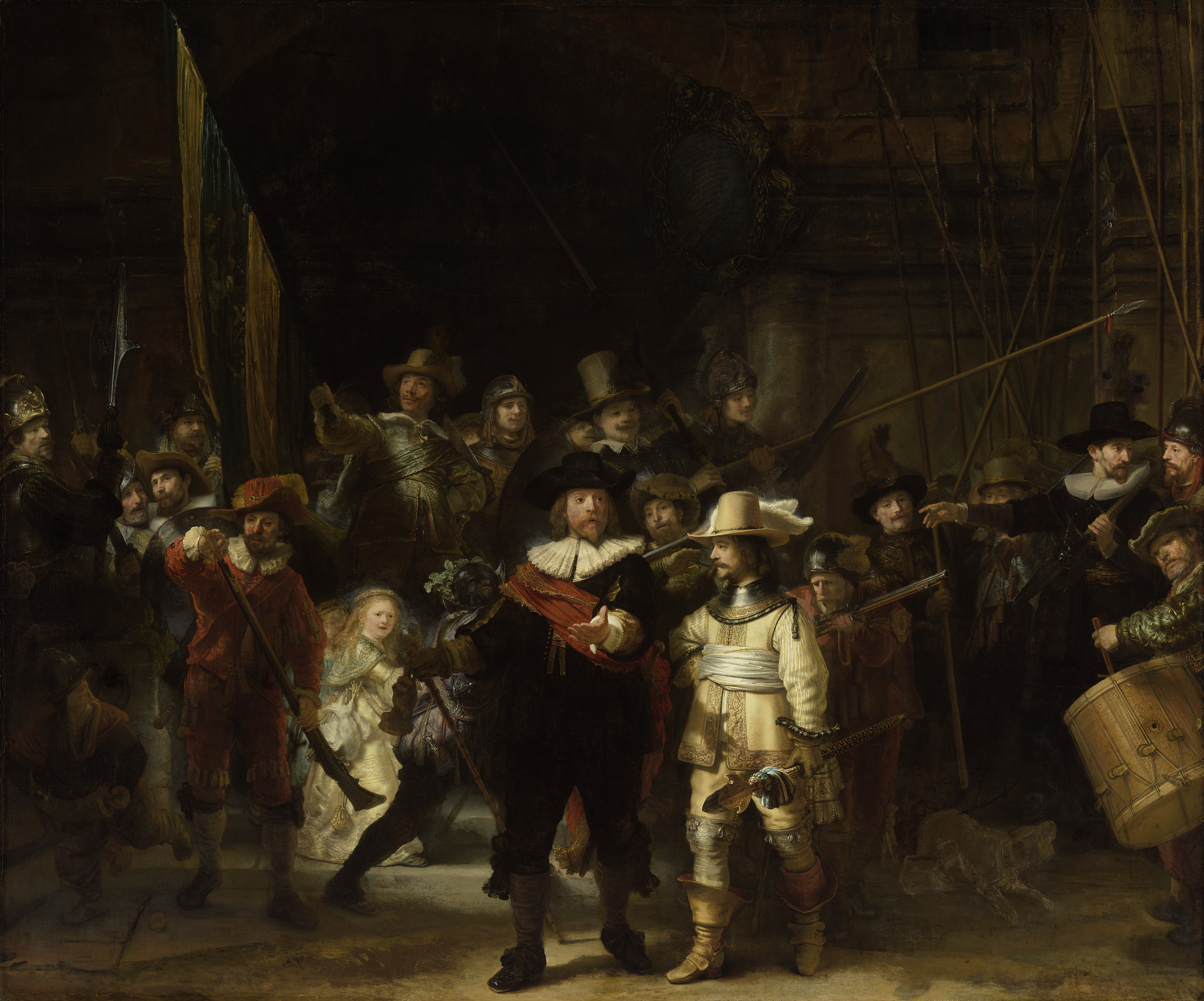
The Night Watch Militia Company of District II under the Command of Captain Frans Banninck Cocq
Rembrandt van Rijn
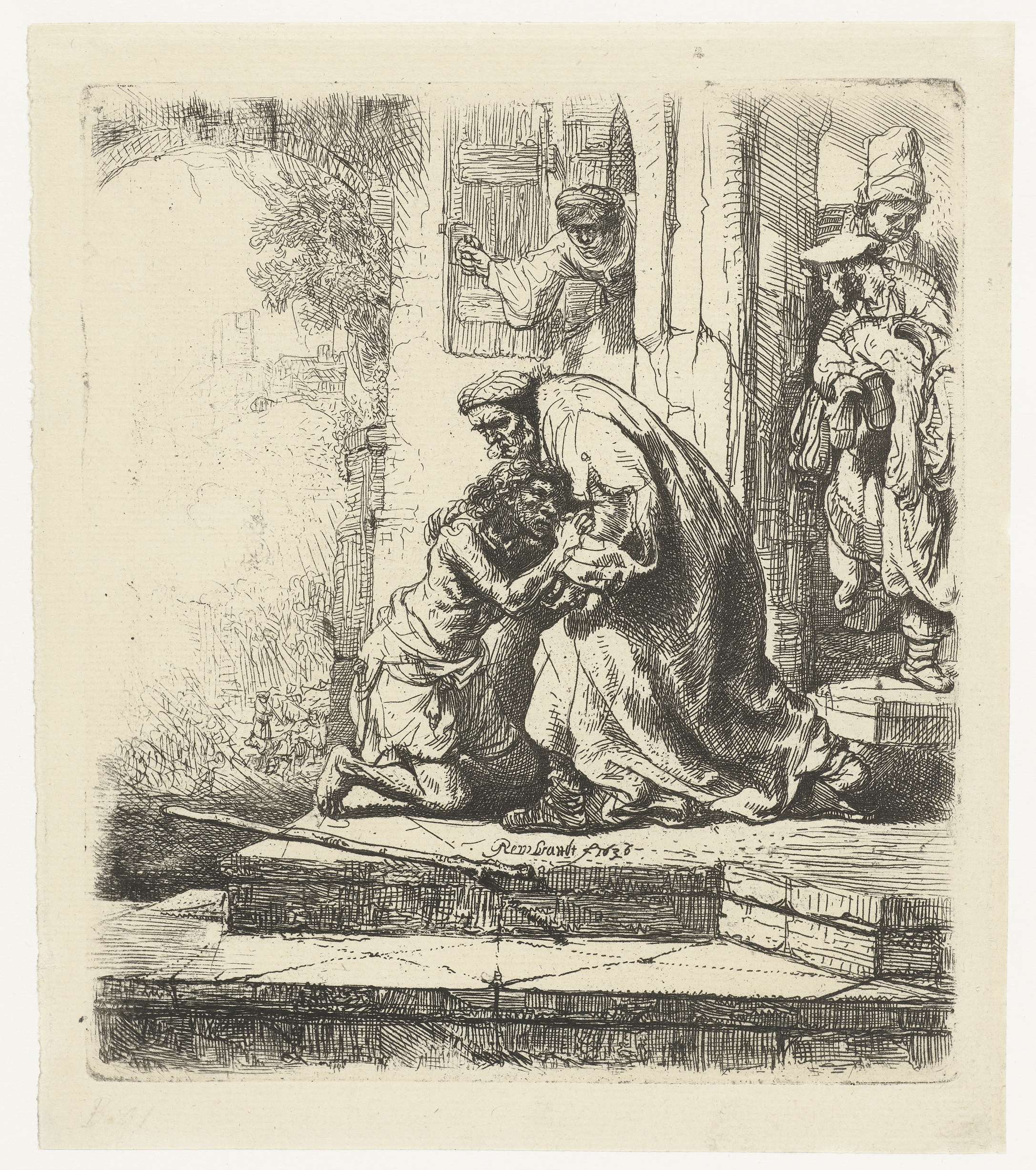
The Return of the Prodigal Son
Rembrandt van Rijn
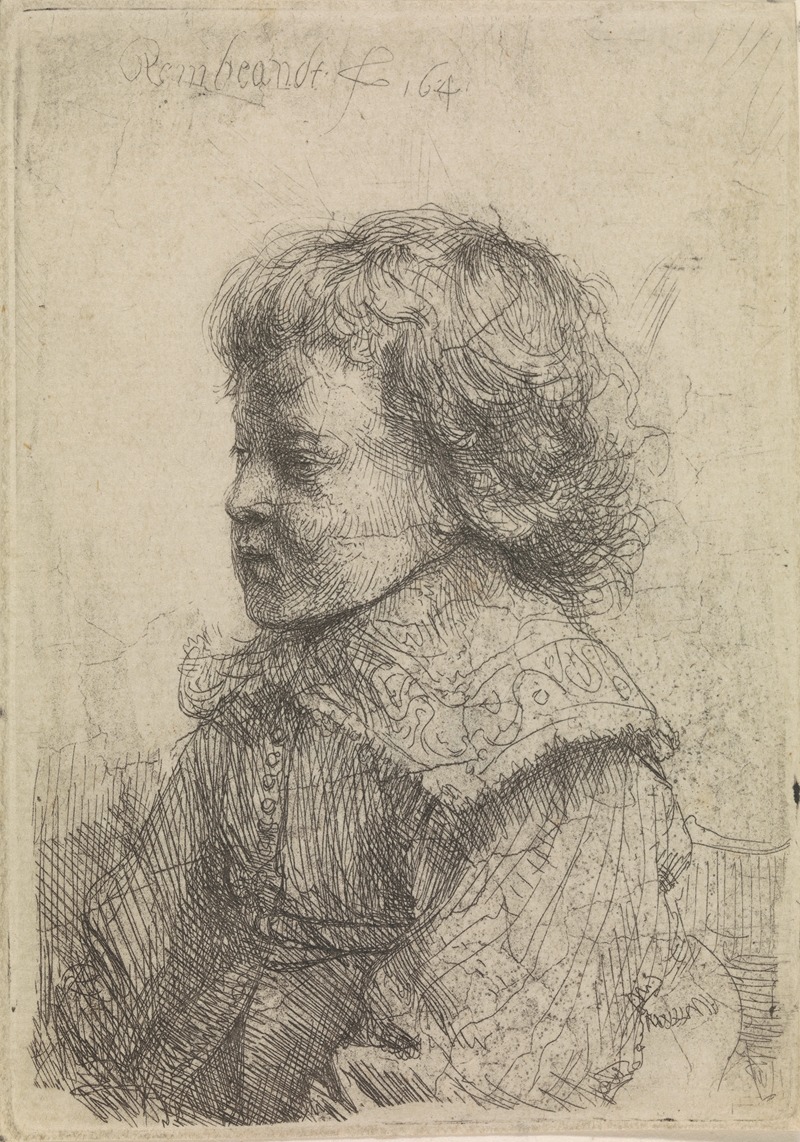
Portrait of a boy in profile
Rembrandt van Rijn
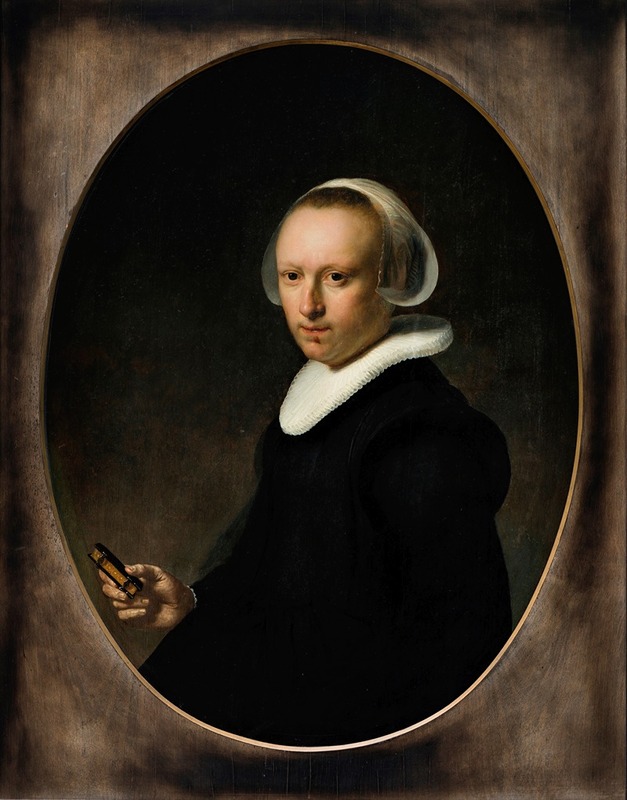
Portrait of a 39-year-old Woman
Rembrandt van Rijn
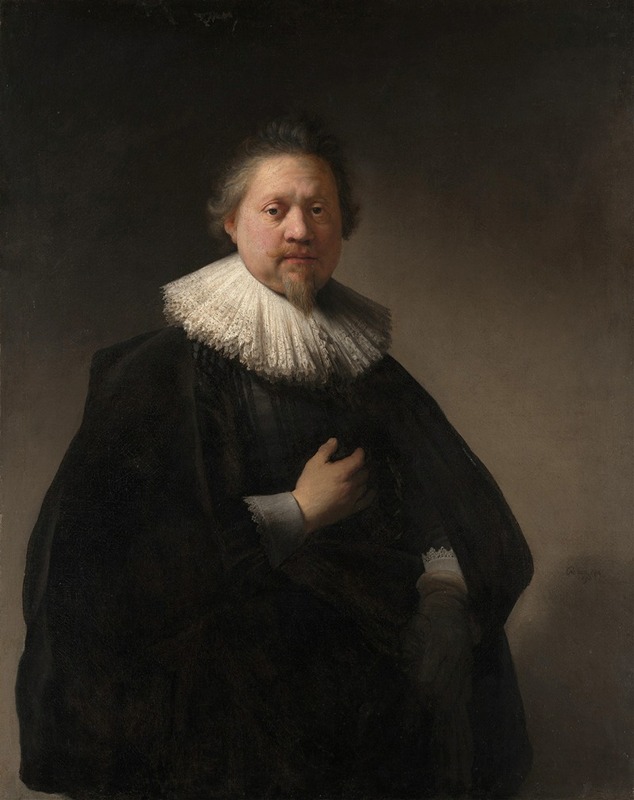
Portrait of a Man
Rembrandt van Rijn
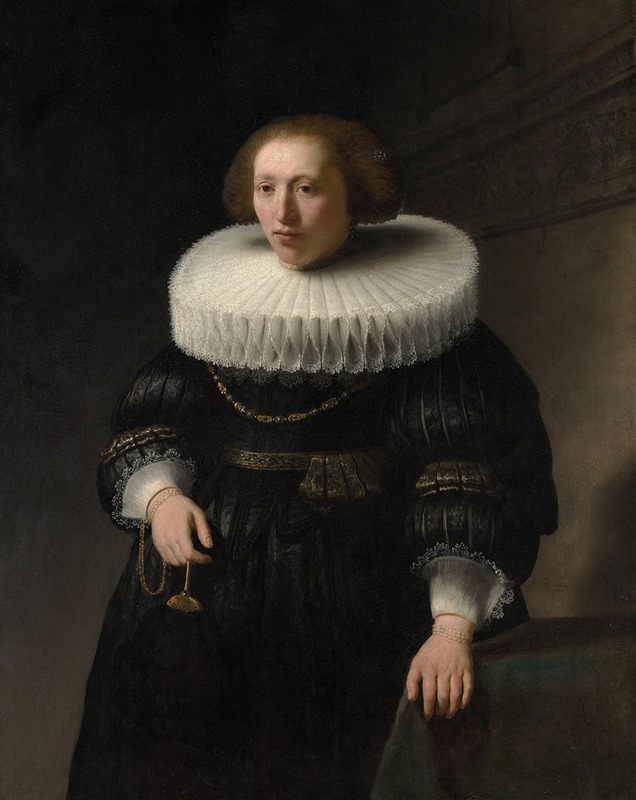
Portrait of a Woman
Rembrandt van Rijn
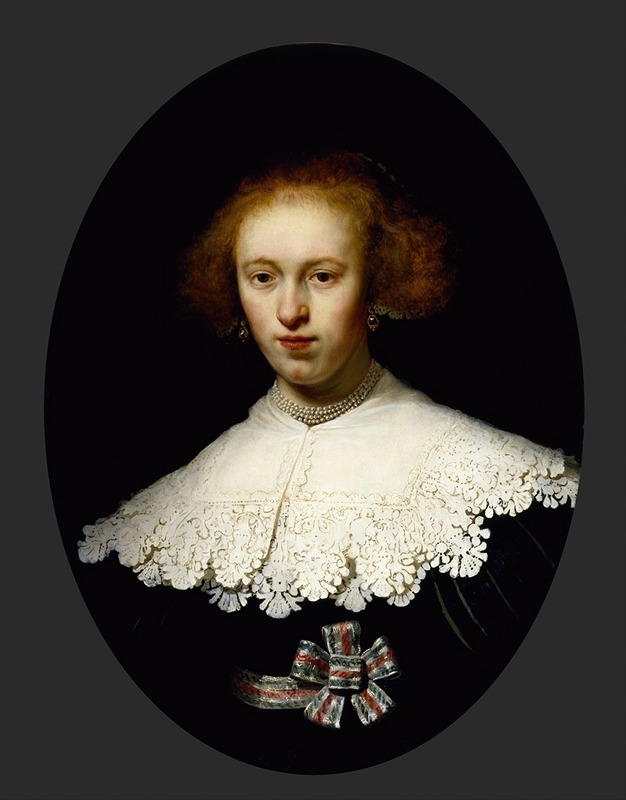
Portrait of a Young Woman
Rembrandt van Rijn
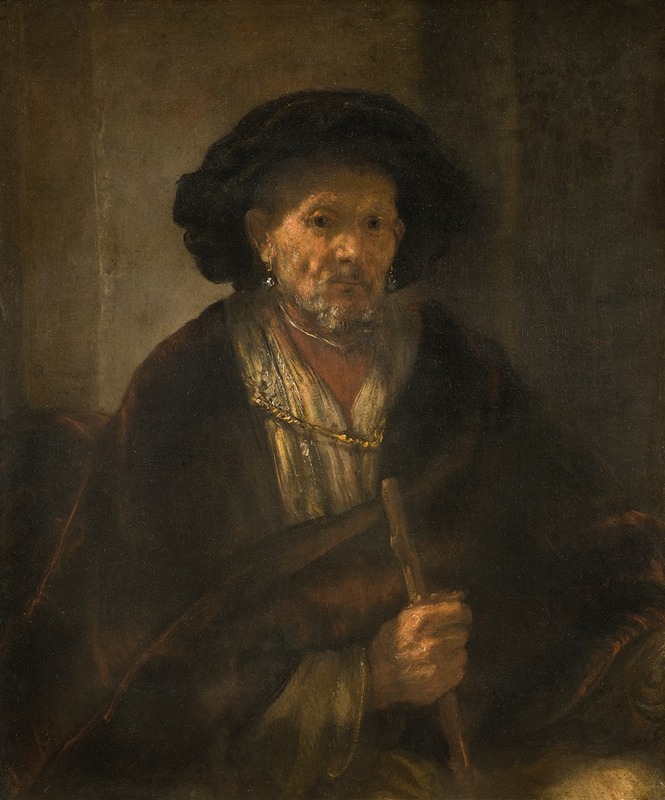
Portrait of an Old Man
Rembrandt van Rijn
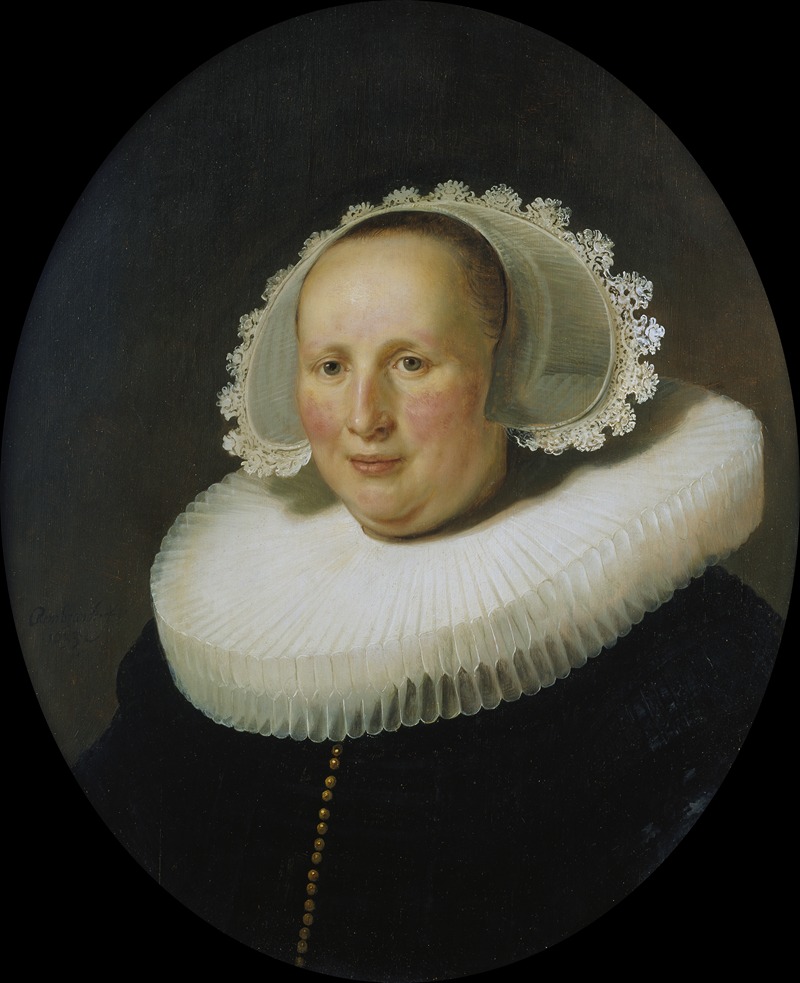
Portrait of Maertgen van Bilderbeecq
Rembrandt van Rijn
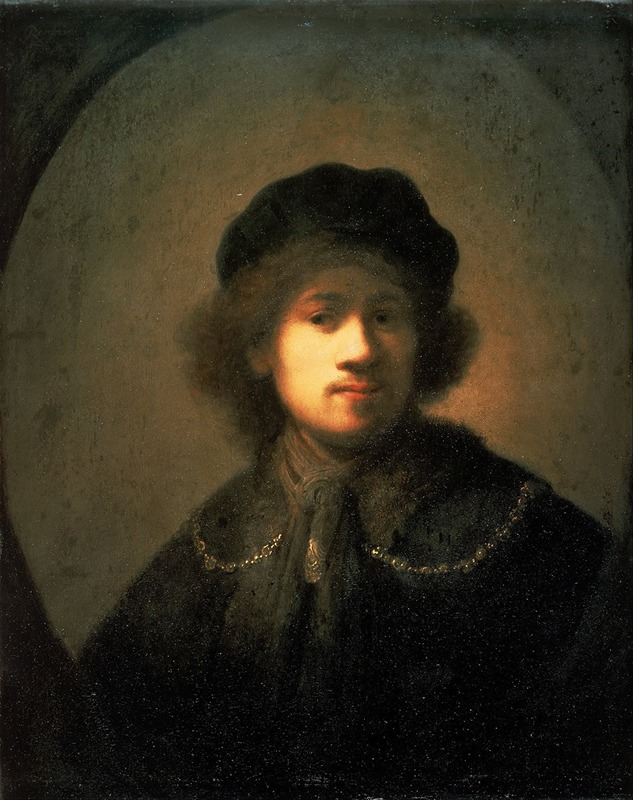
Portrait of the Artist as a Young Man
Rembrandt van Rijn