
Throning Lion — History & Facts
In Throning Lion, Ludwig Knaus presents a striking image of a lion seated on a throne-like rock. The lion's golden fur glistens under the light, showcasing rich shades of yellow and brown. Its intense gaze and powerful posture convey a sense of majesty and strength.
The background is a blurred landscape, emphasizing the lion as the focal point of the painting. The painting is executed in oil on canvas, a medium that allows for vibrant colors and detailed textures. Knaus uses a realistic style, capturing the lion's fur with meticulous brushwork that highlights its natural beauty. The dimensions of the artwork are approximately 100 x 80 cm, making it a substantial piece.
The composition draws the viewer's eye directly to the lion, enhancing its regal presence. Ludwig Knaus was a prominent German painter known for his realistic depictions of animals and landscapes. This work, created in the late 19th century, reflects the artist's interest in nature and wildlife. An interesting fact about Throning Lion is that it showcases Knaus's ability to blend realism with a touch of romanticism, making the lion not just an animal but a symbol of nobility.
The painting remains in a private collection, highlighting its value and significance in Knaus's oeuvre.
More Artworks by Ludwig Knaus

Der Abschied
Ludwig Knaus

Am Brienzer See
Ludwig Knaus
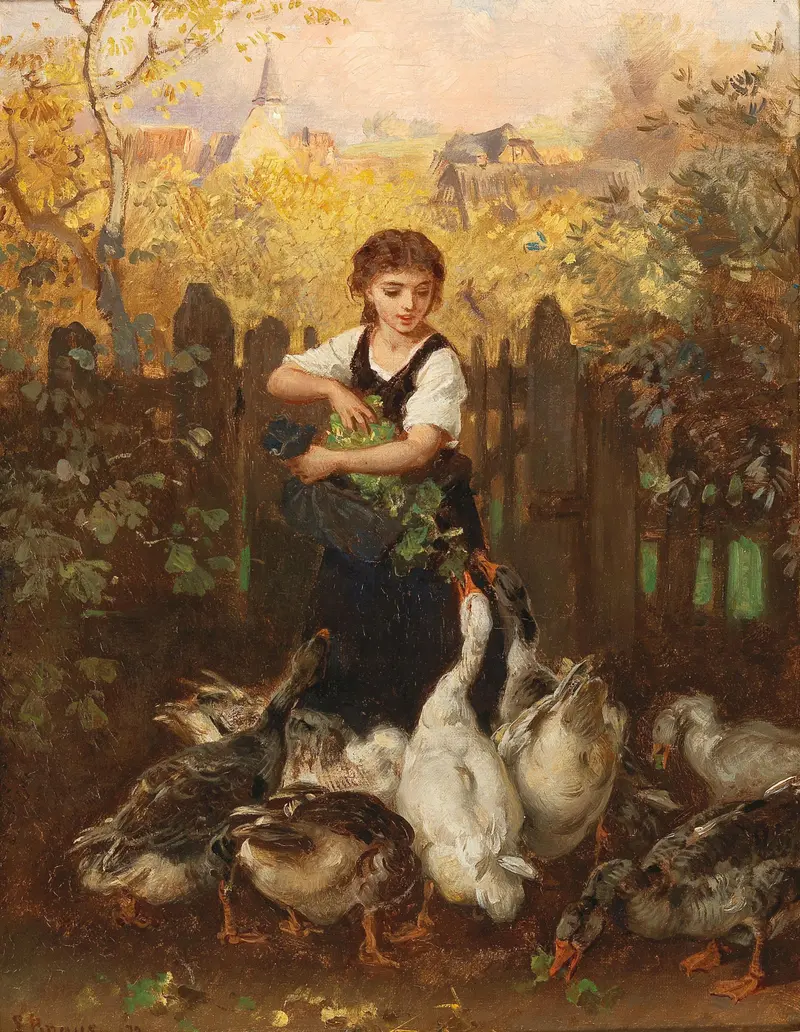
Cake at Teatime
Ludwig Knaus
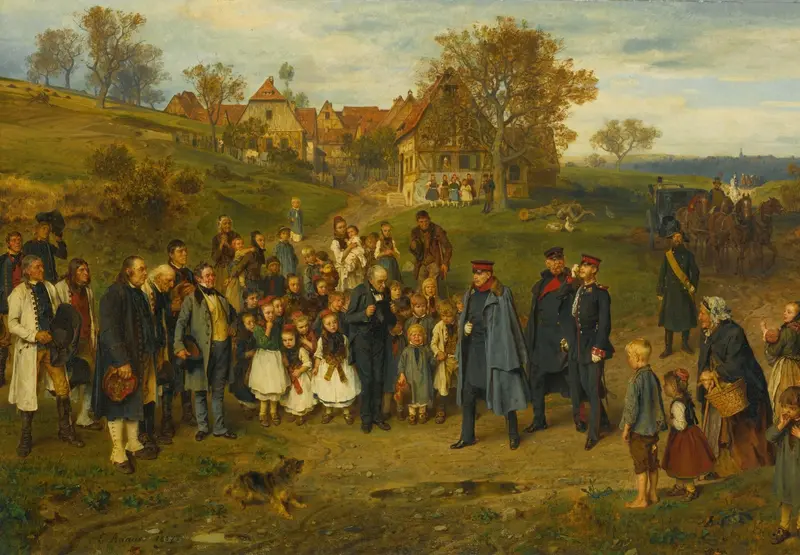
Hoheit Auf Reisen (His Highness On A Journey)
Ludwig Knaus
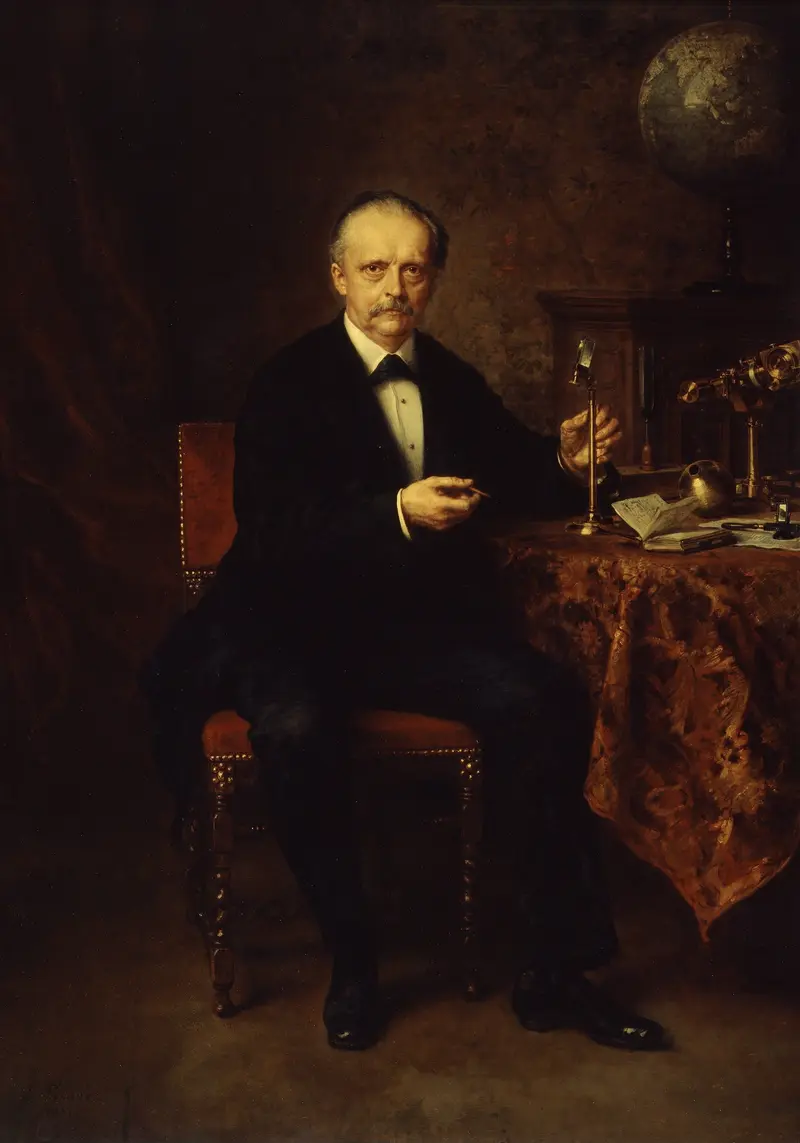
Portrait of the Physicist Hermann von Helmholtz
Ludwig Knaus

Spring Flowers
Ludwig Knaus
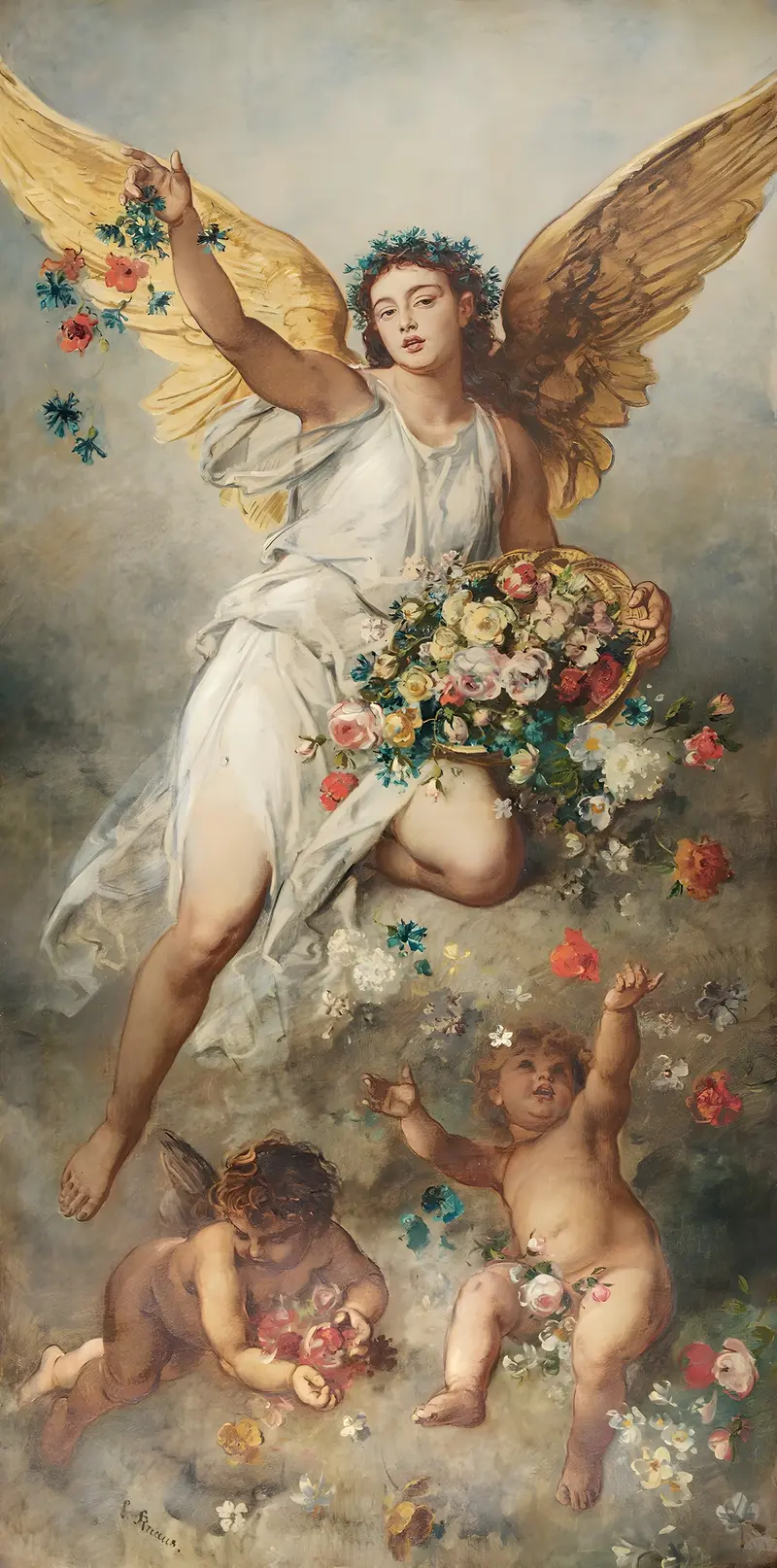
German peace
Ludwig Knaus
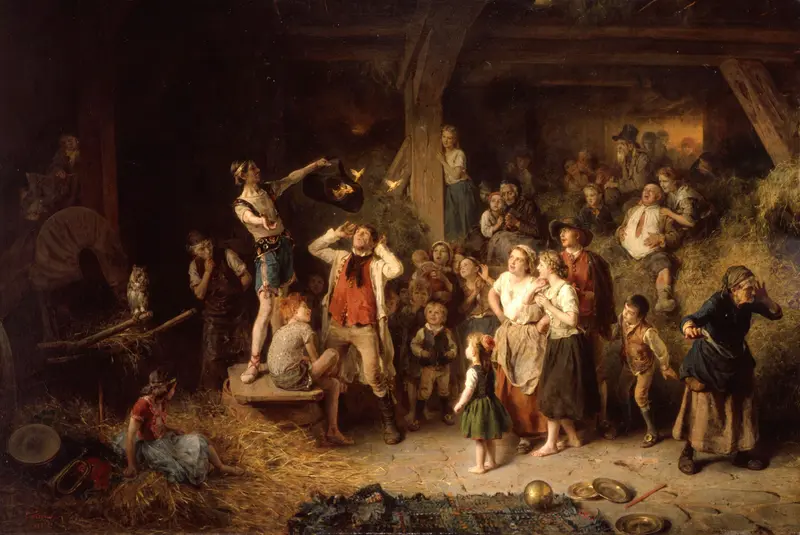
The magician in the barn
Ludwig Knaus
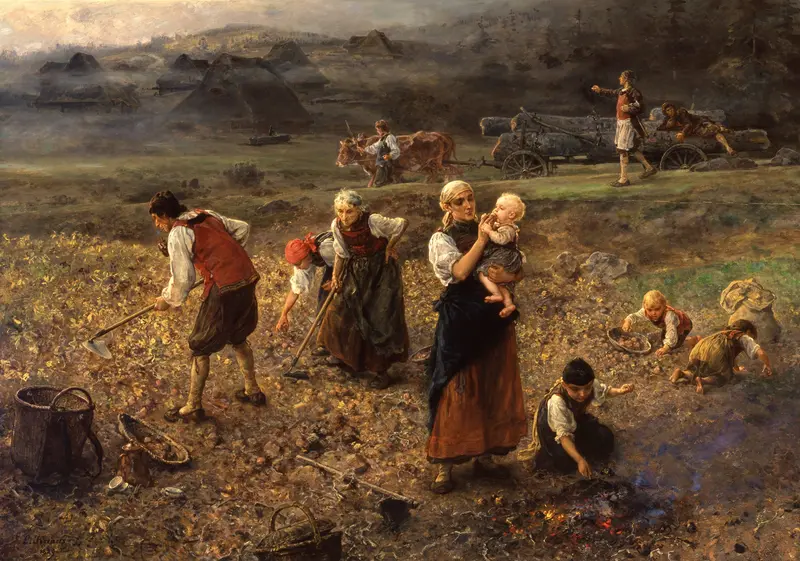
Potato harvest
Ludwig Knaus

Die Taufe (The Christening)
Ludwig Knaus





