
Théâtre de l’Ambigu-Comique — History & Facts
Art reveals the soul when the world turns away. In Théâtre de l’Ambigu-Comique, the layers of deception and emotion unfold like the curtains of a stage, inviting the viewer into a world where betrayal lingers in the air. Look to the left at the vibrant crimson drapery that frames the scene, its folds catching the light as if echoing the tension within. The figures take center stage, their expressions a mix of anticipation and unease, each gesture laden with unspoken words.
The palette is a delicate interplay of ochres and deep blues, creating a chiaroscuro effect that heightens the drama, drawing your eyes to the focal point—a lone figure poised in the spotlight, embodying the heart of the narrative. The tension between the actors hints at hidden motives, a blatant contrast between the joyful facade of performance and the underlying betrayal that simmers just below the surface. Notice the slight turn of the head and the clenched fists, subtle yet powerful indicators of strife and mistrust; each detail serves as a reminder that appearances can be deceiving. The juxtaposition of light and shadow not only illuminates the characters but also emphasizes the duality of their intentions, making the viewer question the reality behind the performance. Giuseppe Canella painted this piece in 1831 during a time of immense change in France, as the nation grappled with political upheaval and artistic revolutions.
Canella, primarily recognized for his theatrical works, sought to capture the essence of performance and humanity in his art, reflecting the complex emotional landscape of the era. This work exemplifies his ability to blend reality with the dramatic, revealing truths that resonate beyond the canvas.
More Artworks by Giuseppe Canella
Browse all →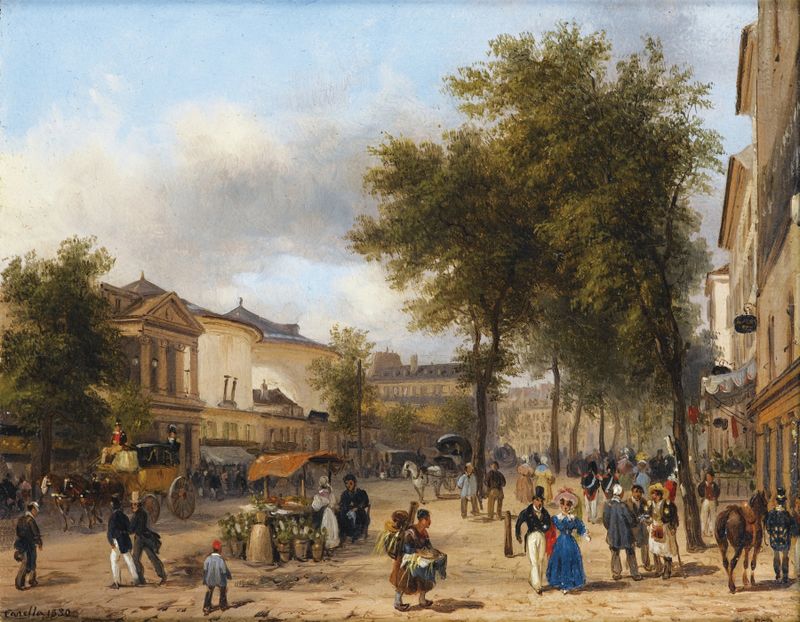
Paris, Vue du Théâtre des Variétés sur le Boulevard Montmartre
Giuseppe Canella

L’Hôtel de Ville et la place de Grève, vus de l’Ile de la Cité
Giuseppe Canella
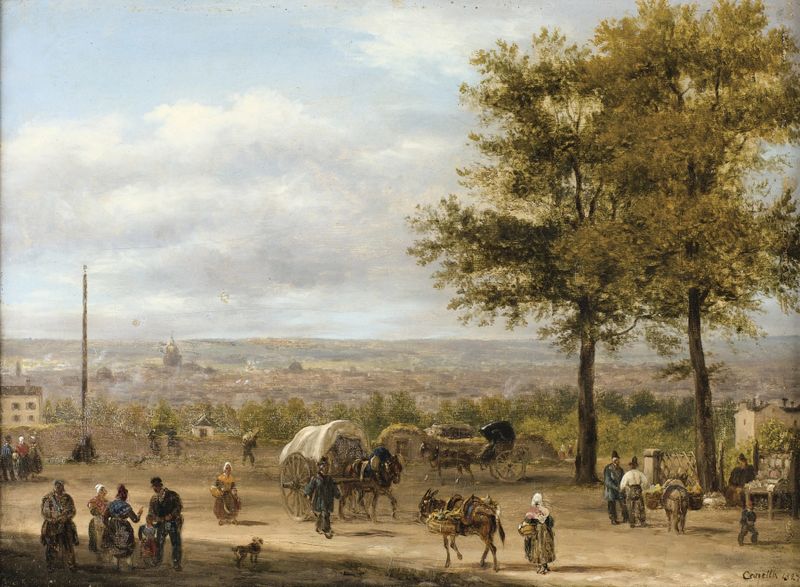
Vue des hauteurs de Paris
Giuseppe Canella
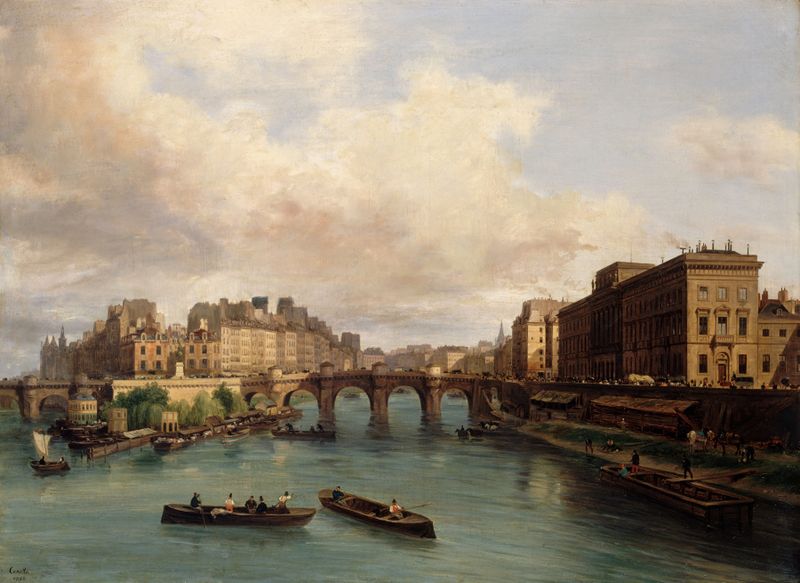
L’Ile de la Cité et le quai Conti, vus de la passerelle des Arts
Giuseppe Canella

Amsterdam, A View of the Royal Palace
Giuseppe Canella

Les Halles et la rue de la Tonnellerie
Giuseppe Canella
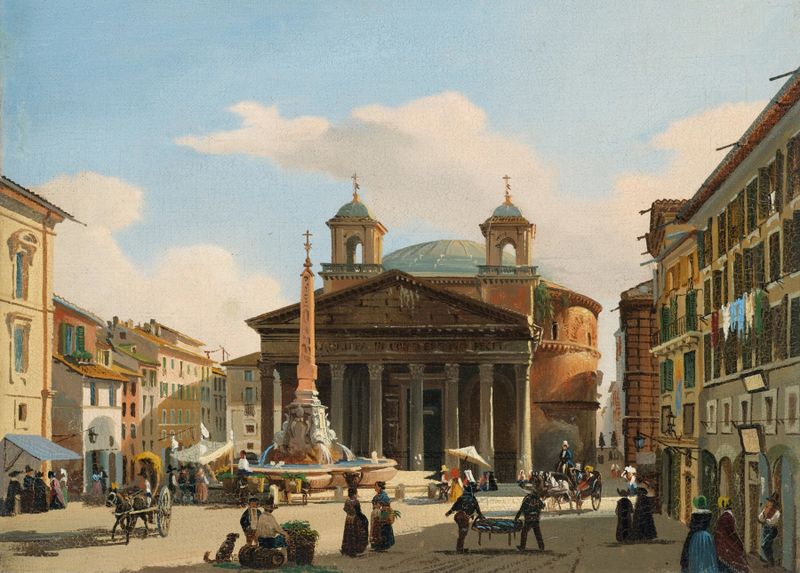
Vue du Panthéon à Rome
Giuseppe Canella
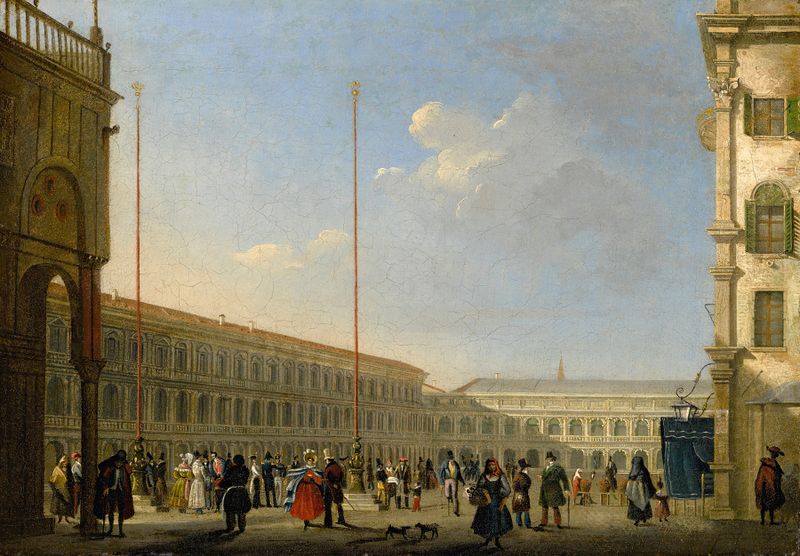
Venice, A View Of Piazza San Marco From Piazzetta Dei Leoncini
Giuseppe Canella
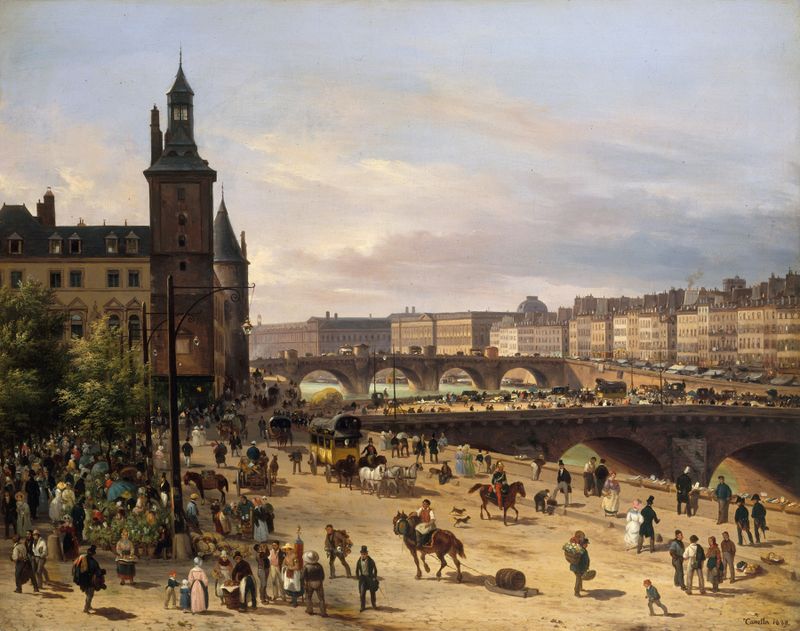
Le marché aux fleurs, la Tour de l’Horloge, le Pont au Change et le Pont-Neuf
Giuseppe Canella
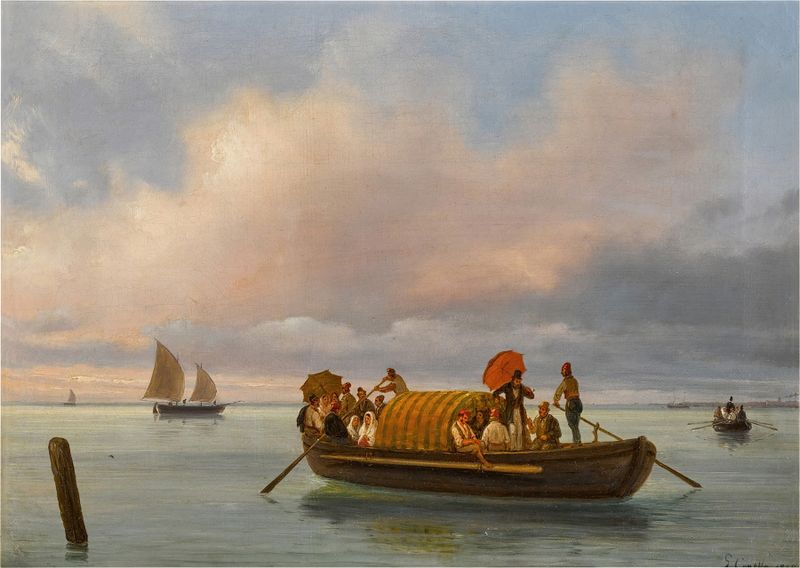
A Venetian scene with a gondola on a lagoon
Giuseppe Canella





