Titelprent met Tabula Cebetis en deugden en ondeugden — History & Facts
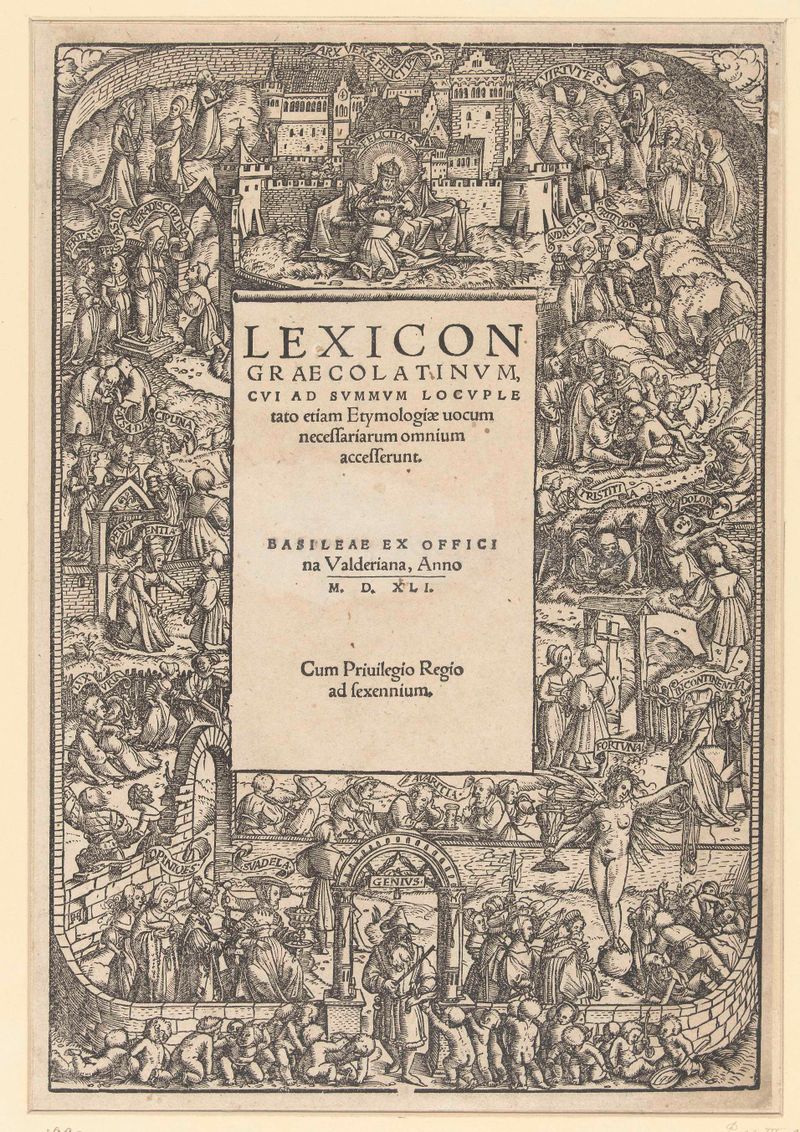
In the swirling complexities of existence, innocence often stands as a delicate thread, easily frayed. How do we capture the essence of virtue amid the shadows of vice, and who decides which path to walk? Focus first on the central tableau, where allegorical figures present a vivid contrast between virtues and vices. The meticulous detail of the figures, each adorned with symbolic attributes, draws the eye towards a harmonious yet tense interplay of color.
Notice how the vibrant reds and greens of virtue clash against the muted browns and grays of vice, creating a visual dialogue that compels us to contemplate the consequences of our choices. As you delve deeper, you’ll uncover the intricate arrangements of the figures. The serene expressions of the virtuous are juxtaposed with the unsettling, grimaces of the wicked. This duality speaks to the human experience — a reminder that innocence is constantly besieged by temptation.
The delicate balance between light and shadow emphasizes the fragile nature of our moral compass, inviting us to reflect on our own struggles with integrity. Created in 1521, this work emerged during a time of great religious upheaval and cultural transformation in Europe. Hans Hermann painted this piece against the backdrop of the Reformation, a period when questions of morality and virtue were at the forefront of societal discourse. Amidst the chaos, he sought to convey timeless truths about human nature, encapsulating a moment that resonates with an enduring quest for understanding and balance.