
To Hunt — History & Facts
When did color learn to lie? In the delicate interplay of hues, reality dances with illusion, crafting a silent narrative rich with hope. Focus on the striking contrast between the bold, deep greens and the soft, muted browns that define the landscape. Notice how the light spills across the canvas, illuminating the figures poised in their quest, yet shrouded in an enigmatic atmosphere. Every brushstroke invites you to explore the tension between nature and the hunters, the exhilarating pursuit and the underlying melancholy that colors their intentions. Delve into the symbolism of the figures, where each hunter embodies both ambition and vulnerability.
Their postures reveal an earnest vigor, yet their expressions hint at the weight of expectation. In the distance, the blurred outline of the landscape serves as a reminder that the thrill of the hunt may also signify loss, as the vibrant colors fade into a muted backdrop, suggesting that every victory comes at a cost. The creative mind behind this piece worked during a time when the art world was adjusting to shifting paradigms. Friedrich Carl von Scheidlin, active in the late 19th century, painted during a period marked by romanticism’s influence and the early whispers of modernism.
This era was characterized by an exploration of human emotion and nature’s complexities, allowing the artist to weave a narrative that invites contemplation of both the thrill of pursuit and the ever-present shadow of unfulfilled desires.
More Artworks by Friedrich Carl von Scheidlin
Browse all →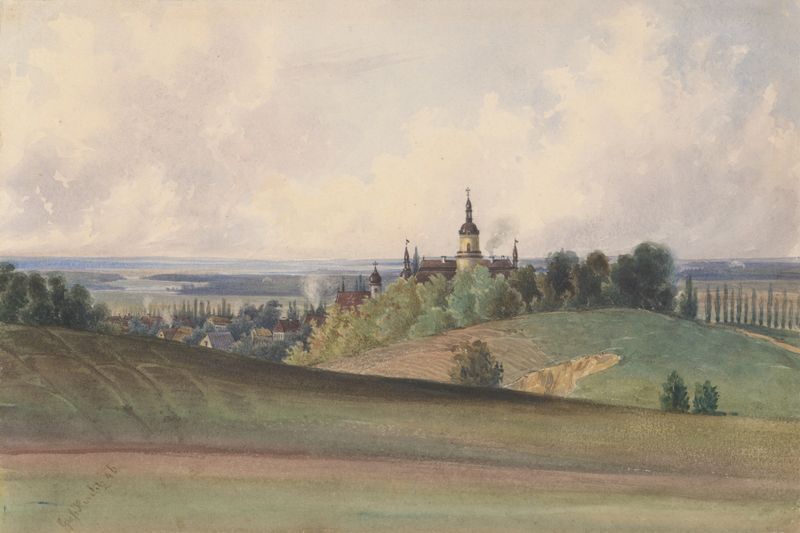
View of Gross Herrlitz
Friedrich Carl von Scheidlin
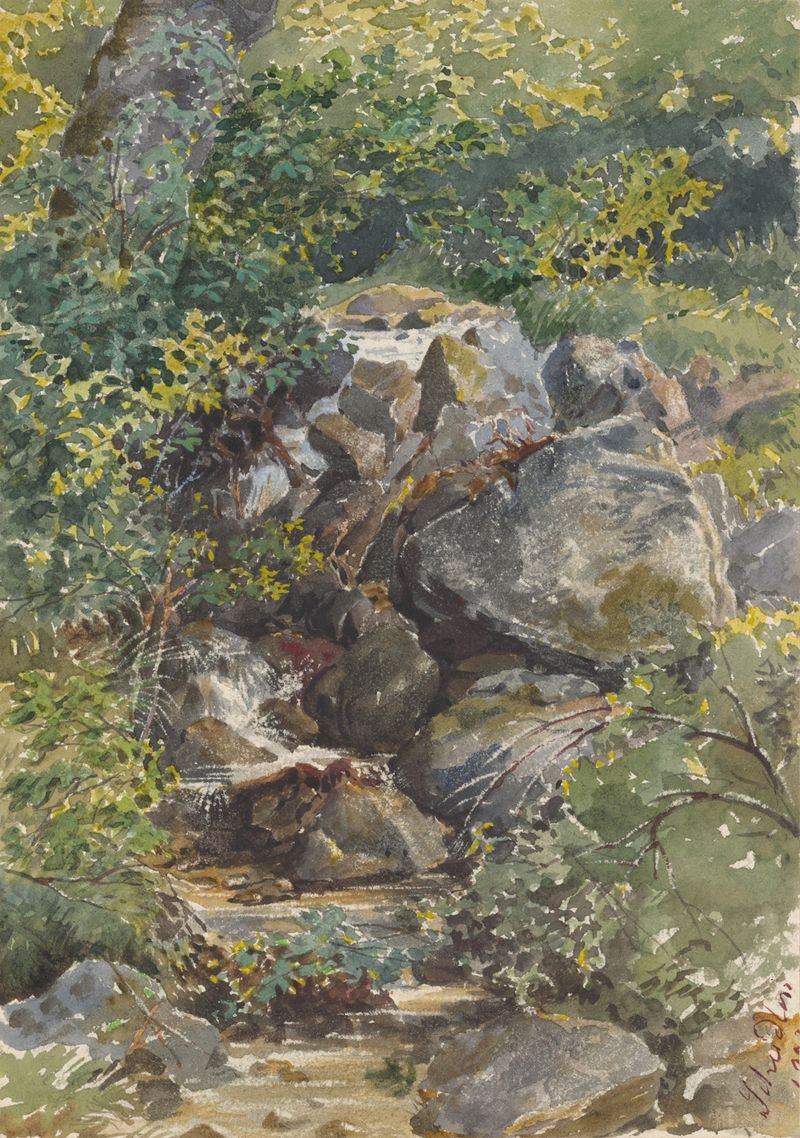
Forest Brook
Friedrich Carl von Scheidlin
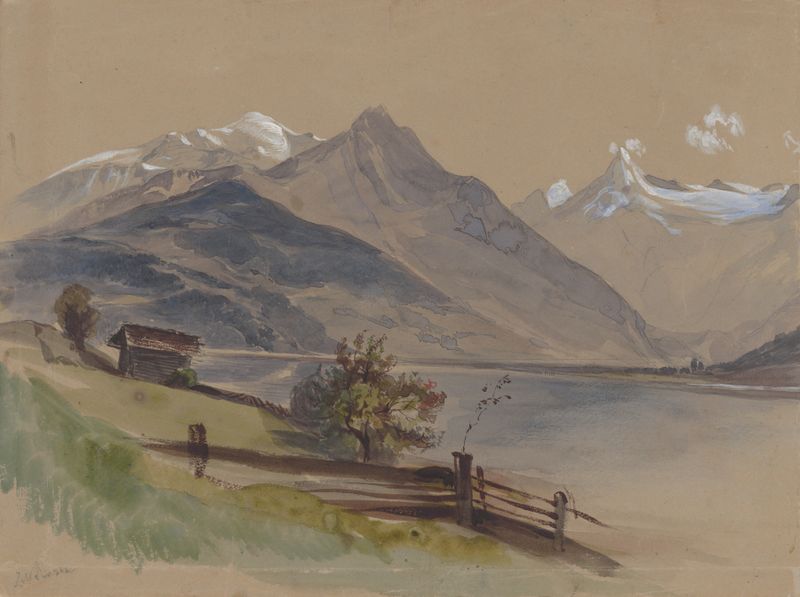
Alpine Landscape with a Lake
Friedrich Carl von Scheidlin
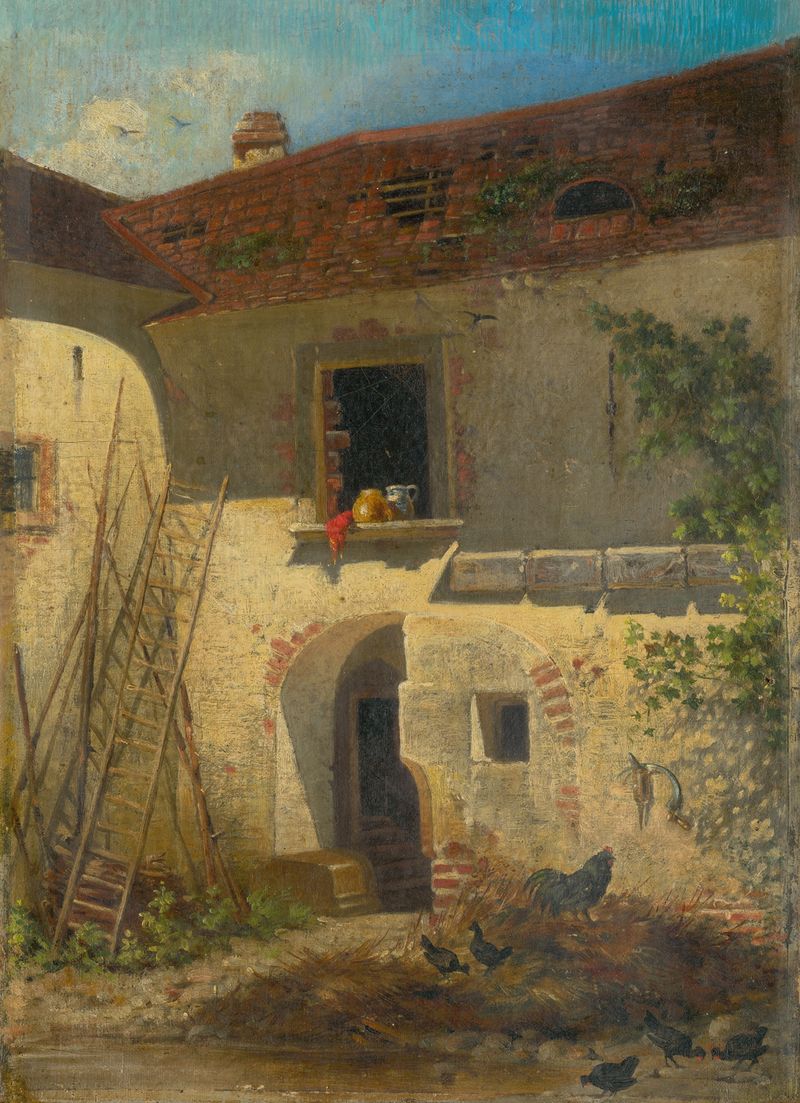
Old Farm Yard in Jur
Friedrich Carl von Scheidlin
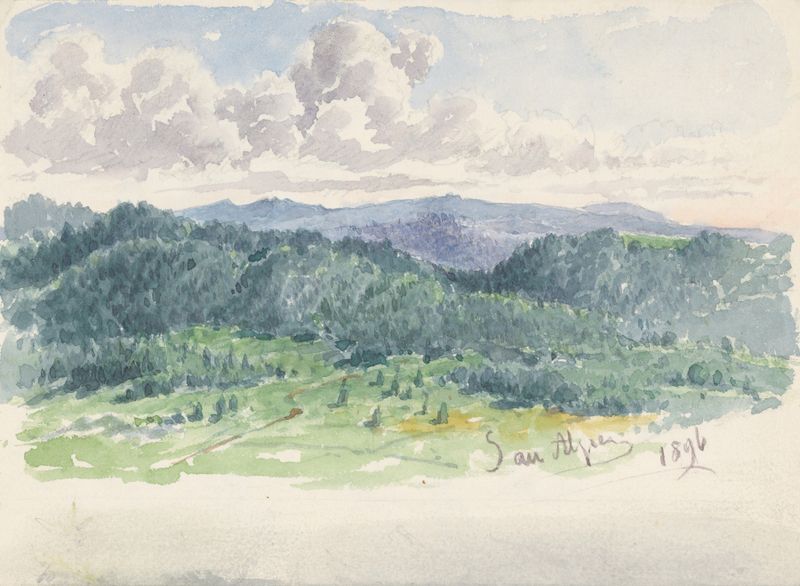
Mountain Landscape
Friedrich Carl von Scheidlin
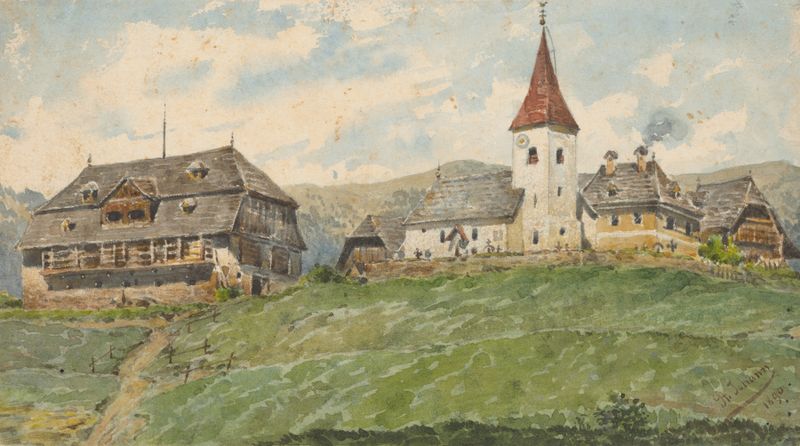
View of St. Johann
Friedrich Carl von Scheidlin
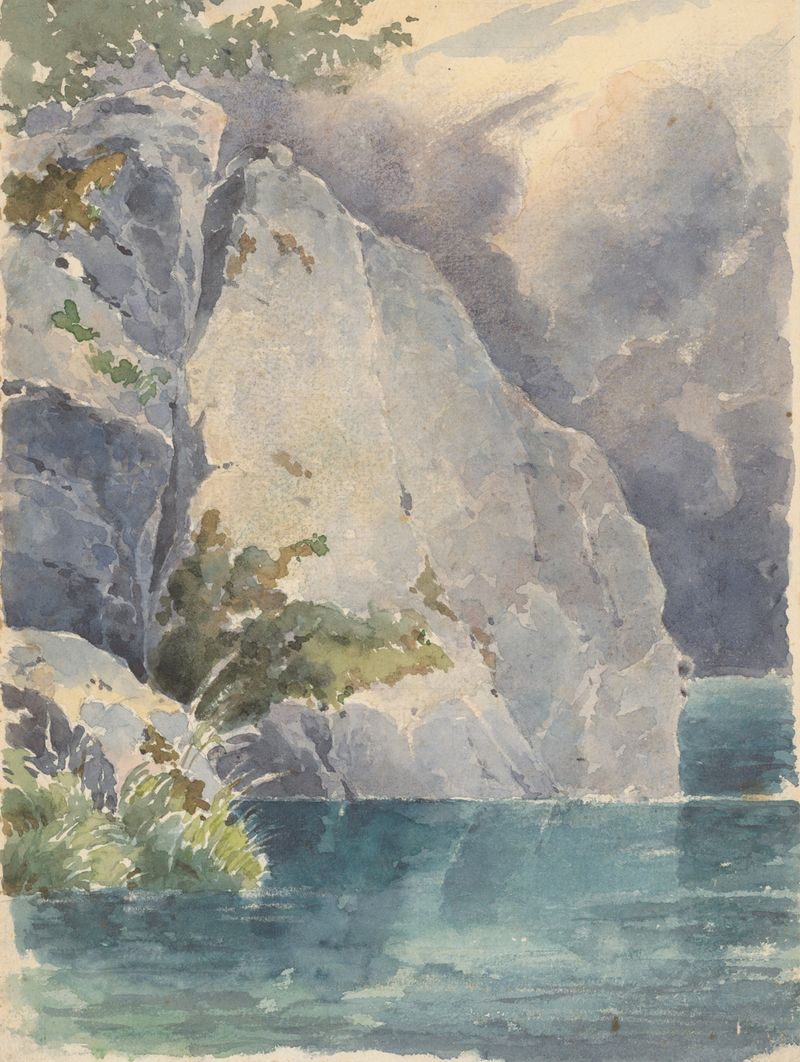
Rock above a Lake
Friedrich Carl von Scheidlin
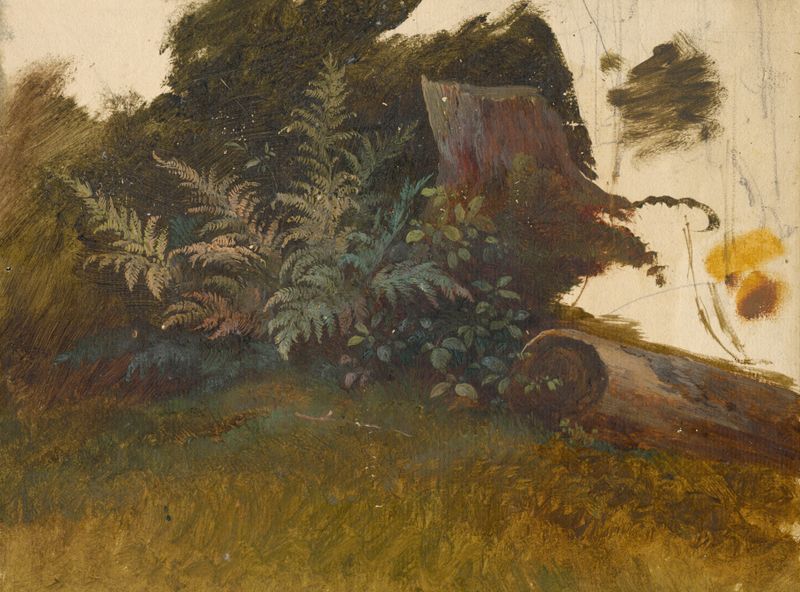
Mountain Vegetation
Friedrich Carl von Scheidlin
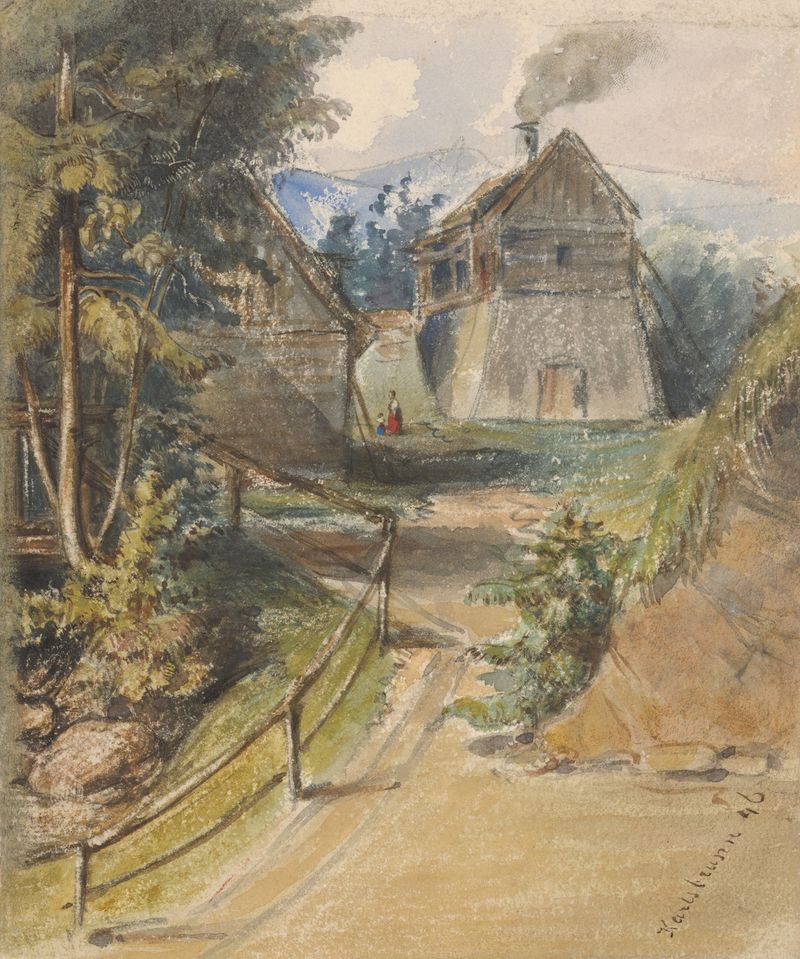
Motif from Karlsbrunn
Friedrich Carl von Scheidlin
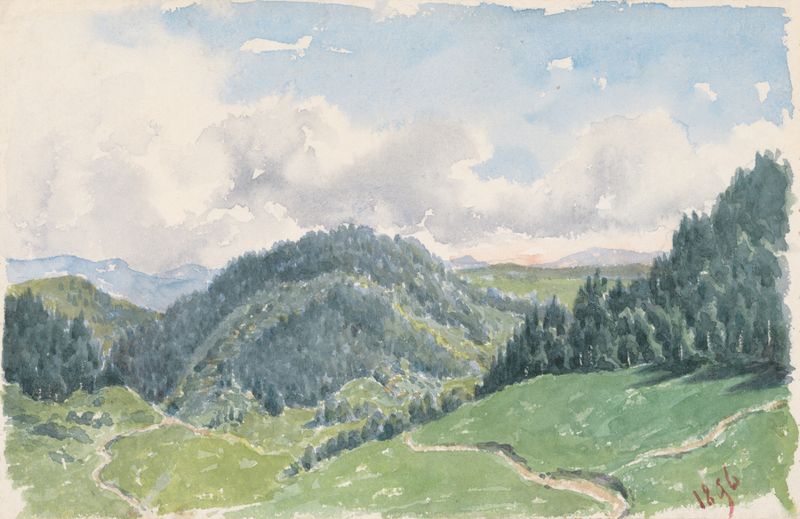
Mountain Landscape
Friedrich Carl von Scheidlin





