
To the Pasture — History & Facts
Did the painter know this moment would outlive them? In To the Pasture, the vivid colors and serene composition invite us to ponder not only the beauty of the scene but the weight of the history it encapsulates. Look to the left at the lush green fields, where gentle hills roll away into the horizon. The warm, golden light bathes the landscape, casting soft shadows that dance among the blades of grass. Notice how the figures, clad in simple attire, meander through nature's embrace, engaged in quiet labor.
The painter’s brushstrokes are both deliberate and fluid, creating a harmonious blend of realism and impressionism that evokes a sense of calm yet hints at an underlying tension. Within this pastoral setting lies a subtle commentary on the transience of peace amidst upheaval. The serene figures represent both contentment and a looming uncertainty, suggesting that these moments of tranquility are fragile. The interplay between light and shadow reflects the duality of existence — life thrives in moments of beauty, yet undercurrents of change whisper through the air, foreshadowing the revolution that would soon engulf Europe. In 1938, while painting this piece in Czechoslovakia, Mallý found himself at a crossroads of personal and political upheaval.
The rise of fascism and shifting artistic movements created a complex landscape of uncertainty and fear. His work, rooted in nostalgia yet aware of impending change, captures the essence of a world on the brink, blending the personal with the collective in a poignant farewell to a fading way of life.
More Artworks by Gustáv Mallý
Browse all →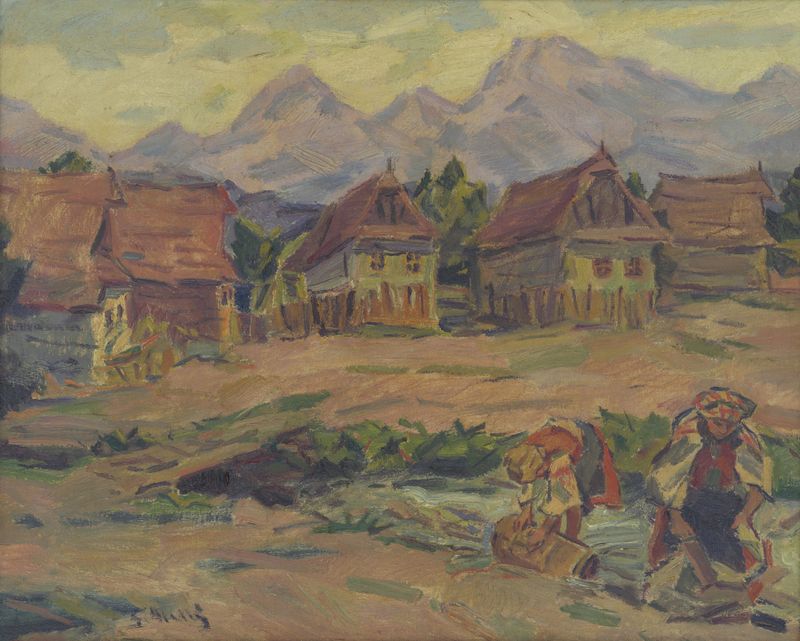
On a Brook below the Tatras
Gustáv Mallý
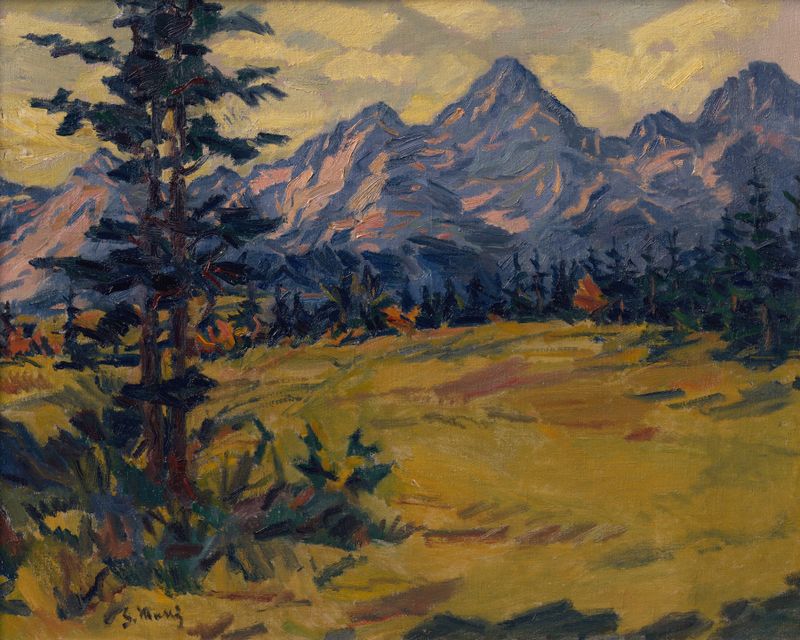
Tatras Landscape
Gustáv Mallý
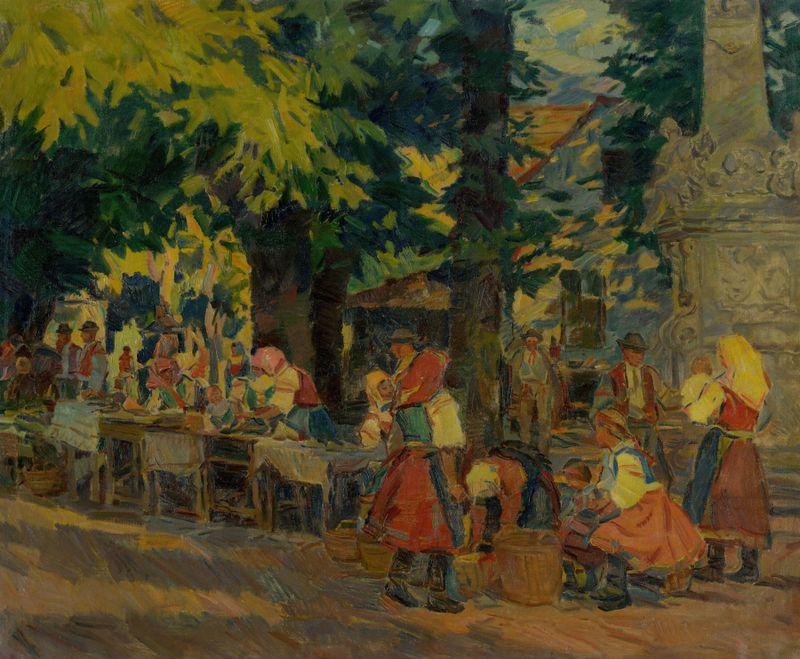
Fair in Marianka
Gustáv Mallý
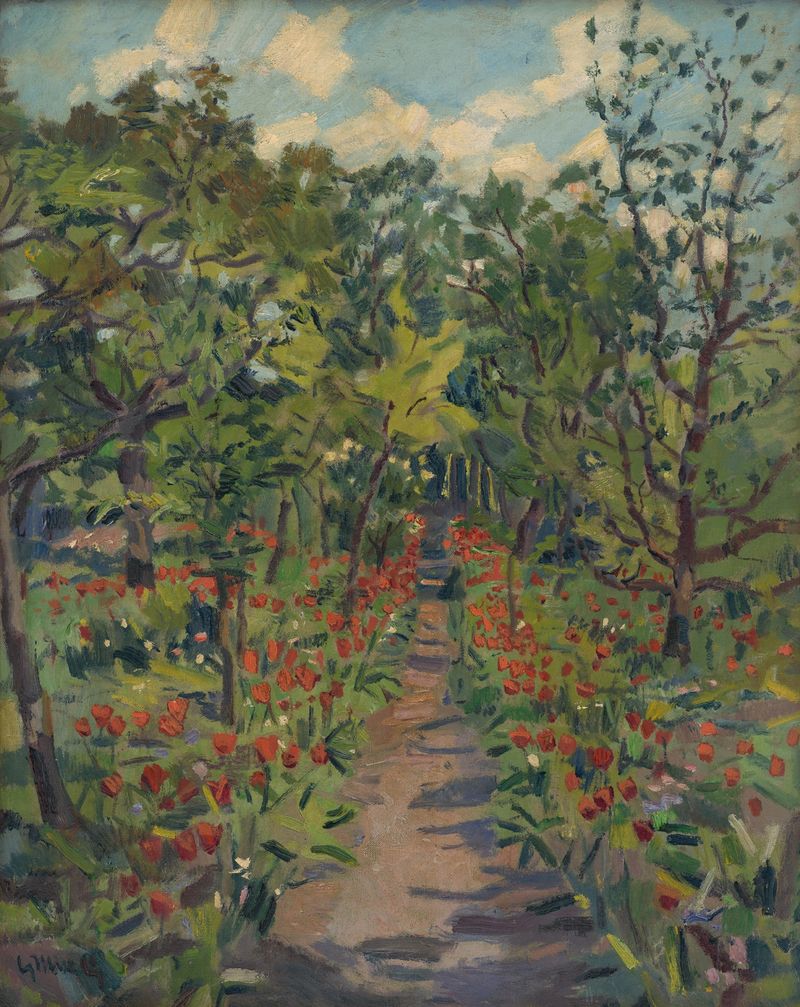
Walk in Petržalka Park
Gustáv Mallý

From the Tatras
Gustáv Mallý

Chief Shepherd with Sheep
Gustáv Mallý

Landscape from Petržalka
Gustáv Mallý
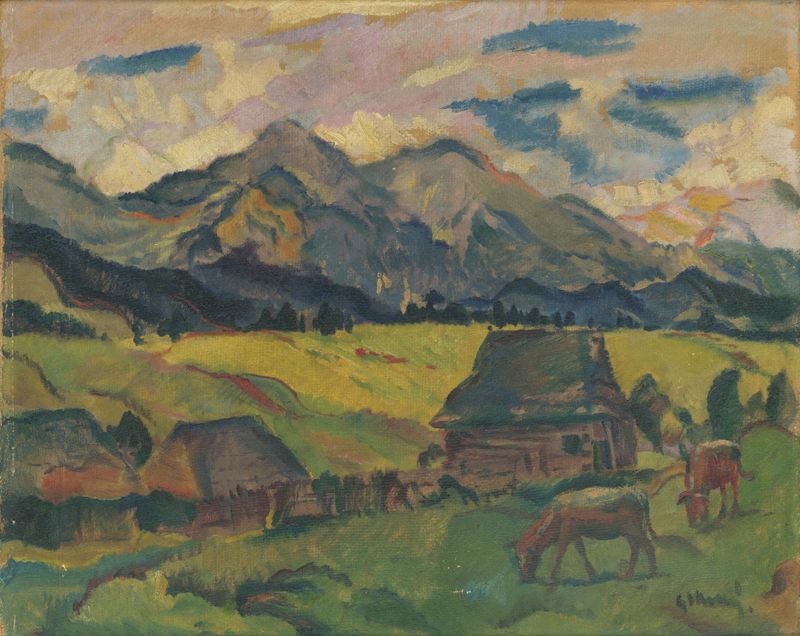
Motif from Ždiar
Gustáv Mallý
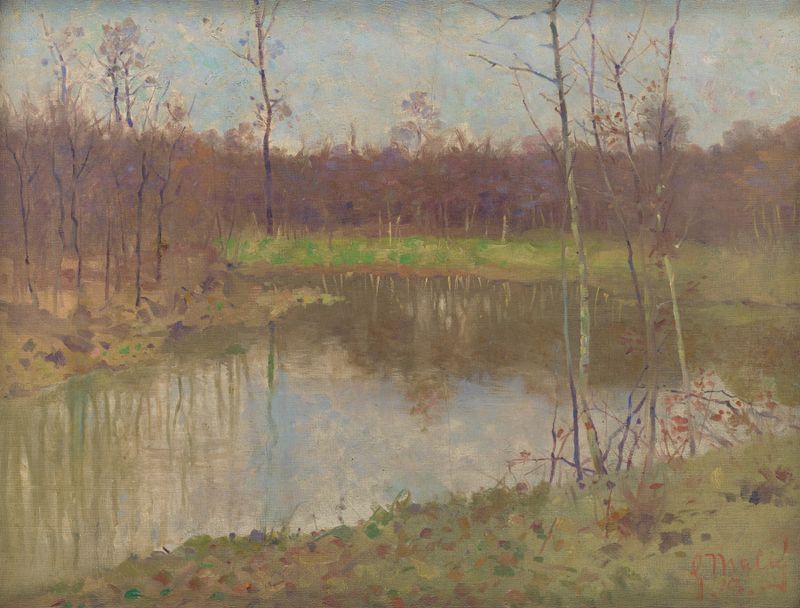
Landscape with a Fishpond
Gustáv Mallý
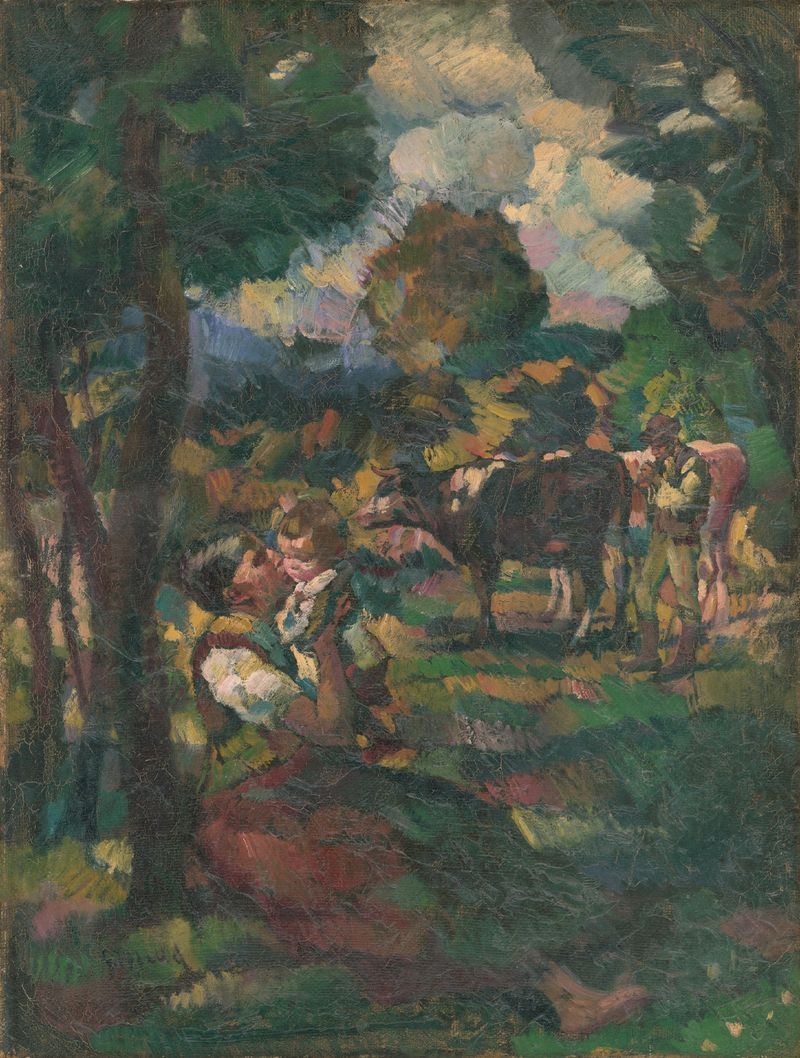
Summer
Gustáv Mallý





