
Discover insights about this artwork
Tod und Liebespaar — History & Facts
In Tod und Liebespaar, we see a striking contrast between dark and light colors. The figures of a couple are intertwined, surrounded by symbols of death. The male figure appears to be a skeletal representation, while the female figure embodies beauty and life.
The background is filled with haunting imagery that enhances the emotional weight of the scene. The painting is executed in oil on canvas, showcasing Franz von Stuck's skillful handling of color and form. The dimensions are approximately 100 x 150 cm, making it a substantial work that draws the viewer in. The use of symbolism is prominent, with the couple representing the duality of love and death.
The intricate details and textures invite close inspection. Franz von Stuck was a key figure in the Symbolism movement, known for exploring themes of love, death, and the human condition. Tod und Liebespaar stands out as a significant work from the 1890s, reflecting the artist's fascination with the interplay of life and mortality. Interestingly, Stuck often incorporated mythological elements into his works, and this painting is no exception.
The piece invites viewers to contemplate the fragile nature of existence.
More Artworks by Franz von Stuck
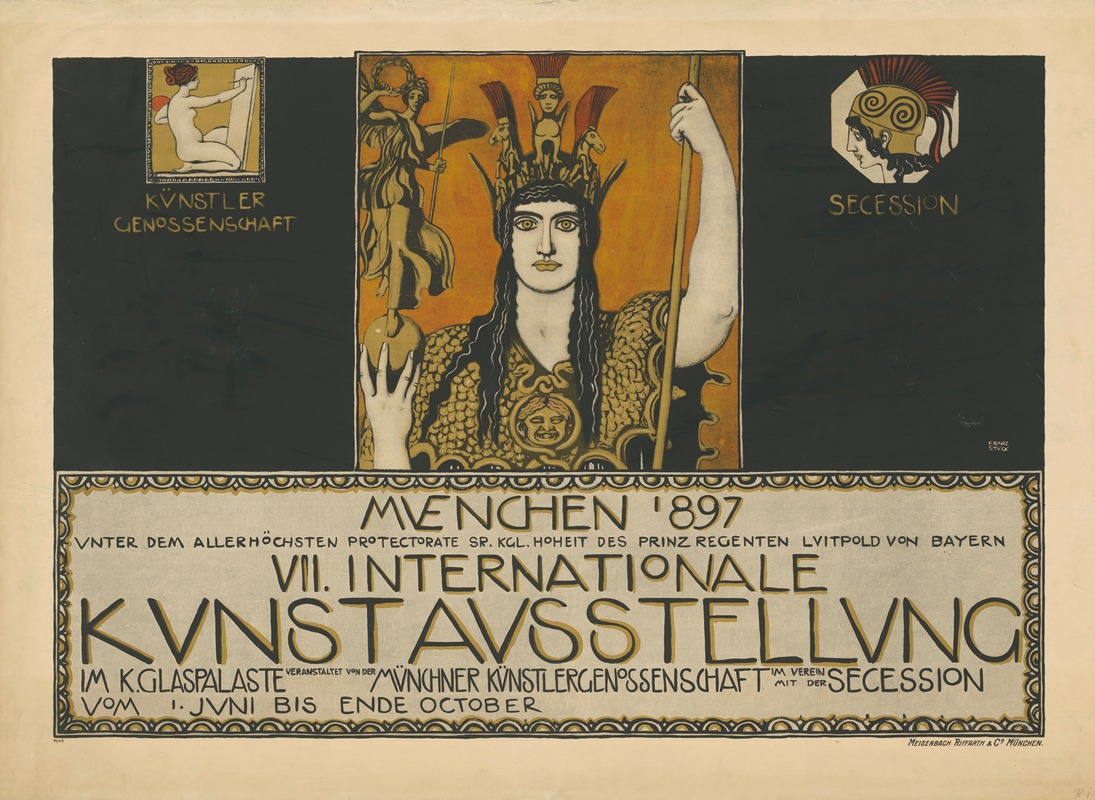
7. Internationale Kunstausstellung des Vereins Bildender Künstler München Secession
Franz von Stuck
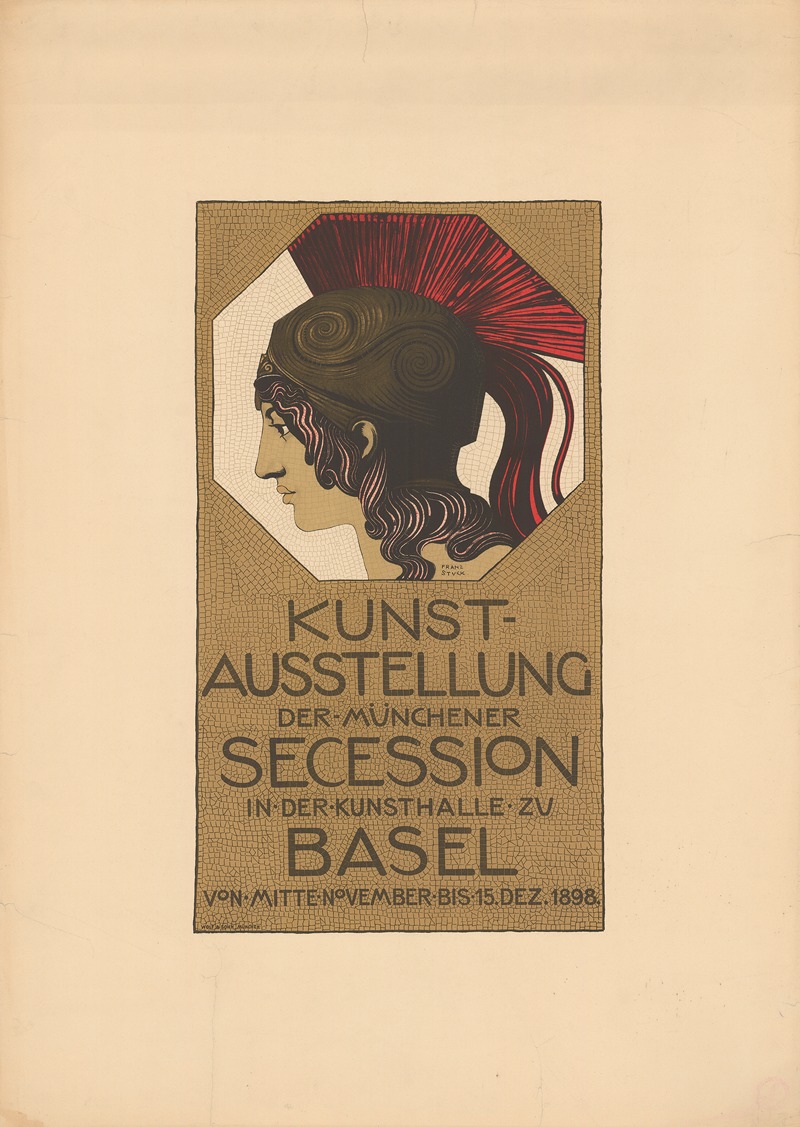
Kunstausstellung der Münchener Secession in der Kunsthalle zu Basel
Franz von Stuck

Susanna im Bade
Franz von Stuck

The Dancer Saharet
Franz von Stuck

The Spring
Franz von Stuck
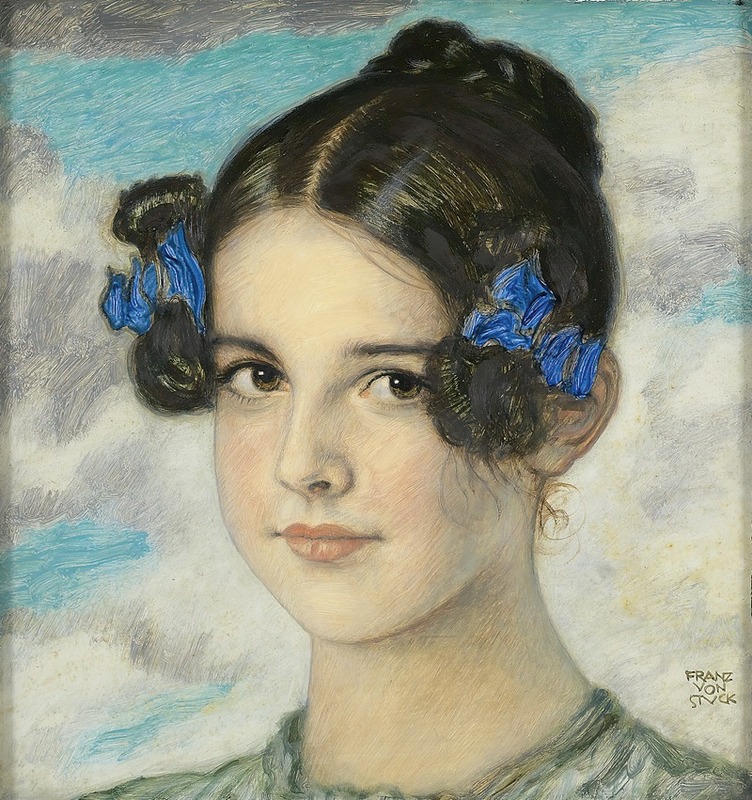
Tochter Mary
Franz von Stuck

Portrait einer Dame mit Spitzenkragen
Franz von Stuck
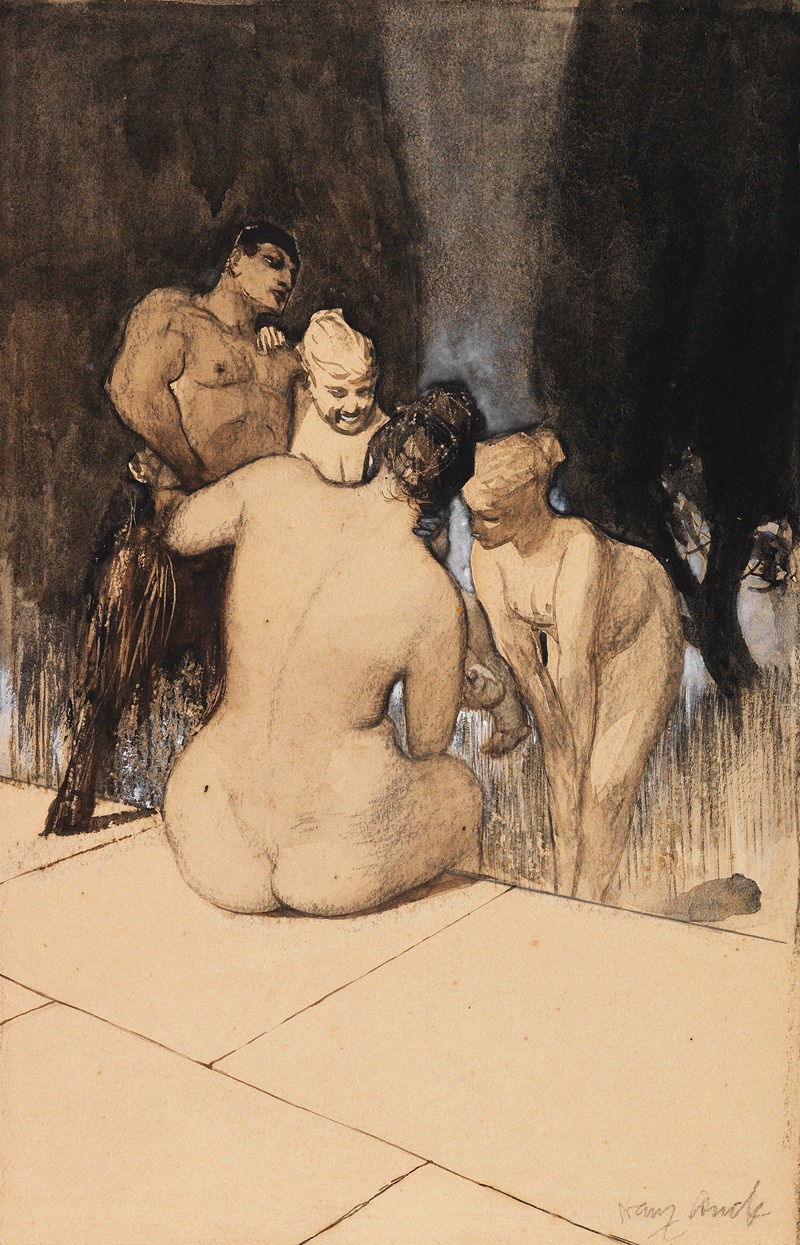
Satyr mit Nymphen und Kind
Franz von Stuck

Oedipus solves the mystery of the Sphinx
Franz von Stuck
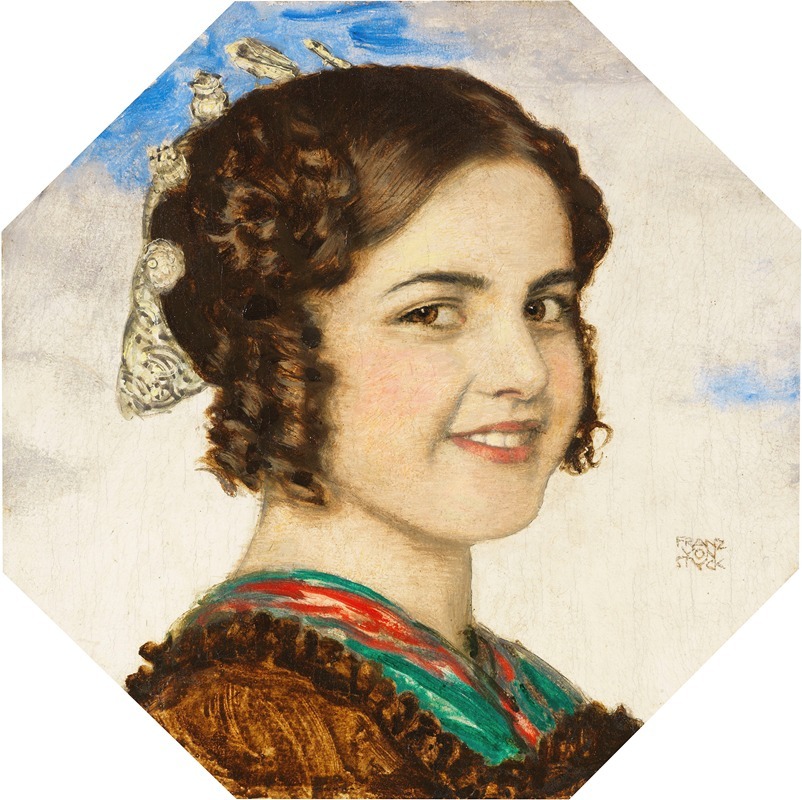
Porträt der Tochter Mary
Franz von Stuck
More Allegory Art
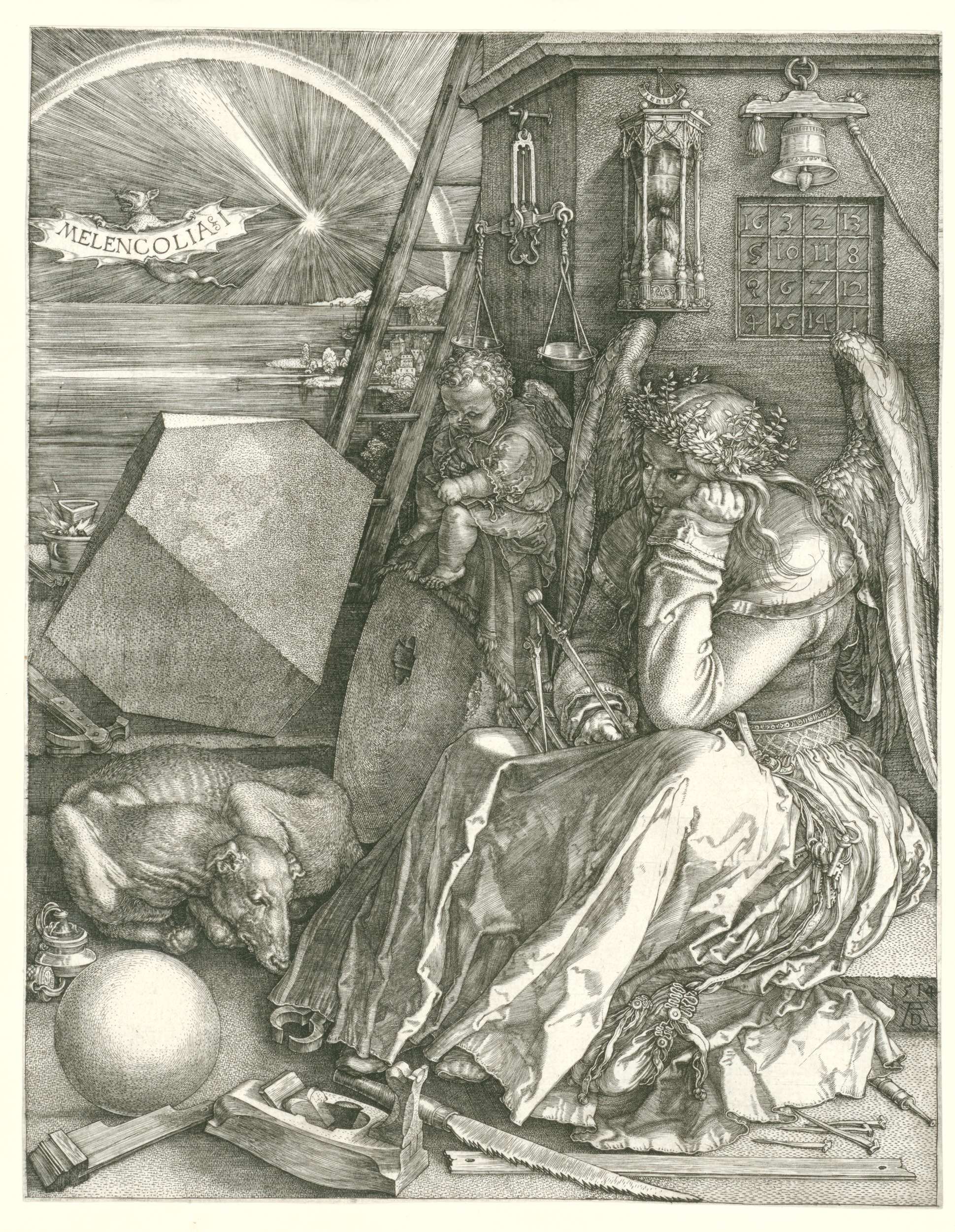
Melancholia
Albrecht Dürer
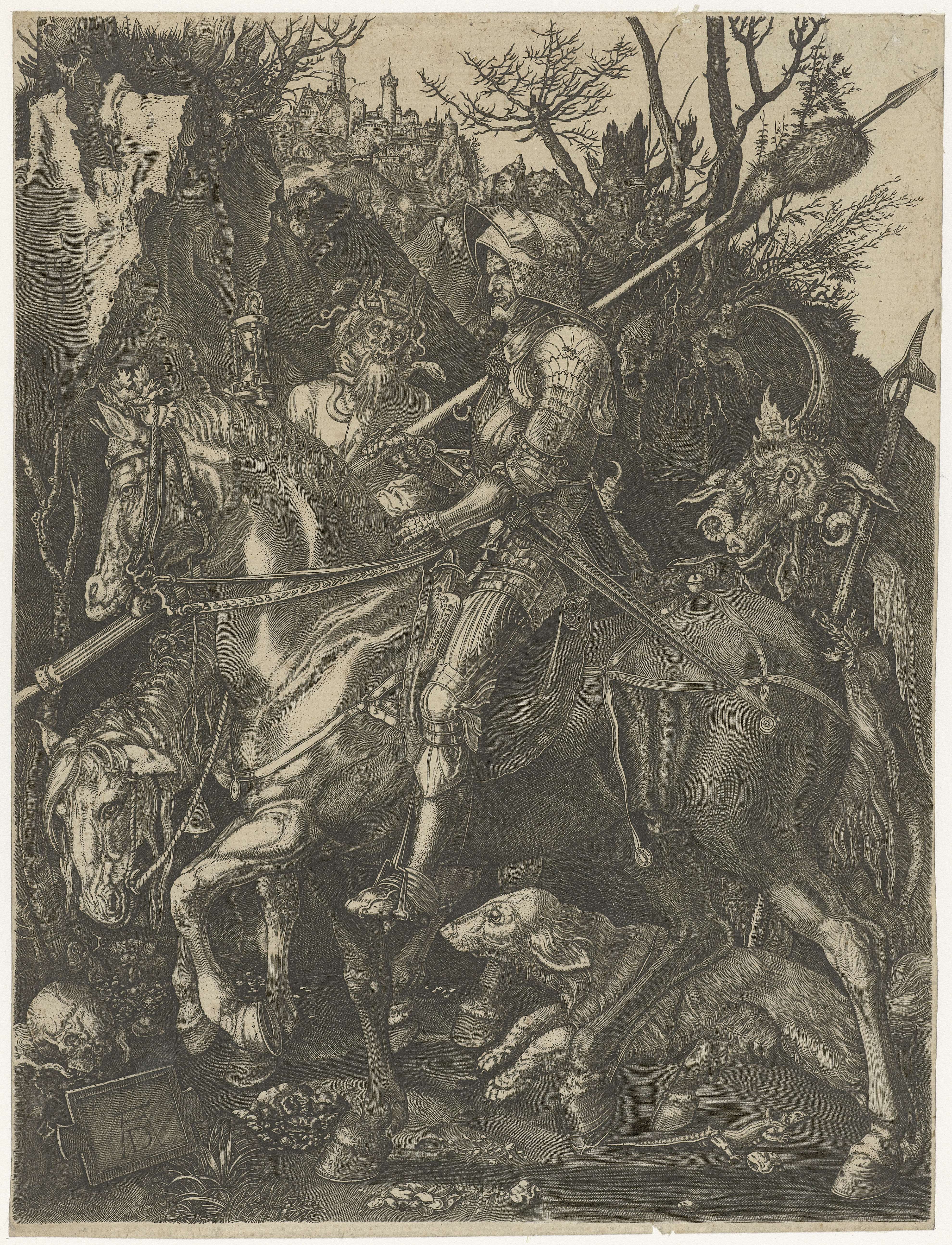
Ridder, Dood en Duivel
Unknown Artist
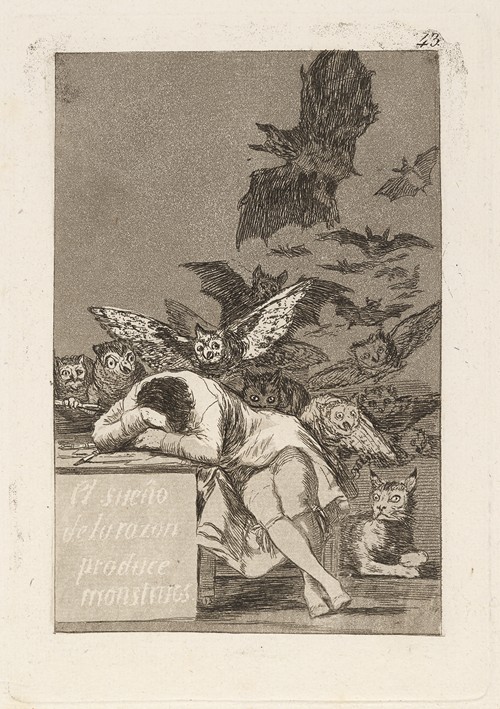
El sueño de la razon produce monstruos. (The sleep of reason produces monsters.)
Francisco de Goya
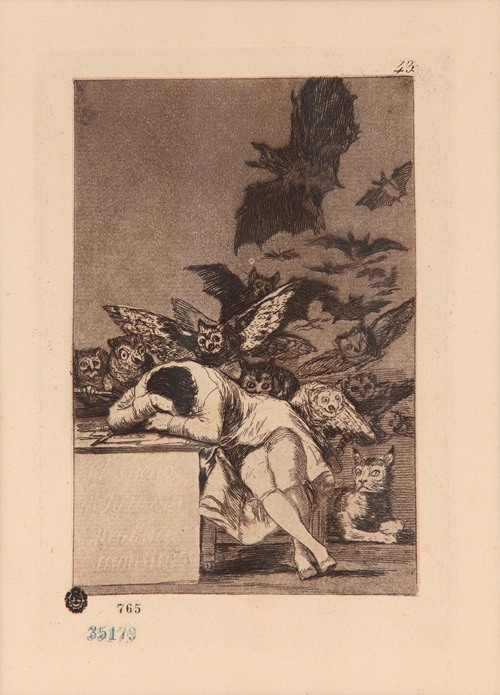
El sueño de la razon produce moustruos (Serie Caprichos)
Francisco de Goya
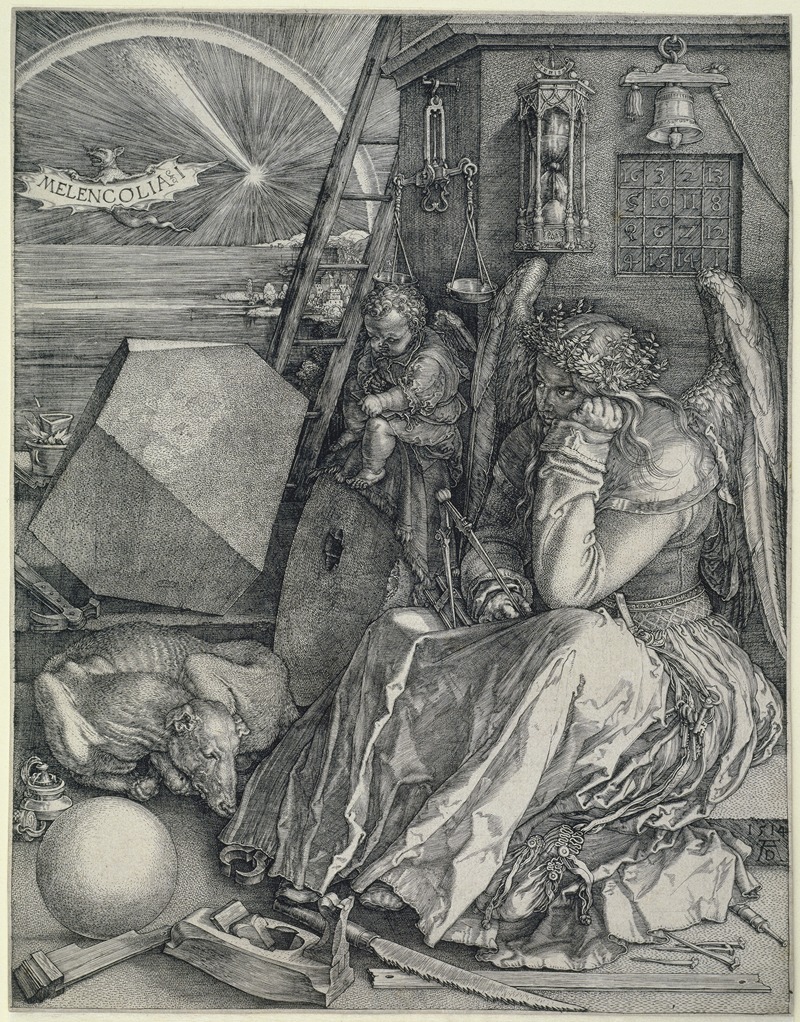
Melencolia I (The Melancholy)
Albrecht Dürer
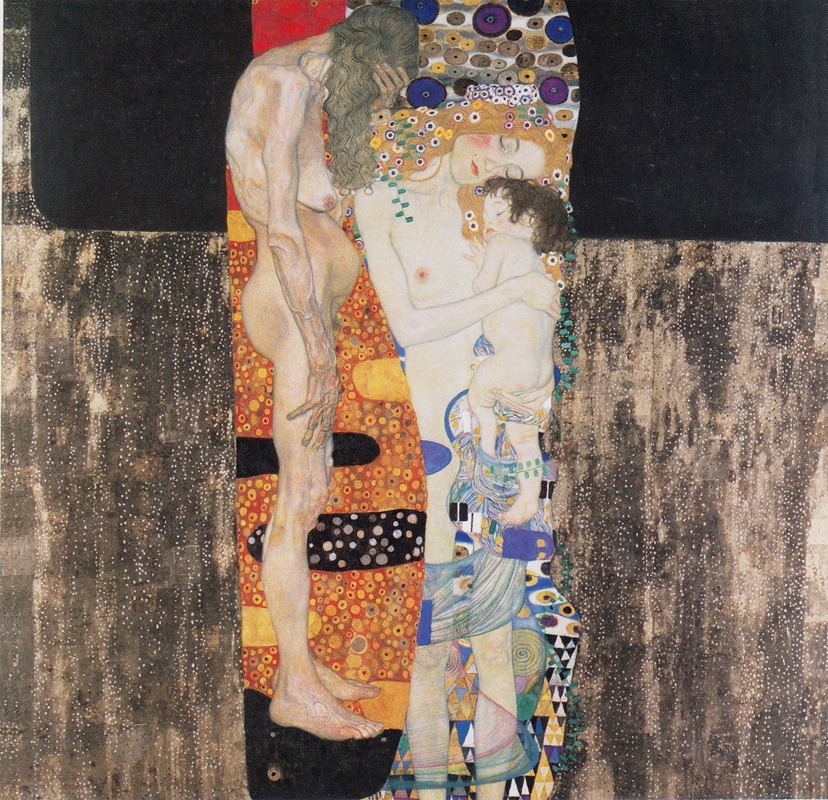
The Three Ages of the Woman
Gustav Klimt