
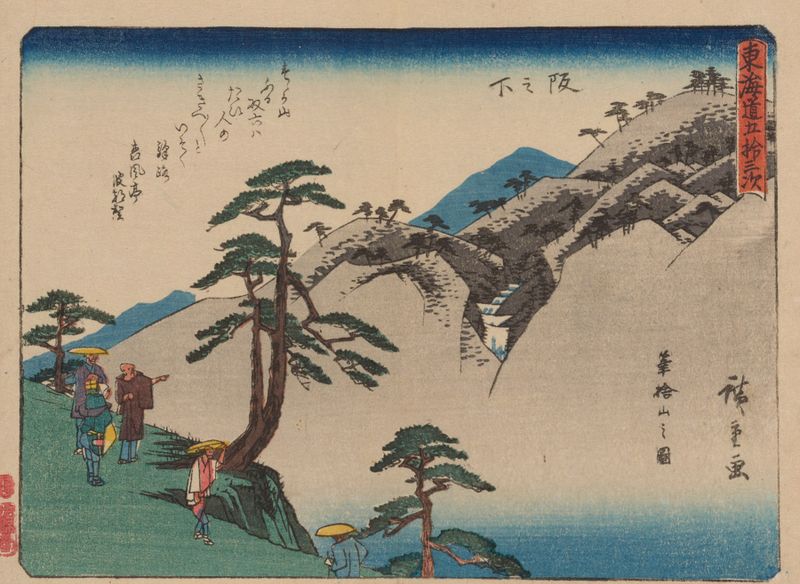
Tokaido gojusantsugi, Pl.08 — History & Facts
When did color learn to lie? In a world where hues dance to the whims of the artist, every stroke becomes a whisper of obsession, saturating reality with emotional resonance. Look to the foreground, where the vibrant blues of the river contrast sharply with the earthy tones of the mountains. Notice how the delicate gradation of colors portrays the fleeting moments of dawn, capturing the light's soft embrace as it glides across the landscape. The meticulous lines delineate each tree, guiding the eye upward toward the misty horizon where distant peaks are shrouded in mystery.
The composition evokes a sense of anticipation, as if nature itself holds its breath, waiting for the story to unfold. Delving deeper, observe the juxtaposition of serenity and chaos. The calm water acts as a mirror, reflecting not just the scenery but the emotional turmoil beneath. The figures along the riverbank, though small, embody the human experience, emphasizing our insignificance against nature's grandeur.
Each stroke pulses with a sense of longing, a testament to the artist's obsession with capturing the essence of fleeting moments and the ever-changing landscape. Created during the late Edo period, this work reflects Hiroshige’s mastery as he sought to encapsulate the beauty of travel in a rapidly modernizing Japan. Between 1868 and 1912, the artist was influenced by both the burgeoning interest in Western techniques and a profound desire to honor traditional aesthetics. This painting emerged as a love letter to the landscapes he cherished, embodying the cultural shifts of his time while remaining timeless in its emotional pull.
More Artworks by Utagawa Hiroshige
Browse all →
Sudden Shower over Shin Ohashi Bridge and Atake (Ohashi Atake no yudachi), from the series "One Hundred Famous Views of Edo (Meisho Edo hyakkei)"
Utagawa Hiroshige
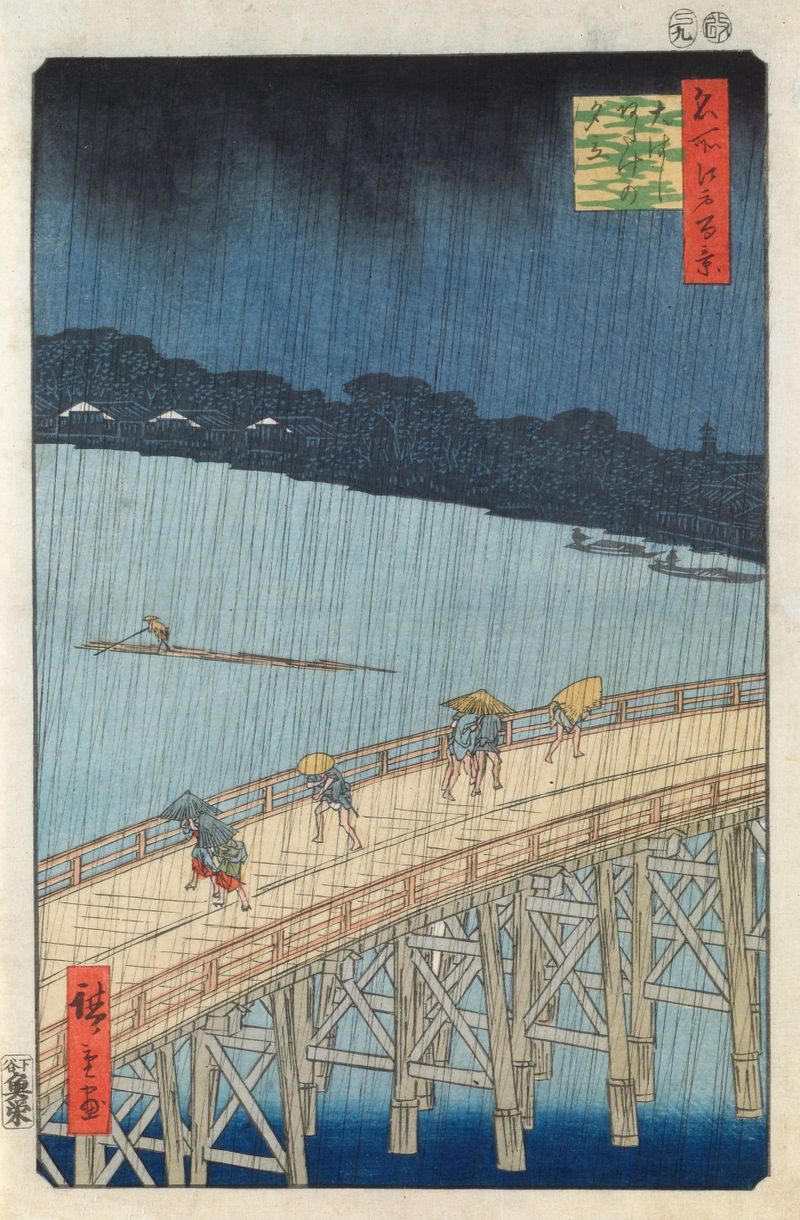
Sudden Shower Over Ohashi Bridge and Atake
Utagawa Hiroshige
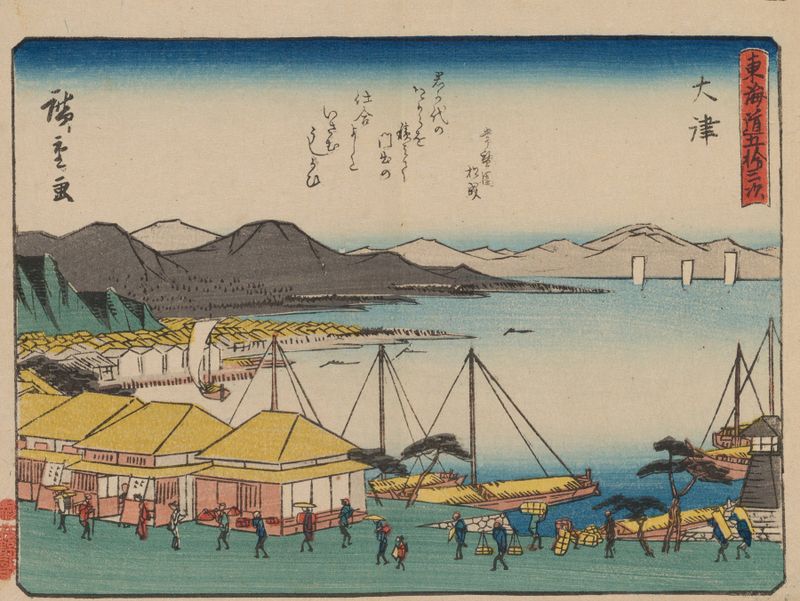
Tokaido gojusantsugi, Pl.54
Utagawa Hiroshige
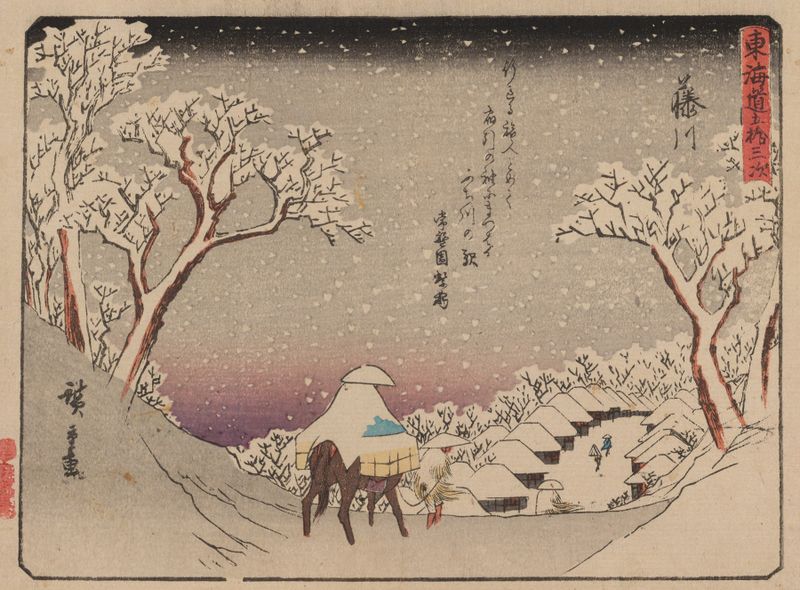
Tokaido gojusantsugi, Pl.38
Utagawa Hiroshige
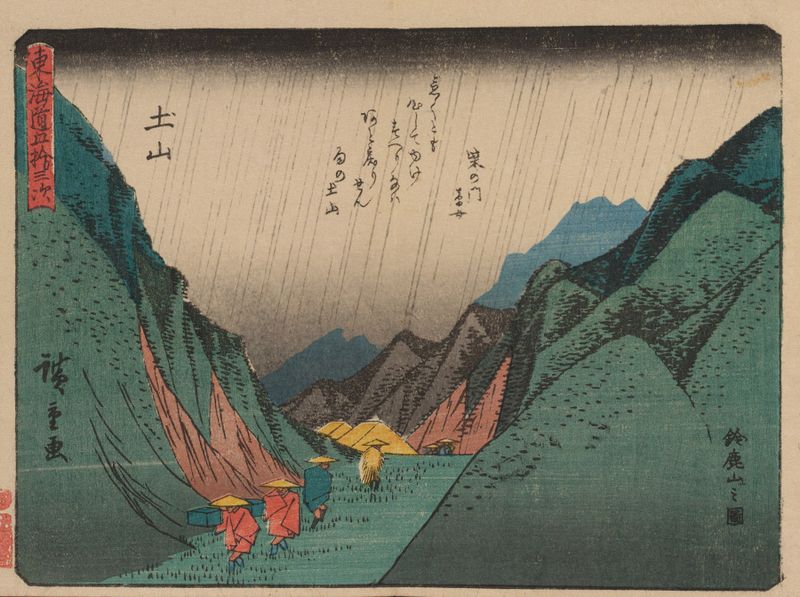
Tokaido gojusantsugi, Pl.50
Utagawa Hiroshige
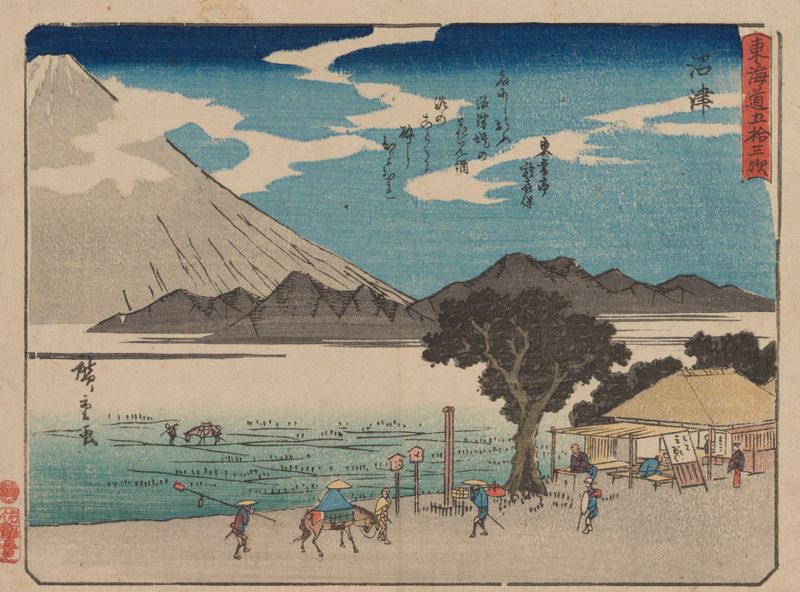
Tokaido gojusantsugi, Pl.13
Utagawa Hiroshige
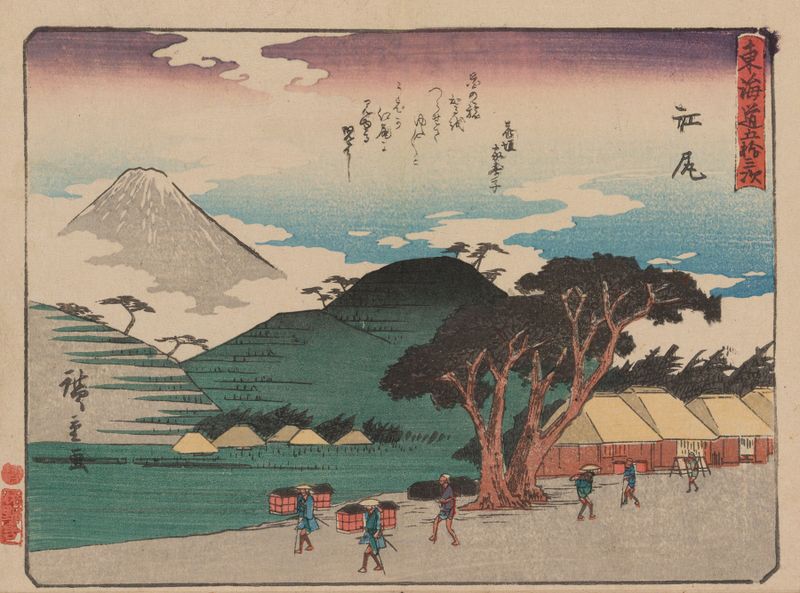
Tokaido gojusantsugi, Pl.19
Utagawa Hiroshige
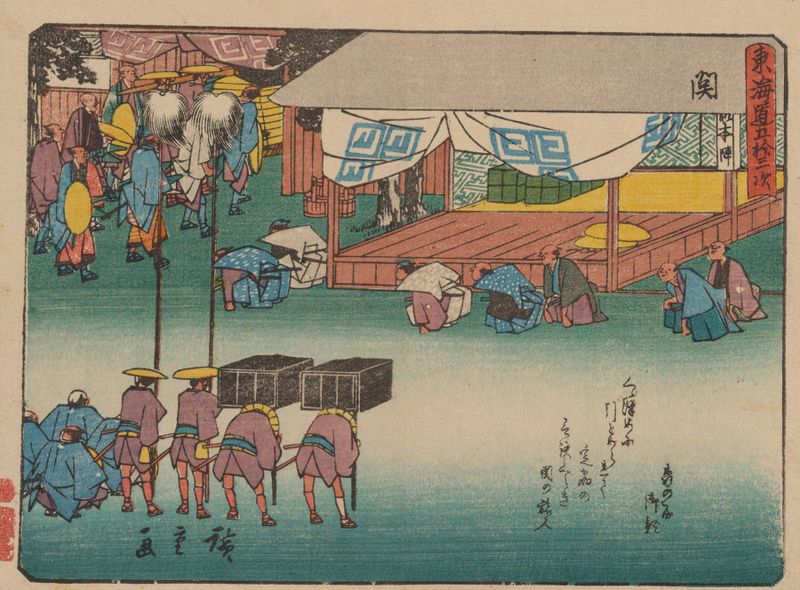
Tokaido gojusantsugi, Pl.48
Utagawa Hiroshige
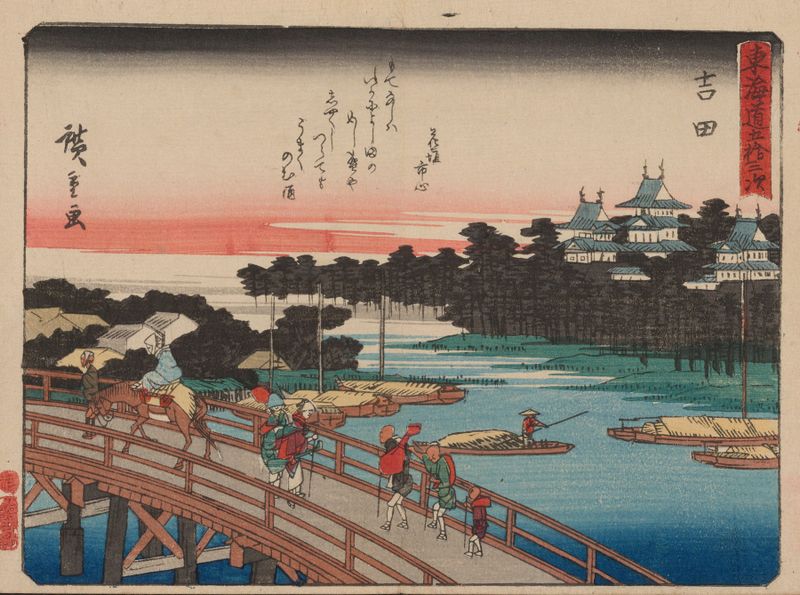
Tokaido gojusantsugi, Pl.35
Utagawa Hiroshige
Tokaido gojusantsugi, Pl.49
Utagawa Hiroshige





