
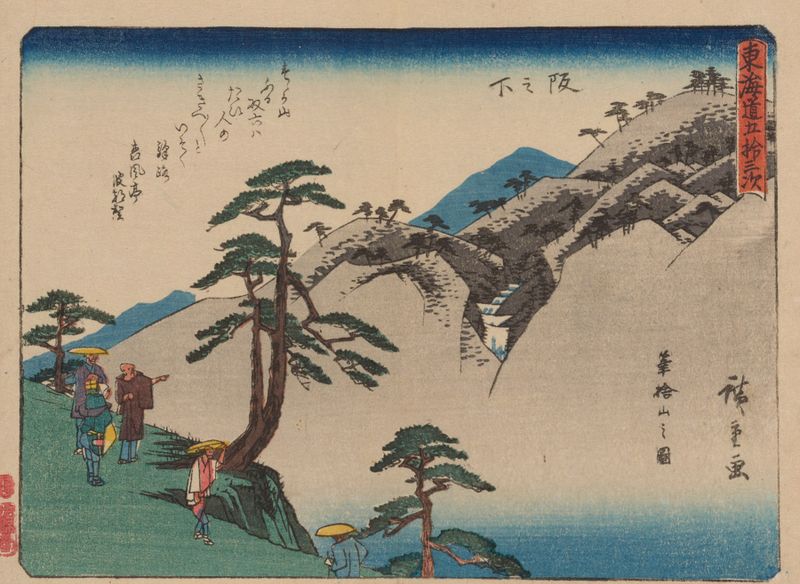
Tokaido gojusantsugi, Pl.21 — History & Facts
In the delicate interplay of color and form, one can sense the bittersweet whispers of betrayal that echo through the centuries. Look to the foreground, where a winding path draws the eye through a lush landscape. Notice how the soft blues and gentle greens harmonize with the rich browns, creating a serene yet poignant atmosphere. The figures along the path, small and almost lost, invite contemplation on their journey—are they escaping or seeking? The interplay of light subtly reveals the depth of the scene, with shadows that hint at unseen obstacles, perhaps the treachery of the road ahead. As your gaze wanders across the canvas, consider the juxtaposition of tranquility and turmoil.
The flowering trees, which stand as silent witnesses, symbolize beauty that coexists with the inevitability of change. This tension resonates deeply, suggesting that even in moments of peace, there lurks the potential for betrayal. Each element, from the gently flowing river to the distant mountains, contributes to an overarching narrative of longing and solitude. Created during the late Edo period, this work emerged in a time of transformation for Japan.
Hiroshige painted it when the country was on the cusp of modernization, grappling with the complexities of tradition and change. It was an era of both cultural introspection and external influence, making this piece not just a landscape, but a reflection of a society in flux, where every brushstroke carries the weight of history and unspoken stories.
More Artworks by Utagawa Hiroshige
Browse all →
Sudden Shower over Shin Ohashi Bridge and Atake (Ohashi Atake no yudachi), from the series "One Hundred Famous Views of Edo (Meisho Edo hyakkei)"
Utagawa Hiroshige
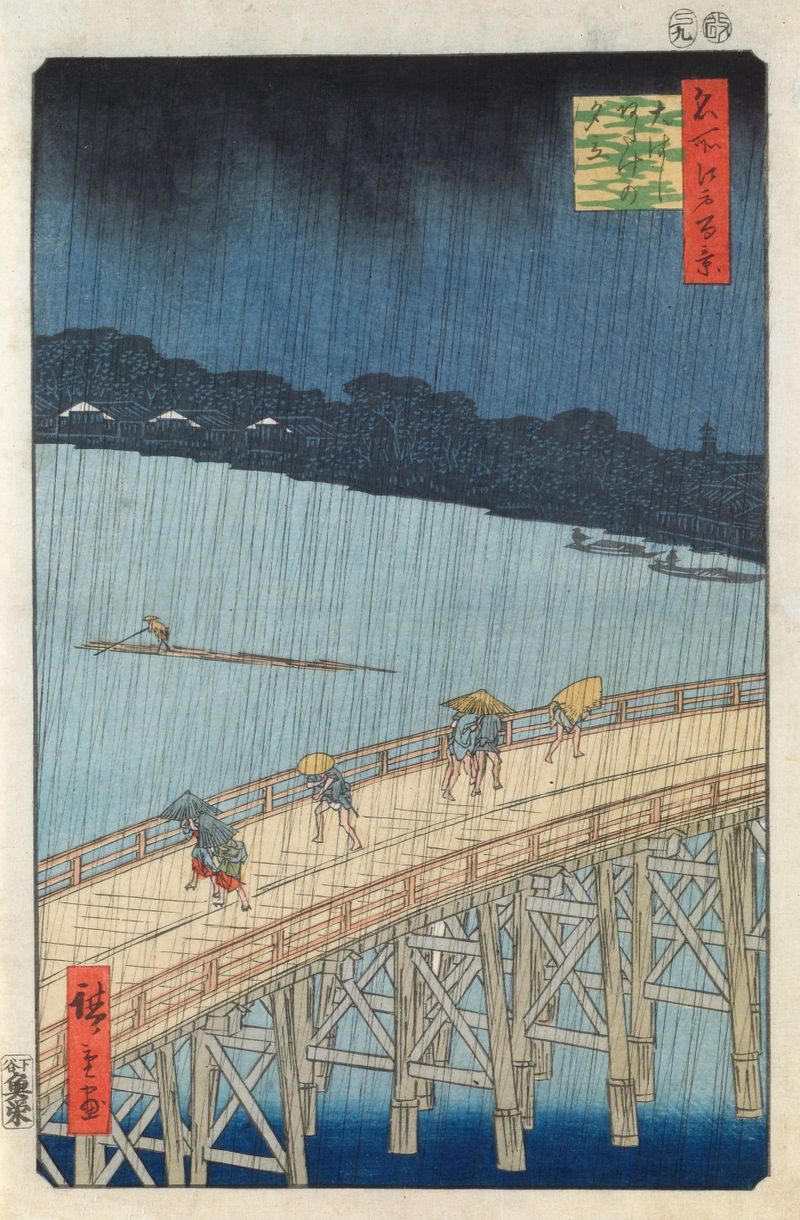
Sudden Shower Over Ohashi Bridge and Atake
Utagawa Hiroshige
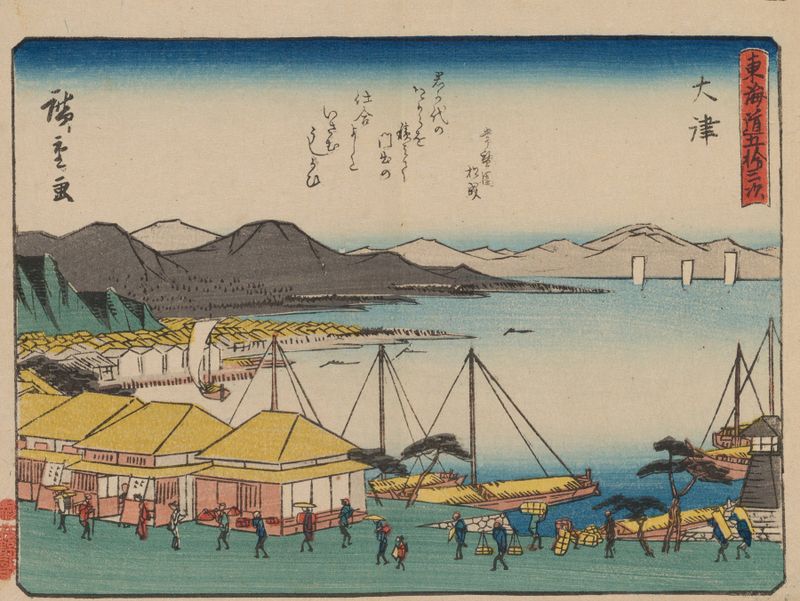
Tokaido gojusantsugi, Pl.54
Utagawa Hiroshige
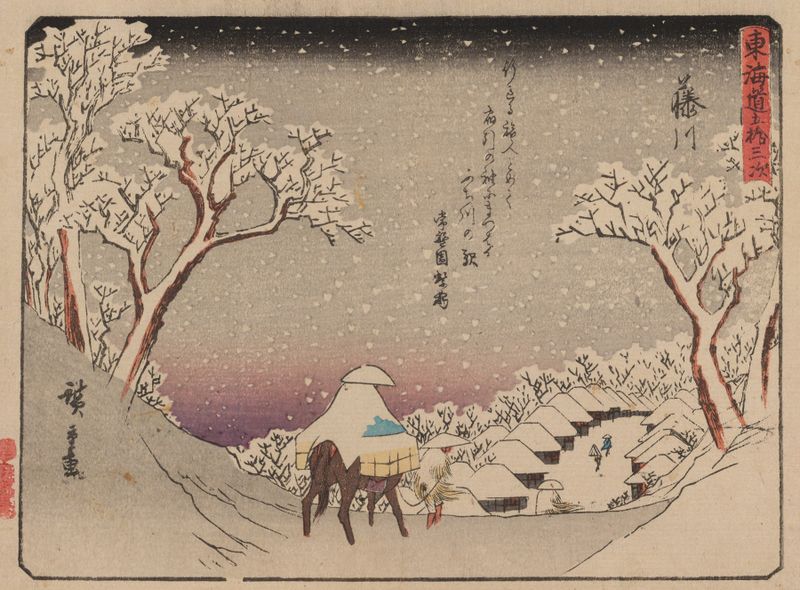
Tokaido gojusantsugi, Pl.38
Utagawa Hiroshige
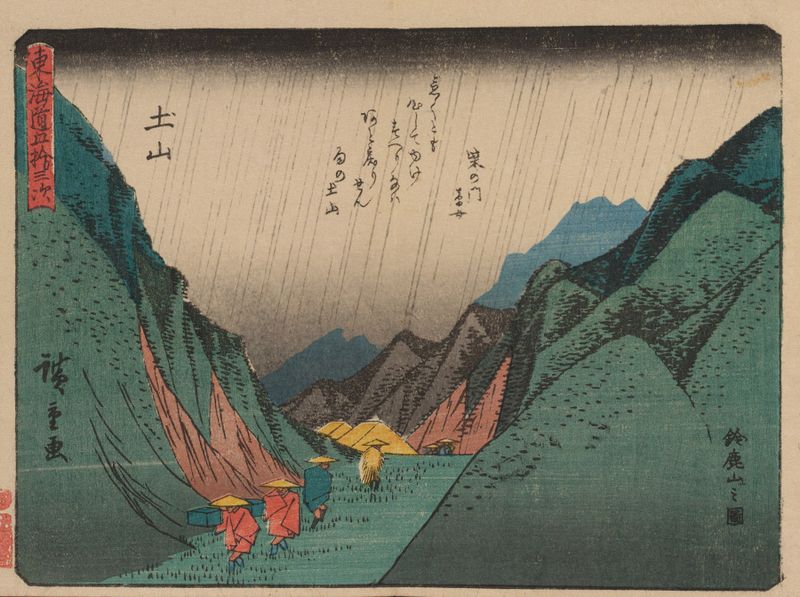
Tokaido gojusantsugi, Pl.50
Utagawa Hiroshige
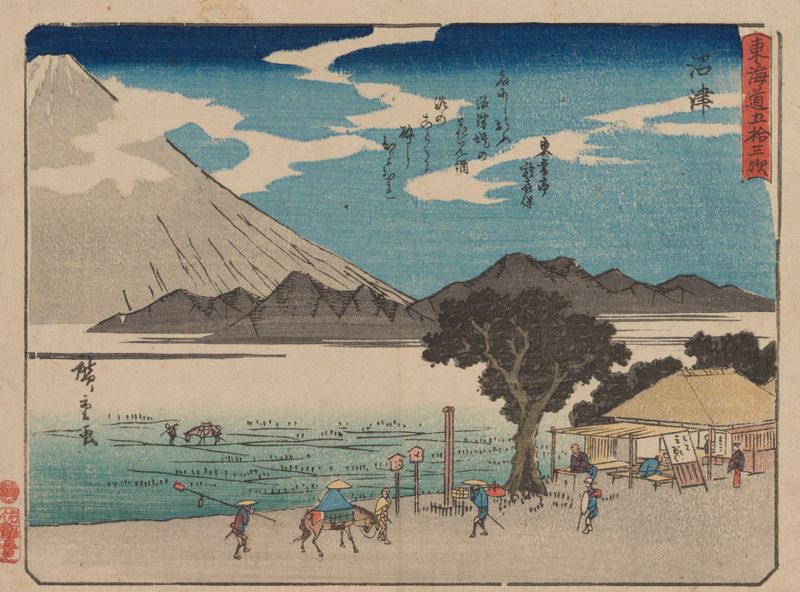
Tokaido gojusantsugi, Pl.13
Utagawa Hiroshige
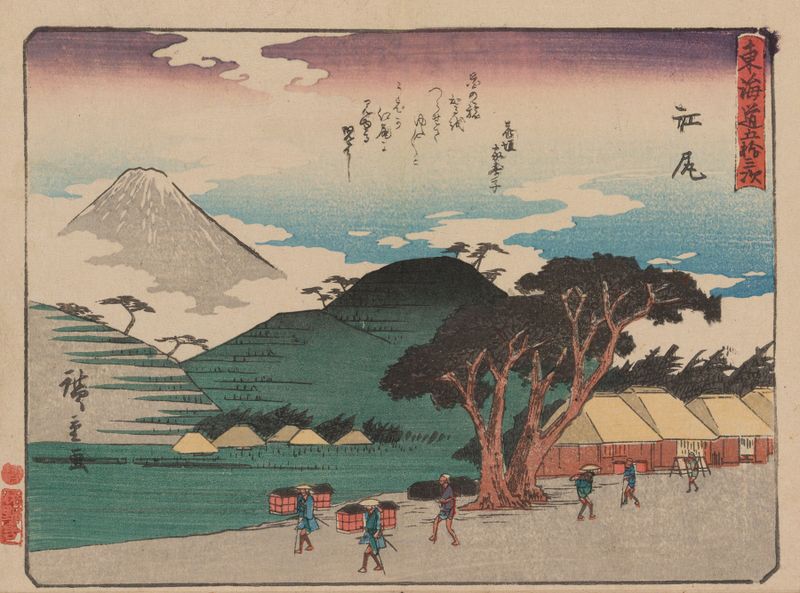
Tokaido gojusantsugi, Pl.19
Utagawa Hiroshige
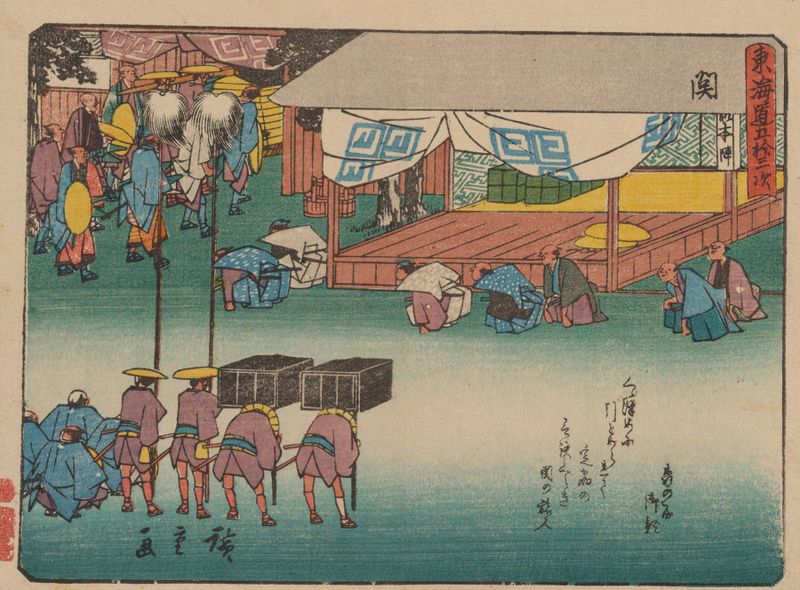
Tokaido gojusantsugi, Pl.48
Utagawa Hiroshige
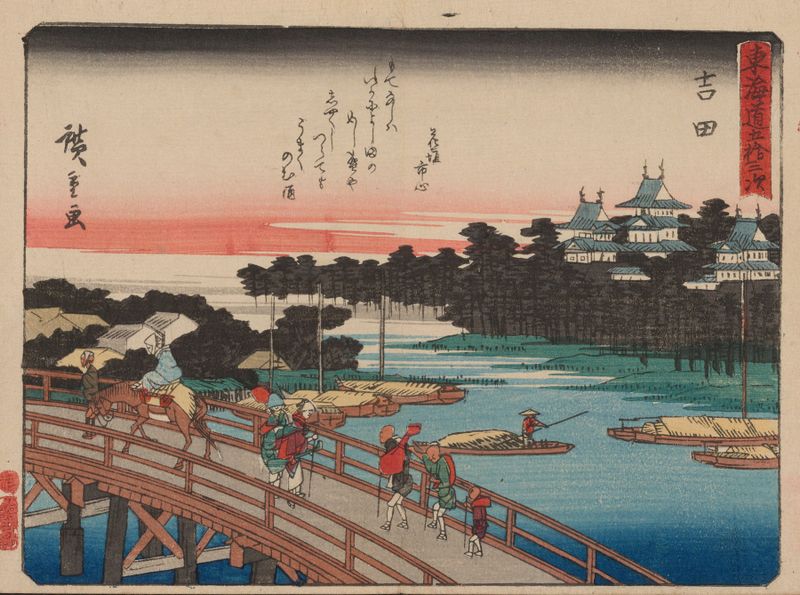
Tokaido gojusantsugi, Pl.35
Utagawa Hiroshige
Tokaido gojusantsugi, Pl.49
Utagawa Hiroshige





