
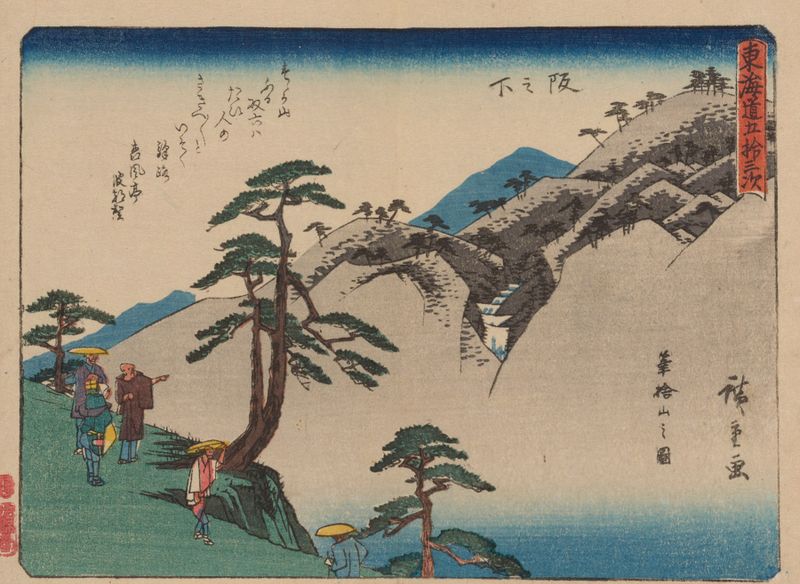
Tokaido gojusantsugi, Pl.39 — History & Facts
In the delicate layers of Utagawa Hiroshige’s Tokaido gojusantsugi, Pl.39, one can sense a profound yearning, a longing that transcends the physical realm and speaks to the heart's deepest desires. Focus your gaze on the gentle undulations of the hills, where soft blues and greens cradle a winding path traversed by weary travelers. Notice the meticulous attention to detail in the figures, rendered small against the vastness of nature, as they journey toward an unseen destination. The composition is balanced, yet the asymmetry created by the looming mountains hints at the challenges that lie ahead.
The delicate use of color and light captures the fleeting moments of tranquility amidst the chaos of life, inviting viewers to step into this tranquil landscape. Within this serene scene, contrasts emerge: the harmony of nature against the solitude of human existence, the vibrant colors that mask a deeper sense of isolation. Each traveler appears lost in thought, their presence emphasizing both the beauty of the landscape and the weight of their burdens. The distant mountains, often shrouded in mist, symbolize unattainable dreams, while the path represents the arduous journey of life itself, echoing the unending pursuit of fulfillment. Hiroshige created this piece during the later years of the Edo period, a time when Japan was undergoing rapid changes, both politically and artistically.
Painted between 1868 and 1912, he was part of a movement that embraced the beauty of everyday life amidst modernization. This artwork is a testament to his mastery in capturing the essence of the Japanese landscape, reflecting his profound connection to nature and the human experience during a pivotal moment in history.
More Artworks by Utagawa Hiroshige
Browse all →
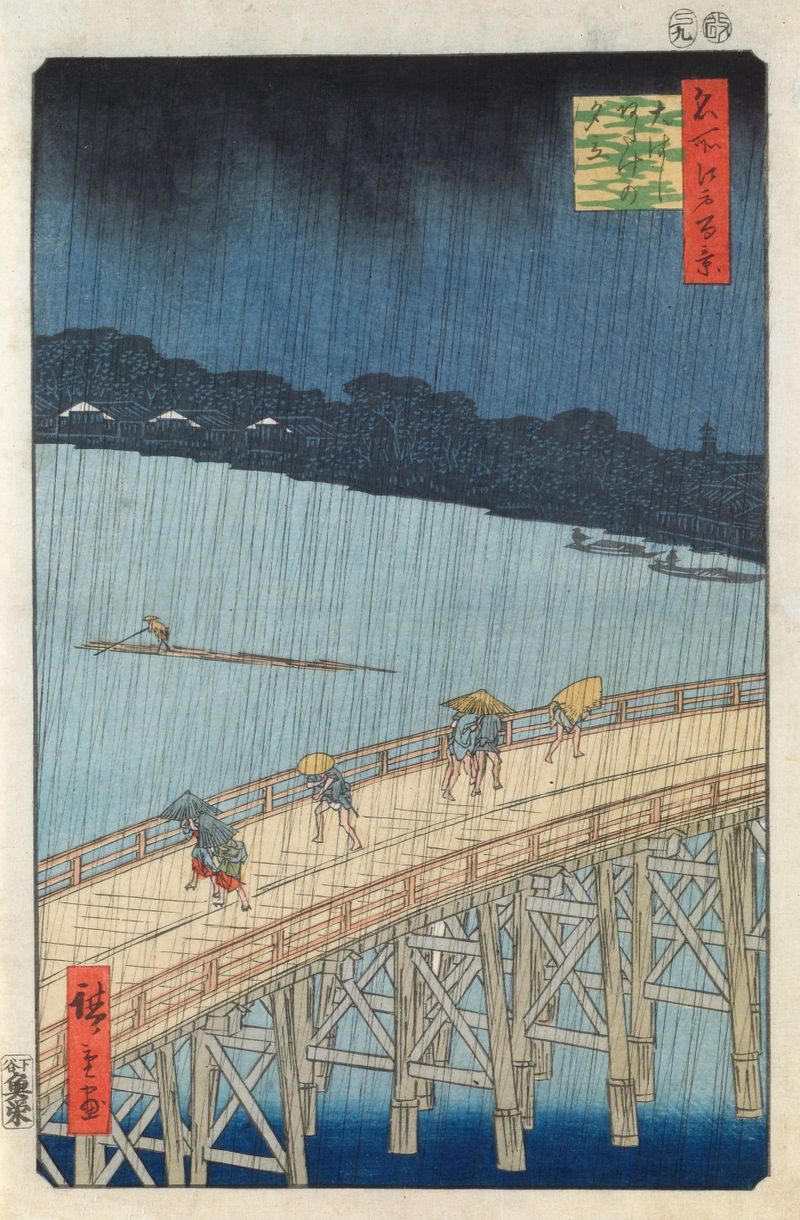
Sudden Shower over Shin Ohashi Bridge and Atake (Ohashi Atake no yudachi), from the series "One Hundred Famous Views of Edo (Meisho Edo hyakkei)"
Utagawa Hiroshige
Sudden Shower Over Ohashi Bridge and Atake
Utagawa Hiroshige
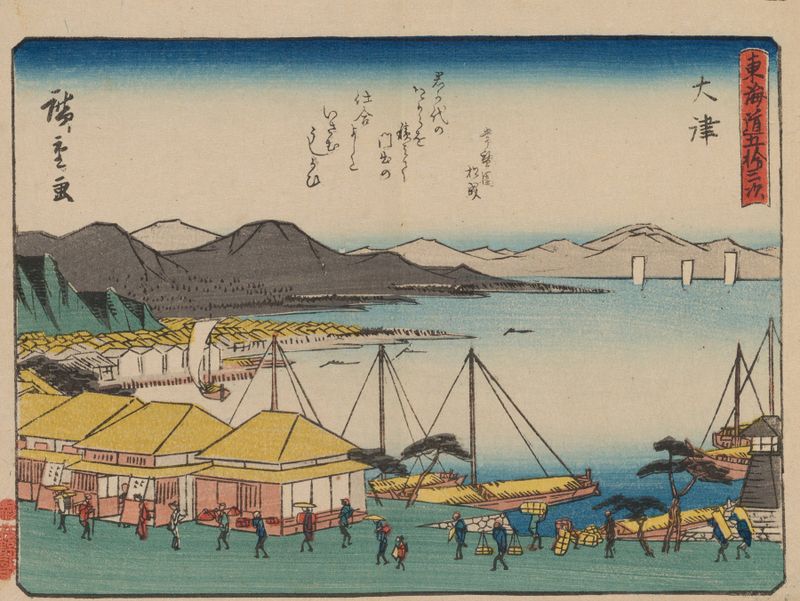
Tokaido gojusantsugi, Pl.54
Utagawa Hiroshige
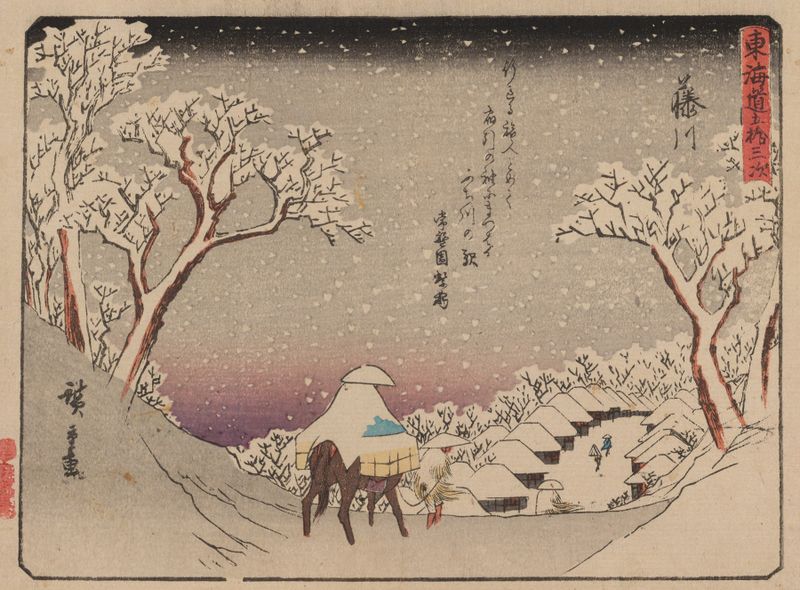
Tokaido gojusantsugi, Pl.38
Utagawa Hiroshige
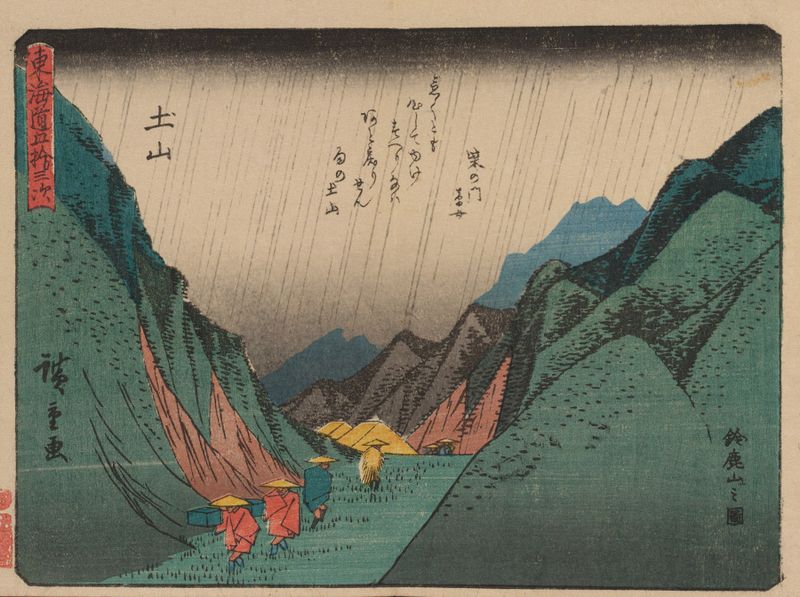
Tokaido gojusantsugi, Pl.50
Utagawa Hiroshige
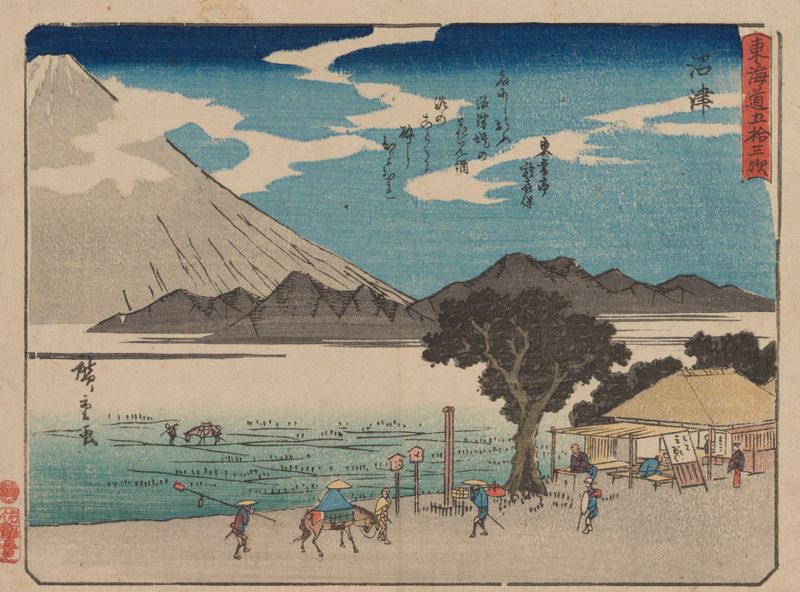
Tokaido gojusantsugi, Pl.13
Utagawa Hiroshige
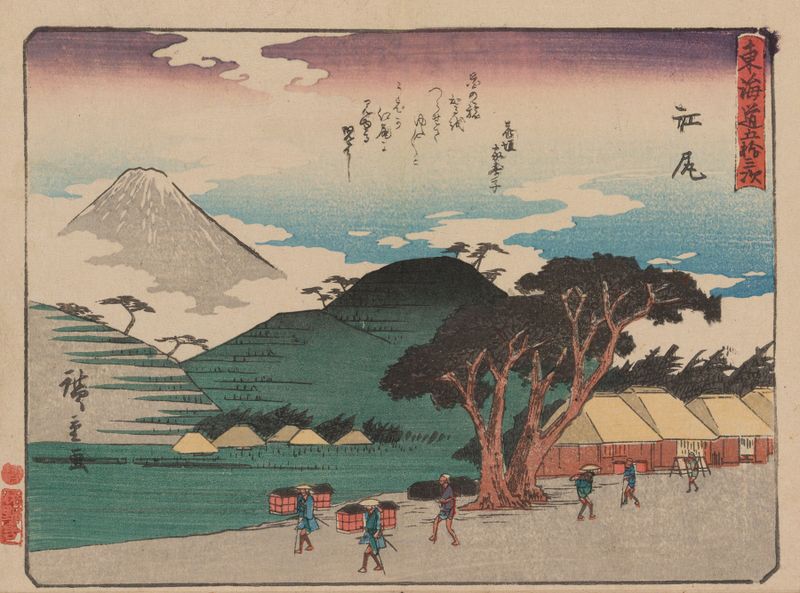
Tokaido gojusantsugi, Pl.19
Utagawa Hiroshige
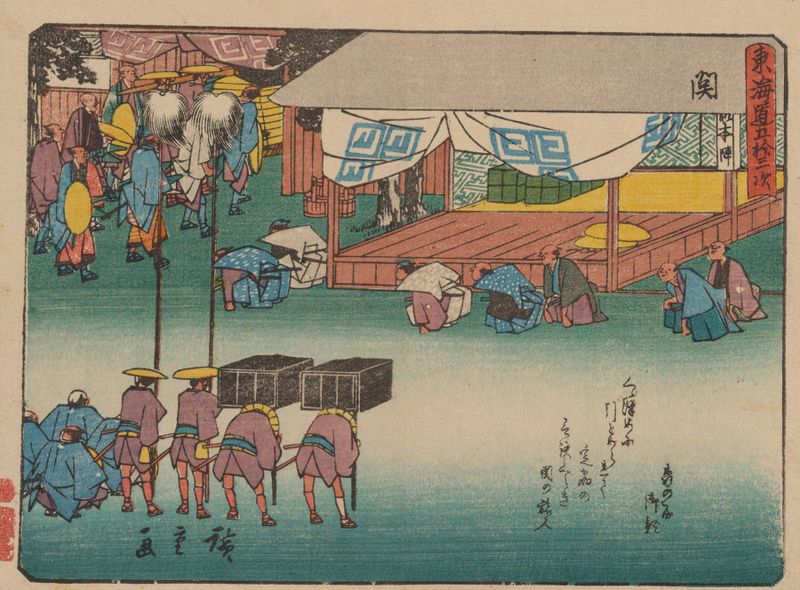
Tokaido gojusantsugi, Pl.48
Utagawa Hiroshige
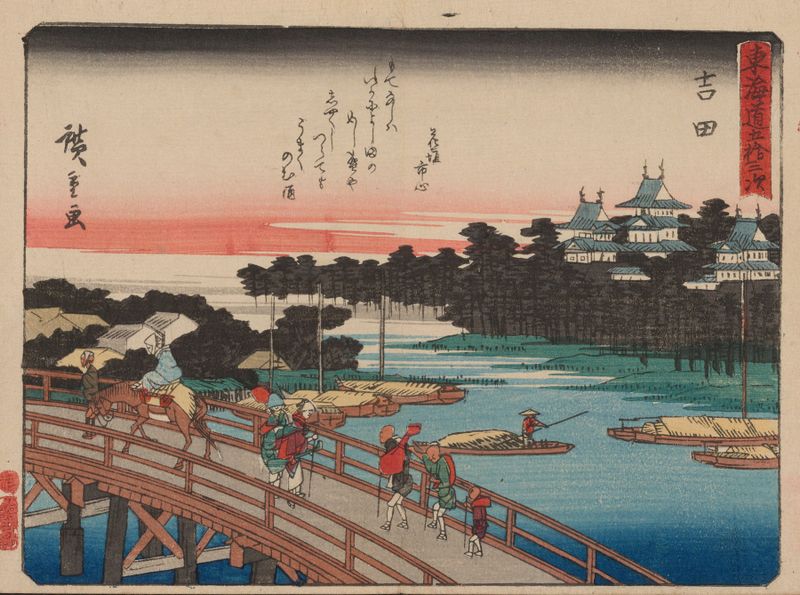
Tokaido gojusantsugi, Pl.35
Utagawa Hiroshige
Tokaido gojusantsugi, Pl.49
Utagawa Hiroshige





