
Tokaido gojusantsugi, Pl.42 — History & Facts
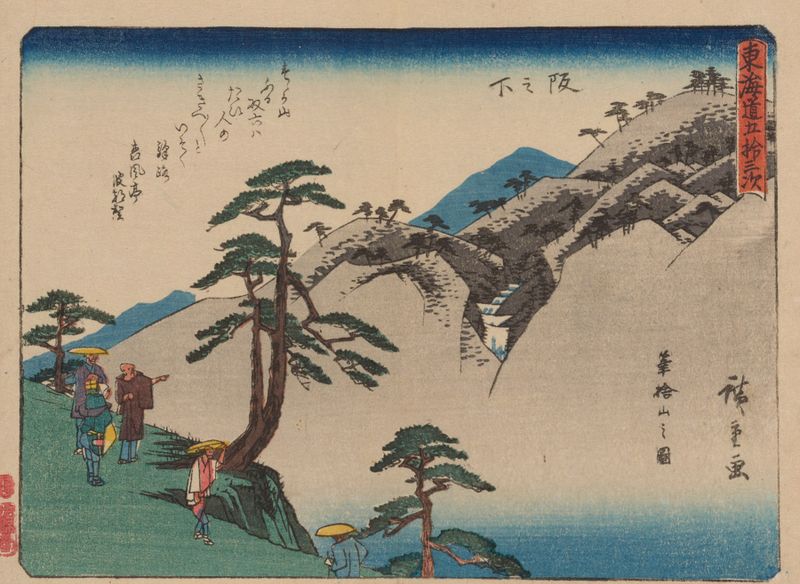
What if silence could speak through light? In Tokaido gojusantsugi, Pl.42, the absence of sound amplifies the beauty of an ephemeral moment, inviting us to ponder the illusions crafted by nature and art. Look to the center of the composition, where a tranquil river meanders beneath a canopy of ethereal blue and violet shades. The delicate interplay of light and shadow creates a dreamlike quality, revealing Hiroshige's mastery of color blending. Notice how the silhouettes of distant hills rise softly against the pastel sky, while wisps of clouds float lazily above the landscape, suggesting both peace and fleetingness.
Each brushstroke captures a world suspended in time, urging the viewer to linger in this serene vista. Dig deeper, and you'll find hints of emotional tension nestled within the harmony. The juxtaposition of the tranquil river against the starkness of the hills speaks to the duality of existence: calmness amidst the vast uncertainties of life. Subtle details, like the soft ripple of water and the delicate foliage at the edges, evoke a sense of longing and nostalgia, echoing the transient nature of beauty itself.
It’s a reminder that illusion often lies between reality and perception. Created during the later years of the Edo period, this work emerged in a time when Japan was undergoing significant social and political transformation. Hiroshige, celebrated for his ukiyo-e woodblock prints, sought to capture the essence of Japan's landscapes and culture. As the nation began to embrace modernization, his art stood as a poignant reflection of the beauty found in tradition and the ephemeral moments that slip through our grasp.
More Artworks by Utagawa Hiroshige
Browse all →
Sudden Shower over Shin Ohashi Bridge and Atake (Ohashi Atake no yudachi), from the series "One Hundred Famous Views of Edo (Meisho Edo hyakkei)"
Utagawa Hiroshige
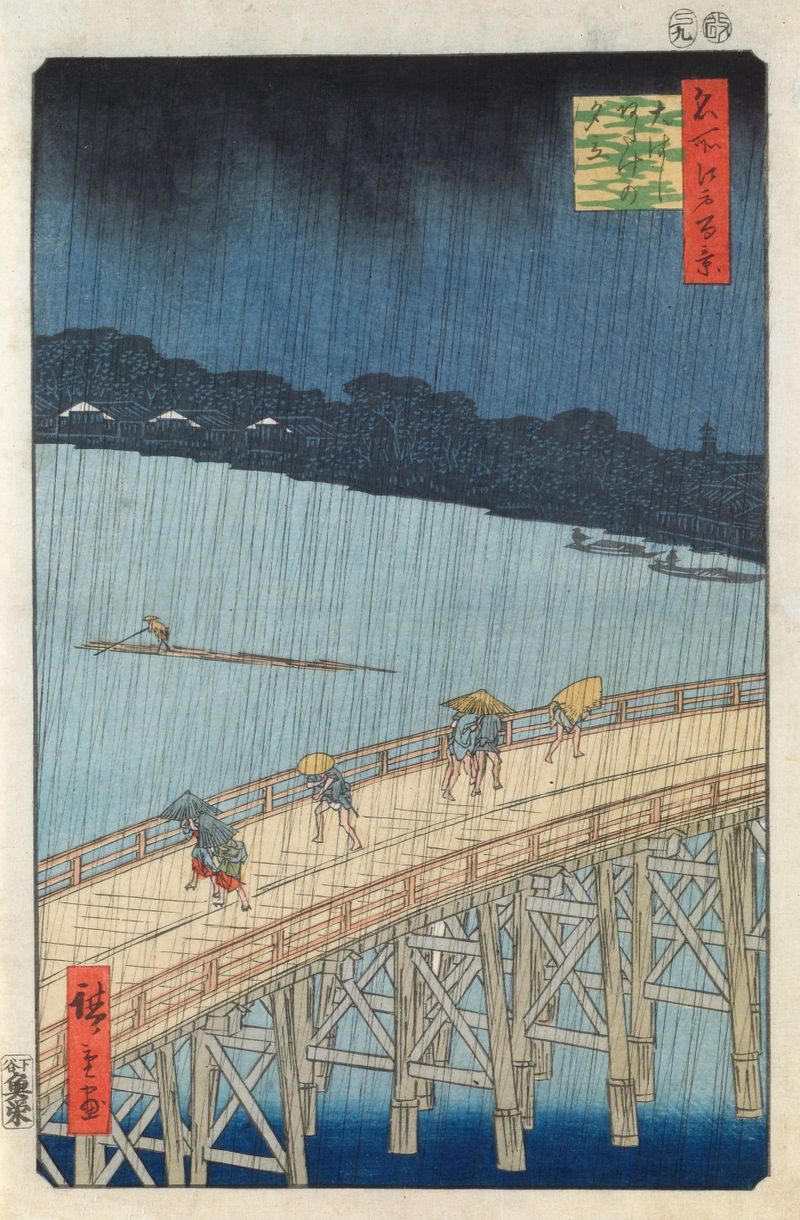
Sudden Shower Over Ohashi Bridge and Atake
Utagawa Hiroshige
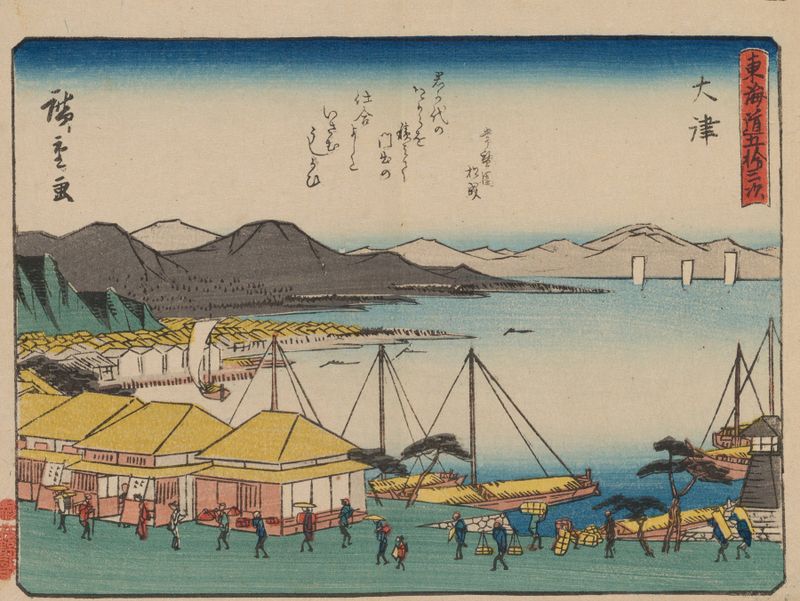
Tokaido gojusantsugi, Pl.54
Utagawa Hiroshige
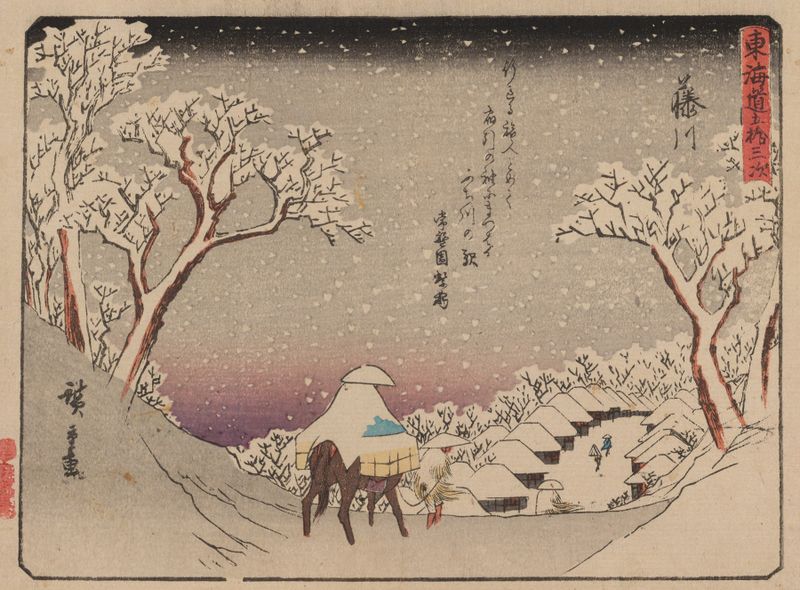
Tokaido gojusantsugi, Pl.38
Utagawa Hiroshige
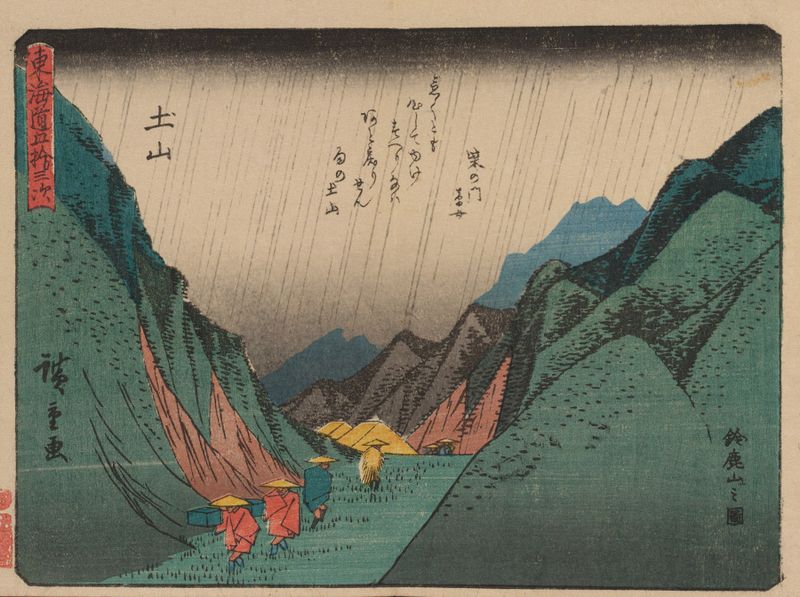
Tokaido gojusantsugi, Pl.50
Utagawa Hiroshige
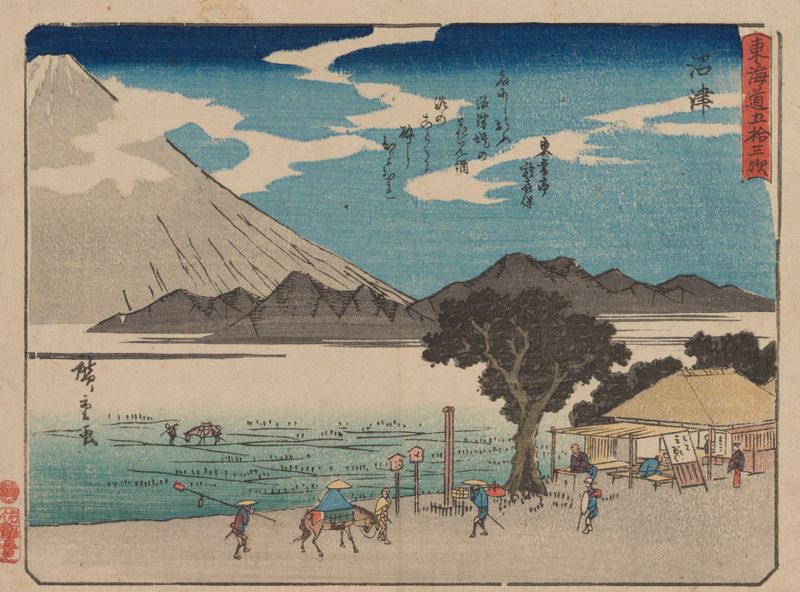
Tokaido gojusantsugi, Pl.13
Utagawa Hiroshige
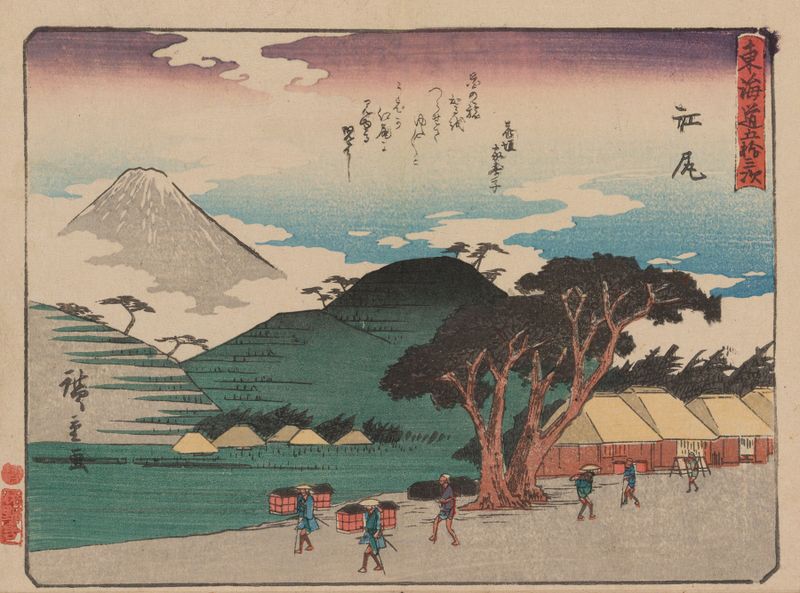
Tokaido gojusantsugi, Pl.19
Utagawa Hiroshige
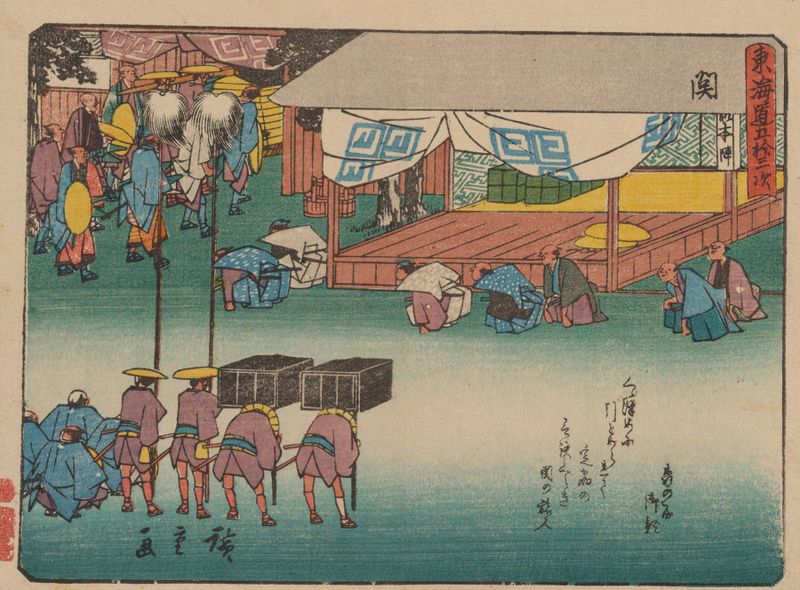
Tokaido gojusantsugi, Pl.48
Utagawa Hiroshige
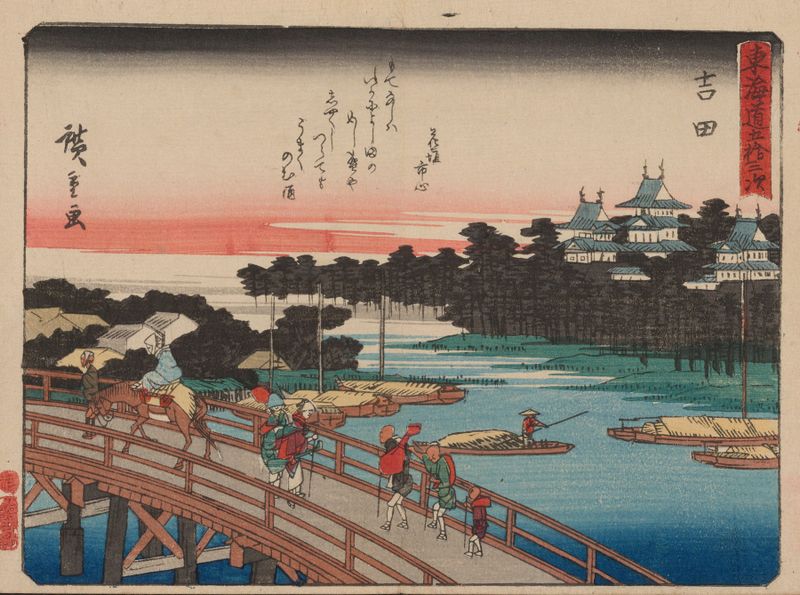
Tokaido gojusantsugi, Pl.35
Utagawa Hiroshige
Tokaido gojusantsugi, Pl.49
Utagawa Hiroshige





