
Tossa de Mar — History & Facts
Could beauty survive in a century of chaos? The landscape before us suggests a tender resilience amidst the encroaching madness of its time. Look to the left at the gentle curve of the coastline, where soft waves kiss the sunlit shores of Tossa de Mar. The vibrant blues of the water blend seamlessly with the warm tones of the sandy beach, creating an inviting yet tranquil juxtaposition. The artist’s brushwork captures the fleeting nature of time, as wisps of white clouds drift lazily overhead, mirroring the calm surface below.
Focus on the distant cliffs, their ruggedness softened by the golden light, a reminder that even harsh realities can be dulled by the beauty of daybreak. As you absorb the scene, note the tension between the idyllic serenity of the landscape and the undercurrents of disquiet they evoke. The distant hills loom like watchful guardians, suggesting that peace may be temporary, while the vibrant colors emit a hopeful glow that seems defiant against the chaos. This duality evokes a sense of longing, as if the viewer is reminded that even in moments of beauty, an unseen turmoil persists, waiting to disrupt the calm. Hermann Lismann painted this work during a time when Europe was grappling with change and uncertainty.
Little is documented about the artist, but the quiet power of this piece reflects the broader currents of the late 19th century, when many artists sought solace in nature as a response to the tumult of modernity. This painting serves not only as a portrayal of a serene landscape but also as a meditation on the fragility and resilience of beauty amidst chaos.
More Artworks by Hermann Lismann
Browse all →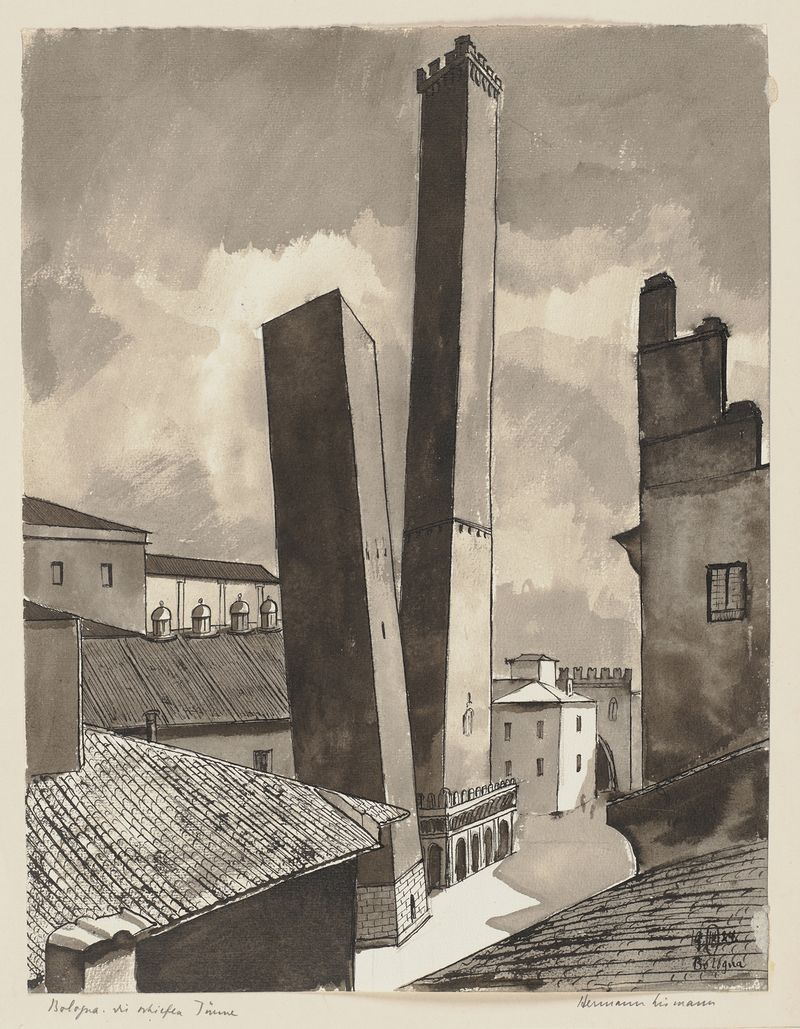
Die beiden Türme Garisenda und Asinelli in Bologna
Hermann Lismann
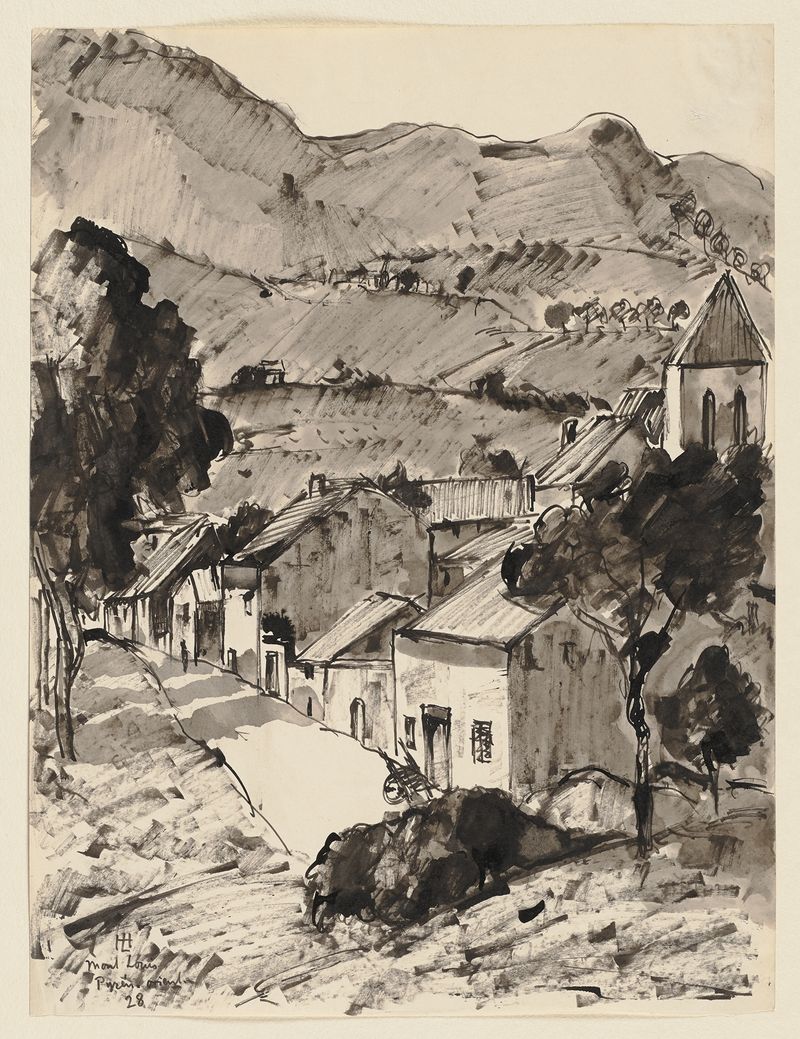
Mont-Louis
Hermann Lismann
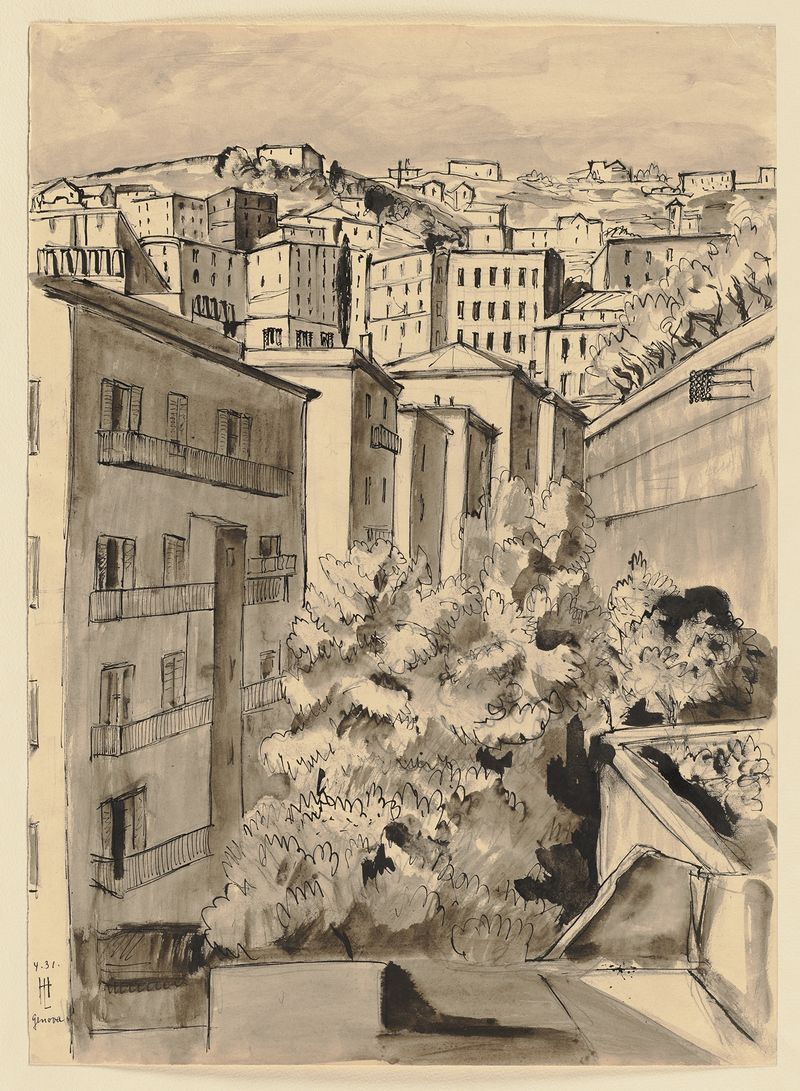
View of Genoa
Hermann Lismann
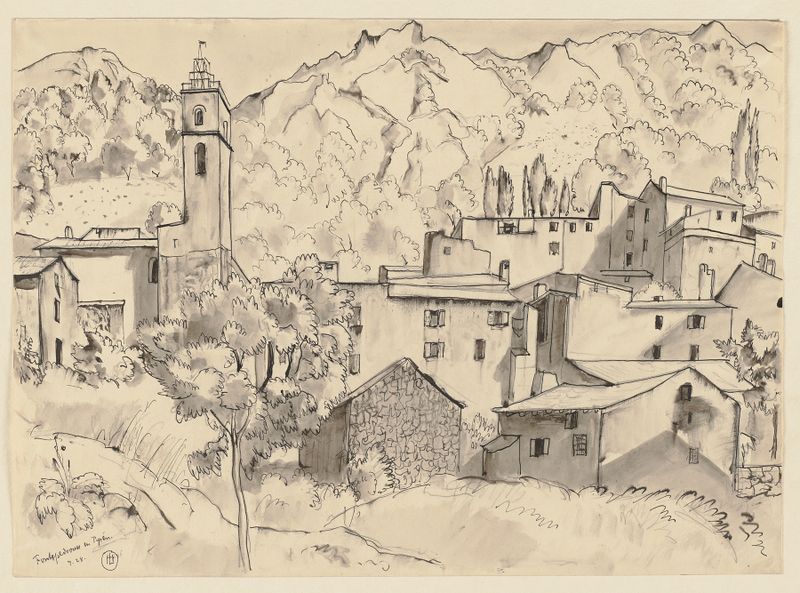
Fontpédrouse en Pyrénées
Hermann Lismann
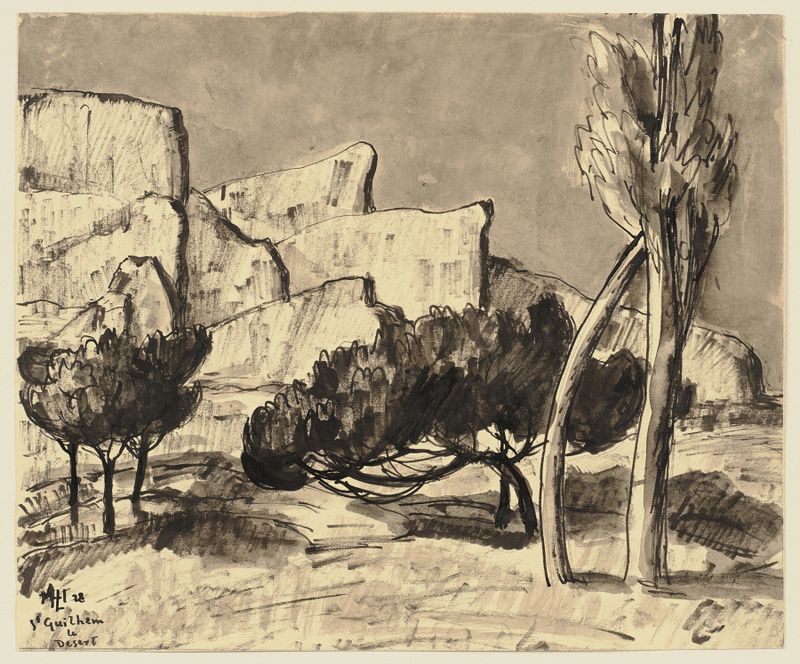
Saint-Guilhem-le-Désert
Hermann Lismann
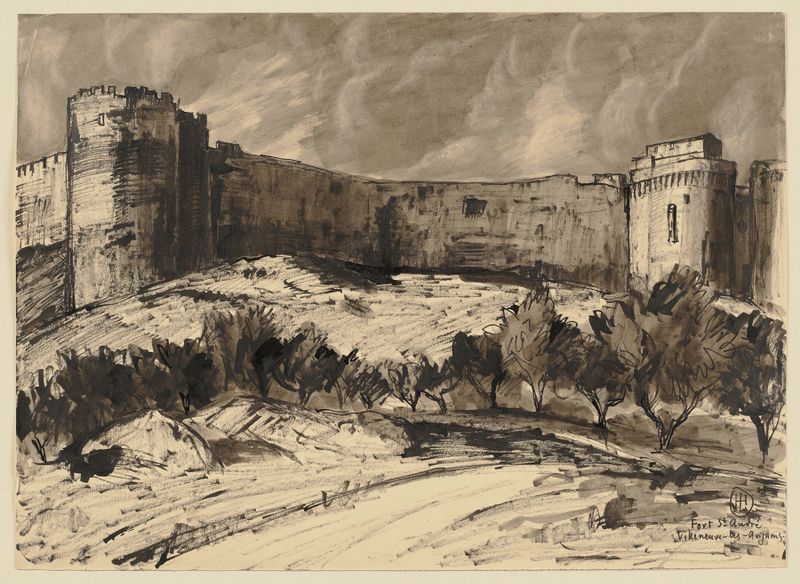
Fort Saint-André in Villeneuve-les-Avignon
Hermann Lismann
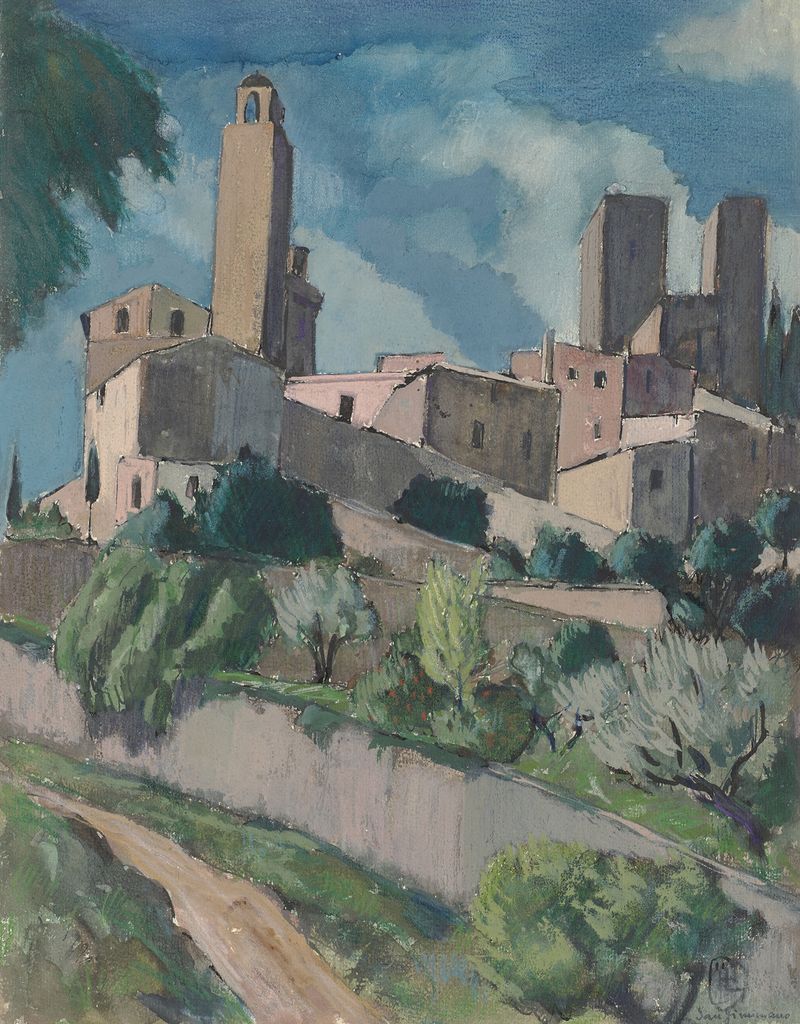
San Gimignano
Hermann Lismann
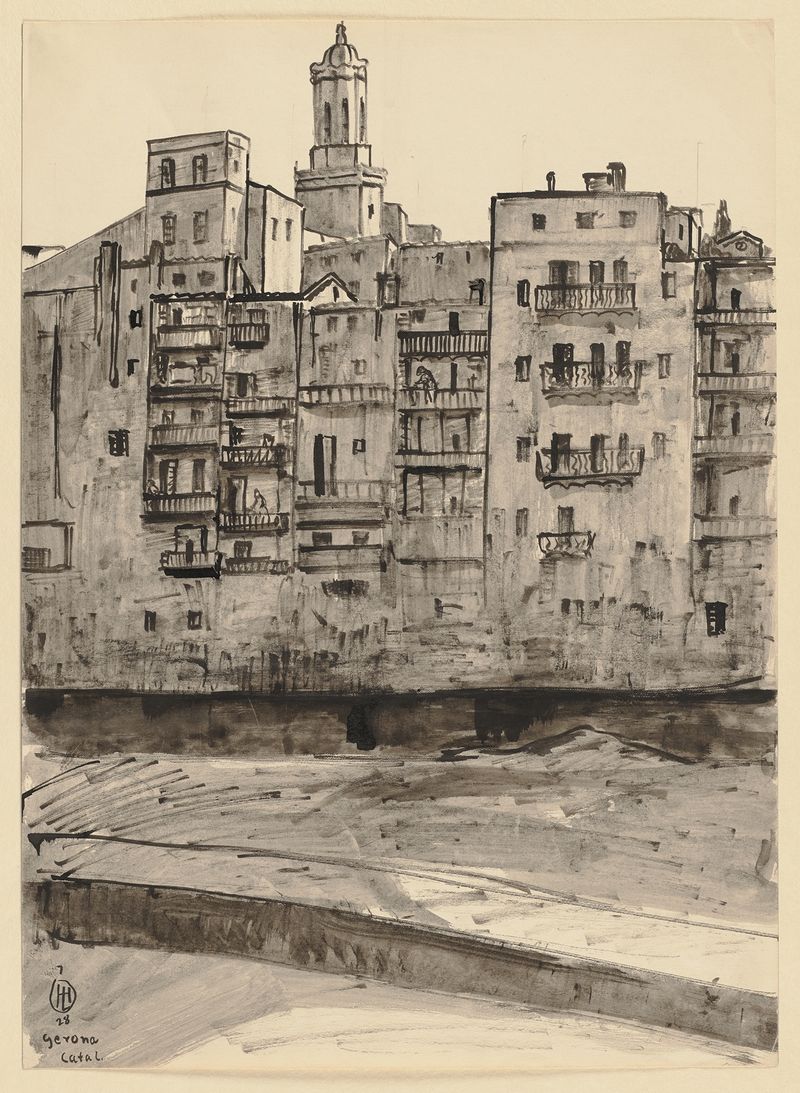
Girona vom Fluss aus gesehen, im Hintergrund der Turm der Kathedrale
Hermann Lismann
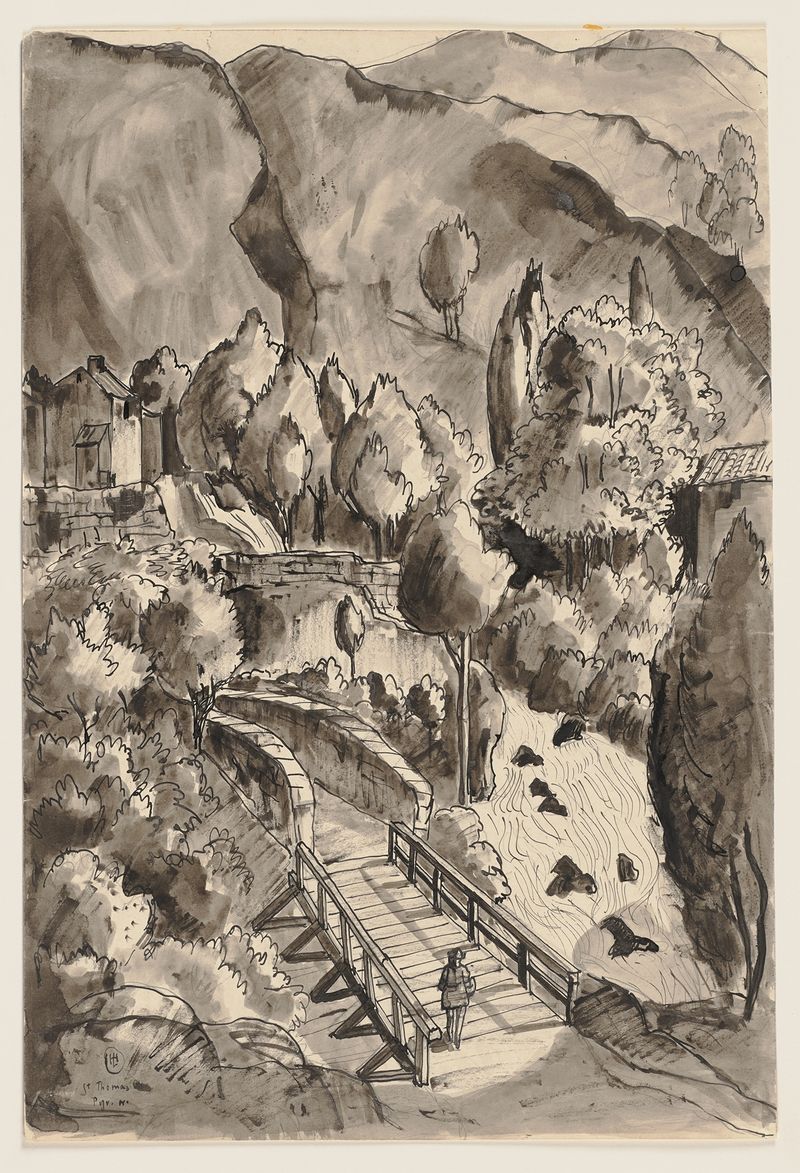
Saint Thomas, Pyrénées
Hermann Lismann
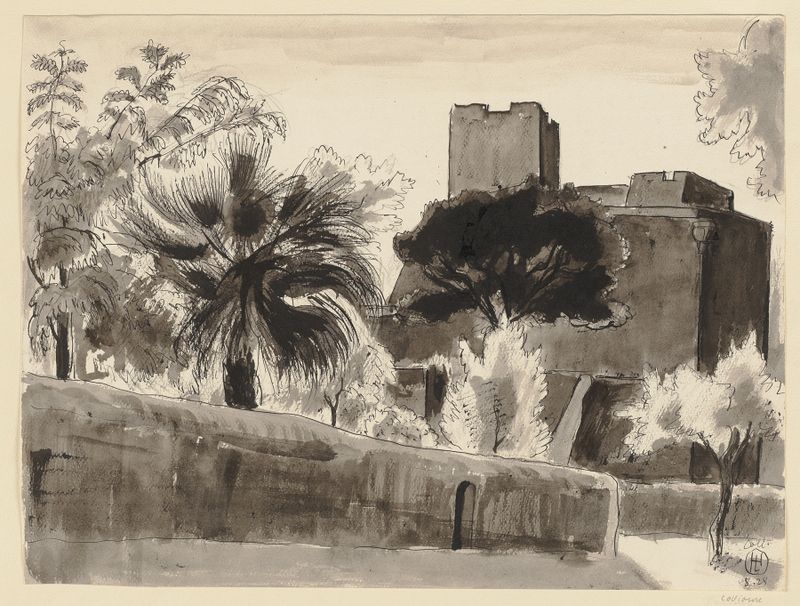
Collioure
Hermann Lismann





