
Totsuka — History & Facts
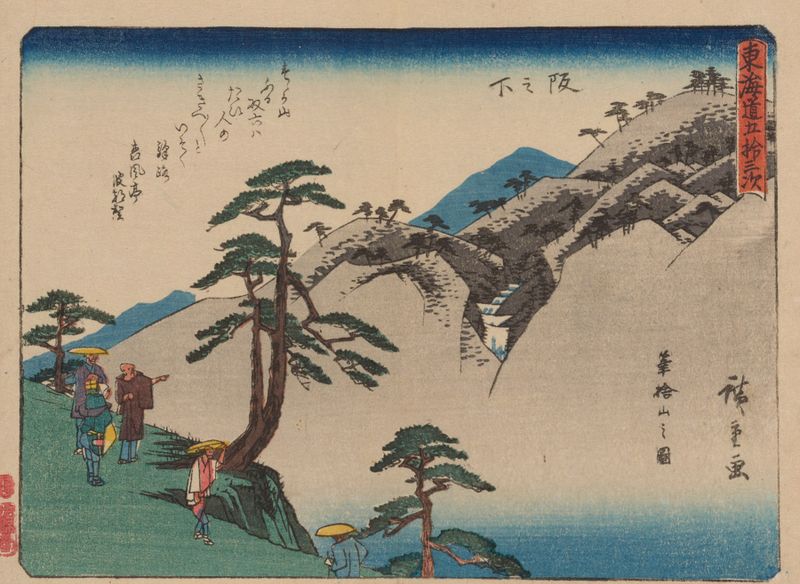
In the delicate world of Totsuka, grief emerges not as a loud lament but as a quiet whisper, echoing in the spaces between colors and silhouettes. Look to the foreground at the tree branches bending gracefully, their hues of deep green and soft browns inviting a sense of solace. The distant rolling hills blend seamlessly into a misty haze, displaying a spectrum of blues and greys that evoke both tranquility and sorrow. The composition's balance draws the eye gently from the vibrant flora to the serene waterways, while Hiroshige’s meticulous line work adds a layer of finesse that brings the scene alive, grounding us in the moment with each intricate detail. Beneath the surface, the painting reflects the bittersweet nature of memory and loss.
The intertwining of nature and human presence suggests a harmony that is often disrupted by grief, leaving traces of what once was. The hazy horizon speaks to the transient nature of life, where each sunset signifies both an end and a new beginning, prompting viewers to contemplate their own connections to the past and the inevitability of change. Created in 1855, during a period when Japan was undergoing significant social and cultural transformation, Hiroshige crafted Totsuka as part of his series capturing the beauty of the Tōkaidō road. This era marked a heightened appreciation for landscapes in Japanese art, allowing the artist to express deep emotional narratives through serene depictions of nature, reflecting both his personal experiences and the collective consciousness of his time.
More Artworks by Utagawa Hiroshige
Browse all →
Sudden Shower over Shin Ohashi Bridge and Atake (Ohashi Atake no yudachi), from the series "One Hundred Famous Views of Edo (Meisho Edo hyakkei)"
Utagawa Hiroshige
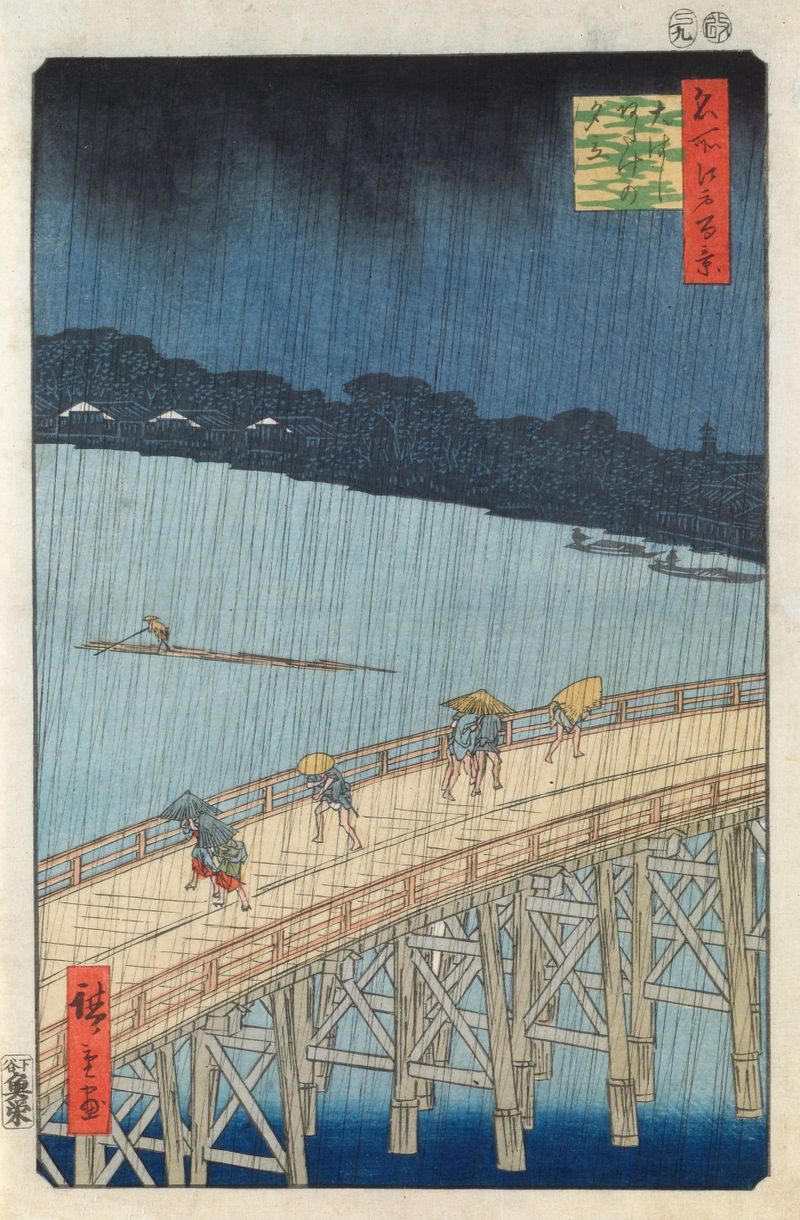
Sudden Shower Over Ohashi Bridge and Atake
Utagawa Hiroshige
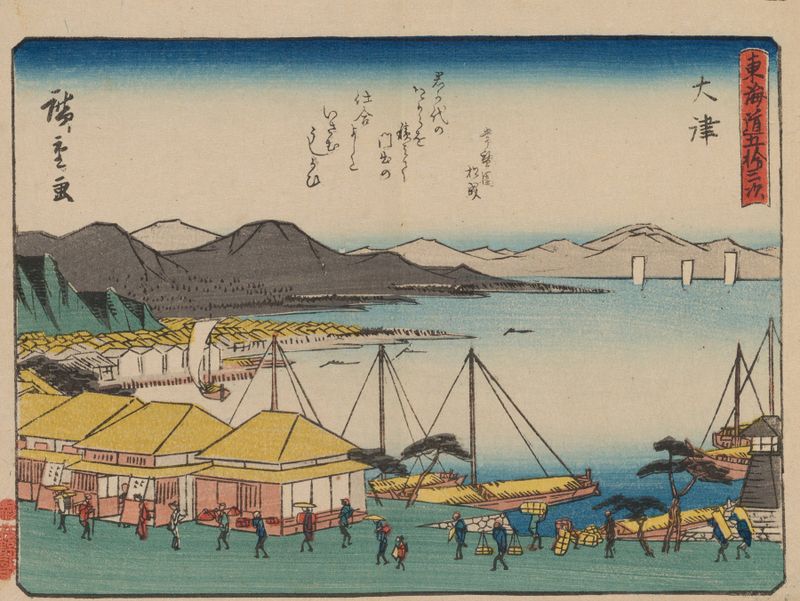
Tokaido gojusantsugi, Pl.54
Utagawa Hiroshige
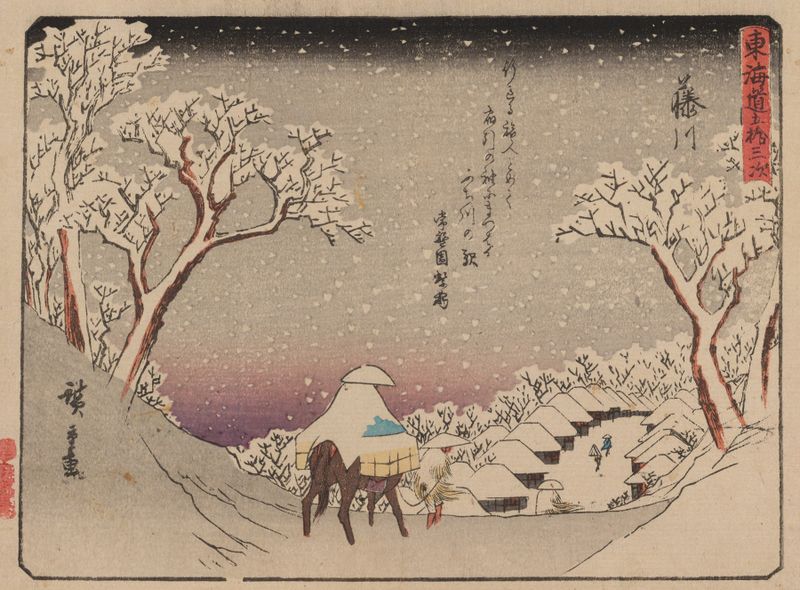
Tokaido gojusantsugi, Pl.38
Utagawa Hiroshige
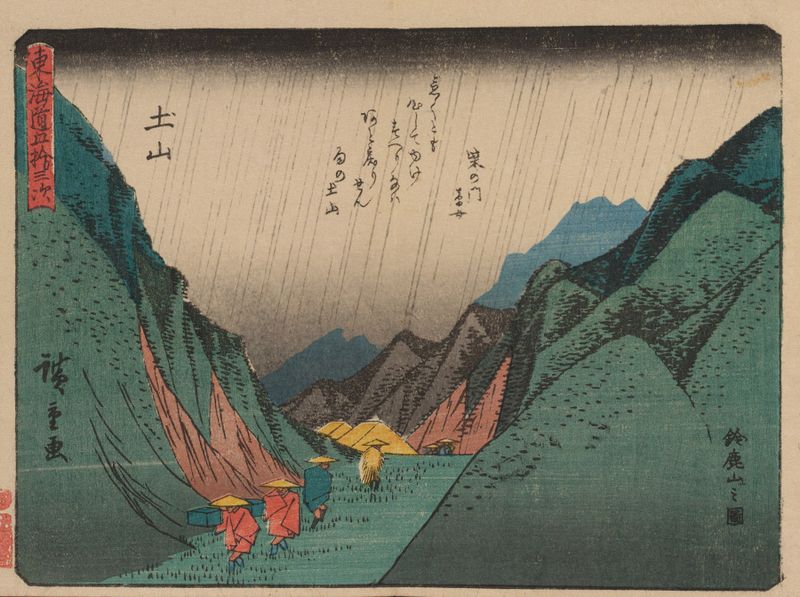
Tokaido gojusantsugi, Pl.50
Utagawa Hiroshige
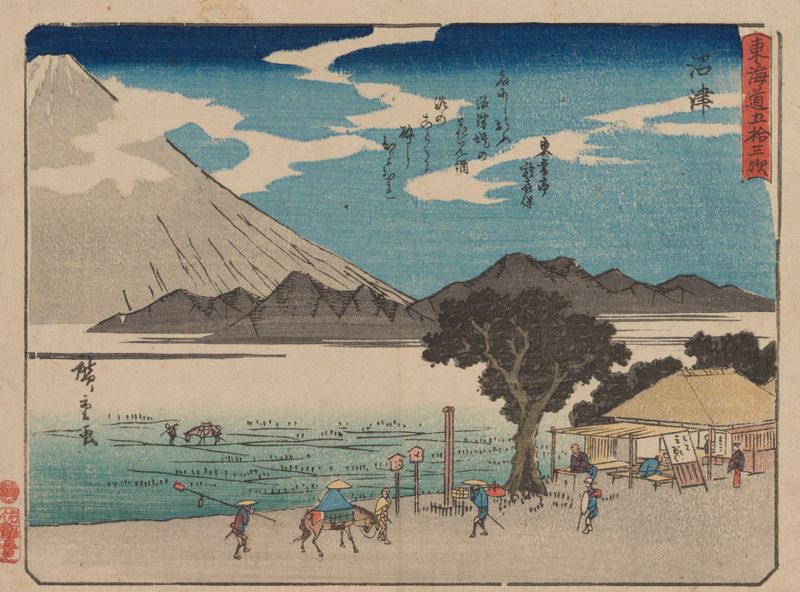
Tokaido gojusantsugi, Pl.13
Utagawa Hiroshige
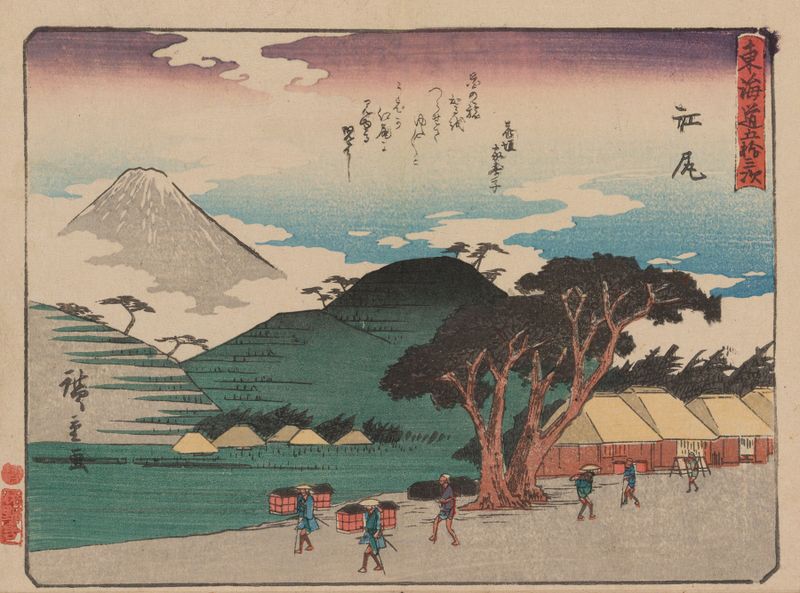
Tokaido gojusantsugi, Pl.19
Utagawa Hiroshige
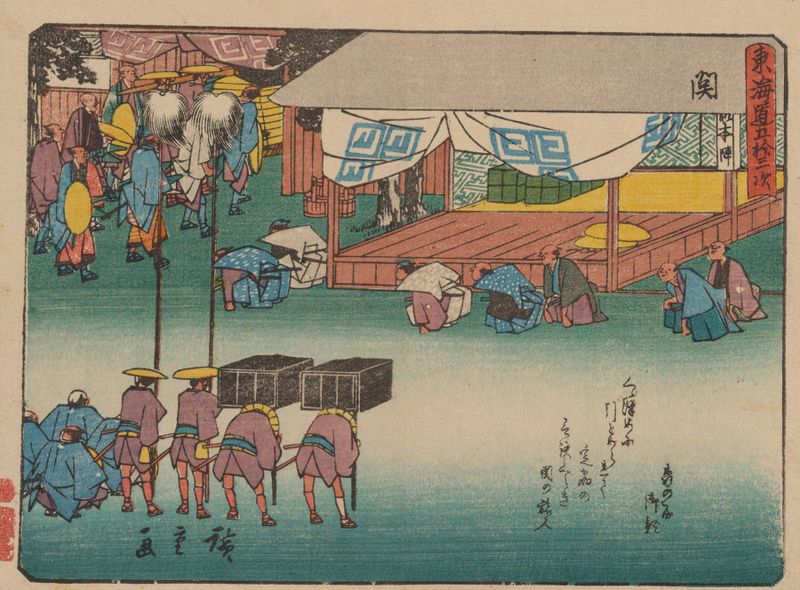
Tokaido gojusantsugi, Pl.48
Utagawa Hiroshige
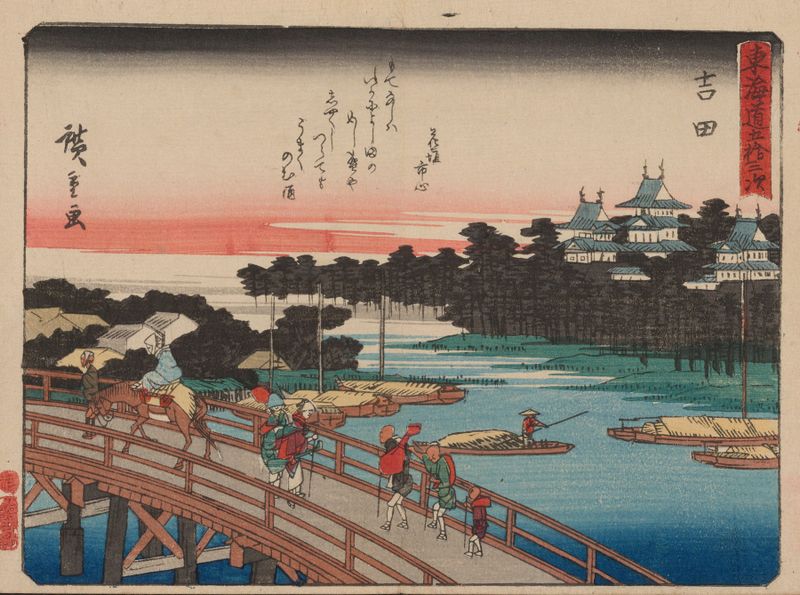
Tokaido gojusantsugi, Pl.35
Utagawa Hiroshige
Tokaido gojusantsugi, Pl.49
Utagawa Hiroshige





