
Tragenna Wood — History & Facts
In moments of quiet reflection, it holds the weight of memory, beckoning us to delve deeper into our past. Focus on the gentle interplay of greens and browns that create a lush, enveloping forest. Look closely at the brushstrokes; each one tells a story of movement, as if the trees themselves whisper secrets to the wind. Notice how light filters through the foliage, casting soft, dappled shadows on the forest floor, inviting the viewer to step into this serene sanctuary. As you immerse yourself in the painting, consider the contrasts it presents: the vibrant life of the trees against the stillness of the ground below.
There’s a palpable tension between the wildness of nature and the stillness of the moment, evoking a sense of nostalgia for what once was. Each stroke is a reminder of lost time, a gentle nudge that prompts us to recall our own forgotten paths and memories hidden in the underbrush. MacLaughlan created this artwork during a time when the Impressionist movement was gaining momentum, emphasizing a focus on nature and light. Although the exact date of Tragenna Wood is uncertain, it reflects his dedication to capturing the essence of the British landscape.
During this period, he strived to convey not just the aesthetics but also the profound emotional connections that nature inspires.
More Artworks by Donald Shaw MacLaughlan
Browse all →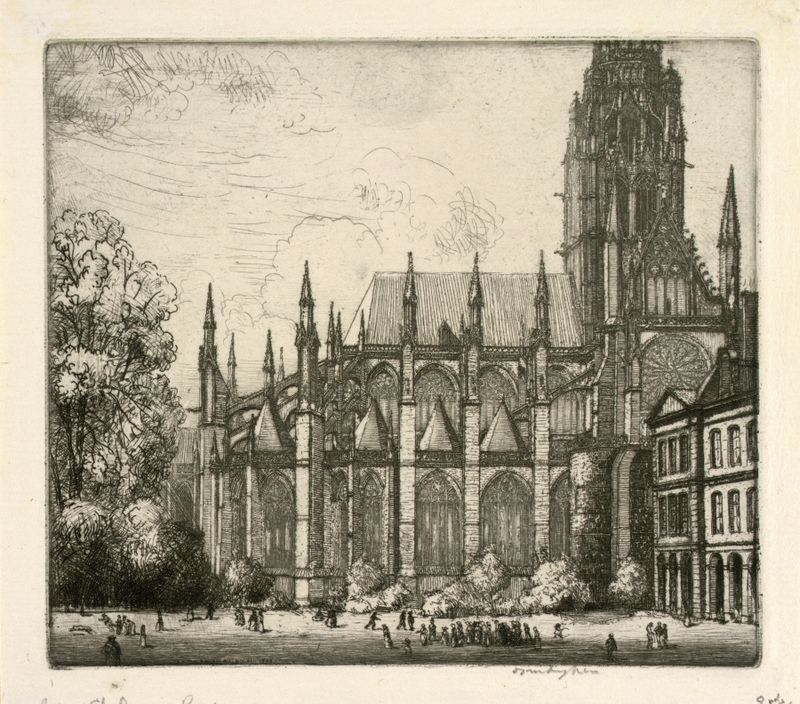
Saint-Ouen, Rouen
Donald Shaw MacLaughlan

Ruelle des Pigeons, Rouen
Donald Shaw MacLaughlan
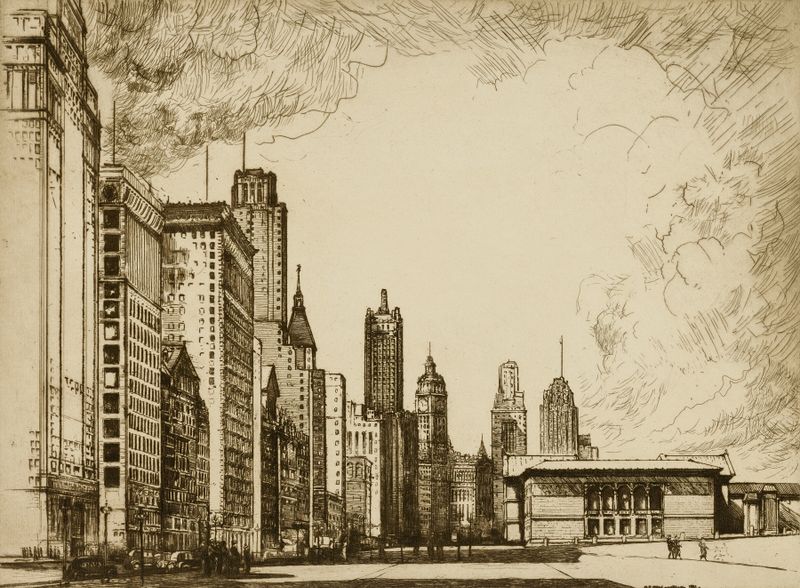
Chicago, Michigan Avenue no. 2
Donald Shaw MacLaughlan
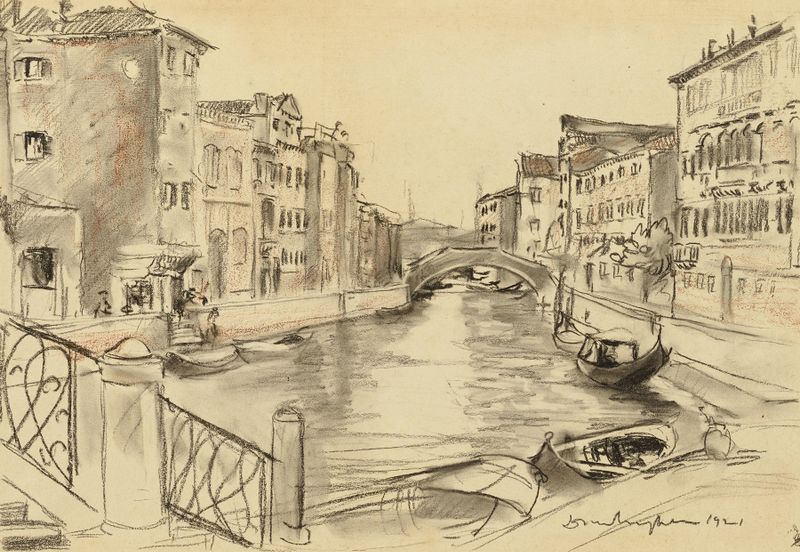
A Canal at Venice
Donald Shaw MacLaughlan
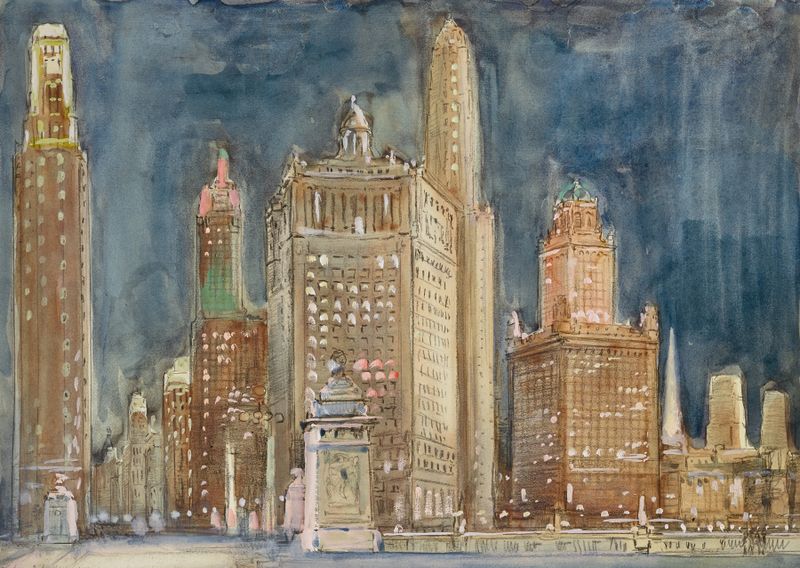
Chicago, London Guaranty Building
Donald Shaw MacLaughlan
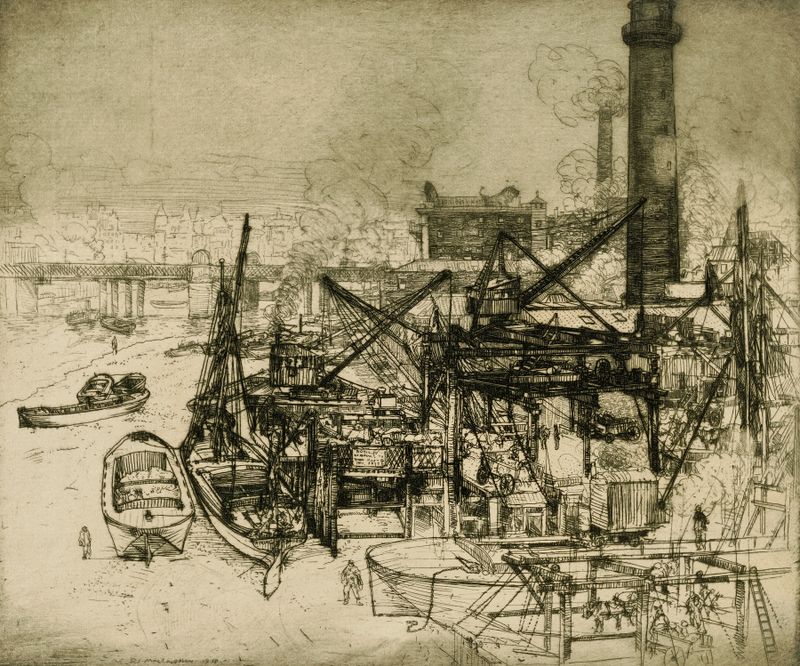
Chimneys and Cranes on the Thames
Donald Shaw MacLaughlan

London on the Thames
Donald Shaw MacLaughlan
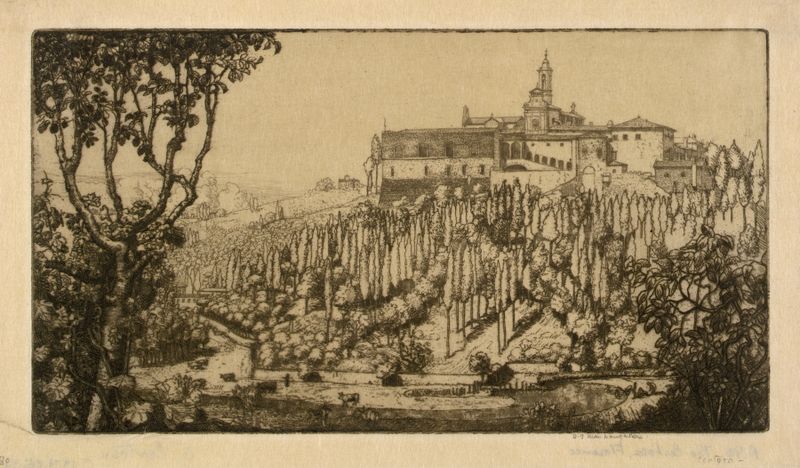
The Certosa, Florence
Donald Shaw MacLaughlan
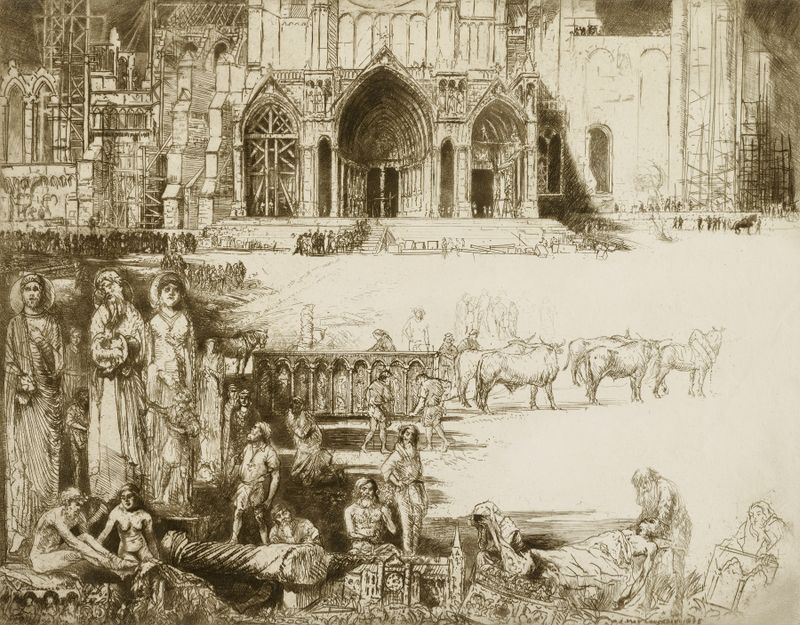
The Builders of Chartres Cathedral
Donald Shaw MacLaughlan

The Canal Life, Venice
Donald Shaw MacLaughlan





