Traineau dans un paysage enneigé — History & Facts
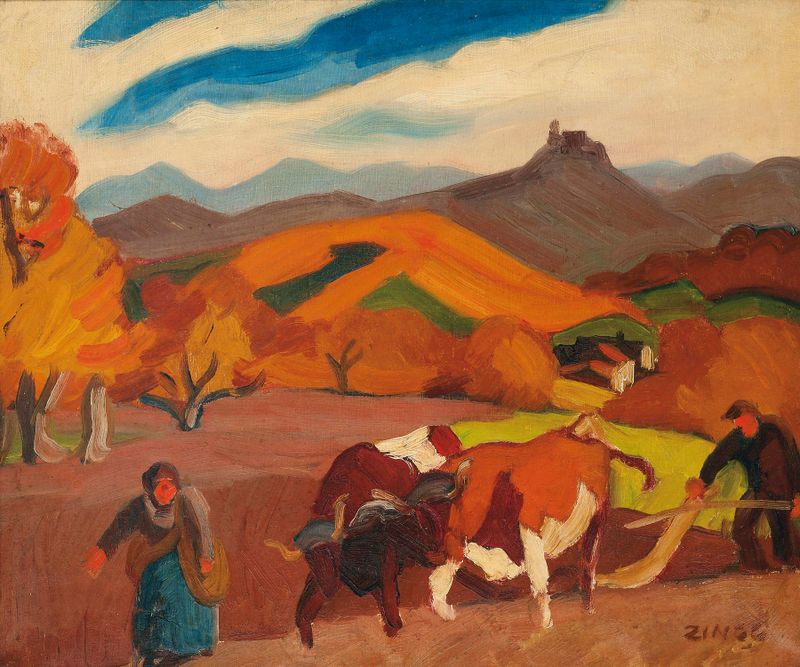
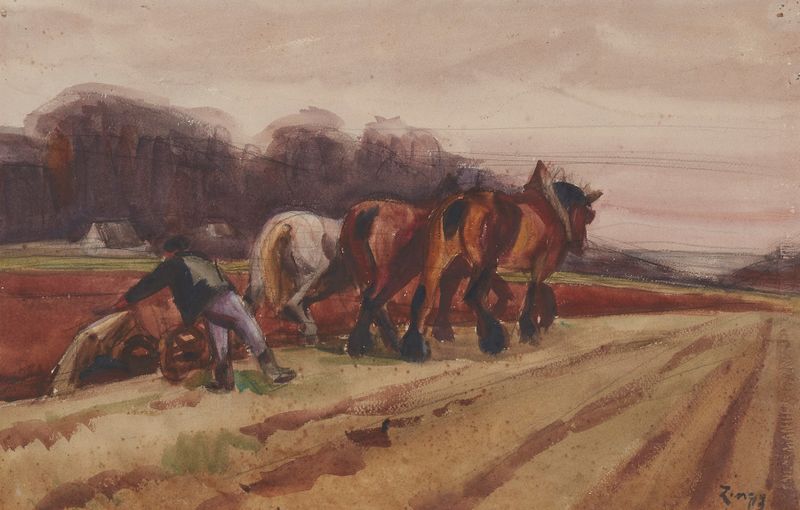
This sentiment resonates powerfully, echoing through the frozen expanse of a winter landscape, where each stroke of brush captures the fleeting essence of melancholy. Focus on the gentle curve of the snow-covered hills, their soft contours inviting you deeper into a world blanketed in silence. Look closely at the delicate interplay of light and shadow; the muted sunlight casts a serene glow across the pristine white, creating pockets of warmth in an otherwise cold tableau. The solitary sleigh, drawn by a lone horse, is nestled within the landscape, a poignant reminder of isolation against the vastness of nature. As you explore, consider the contrast between the vibrant warmth of the sleigh's colors and the chilly blue tones of the surrounding snow.
This juxtaposition invites reflection on solitude—the journey of the figures shrouded in mystery, seemingly adrift in a world that is both beautiful and desolate. The stillness evokes a sense of nostalgia, hinting at stories untold and the emotional weight carried by each traveler. Zingg painted this work during a time when the Impressionist movement was evolving, around the early 20th century, likely influenced by the shifting perspectives of landscape and personal emotion. His experiences in Europe, paired with the growing fascination for capturing fleeting moments in time, shaped his portrayal of these serene yet evocative winter scenes, bridging the gap between nature and human introspection.