
Traubengehänge — History & Facts
In Traubengehänge, Ferdinand Georg Waldmüller presents a vibrant still life featuring a cluster of grapes. The painting is rich in color, with deep greens and purples dominating the composition. Other fruits are also depicted, adding variety and texture to the scene.
The background is softly blurred, allowing the fruits to stand out prominently. The painting is executed in oil on canvas, a medium that allows for rich color saturation and detailed textures. Waldmüller’s technique showcases his skill in capturing the natural sheen of the grapes and the subtle variations in color. The composition is carefully arranged, emphasizing the beauty of the fruits.
Viewers can appreciate the realism in the depiction of each fruit's surface. Ferdinand Georg Waldmüller was a prominent figure in the Austrian art scene during the 19th century, known for his realistic style. Traubengehänge is an excellent example of his still life work, reflecting his interest in capturing everyday objects with precision. Interestingly, Waldmüller often painted in natural light, which influenced the way he portrayed colors and shadows.
This painting exemplifies his dedication to realism and detail.
More Artworks by Ferdinand Georg Waldmüller

Die Rettenbachwildnis bei Ischl
Ferdinand Georg Waldmüller
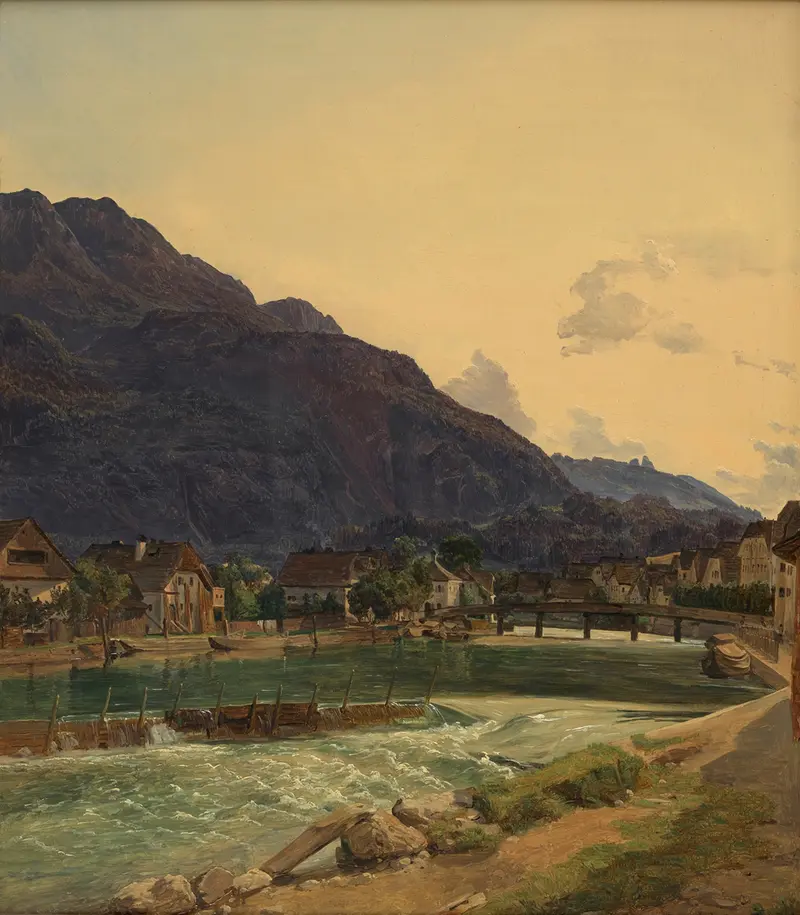
Die Traun bei Ischl
Ferdinand Georg Waldmüller
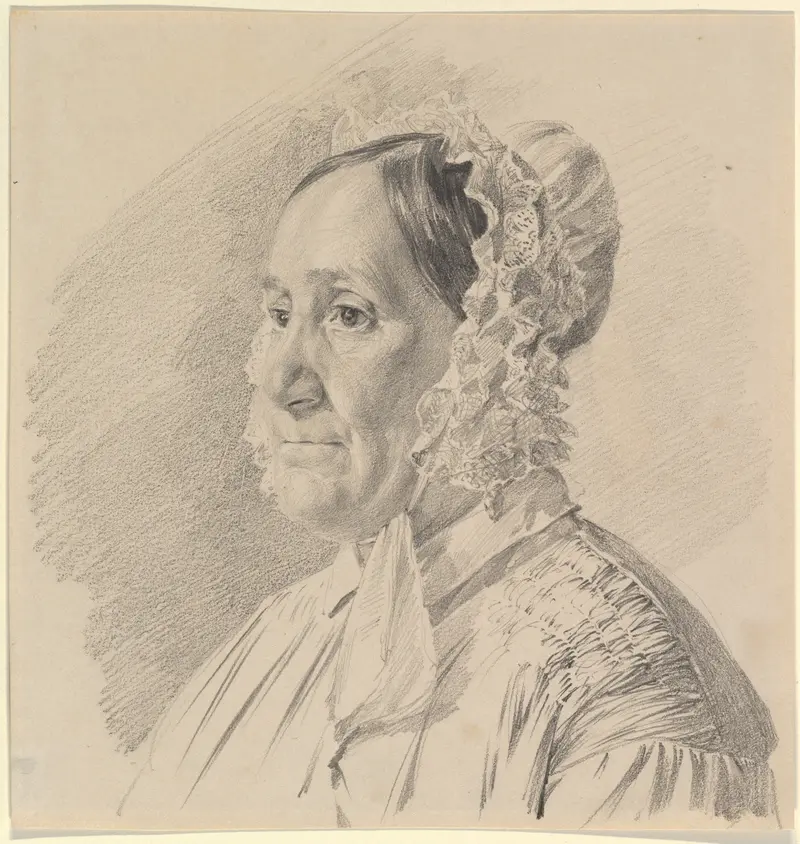
Portrait of a Woman in a Lace Bonnet, in three-quarter profile to the left
Ferdinand Georg Waldmüller
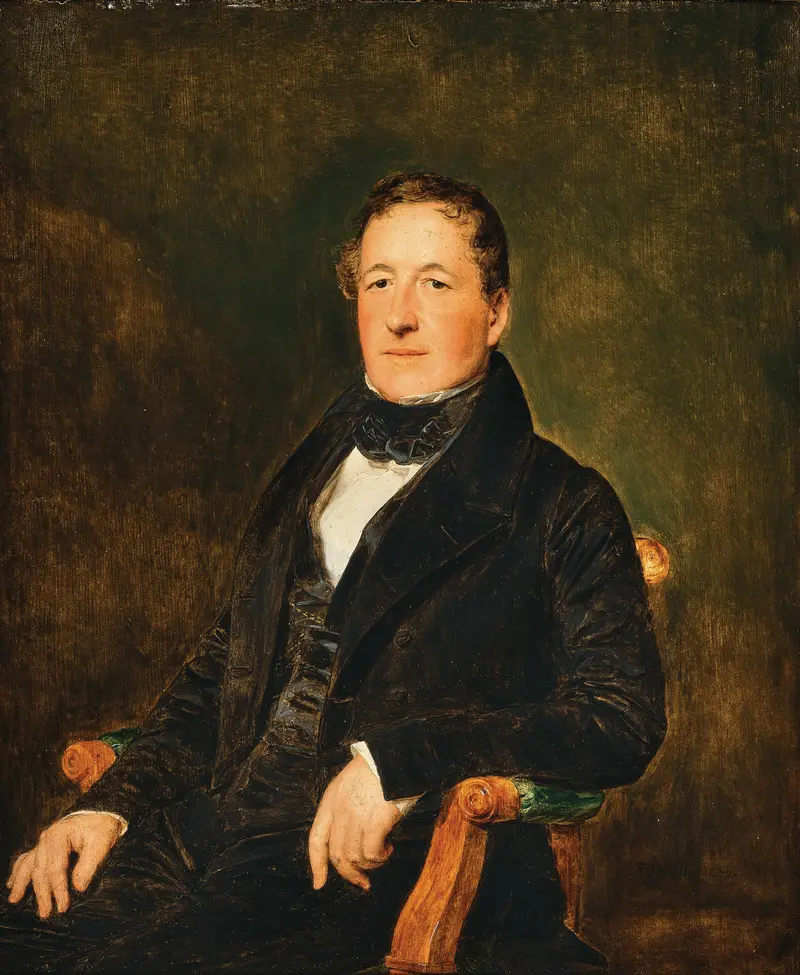
Portrait of Friedrich Eltz (1782–1855)
Ferdinand Georg Waldmüller

Porträt Josef von Stadler
Ferdinand Georg Waldmüller
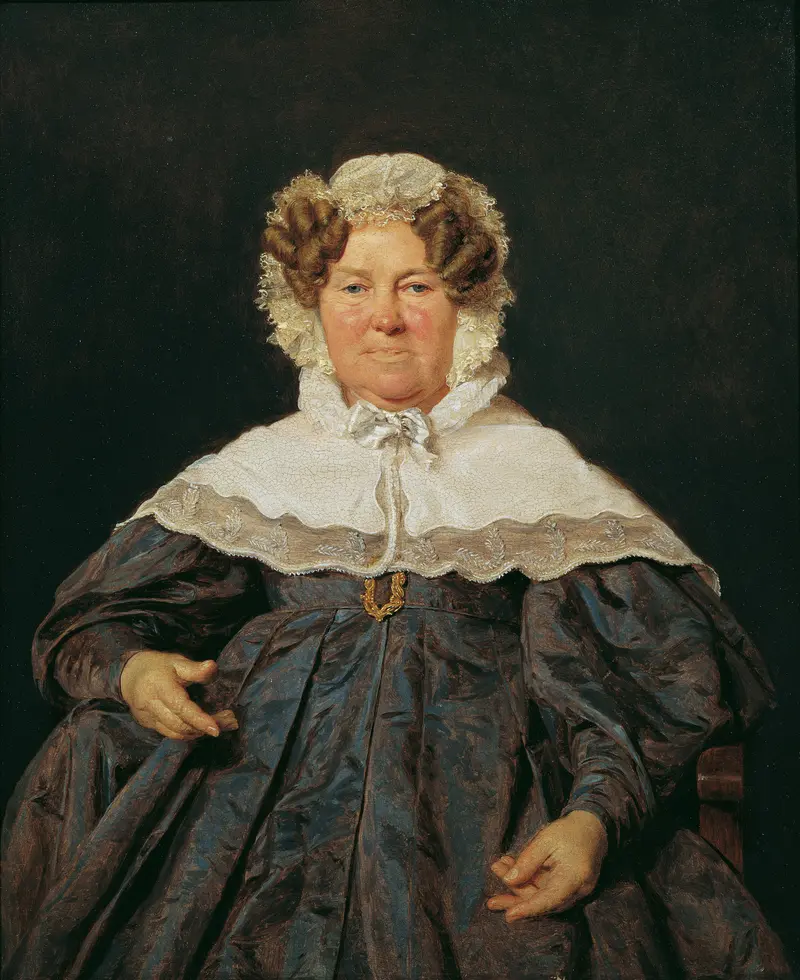
Josephine Schaumburg, geb. Stahel
Ferdinand Georg Waldmüller

Kaiser Ferdinand I. von Österreich
Ferdinand Georg Waldmüller
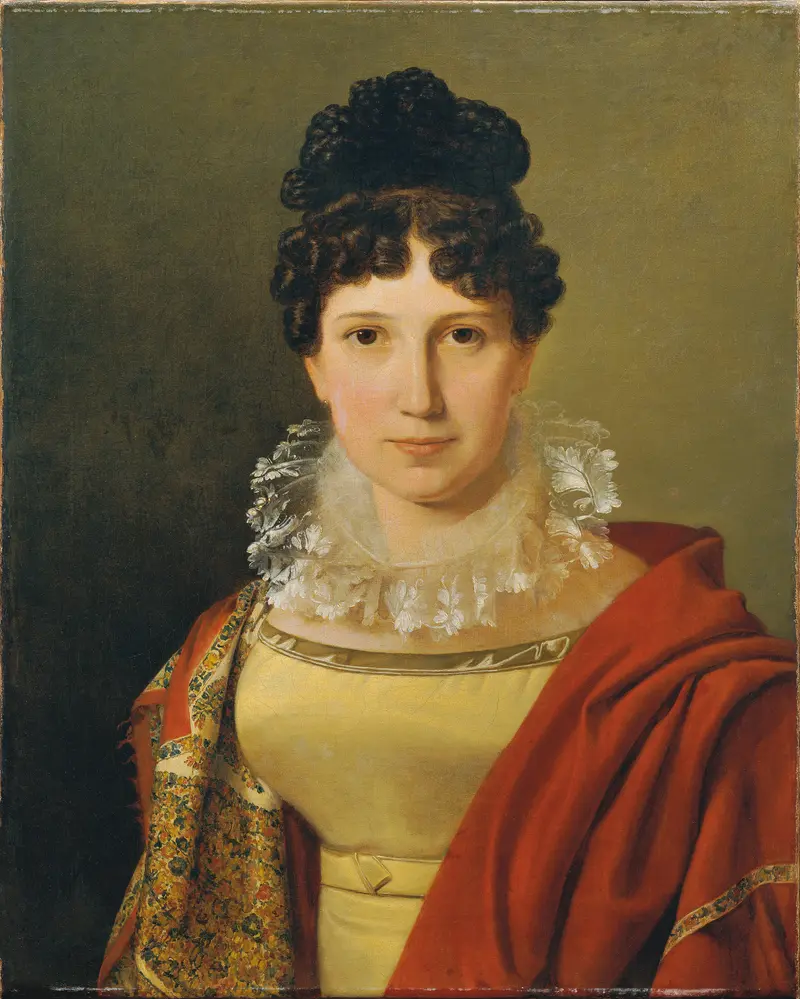
Catharina Freifrau von Koudelka
Ferdinand Georg Waldmüller
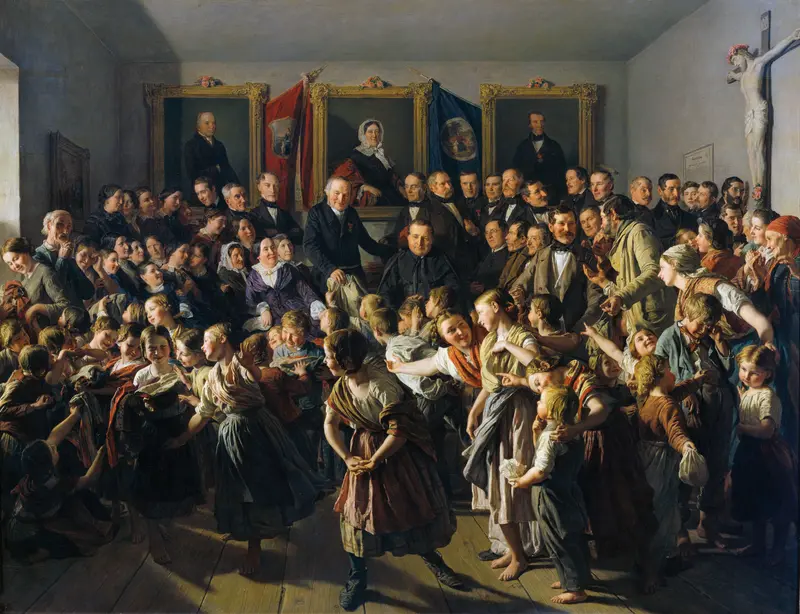
Kinder armer Eltern werden von der Gemeinde Spittelberg am Michaelitage mit Winterkleidern beteilt
Ferdinand Georg Waldmüller
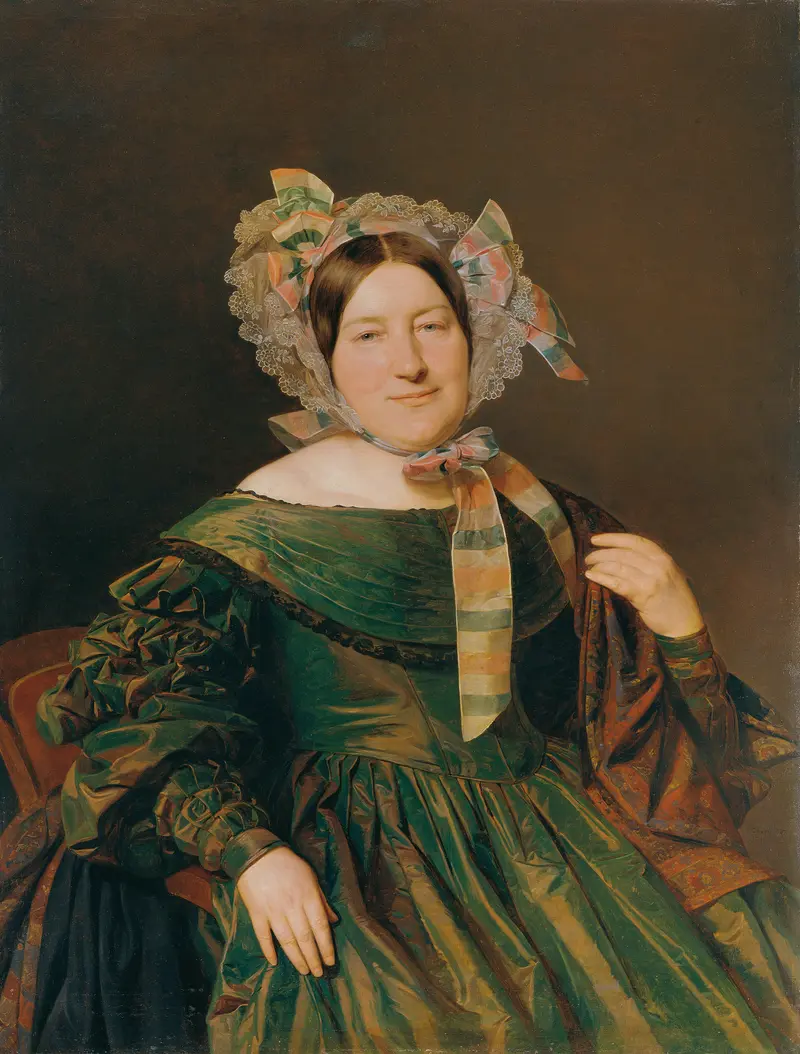
Frau in grünem, lachsrot changierendem Kleid
Ferdinand Georg Waldmüller





