
Étretat — History & Facts
Could beauty survive in a century of chaos? Maurice Denis's Étretat poses this question with a vivid serenity, inviting the viewer into a world where nature remains untouched by the tumult of human existence. Look to the left at the sweeping cliffs, their gentle curves echoing the soft rhythm of the sea below. The play of light on the water glistens like scattered jewels, while the muted colors—pastel blues and warm ochres—harmonize in a delicate balance. Your gaze is drawn to the interplay between the foreground and background, where the bold strokes of the foreground trees contrast with the more ethereal rendering of the distant sky, creating depth and inviting a contemplative exploration of space. In this painting, the strong verticals of the cliffs stand resolutely against the horizon, symbolizing stability amid changing tides.
The interplay of light and shadow reveals the passage of time, reminding us of fleeting moments within the grand tapestry of existence. Each brushstroke carries the weight of tranquility juxtaposed with the inevitable change that the modern world brings, encapsulating a longing for permanence in a landscape constantly reshaped. Created in 1904, Denis painted Étretat during a period when he was deeply engaged with the Symbolist movement, seeking to harmonize emotion and representation. Living in Paris, he was influenced by the burgeoning modernist trends that surrounded him, yet he chose to embrace a traditional approach that celebrated the beauty of nature.
This artwork reflects both the artist’s personal meditations on time and the broader cultural shifts unfolding in Europe at the turn of the century.
More Artworks by Maurice Denis
Browse all →
La plage rouge
Maurice Denis
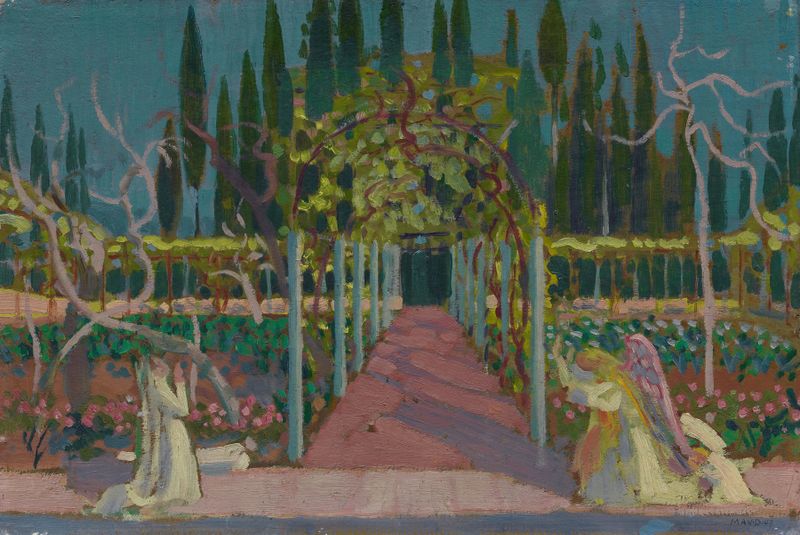
Annunciation
Maurice Denis
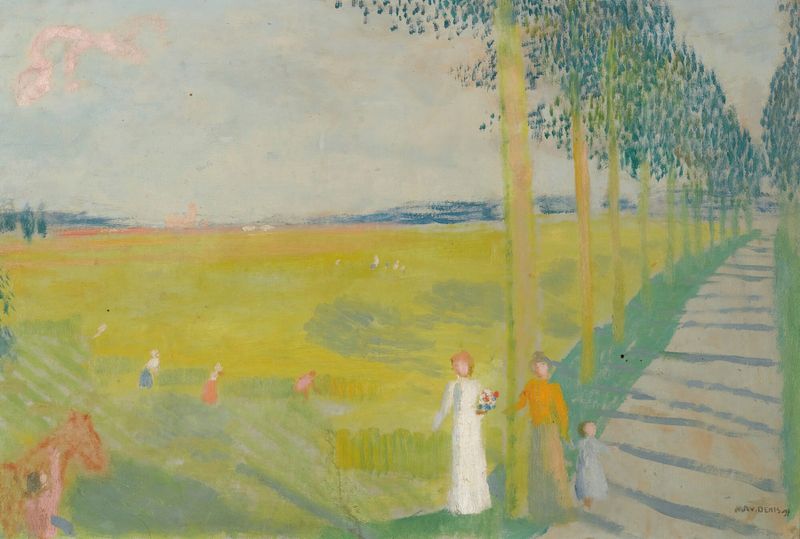
Paysage De Campagne
Maurice Denis
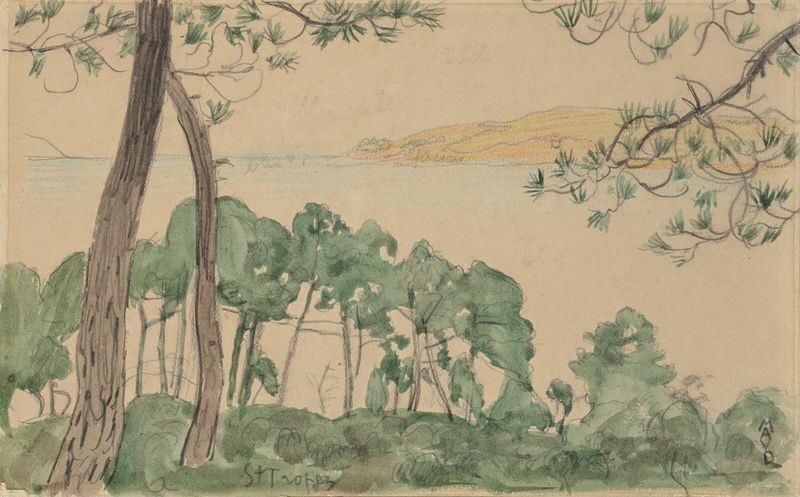
Saint-Tropez
Maurice Denis
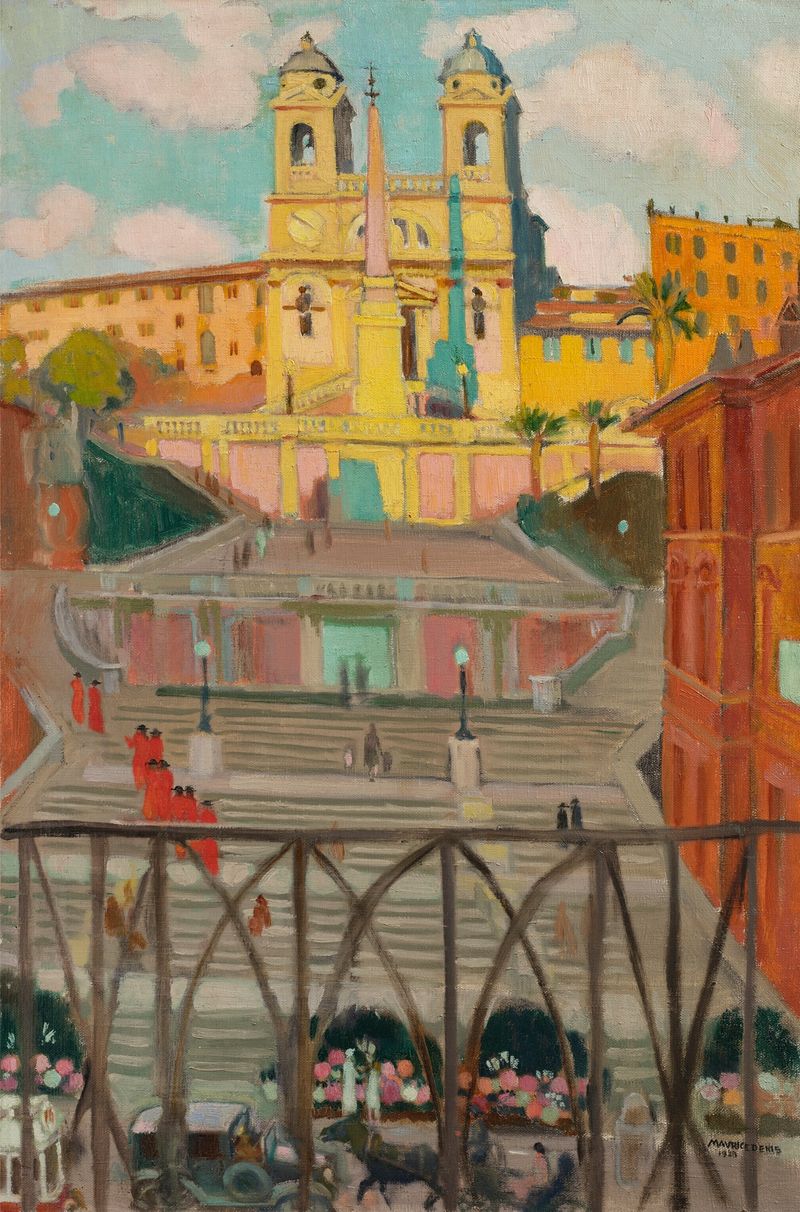
L’Escalier d’Espagne et la Trinité-des-Monts, le soir
Maurice Denis

Blessing of a Yacht on the Belon River
Maurice Denis

Vue du Colisée
Maurice Denis

Forum, l’Arc de Constantin
Maurice Denis

La Piazzetta, Venise
Maurice Denis

Jardin sous la neige
Maurice Denis





