
Triest Ferdinandeum — History & Facts
In a world cluttered with the noise of existence, the true challenge lies in capturing the essence of emptiness. What can emerge from silence, and how might we witness the quiet spaces that linger just beyond the edges of our perception? Look to the center to find a stark, expansive landscape, where colors merge softly into one another. The muted earth tones contrast with wisps of pale sky, drawing the eye into a horizon that feels both near and impossibly far.
Notice the delicate brushwork that creates a sense of depth; the textures evoke a tangible stillness, inviting reflection and introspection. The overall composition is devoid of figures, amplifying the sense of solitude and isolation that infuses every inch of the canvas. Beneath the surface, the painting invites viewers to confront the notion of absence. The absence of life becomes a powerful presence, a haunting reminder of what once was or what could be.
Emptiness here transforms into a metaphorical canvas, where the viewer's emotions and experiences can intertwine with the visual narrative. The serene yet unsettling balance between light and shadow emphasizes contrasts of hope and despair, suggesting that in emptiness, there is space for profound understanding. In 1868, Triest Ferdinandeum emerged from Albert Rieger’s brush during a time of personal reflection. Living in a period marked by the shifting tides of artistic movements, he focused on capturing the essence of landscapes in a style which echoed both Romanticism and early Impressionism.
This work reflects the artist’s exploration of identity and memory within the broader context of a rapidly changing world, embodying a pivotal moment of introspection amidst the noise of modernity.
More Artworks by Albert Rieger
Browse all →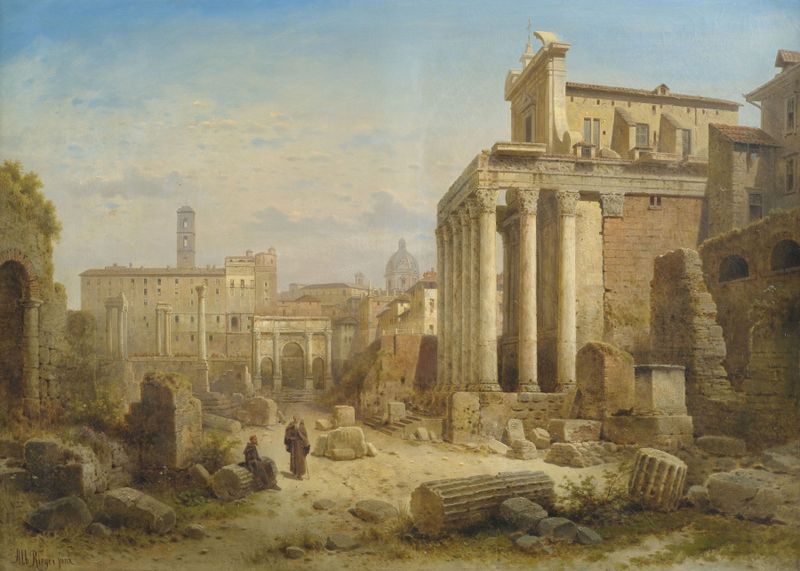
Blick auf das Forum Romanum mit dem Septimius-Severus-Bogen und dem Tempel der Faustina und des Antonius Pius
Albert Rieger

Segelschiffe Vor Venedig
Albert Rieger

The Naval Battle of Lissa
Albert Rieger

The Orient In The Evening Light
Albert Rieger
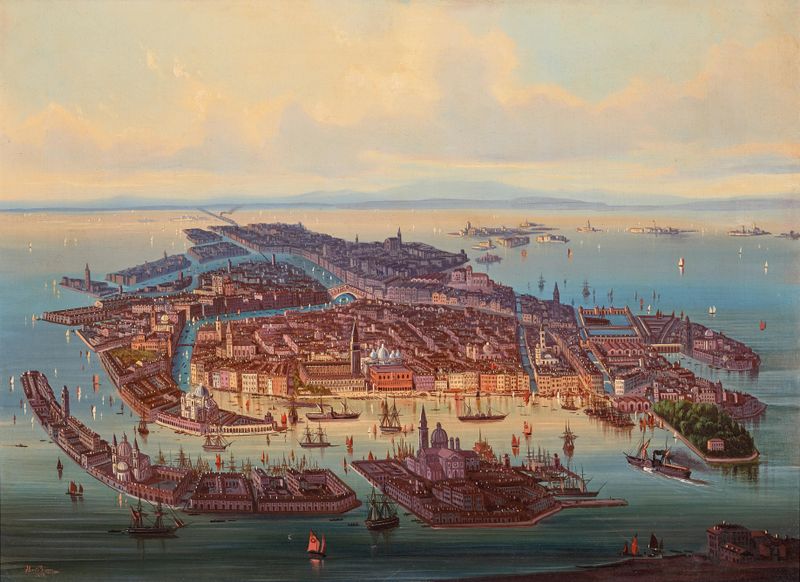
A Panoramic View Of Venice
Albert Rieger
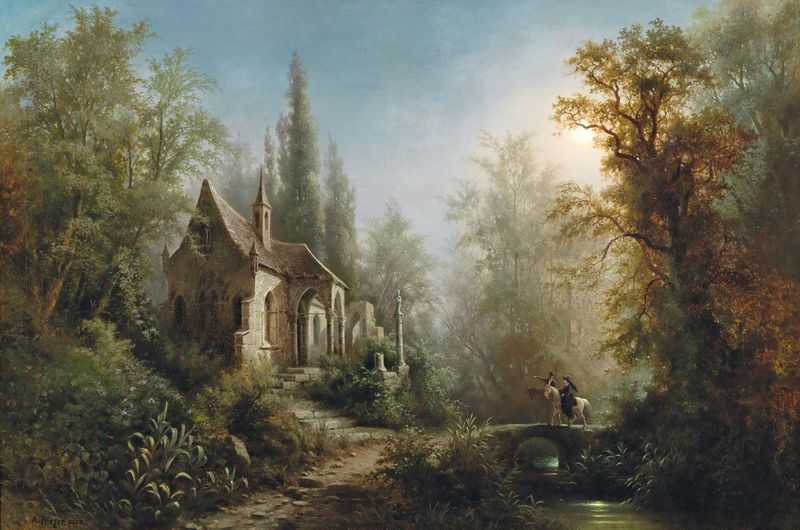
A Moonlit Night Over A Chapel And Riders
Albert Rieger
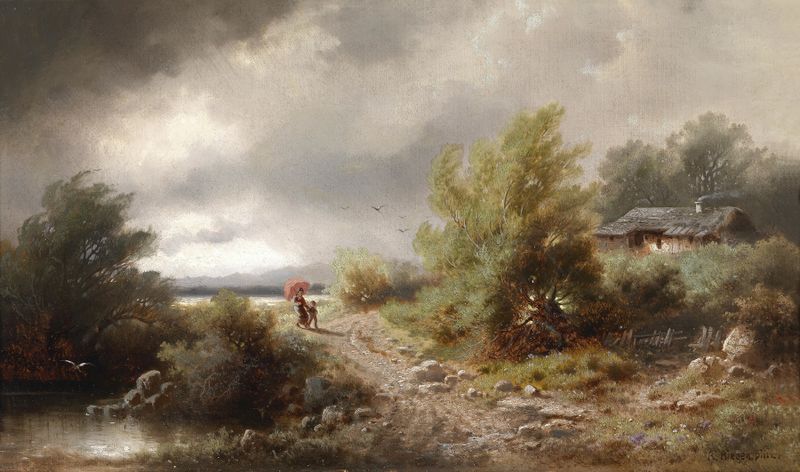
Aufziehendes Gewitter
Albert Rieger

Mountain stream
Albert Rieger
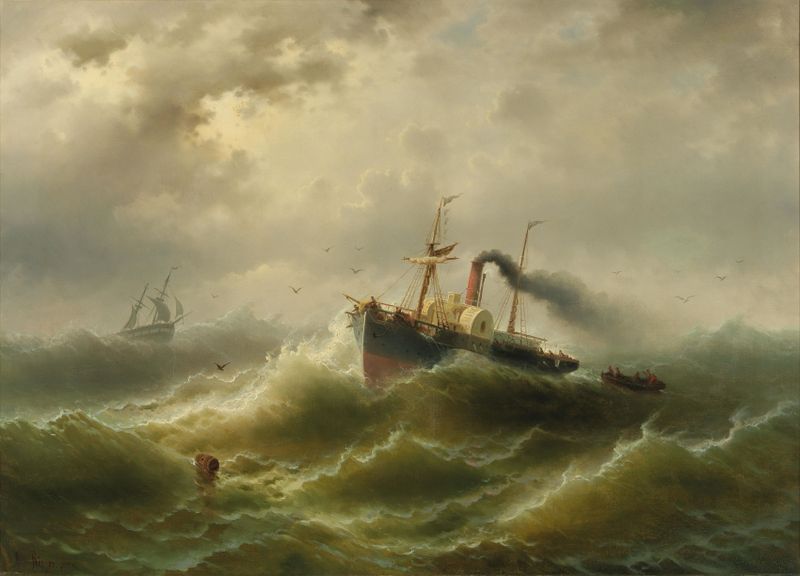
Steamboat In A Storm On The North Sea
Albert Rieger
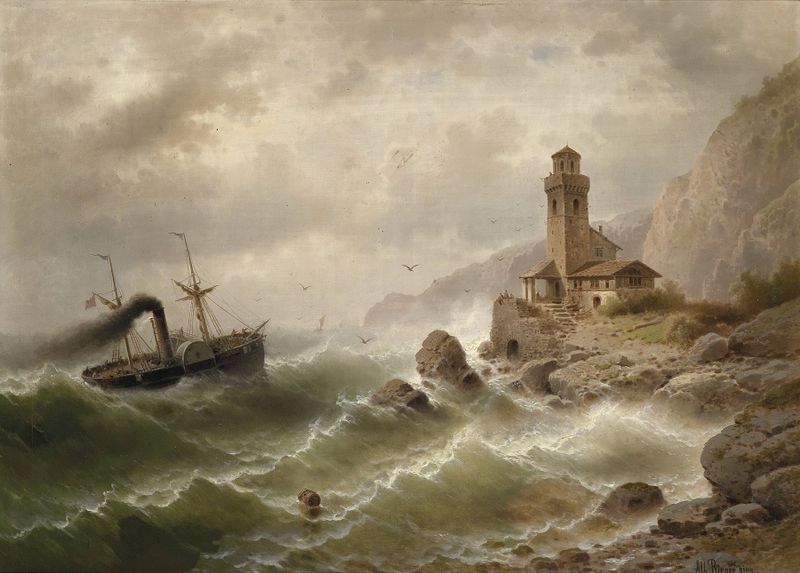
Dampfschiff vor der Küste
Albert Rieger





