
The Naval Battle of Lissa — History & Facts
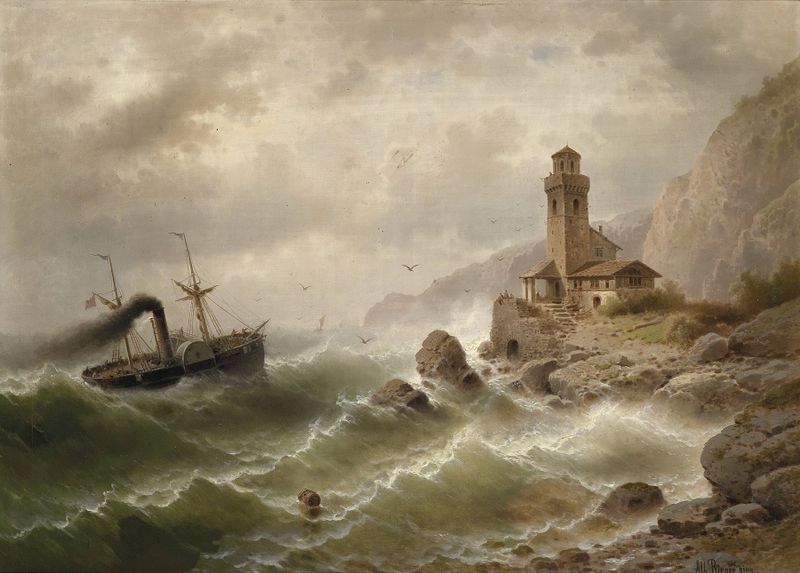
The roar of cannons breaks the tense silence of the sea as ships clash in a furious ballet of smoke and splintering wood. Crew members, faces taut with determination and fear, scramble across the decks amid chaotic flashes of fire. A storm brews overhead, dark clouds swirling ominously, casting a foreboding shadow on the tumultuous waters where victory and defeat hang by a thread. Look to the left at the rugged lines of a battered ship, its sails whipping violently in the wind.
The artist employs a palette of deep grays and muted blues, allowing the light to dance dramatically across the waves, highlighting the chaos of the battle. Notice how the splashes of crimson from the explosions contrast starkly against the somber backdrop, drawing the eye toward the heart of conflict and underscoring the horrors of war. Amidst the chaos, small details reveal layers of meaning: the faces of the sailors, each etched with stories of bravery and despair, reflect a collective struggle against fate. The decaying hulls half-submerged in the foamy depths serve as a haunting reminder of past glories, turning the battlefield into a grim graveyard.
In Rieger's portrayal, the decay of these ships symbolizes not just the physical destruction but the inevitable decline of human ambition in the face of nature's wrath. Albert Rieger painted The Naval Battle of Lissa in 1866, during a period of intense naval conflict and modernization in Europe. Living in Germany, Rieger was influenced by both the Romantic movement's dramatic themes and the burgeoning realism of the time, capturing not just a moment of historical significance but a deeper commentary on the transience of power and glory in warfare.
More Artworks by Albert Rieger
Browse all →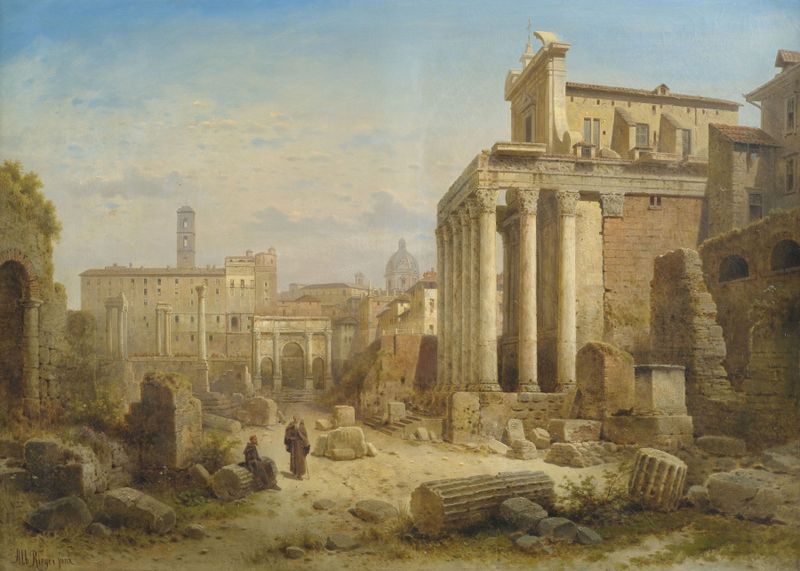
Blick auf das Forum Romanum mit dem Septimius-Severus-Bogen und dem Tempel der Faustina und des Antonius Pius
Albert Rieger

Segelschiffe Vor Venedig
Albert Rieger

The Orient In The Evening Light
Albert Rieger
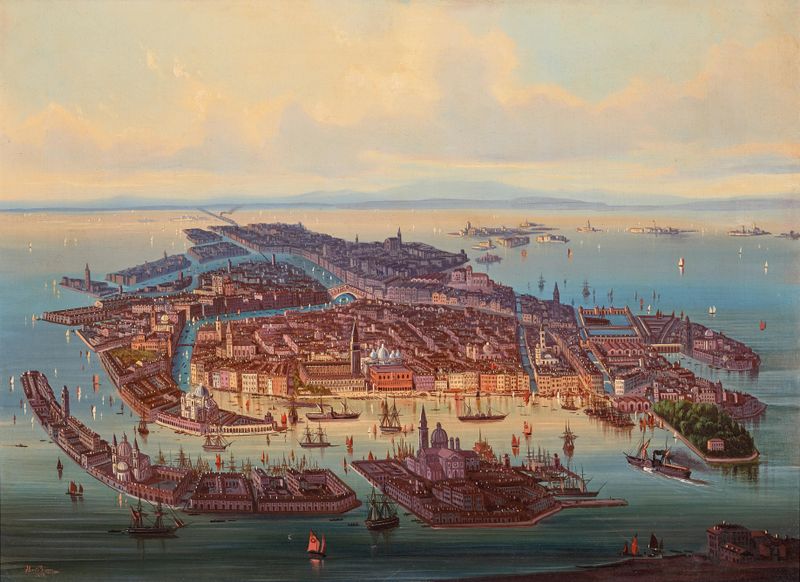
A Panoramic View Of Venice
Albert Rieger

A Moonlit Night Over A Chapel And Riders
Albert Rieger
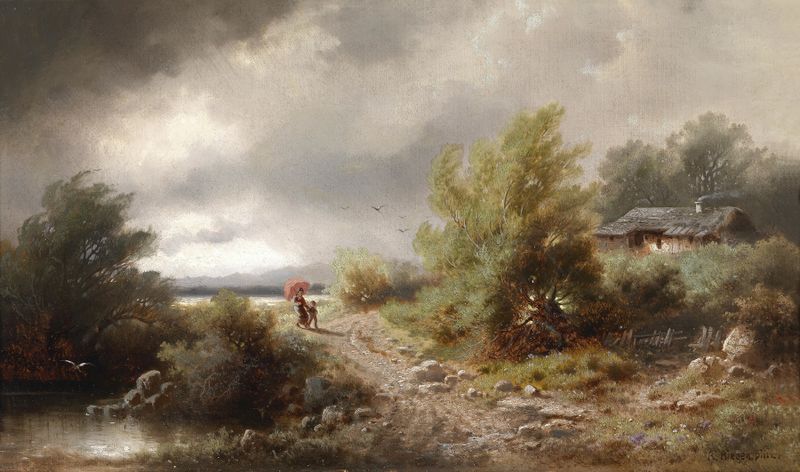
Aufziehendes Gewitter
Albert Rieger

Mountain stream
Albert Rieger
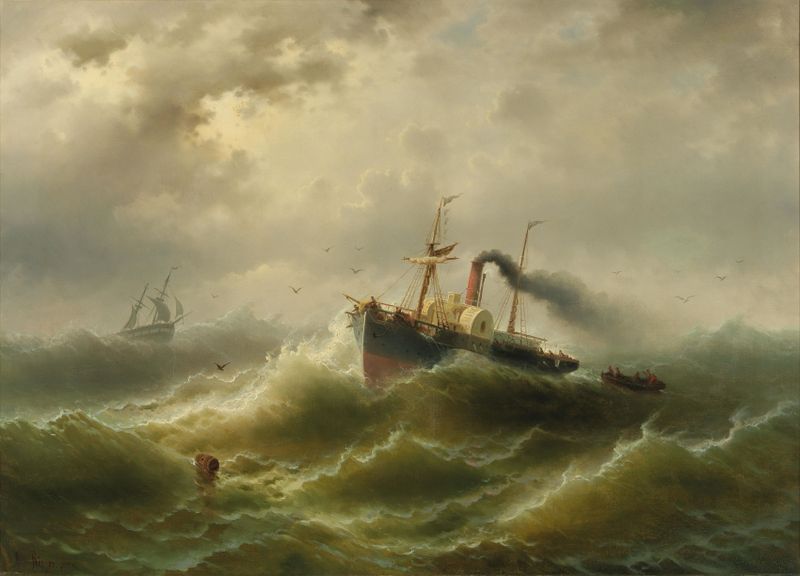
Steamboat In A Storm On The North Sea
Albert Rieger
Dampfschiff vor der Küste
Albert Rieger

Fishing Boats Against A Venetian Silhouette
Albert Rieger
More Historical Art
Browse all →
The Night Watch Militia Company of District II under the Command of Captain Frans Banninck Cocq
Rembrandt van Rijn
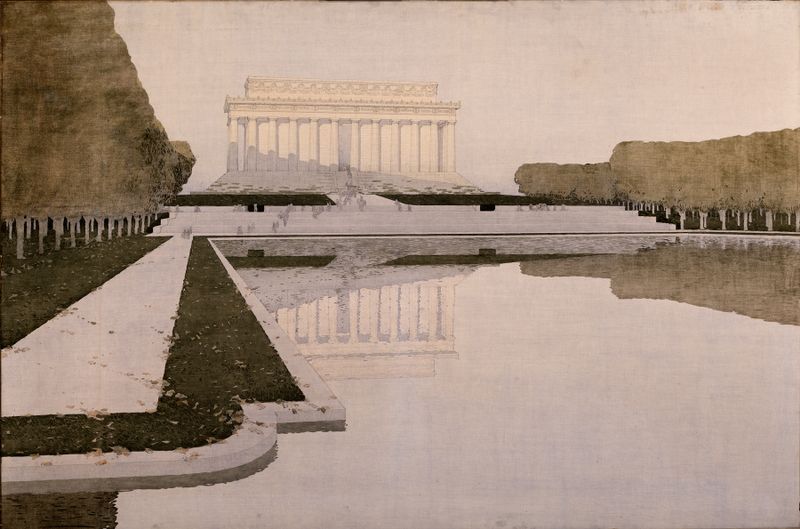
Lincoln Memorial
Henry Bacon
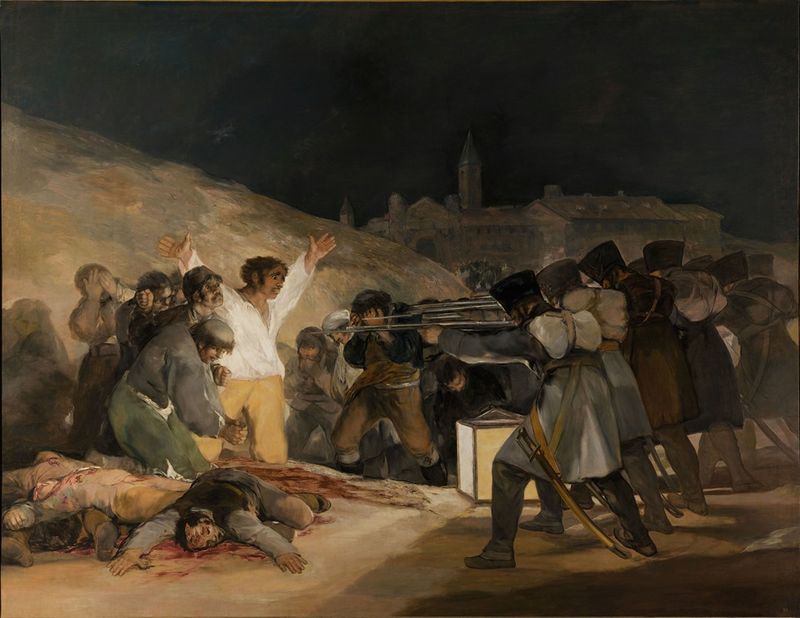
The Third of May 1808
Francisco de Goya

Isaac and Rebecca, Known as ‘The Jewish Bride’
Rembrandt van Rijn
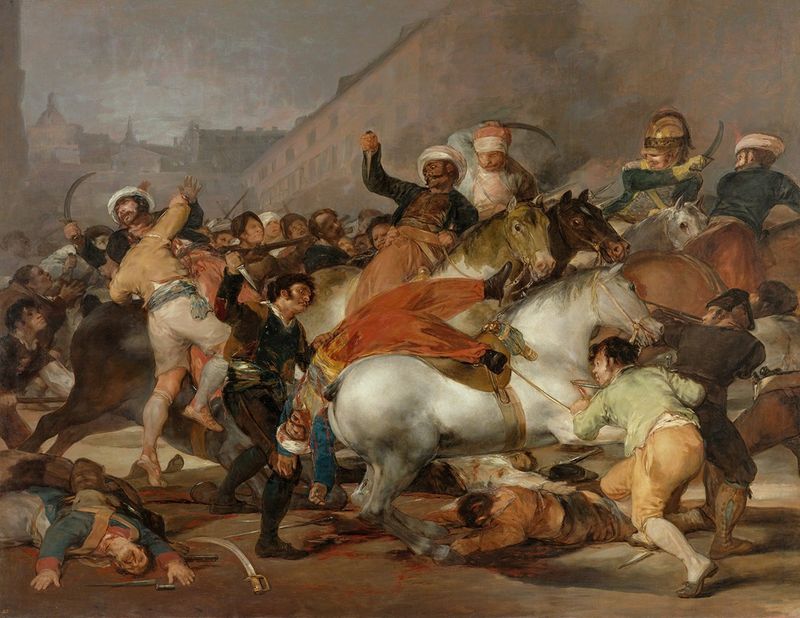
The Charge of the Mamelukes (1814)
Francisco de Goya

De vier ruiters van de apocalyps
Albrecht Dürer