
Triumphzug eines Feldherrn durch den Titusbogen — History & Facts
What if silence could speak through light? In the quiet reverence of history, moments captured in art evoke whispers of nostalgia that resonate through time. Look to the right at the commanding figure of the general, triumphant beneath the grand archway. His armor glimmers under the soft, golden light, which spills delicately across the scene, illuminating the faces of the gathered crowd. Notice how the rich colors—deep reds and royal blues—contrast against the muted earth tones, creating a visual hierarchy that guides the viewer’s gaze.
The meticulous attention to detail in the expressions of the soldiers and citizens captures a blend of pride and reverence, stirring an emotional response that lingers. Yet, beneath the surface of this glorious procession lies a bittersweet tension. The jubilant expressions of the crowd are juxtaposed with the solemnity of the arch itself—a monument of past conquests, now overshadowed by the weight of history. Each figure's gaze, locked in admiration, hints at unspoken sacrifices endured for this moment of glory.
It renders the triumph not merely a celebration but a reminder of the trials that preceded it, imbuing the painting with layers of meaning. Vinzenz Fischer created this work in 1791, during a time when Europe was rife with political turmoil and shifting power dynamics in the wake of the French Revolution. Working in Vienna, he sought to capture the grandeur of military triumph, reflecting a nostalgia for classical heroism amid contemporary chaos. This painting illustrates not only a moment in time but also a longing for stability in a world on the brink of change.
More Artworks by Vinzenz Fischer
Browse all →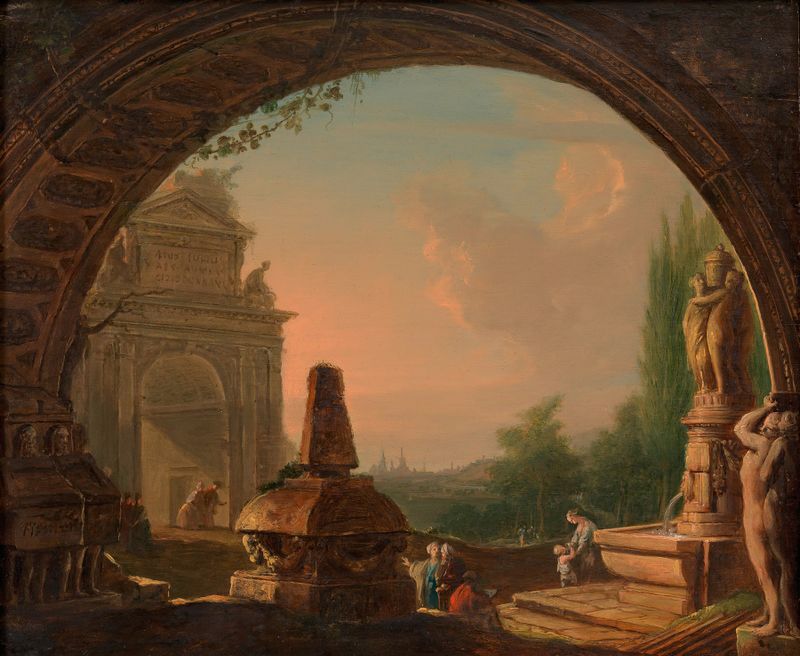
More Historical Art
Browse all →
The Night Watch Militia Company of District II under the Command of Captain Frans Banninck Cocq
Rembrandt van Rijn
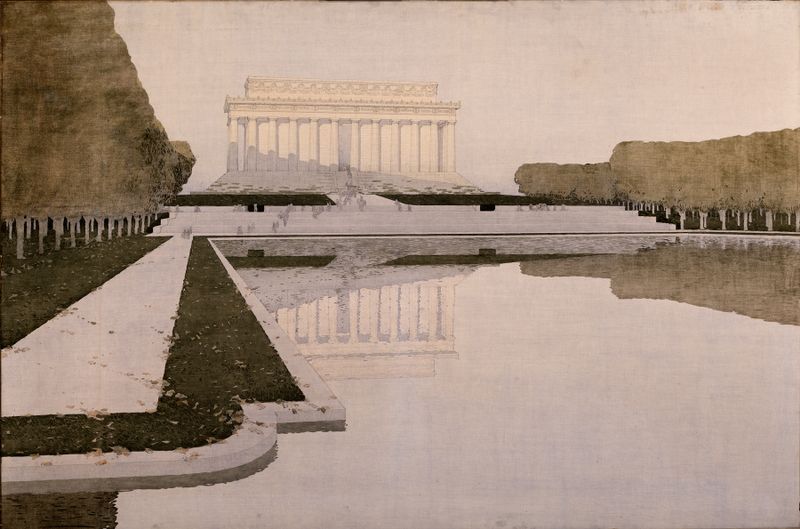
Lincoln Memorial
Henry Bacon
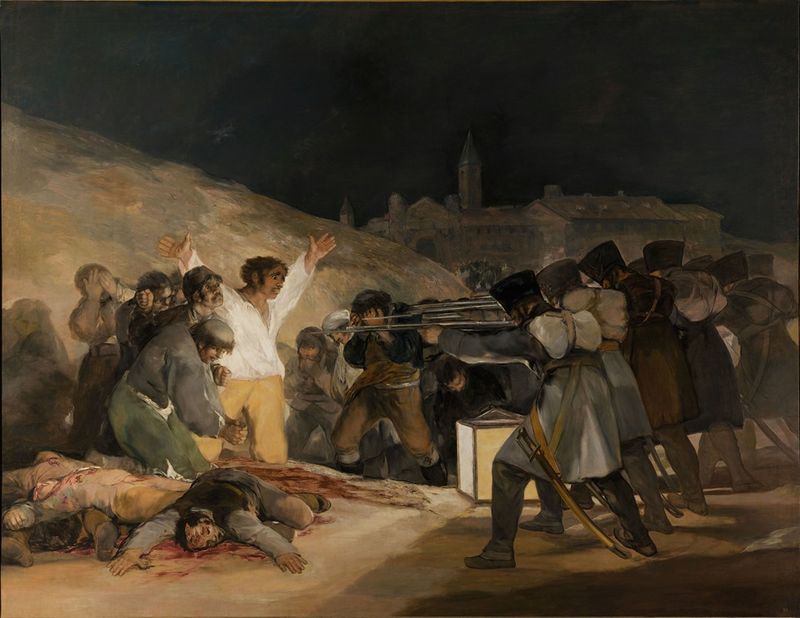
The Third of May 1808
Francisco de Goya

Isaac and Rebecca, Known as ‘The Jewish Bride’
Rembrandt van Rijn
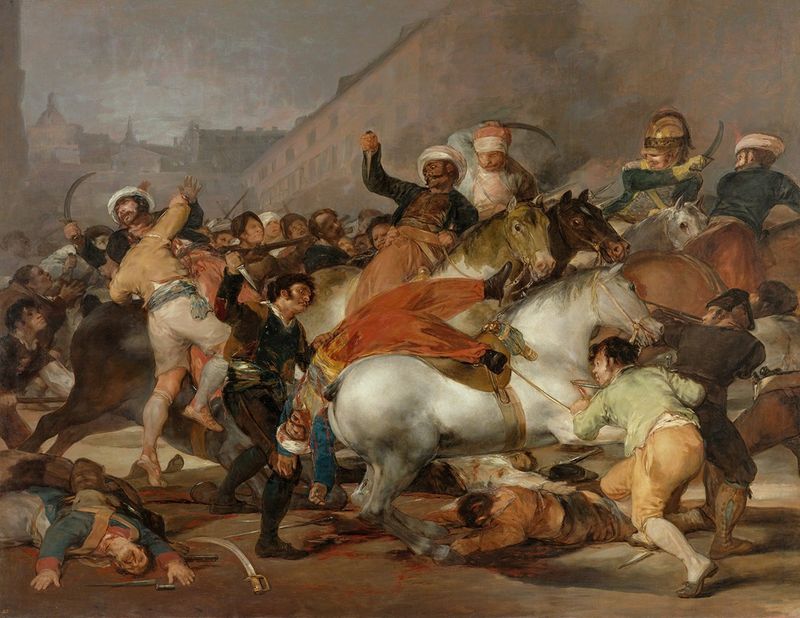
The Charge of the Mamelukes (1814)
Francisco de Goya
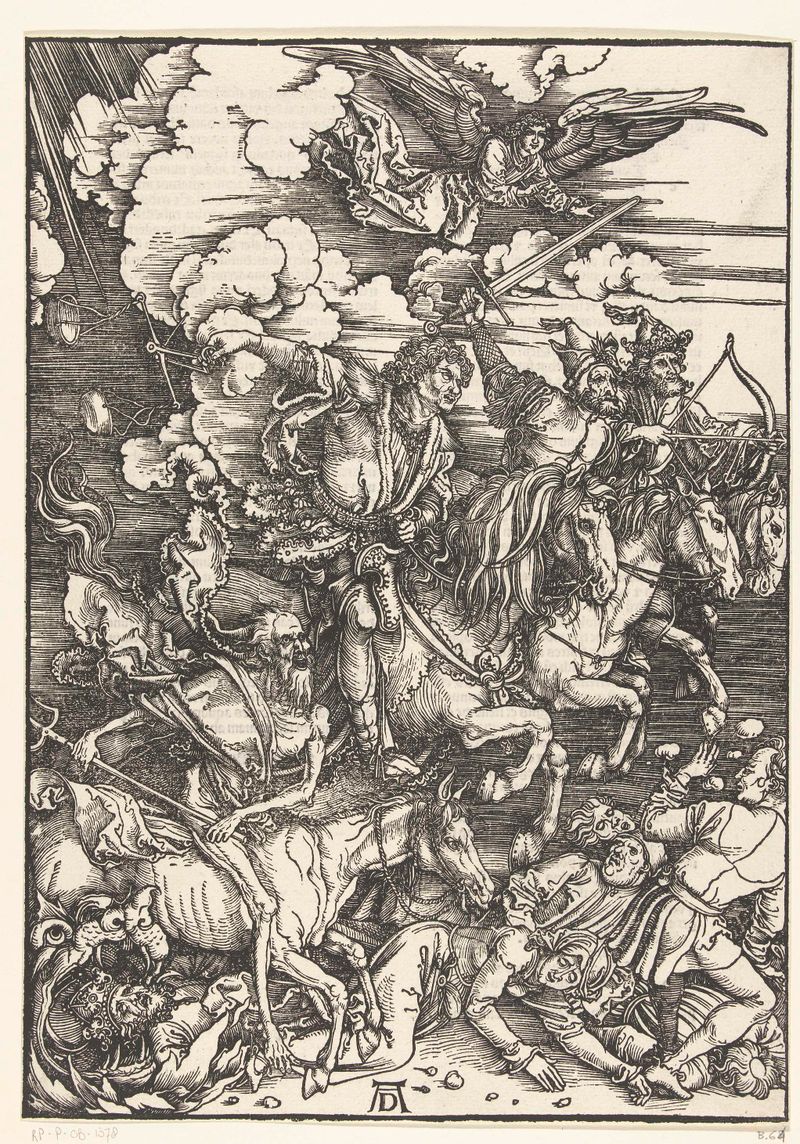
De vier ruiters van de apocalyps
Albrecht Dürer