
Trophées de guerre dans la cour des Invalides, en 1917 — History & Facts
Who listens when art speaks of silence? In the stillness of Trophées de guerre dans la cour des Invalides, en 1917, the echoes of conflict narrate a powerful tale of both triumph and tragedy. The artwork invites us to explore not just what is captured, but also what remains unsaid, hinting at the weight of memories enshrined in its image. Focus on the left side of the composition, where the stark outlines of war trophies loom against a muted background, their metallic surfaces glistening faintly in the light. Notice how the careful placement of these objects—helmets and weapons—aligns them like sentinels, their grandeur juxtaposed with the somber colors of muted earth tones.
This striking contrast emphasizes the gravity of their significance, drawing the eye towards the stark reality of war that lies beneath their valorous veneer. Delve deeper into the interplay of light and shadow, which reveals emotional tension lurking in every corner. The subdued hues not only underscore the somber nature of the scene but also evoke a sense of mourning for lives lost. The meticulous detailing of the courtyard’s stone surfaces, worn yet resilient, reflects a society grappling with the aftermath of conflict, while the stillness of the environment speaks to a collective yearning for peace amidst the chaotic backdrop of war. Created during a tumultuous period in history, this piece emerged from Chaperon’s studio in France in 1917, a time when the Great War had profoundly altered the landscape of art and society.
The artist was deeply influenced by the experiences and traumas of his contemporaries, capturing the haunting memories in a poignant reflection of a nation’s struggle.
More Historical Art
Browse all →
The Night Watch Militia Company of District II under the Command of Captain Frans Banninck Cocq
Rembrandt van Rijn
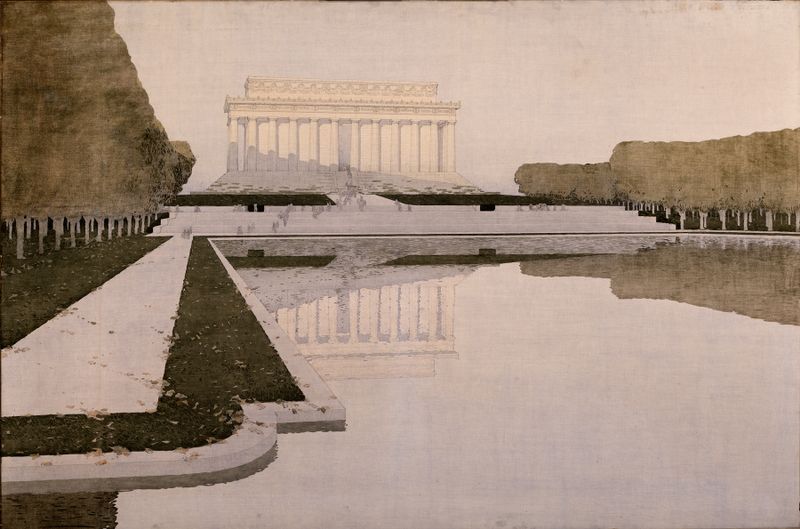
Lincoln Memorial
Henry Bacon
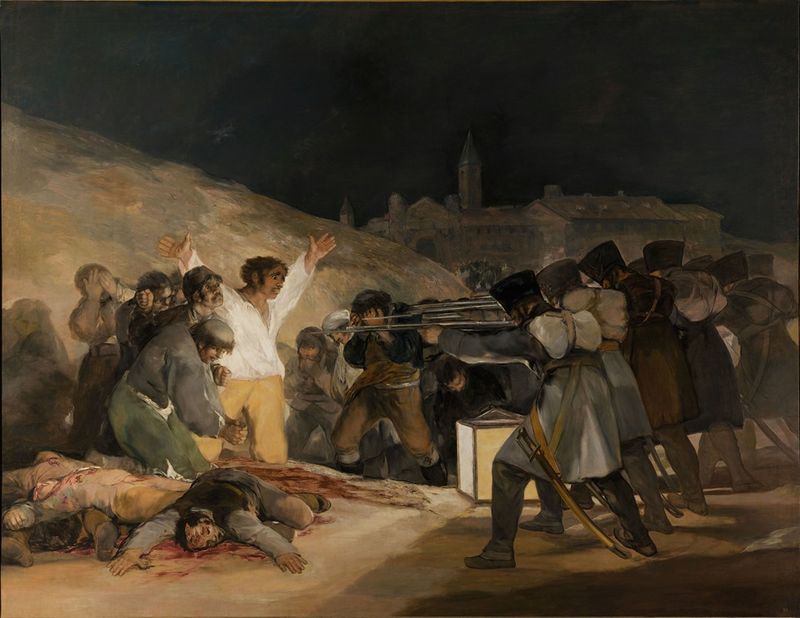
The Third of May 1808
Francisco de Goya

Isaac and Rebecca, Known as ‘The Jewish Bride’
Rembrandt van Rijn
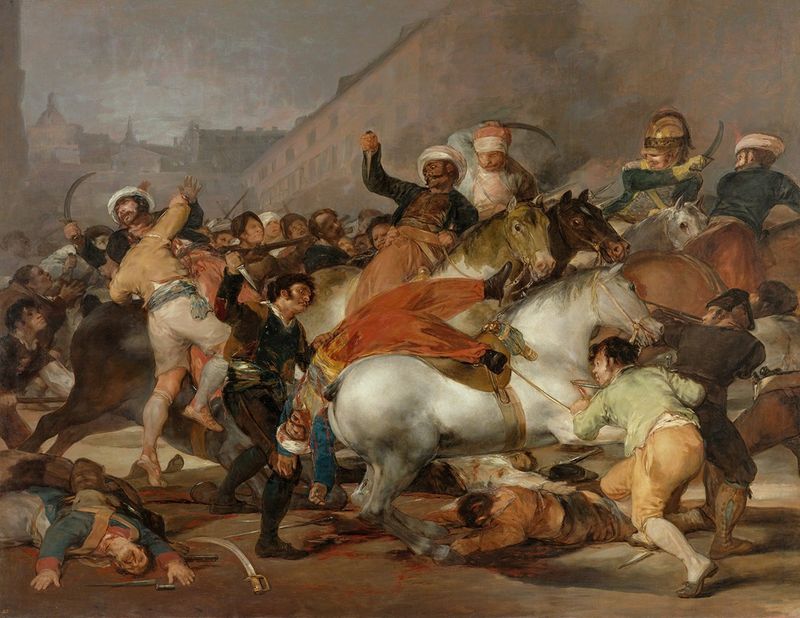
The Charge of the Mamelukes (1814)
Francisco de Goya

De vier ruiters van de apocalyps
Albrecht Dürer