
Tsukudajima Gyoshoi — History & Facts
What if silence could speak through light? In Tsukudajima Gyoshoi, a world of subtle melancholy unfolds, inviting us to listen closely to what remains unspoken. Focus on the delicate interplay of colors as you gaze at the serene waters of the Sumida River, where soft blues and muted grays harmonize against the warm earth tones of the distant shore. Notice the gentle strokes that depict the distant boats, their silhouettes nearly lost in the gentle haze of twilight. The composition draws your eyes toward the rising smoke from the fishing huts, creating a tender contrast between the warmth of human presence and the cool solitude of nature. The quietude of the scene evokes a profound sense of longing.
Each detail—the subtle ripples in the water and the faint outlines of trees—whispers of a bygone era, a time when life unfolded at a slower pace. The fishing huts stand as a testament to fleeting moments, where the mundane blends seamlessly with the poetic. Therein lies a bittersweet acknowledgment of change; the natural world remains unyielding, yet human endeavors are ephemeral. In 1868, during a time of political upheaval in Japan, Utagawa Hiroshige produced this work as part of his later series, reflecting on life in Edo through vibrant landscapes.
This period marked the transition from the Edo period to the Meiji Restoration, an era filled with uncertainty and transformation. Hiroshige’s artistry not only captures the beauty of the moment but also serves as a poignant reminder of history's relentless march forward.
More Artworks by Utagawa Hiroshige
Browse all →
Sudden Shower over Shin Ohashi Bridge and Atake (Ohashi Atake no yudachi), from the series "One Hundred Famous Views of Edo (Meisho Edo hyakkei)"
Utagawa Hiroshige
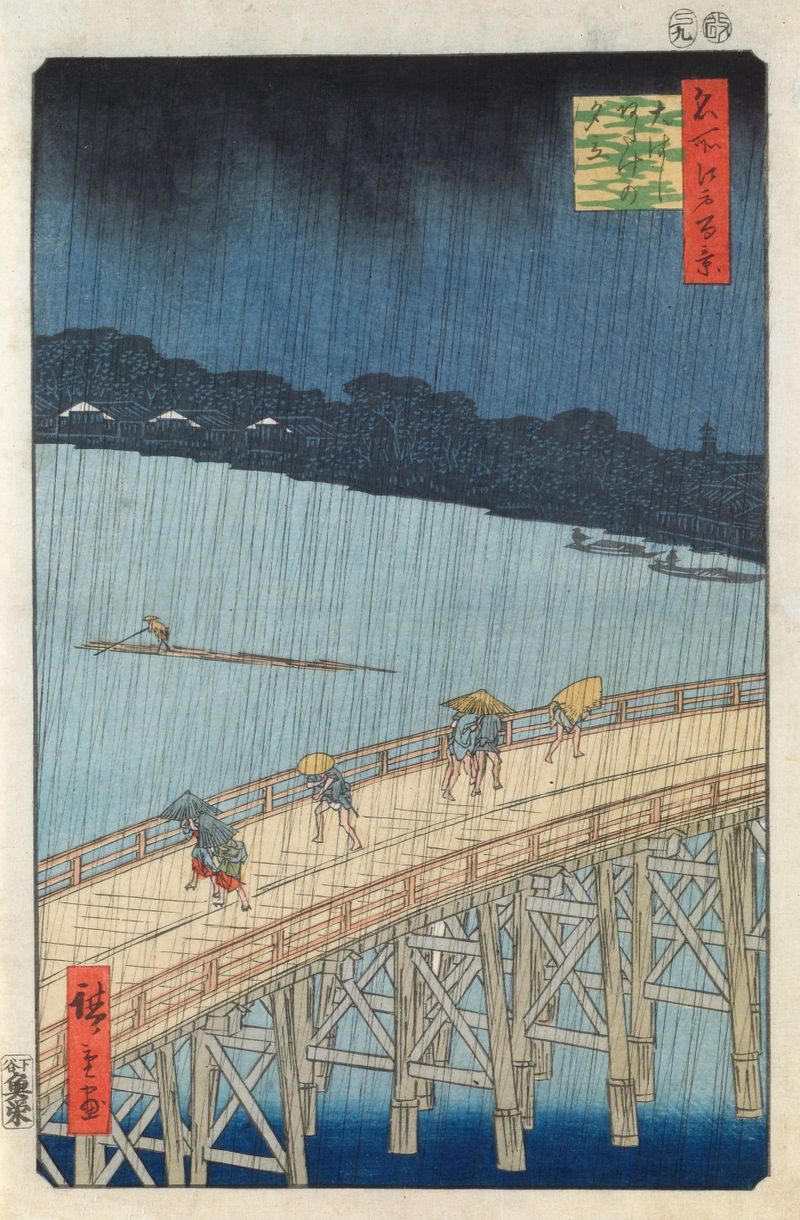
Sudden Shower Over Ohashi Bridge and Atake
Utagawa Hiroshige
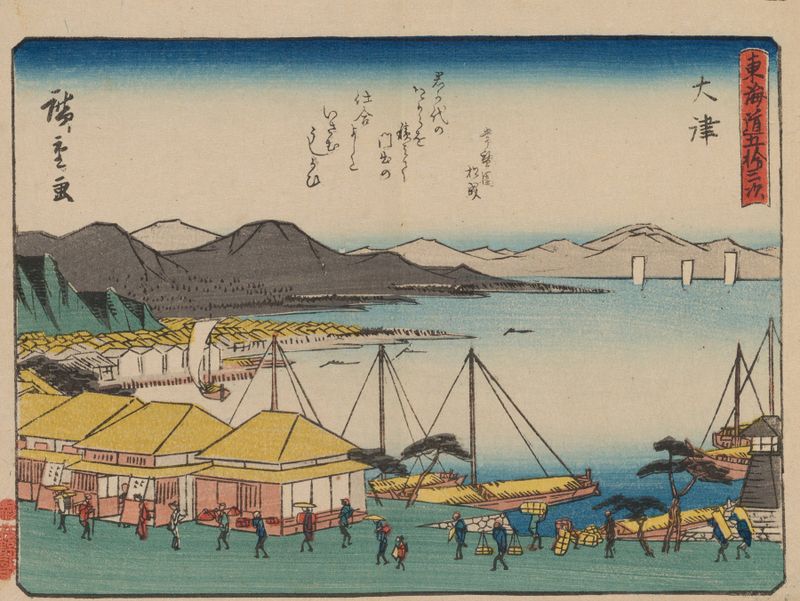
Tokaido gojusantsugi, Pl.54
Utagawa Hiroshige
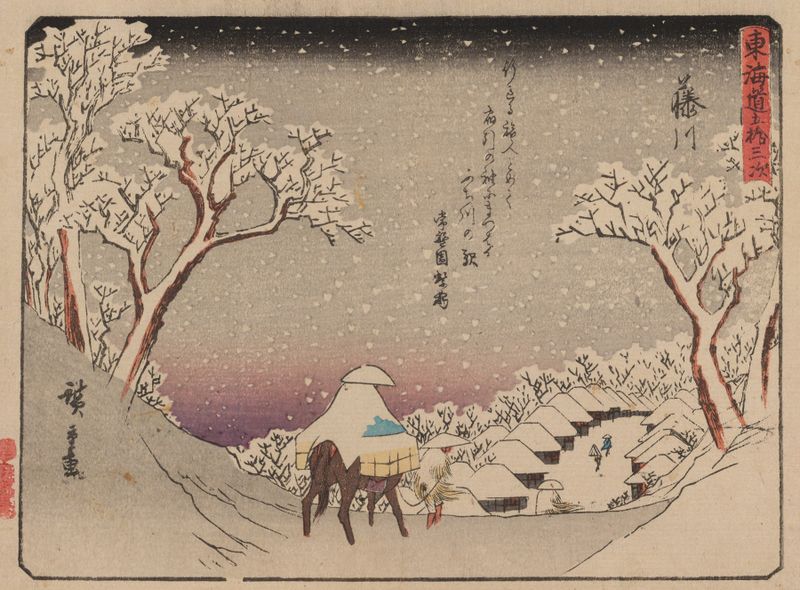
Tokaido gojusantsugi, Pl.38
Utagawa Hiroshige
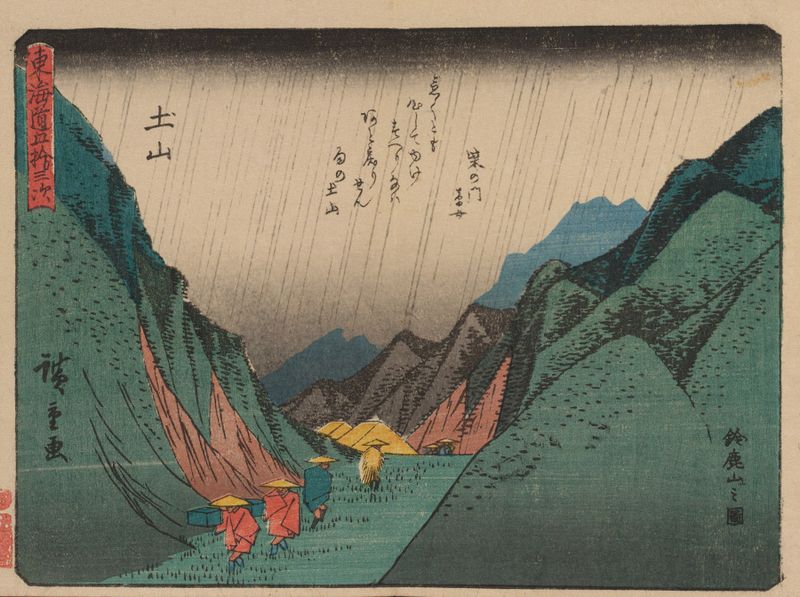
Tokaido gojusantsugi, Pl.50
Utagawa Hiroshige
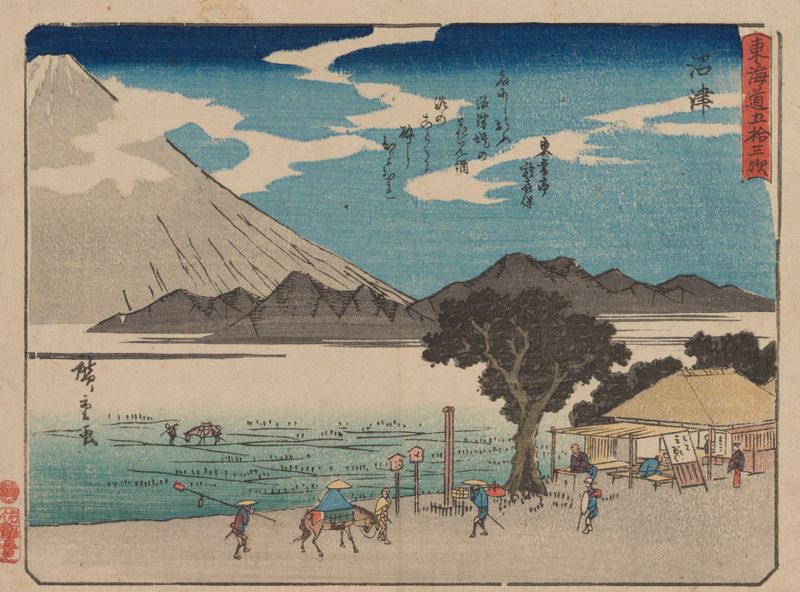
Tokaido gojusantsugi, Pl.13
Utagawa Hiroshige
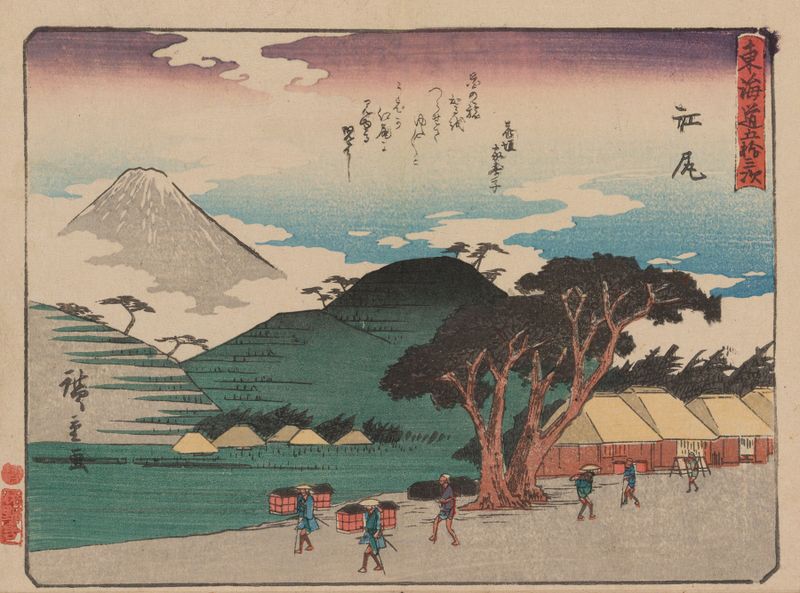
Tokaido gojusantsugi, Pl.19
Utagawa Hiroshige
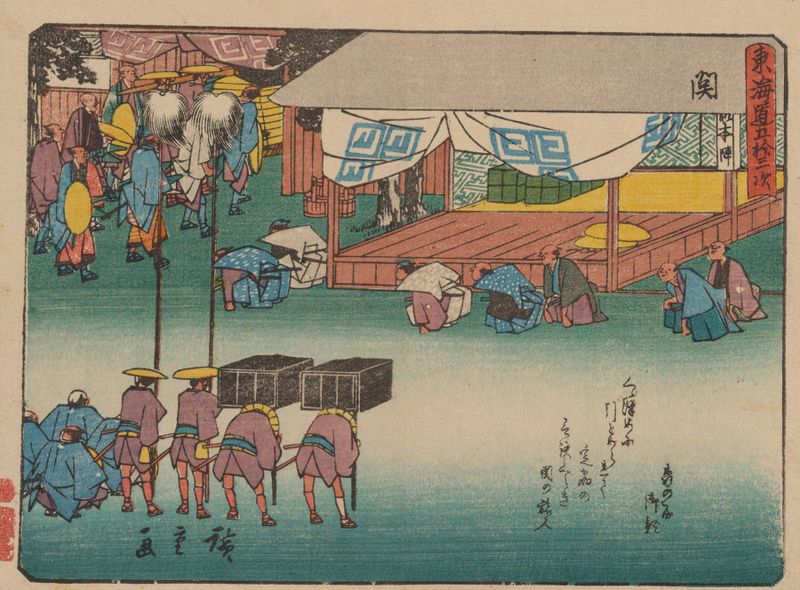
Tokaido gojusantsugi, Pl.48
Utagawa Hiroshige
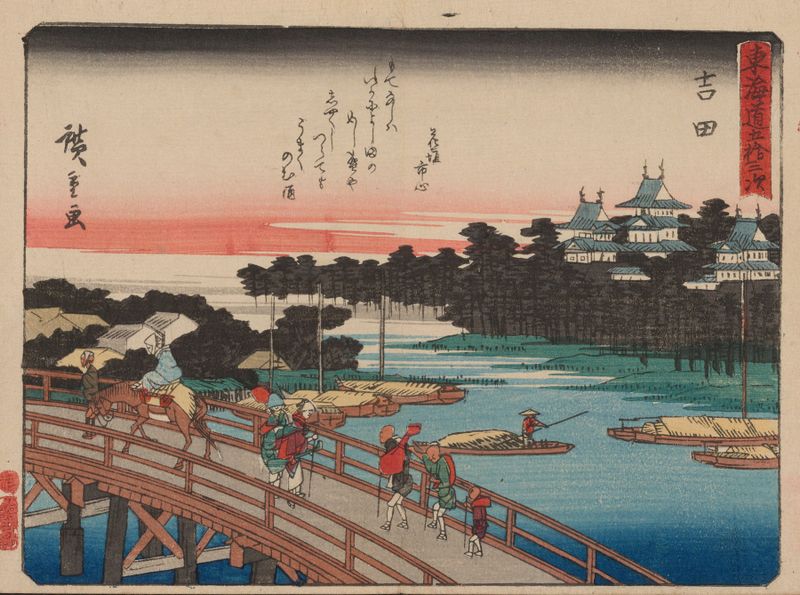
Tokaido gojusantsugi, Pl.35
Utagawa Hiroshige
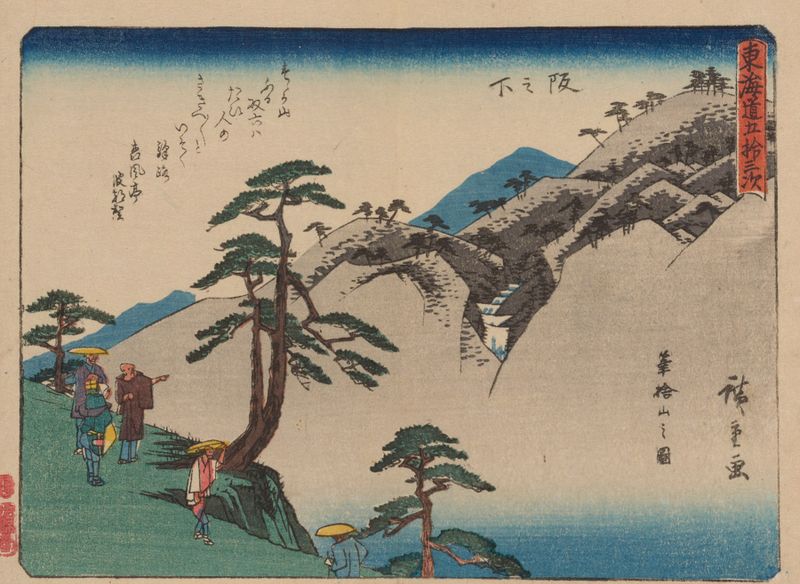
Tokaido gojusantsugi, Pl.49
Utagawa Hiroshige





