
Turkse ruiter — History & Facts
Is this a mirror — or a memory? In the quiet depths of the late 15th century, an encounter with the past can evoke a deeper longing than the present ever could. Focus on the figure front and center, the Turkse ruiter, wrapped in the luxurious fabrics of his attire. Notice the intricate patterns and rich colors that seem to pulse with life, drawing the viewer's eye to the interplay of light upon the folds. The majestic horse, a symbol of power and grace, stands poised, its musculature defined by highlights and shadows that create a sense of movement.
The backdrop, though muted, hints at an expansive world beyond, inviting contemplation and conversation. Beneath the surface, this artwork explores the tension between presence and absence. The rider's gaze, steady yet distant, suggests a narrative of exploration, merging identity with memory. His ornate garb, perhaps a relic of foreign lands, contrasts sharply with the muted tones of the background, hinting at the complexity of cultural exchange during this period.
This piece speaks to the viewer of desire and longing—not just for distant places, but for the connections that transcend time. Painted between 1488 and 1492, the artist—known as the Master of the Amsterdam Cabinet—was part of a flourishing Northern Renaissance, where intricate detail and rich color defined a new approach to portraiture. During this time, Europe was navigating the complexities of trade, exploration, and cultural interaction, and this work reflects that growing intrigue with the exotic and unknown. The artist's own life remains somewhat obscure, yet this piece stands as a testament to the era's spirit of discovery and the eternal yearning for connection with distant worlds.
More Artworks by Meester van het Amsterdamse Kabinet
Browse all →
De Heilige Familie bij de rozenstruik
Meester van het Amsterdamse Kabinet

Hertenjacht
Meester van het Amsterdamse Kabinet
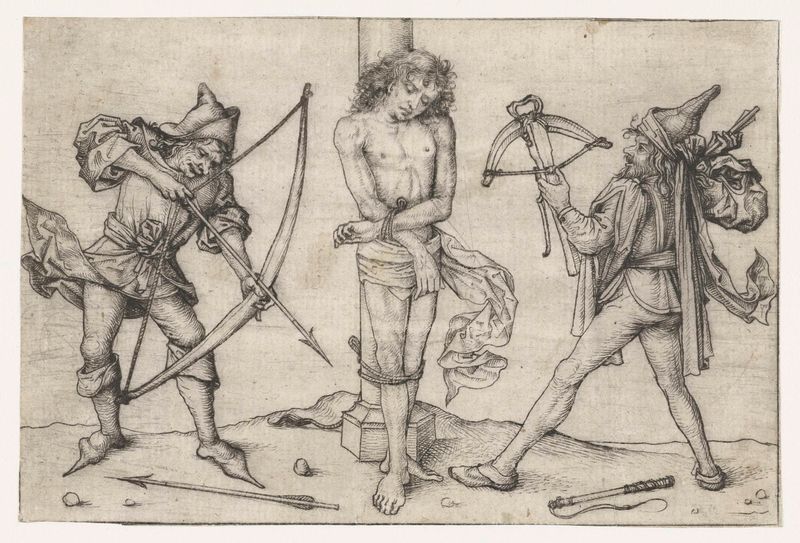
Heilige Sebastiaan met boogschutters
Meester van het Amsterdamse Kabinet

Het lichaam van Christus ondersteund door twee engelen
Meester van het Amsterdamse Kabinet

Heilige Anna-te-Drieën
Meester van het Amsterdamse Kabinet

Heilige Barbara (grote versie)
Meester van het Amsterdamse Kabinet
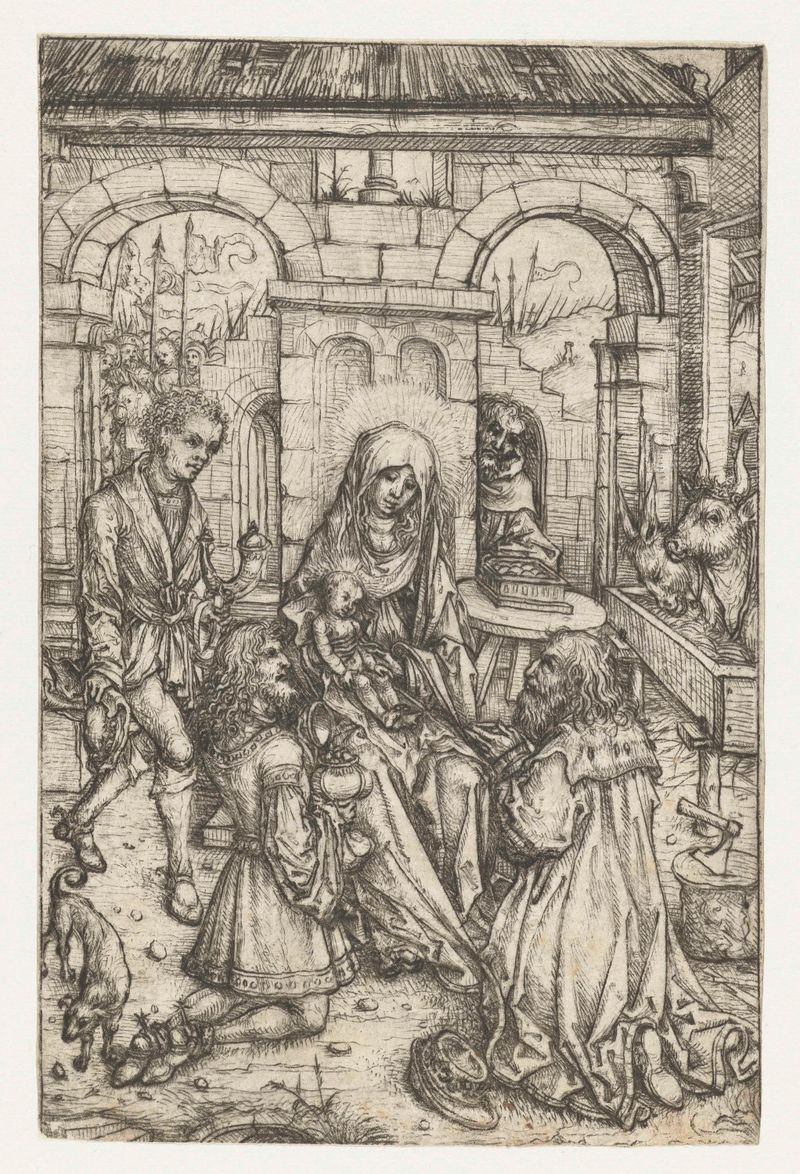
Aanbidding der koningen
Meester van het Amsterdamse Kabinet
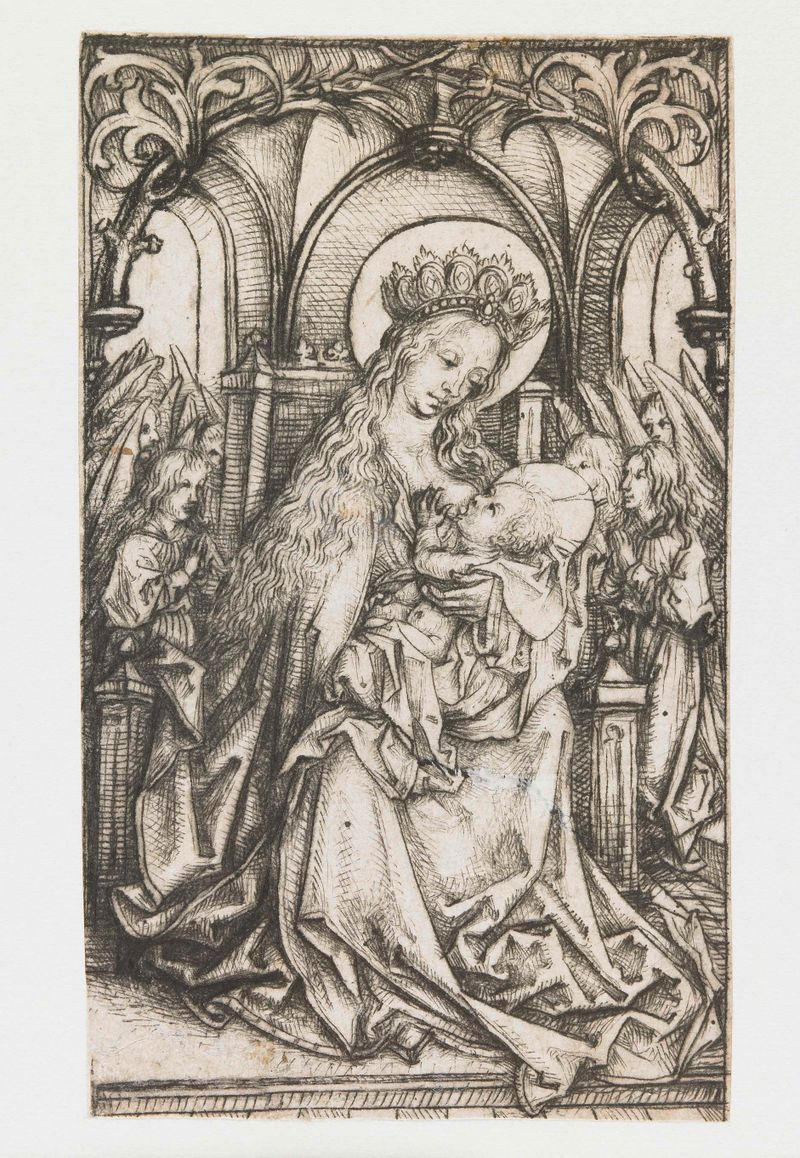
Tronende Madonna door engelen aanbeden
Meester van het Amsterdamse Kabinet

Het zegenend Christuskind
Meester van het Amsterdamse Kabinet
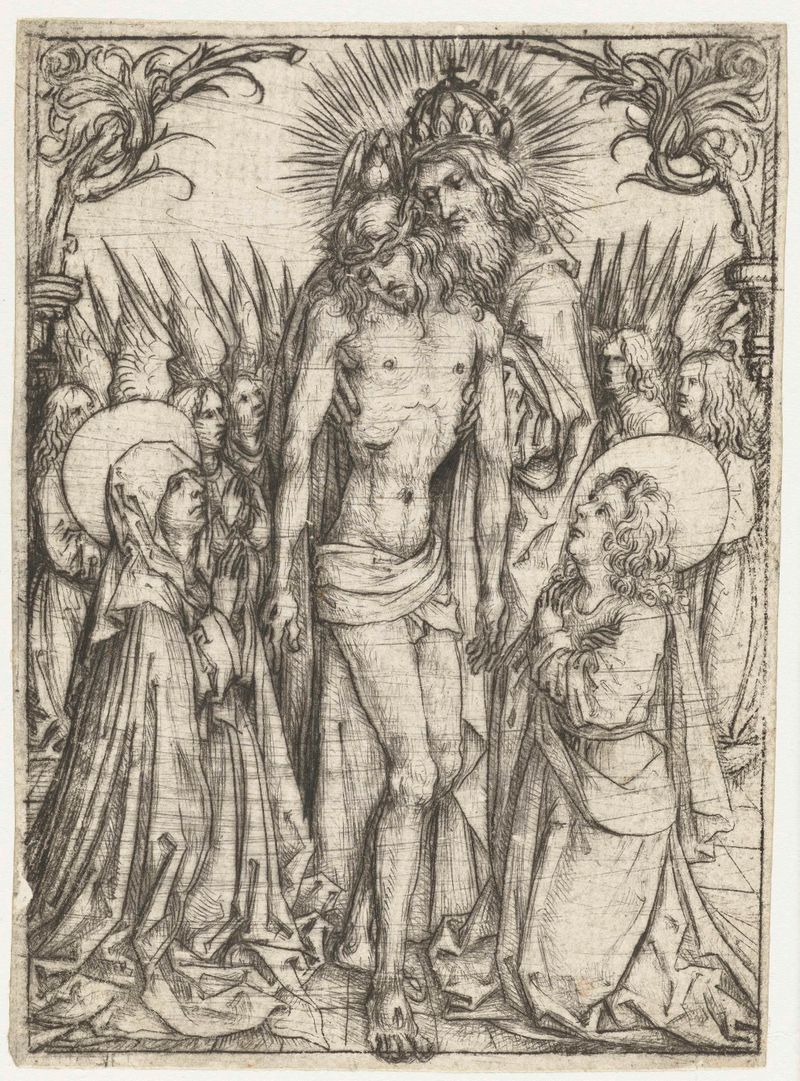
Aanbidding van de Heilige Drieëenheid door Maria, Johannes de Evangelist en engelen
Meester van het Amsterdamse Kabinet
More Portrait Art
Browse all →
Las meninas
Diego Velázquez

Self-portrait with a Bandaged Ear and Pipe
Unidentified artist

Girl with a Pearl Earring
Johannes Vermeer

The Sampling Officials of the Amsterdam Drapers’ Guild, Known as ‘The Syndics’
Rembrandt van Rijn

The Hundred Guilder Print: the man seen on the back in the lower left corner
Rembrandt van Rijn

Portrait of Dr Gachet
Vincent van Gogh