Discover insights about this artwork
Turning Water to Wine (The Wedding at Cana) — History & Facts
In Turning Water to Wine (The Wedding at Cana) by Carl Bloch, vibrant colors dominate the scene. The figures are arranged around a central table, where the miracle of transformation occurs. The setting is lively, filled with guests, and the expressions on their faces convey joy and surprise.
The warm tones of the wine contrast beautifully with the cooler colors of the surrounding garments. The painting is executed in oil on canvas, showcasing Bloch's skill in rendering textures and details. The composition is carefully arranged, with a focus on the interaction between the figures. Light plays a significant role, illuminating the central action while casting shadows that add depth.
The overall effect is one of dynamic movement, drawing the viewer's eye across the canvas. Carl Bloch was a Danish painter known for his religious works, and this piece is one of his most famous. Created in the 1870s, it reflects the artist's commitment to depicting biblical narratives with realism and emotional depth. Interestingly, Bloch's works were often used in church settings, making them accessible to a wider audience.
This particular painting captures a pivotal moment in the New Testament, emphasizing the theme of transformation.
More Artworks by Carl Bloch
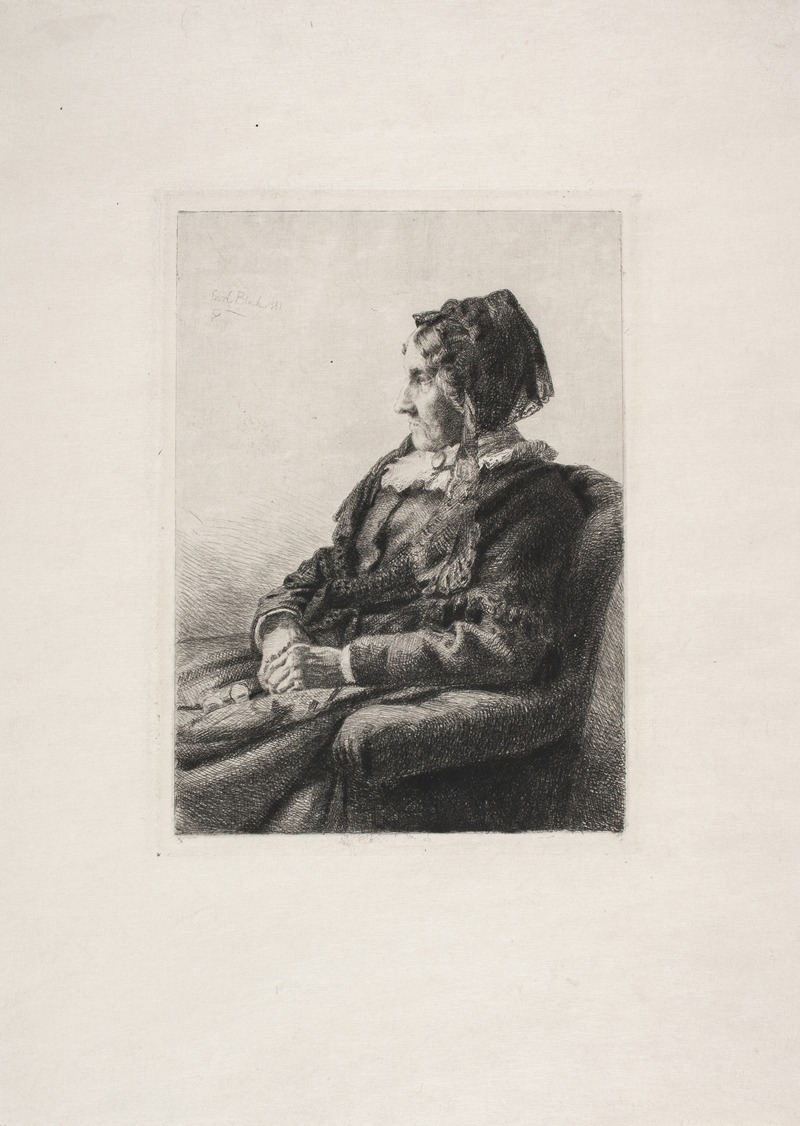
Portrait of a lady
Carl Bloch
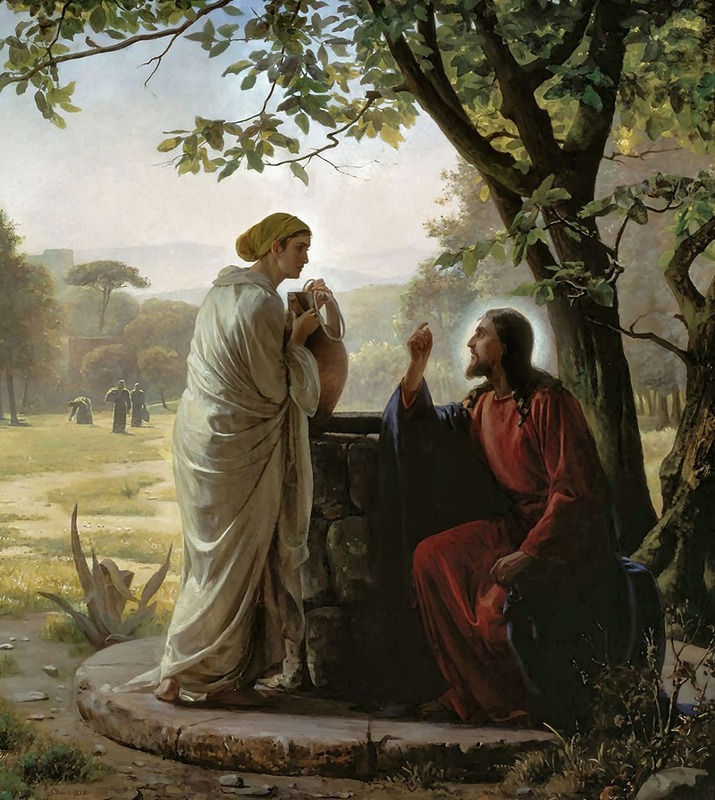
Woman at the Well
Carl Bloch
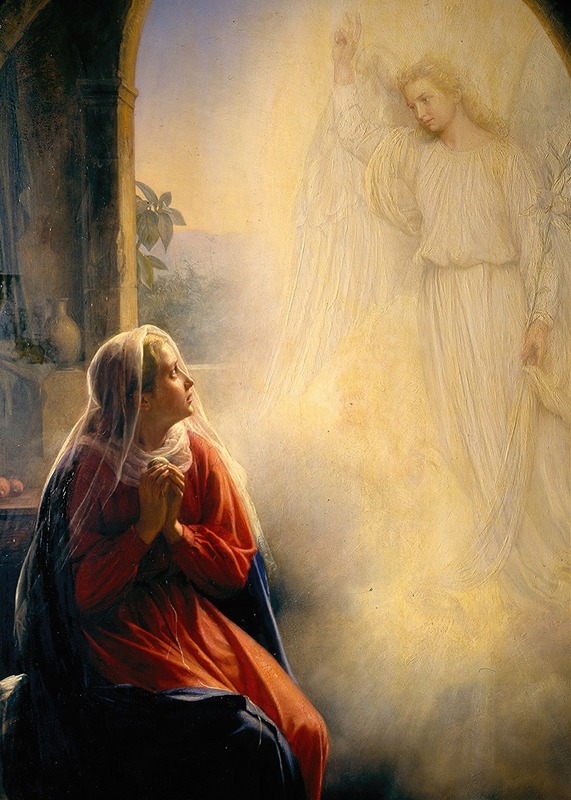
The Annunciation
Carl Bloch
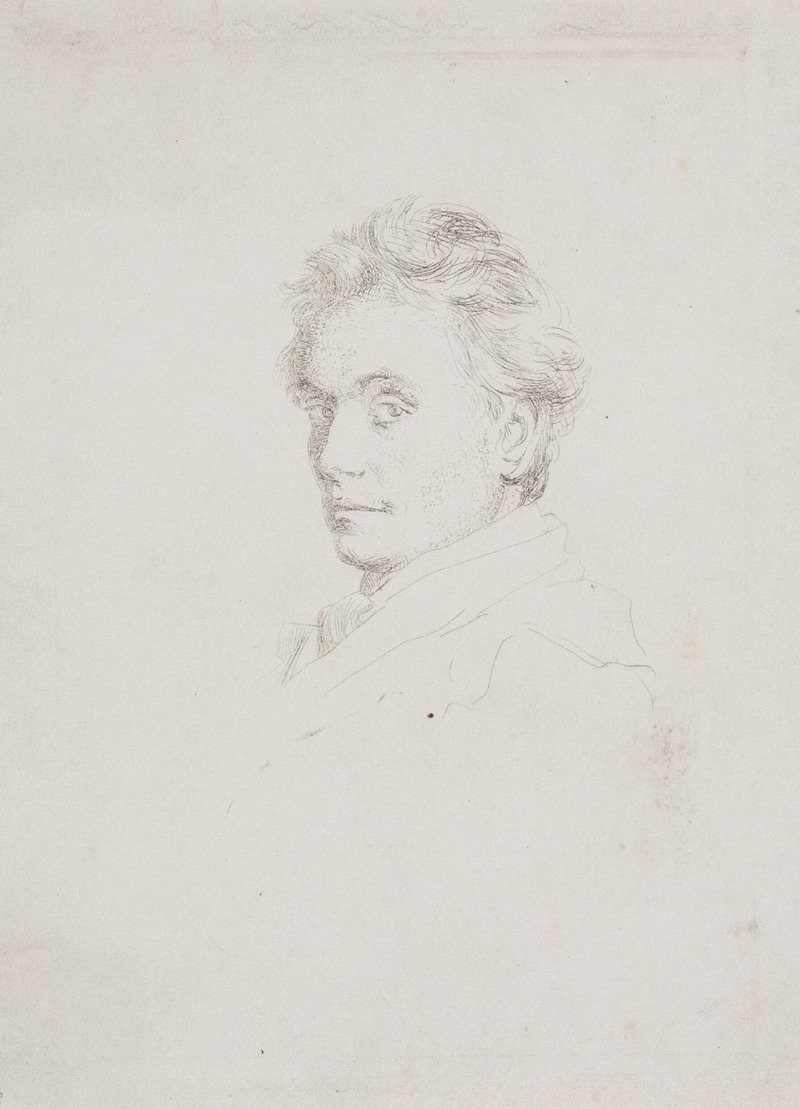
Portrait of Emil Bloch
Carl Bloch
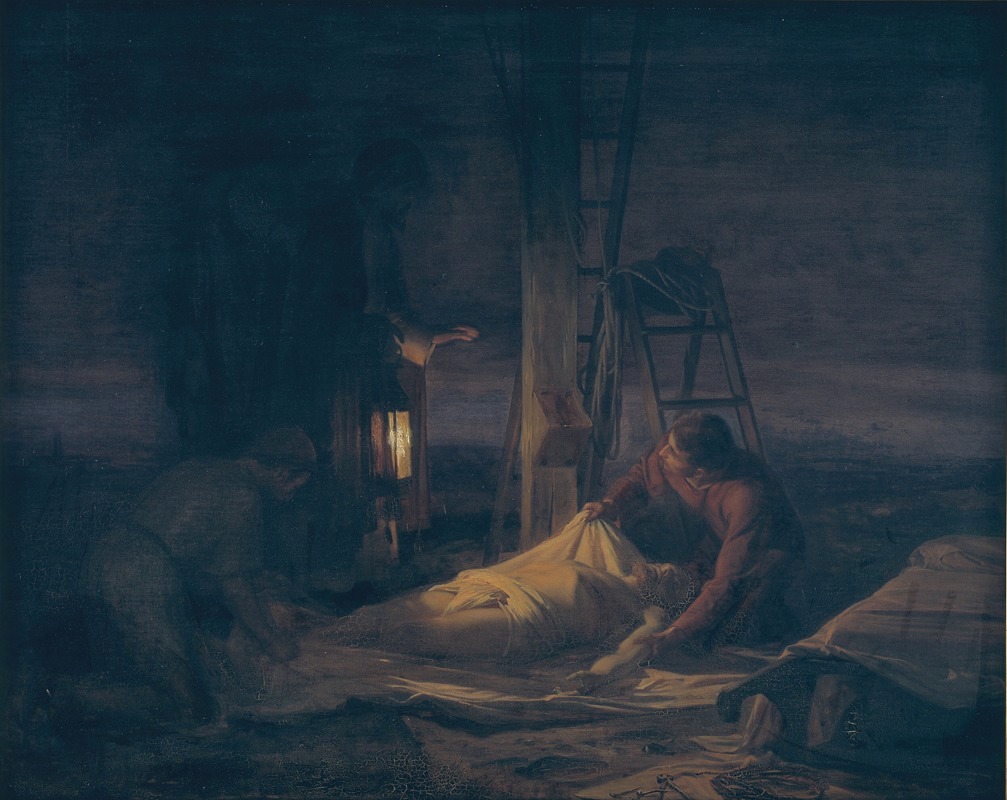
Descent from the Cross
Carl Bloch
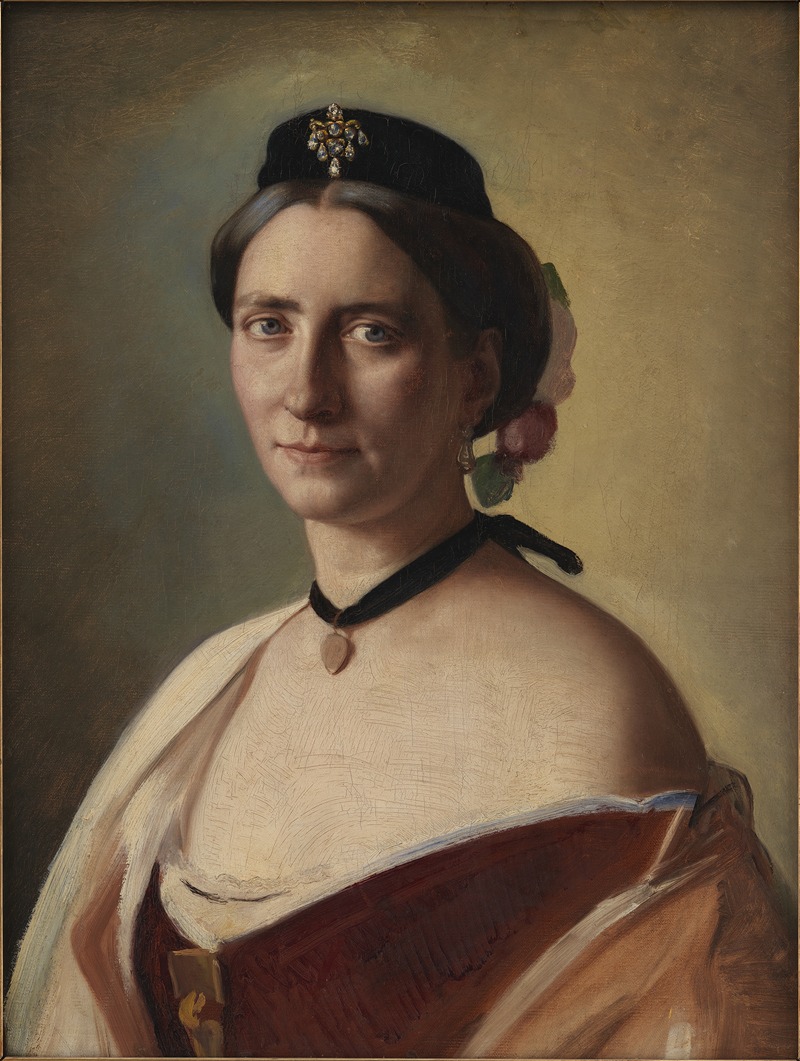
The artist’s wife, Mrs. Alma Bloch, nee Trepka
Carl Bloch
Christ and the doubting Thomas
Carl Bloch
A monk examines himself in a mirror
Carl Bloch
Casting out the Money Changers
Carl Bloch
In a Roman Osteria
Carl Bloch